Petrol, hybrid, plug-in hybrid or electric? We calculated the energy cost per kilometre, how long it takes to recoup the purchase-price premium and which powertrain makes the most financial sense for different types of motorists.
With inland petrol prices hovering around R30/litre and temporary fuel-levy relief being phased out, South African motorists are increasingly looking for ways to reduce their running costs. But is a hybrid actually worth the extra money?
Most hybrid vs PHEV vs EV comparisons focus on how the technologies differ. We’ve covered that before in our guide, Choosing your next car: EV, PHEV, REEV … or stick with ICE?. This time, we’re talking rands and cents.
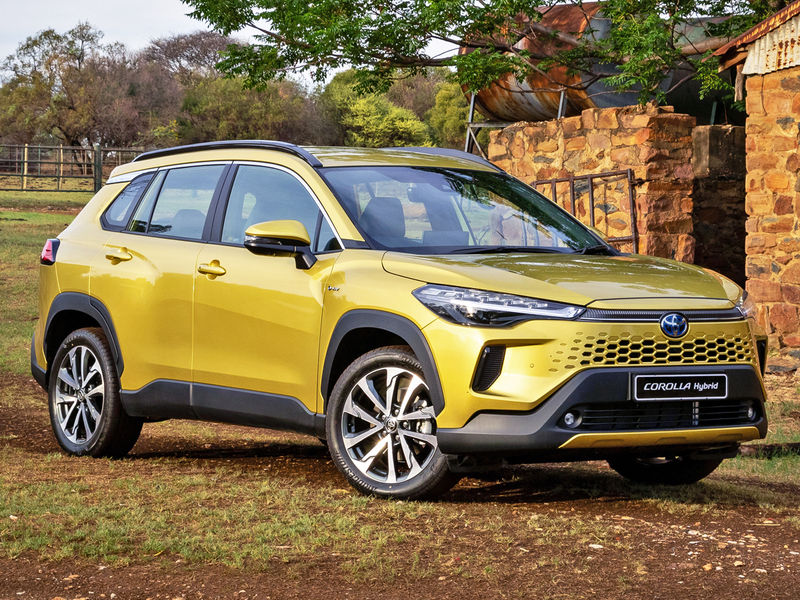
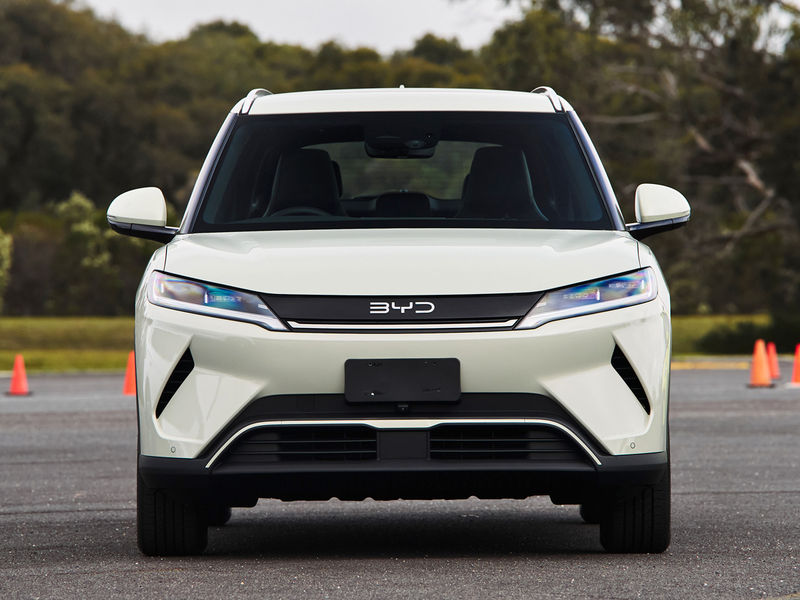
We’ve selected two pairs of cars that share a model nameplate but feature different powertrains:
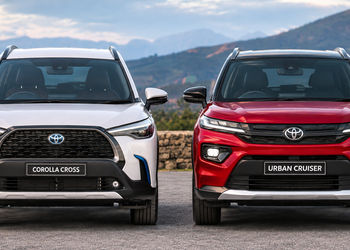
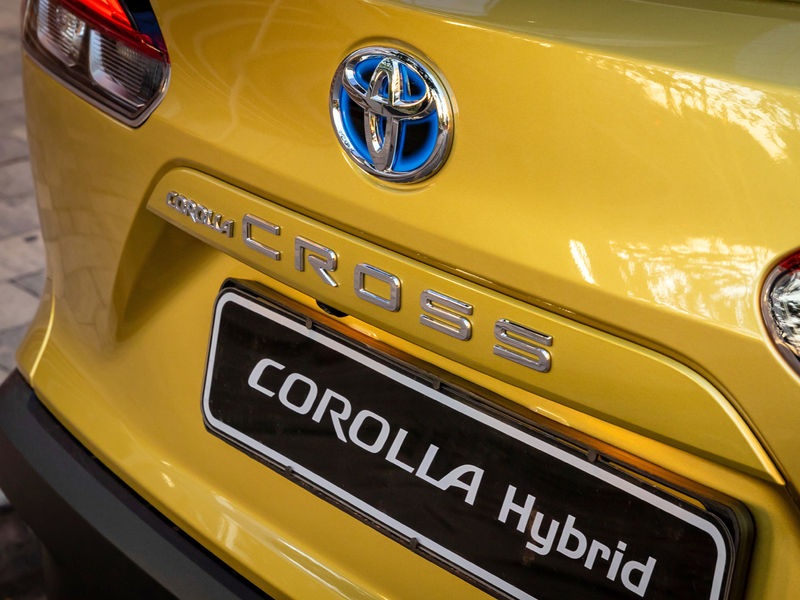
- Toyota Corolla Cross 1.8 XS vs Corolla Cross 1.8 HEV XS: One of South Africa’s most popular conventional hybrids against its petrol-powered sibling.
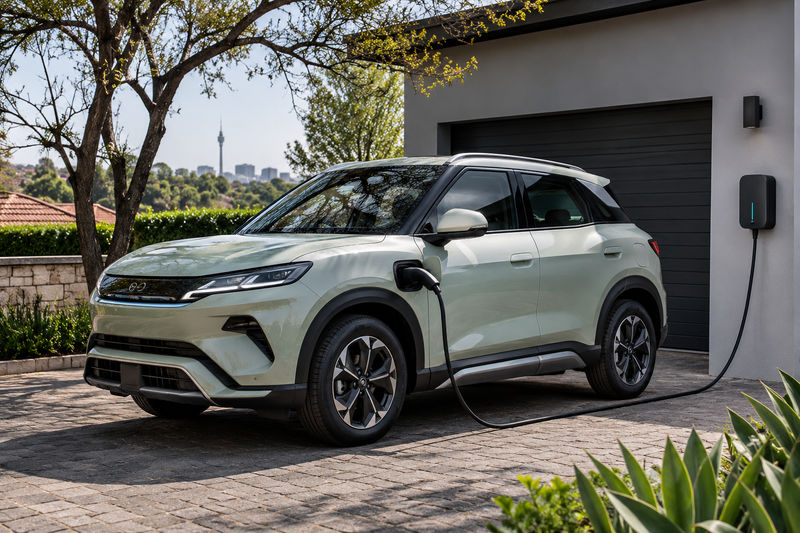
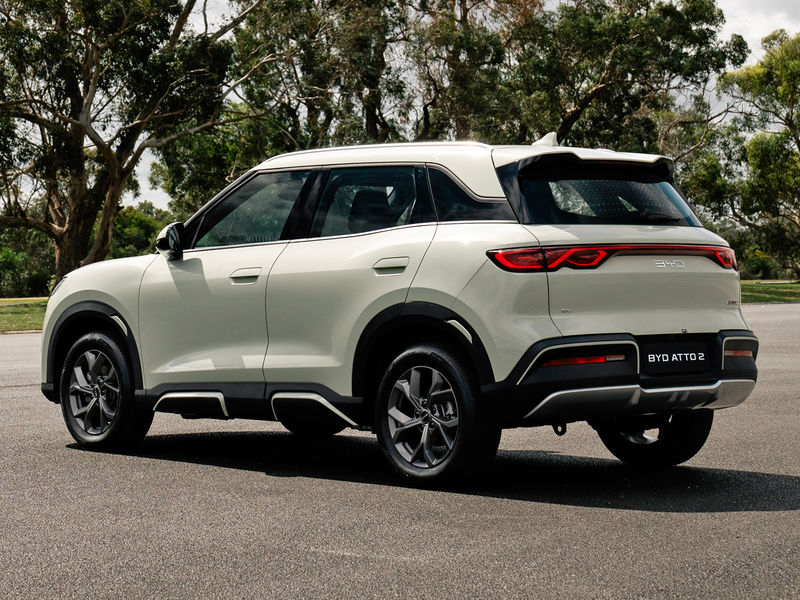
- BYD Atto 2 DM-i vs Atto 2 EV: South Africa’s most affordable plug-in hybrid against its fully electric sibling.
We then calculated each car’s running costs using its claimed energy consumption, the prevailing petrol price and a Johannesburg residential electricity tariff.
The numbers
Our calculations are based on the following assumptions:
- 95 unleaded petrol at R30.24/litre (inland).
- Home electricity at R4.37/kWh, based on City Power’s upper prepaid tariff block, including VAT.
- An annual mileage of 15 000 km.
- Manufacturer-claimed consumption figures, excluding charging losses.
| Corolla Cross 1.8 XS | Corolla Cross 1.8 HEV XS | BYD Atto 2 DM-i Comfort | BYD Atto 2 EV Dynamic | |
|---|---|---|---|---|
| Powertrain | Petrol | Hybrid | Plug-in hybrid | Electric |
| Price | R467 600 | R511 200 | R449 900 | R529 900 |
| Claimed consumption | 6.8 L/100 km | 4.3 L/100 km | 5.1 L/100 km* | 13.2 kWh/100 km |
| Energy cost per 100 km | R205.63 | R130.03 | R154.22 / R85.76** | R57.68 |
| Energy cost per km | R2.06 | R1.30 | R1.54 / R0.86** | R0.58 |
| Annual energy cost | R30 845 | R19 505 | R23 134 / R12 864** | R8 653 |
| Claimed/theoretical range | 691 km | 837 km | 930 km (combined) | 345 km (WLTP) |
| Maximum charging rate | N/A | N/A | 3.5 kW AC | 11 kW AC / 65 kW DC |
These calculations consider energy costs and purchase prices only. They exclude depreciation, insurance, maintenance, finance charges and home-charger installation costs.
The conventional hybrid: Worth it if you drive enough
The Toyota Corolla Cross Hybrid costs R43 600 more than the equivalent XS petrol derivative. Based on the claimed consumption figures, it saves approximately R11 340 a year in fuel costs over 15 000 km.
That puts the break-even point at just under 4 years. Drive 25 000 km a year and it drops to approximately 2.3 years.
Read more: Toyota Corolla Cross XS 1.8 vs HEV: Is the hybrid worth it?
Better still, you don’t have to change your driving or refuelling habits. There are no plugs, apps or charging queues to contend with. Conventional hybrids are also particularly efficient in the stop-start traffic in which many South Africans spend their daily commutes.
If you cover fewer than 10 000 km a year, however, the payback period stretches to around 6 years or longer. At that point, the financial argument for opting for a hybrid becomes less compelling.
The plug-in hybrid: Only as clever as your plug
A plug-in hybrid electric vehicle (PHEV) that is seldom plugged in can’t realise its full efficiency potential. Using the BYD Atto 2 DM-i’s stated petrol consumption figure, running costs amount to approximately R154 per 100 km, compared with the Corolla Cross Hybrid’s R130.
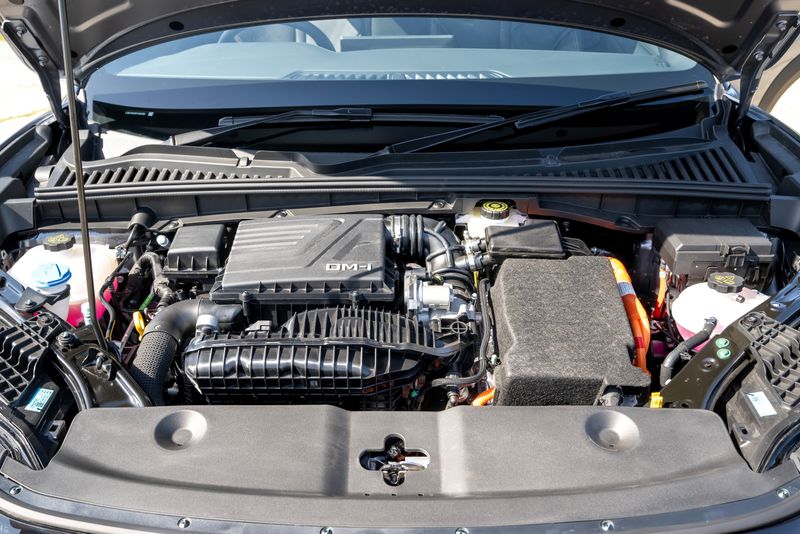
Plug it in every night and keep your daily commute within its claimed 40 km electric range, however, and the picture changes considerably. By our estimates, electric-only running costs amount to approximately R86 per 100 km, while the BYD’s R449 900 purchase price undercuts those of both Corolla Cross derivatives.
Read more: BYD Atto 2 DM-i (2026) Price & Specs
The PHEV, therefore, makes a particularly compelling case for motorists with off-street parking, short daily commutes and the discipline to plug in regularly. Rely more heavily on its petrol engine and the running-cost advantage diminishes, although its relatively low purchase price remains attractive.
The EV: Cheapest to run, but consider the purchase price
At R57.68 per 100 km, the BYD Atto 2 EV costs less than a third as much per kilometre as the petrol-powered Corolla Cross. At 15 000 km a year, it saves approximately R22 192 in energy costs compared with the Toyota.
That’s enough to recoup its R62 300 purchase-price premium over the petrol Corolla Cross in under 3 years, or approximately 1.7 years if you cover 25 000 km annually.
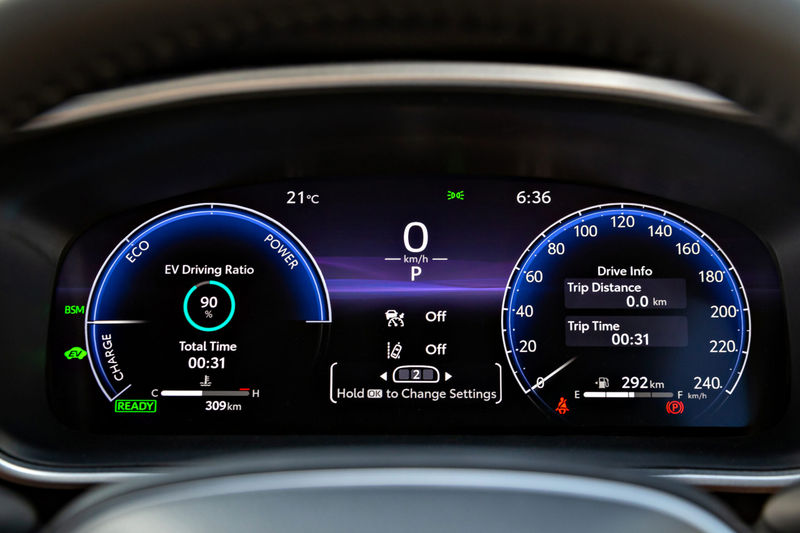
On the cheaper first block of Johannesburg’s prepaid electricity tariff (approximately R3.34/kWh, including VAT), its theoretical energy cost drops to around R44 per 100 km.
There are, however, several factors to consider:
- A claimed range of 345 km, which could be considerably lower at highway speeds.
- Reliance on more expensive public DC chargers during long-distance trips.
- Potentially higher depreciation than that of conventional petrol-powered cars.
- The potential cost of installing a dedicated home charger.
If you can charge at home and your December holiday doesn’t involve joining the throngs of motorists on the N3 on 16 December, an electric car presents an increasingly compelling financial proposition. In terms of energy costs alone, it’s comfortably the cheapest option in this comparison.
Verdict: Which powertrain makes the most financial sense?
Ultimately, your choice of powertrain should be informed by your driving habits, access to charging infrastructure and how long you intend to keep your car.
- High-mileage motorist without home charging: The conventional hybrid is a strong contender. It can recoup its purchase-price premium in 2 to 4 years without requiring a change in driving habits.
- Short daily commute with access to home charging: The PHEV represents excellent value, particularly if you can complete most of your daily journeys on electric power alone.
- Home charging and predominantly urban driving: The EV offers the lowest energy costs, potentially recouping its price premium over a conventional petrol-powered rival in under 3 years.
- Low-mileage motorist (under 10 000 km a year): A conventional petrol-powered car remains a sensible option, particularly if its purchase price is significantly lower than that of an electrified equivalent.
At R30/litre, a conventional hybrid makes increasingly good financial sense for South Africans who cover substantial annual mileages. A plug-in hybrid, meanwhile, delivers its greatest running-cost benefits when you do precisely what its name suggests: plug it in.
Frequently asked questions
Is a hybrid car worth buying in South Africa?
Yes, particularly if you cover substantial annual mileages. At a petrol price of R30.24/litre, a Toyota Corolla Cross Hybrid could save approximately R11 340 a year in fuel costs over 15 000 km, recouping its purchase-price premium in just under 4 years.
How much fuel does a hybrid car save compared with a petrol car?
Fuel savings vary according to the model and driving conditions. The Toyota Corolla Cross Hybrid has a claimed consumption figure of 4.3 L/100 km, compared with 6.8 L/100 km for its petrol-powered equivalent, representing a reduction of approximately 37%.
Is a plug-in hybrid better than a conventional hybrid?
A plug-in hybrid (PHEV) can offer lower running costs if you charge it regularly and complete most of your daily journeys on electric power. However, a conventional hybrid may be more economical if you don’t have reliable access to charging facilities.
Is it cheaper to charge an electric car than to fill up a petrol car in South Africa?
Generally, yes, particularly when charging at home. At an electricity tariff of R4.37/kWh, the BYD Atto 2 EV has an estimated energy cost of R0.58/km, compared with R2.06/km for the petrol-powered Toyota Corolla Cross at R30.24/litre. Actual savings depend on consumption, electricity tariffs and charging losses.
Cars.co.za

Providing you with the latest motoring news, new car releases and the simplest way to buy and sell cars.