
Hyundai Automotive SA recently tweaked its facelifted Hyundai Grand i10 range, which now features a trimmed line-up and renamed trim grades. Herewith pricing and spec details for the hatchback and sedan variants of Hyundai SA’s best-selling vehicle…
Last month (July 2024), Cars.co.za reported that Hyundai Automotive South Africa had cut the starting prices of its 3 most affordable (and indeed best-selling) models, lowering the barrier to buying a new Grand i10, refreshed i20 compact hatchback and Venue small crossover.
Just like the updated i20 model, the rejigged Grand i10 and Venue ranges have switched from the South Korean firm’s earlier trim-level naming convention (which incorporated the “Motion” and “Fluid” trim grades) to the latest pair of nomenclatures that denote “Premium” and “Executive” equipment levels.
When the facelifted Grand i10 range was launched in Mzansi in August 2023, the portfolio comprised 8 derivatives – 5 hatchbacks, 2 sedans and a solitary Cargo panel van variant. However, Hyundai has quietly trimmed the line-up to 6 derivatives, with a pair of 1.2-litre hatchback variants falling away.
Watch Ciro De Siena’s video review of the 2023 Hyundai Grand i10
What does the facelifted Hyundai Grand i10 offer?
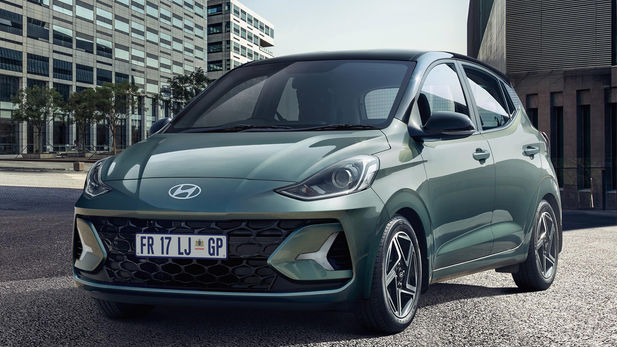
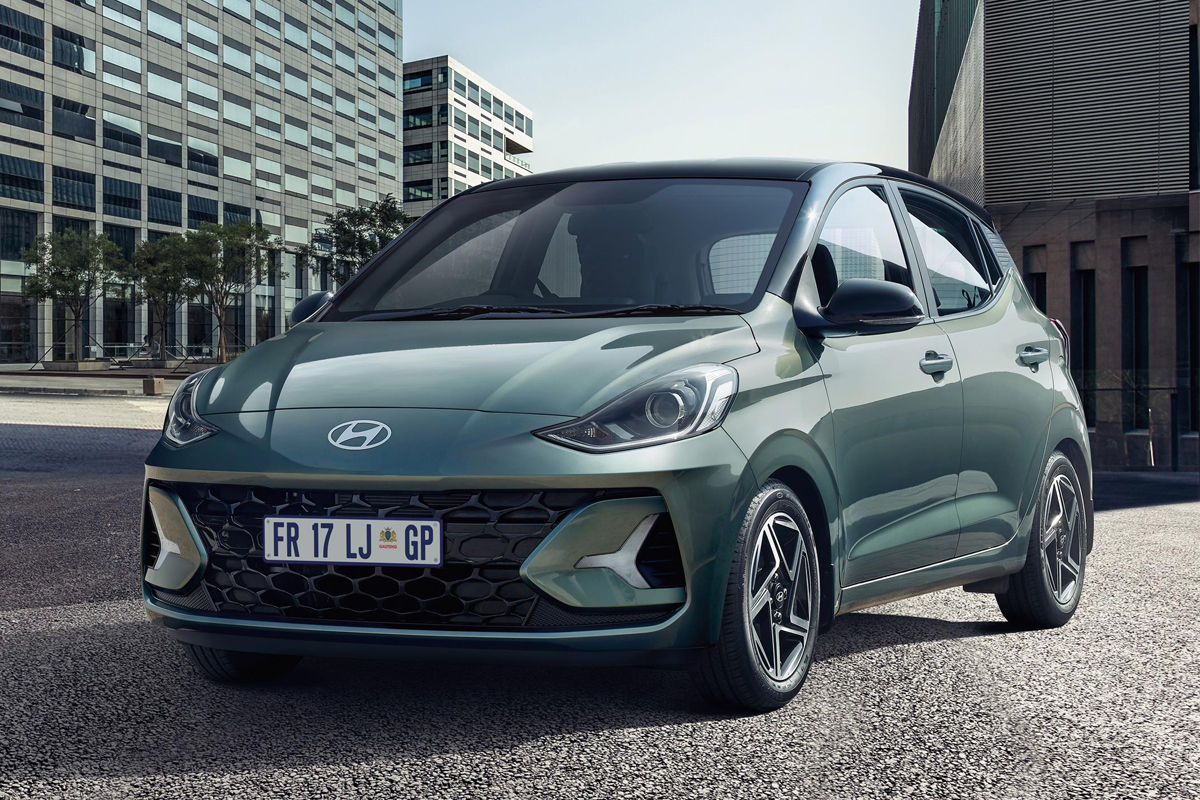
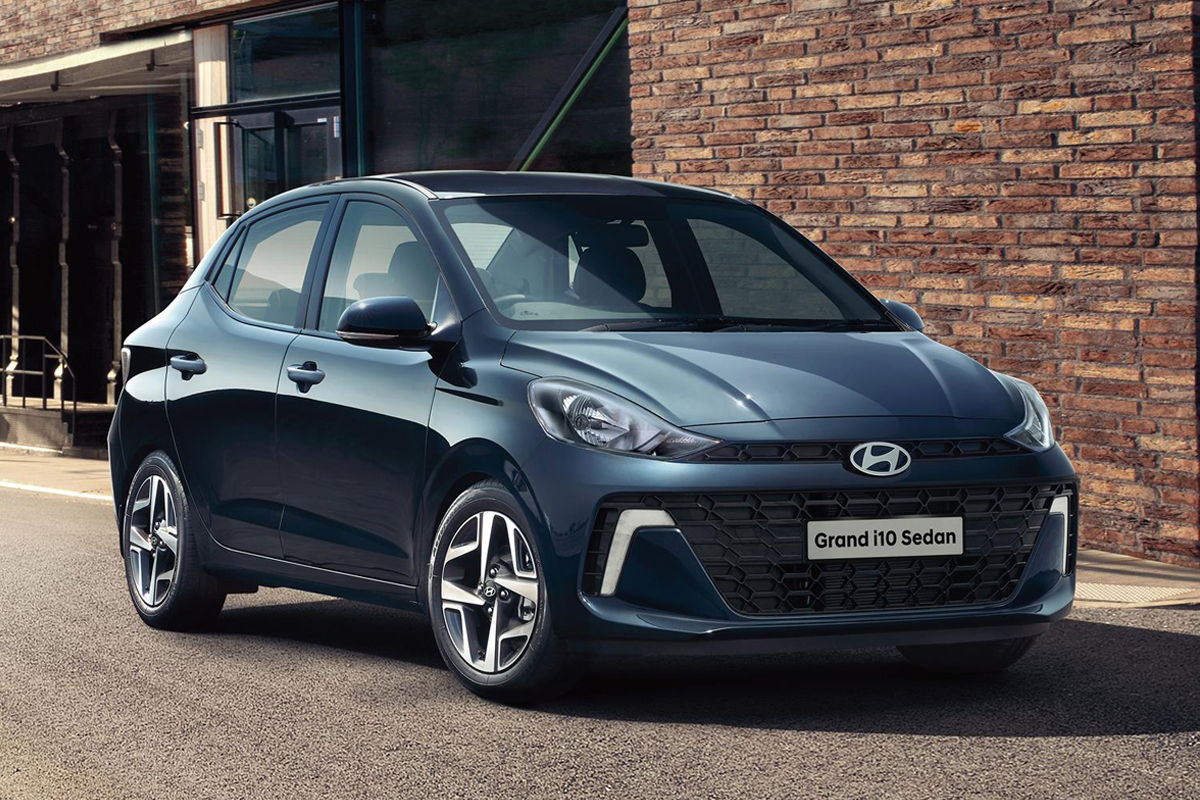
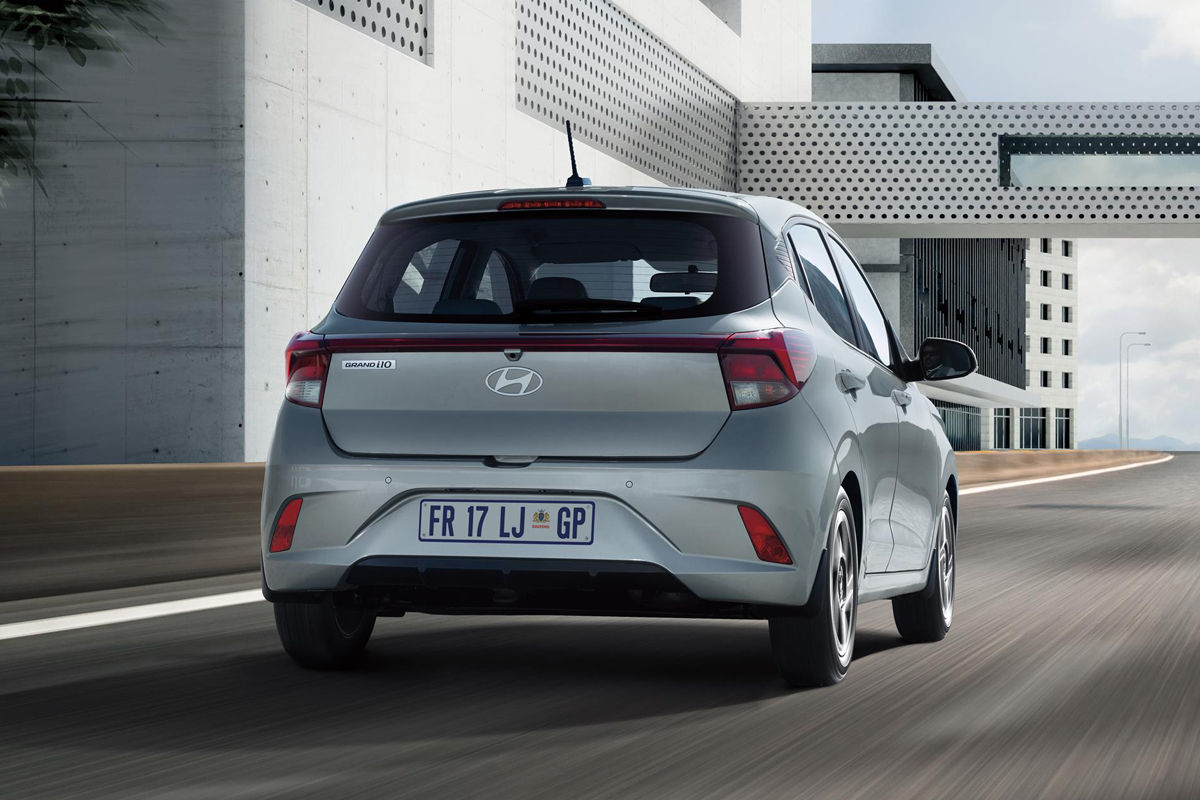
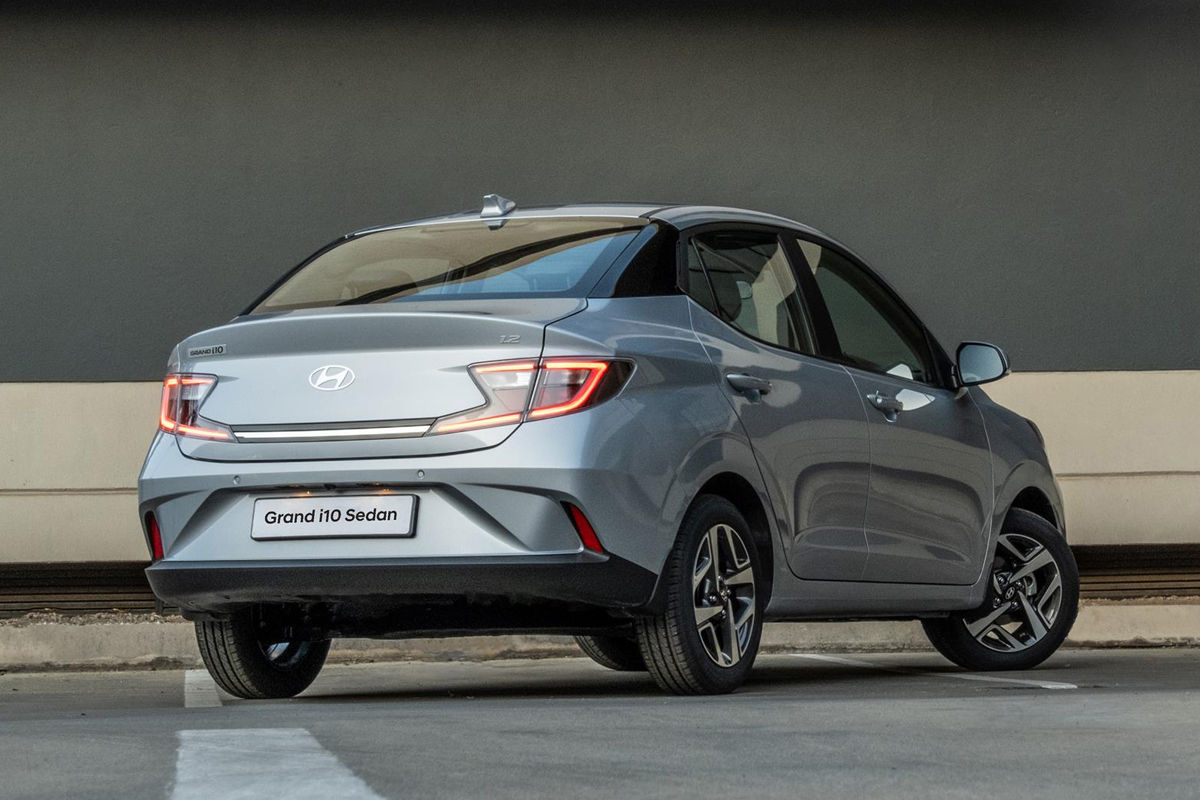
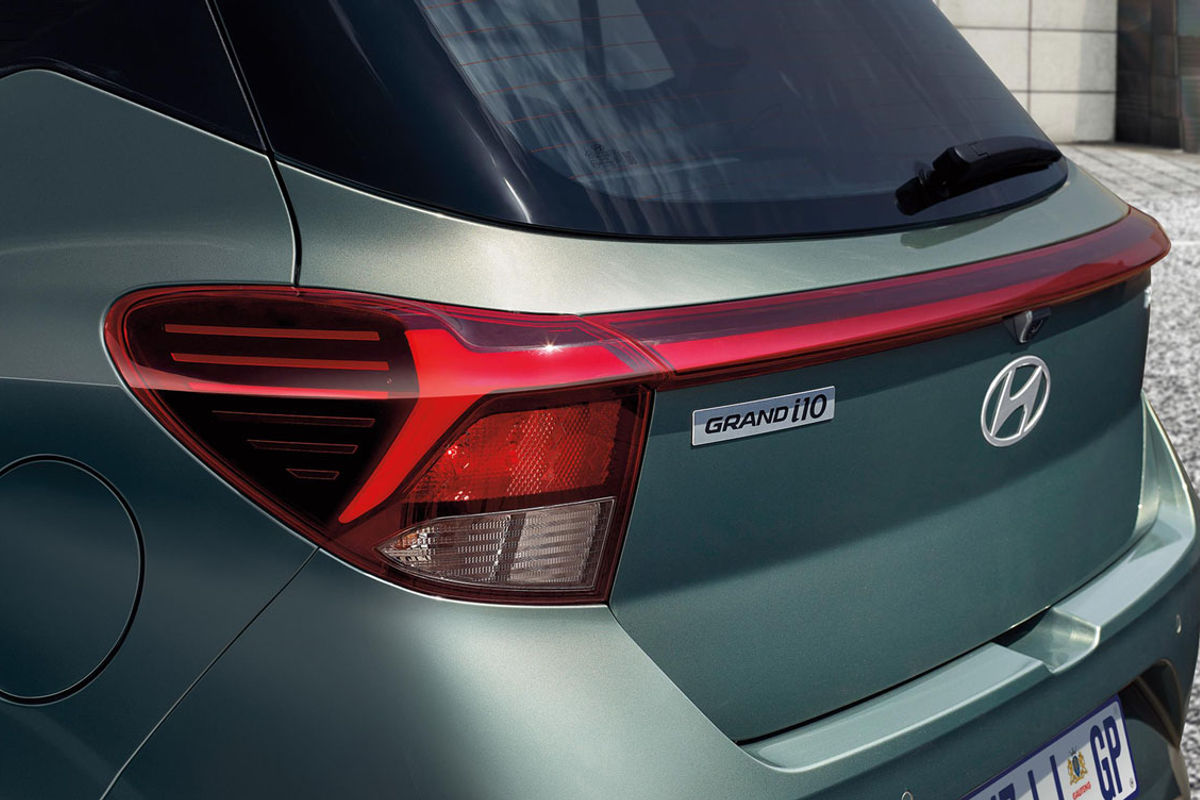
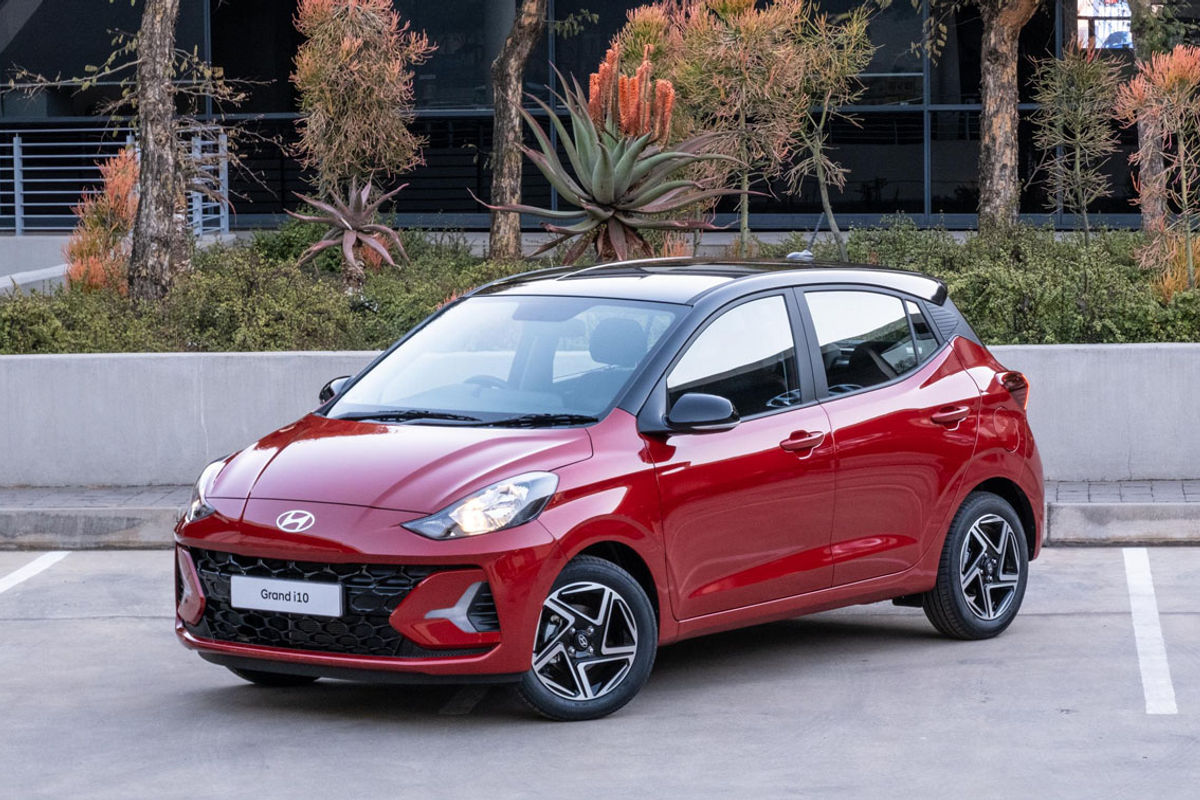
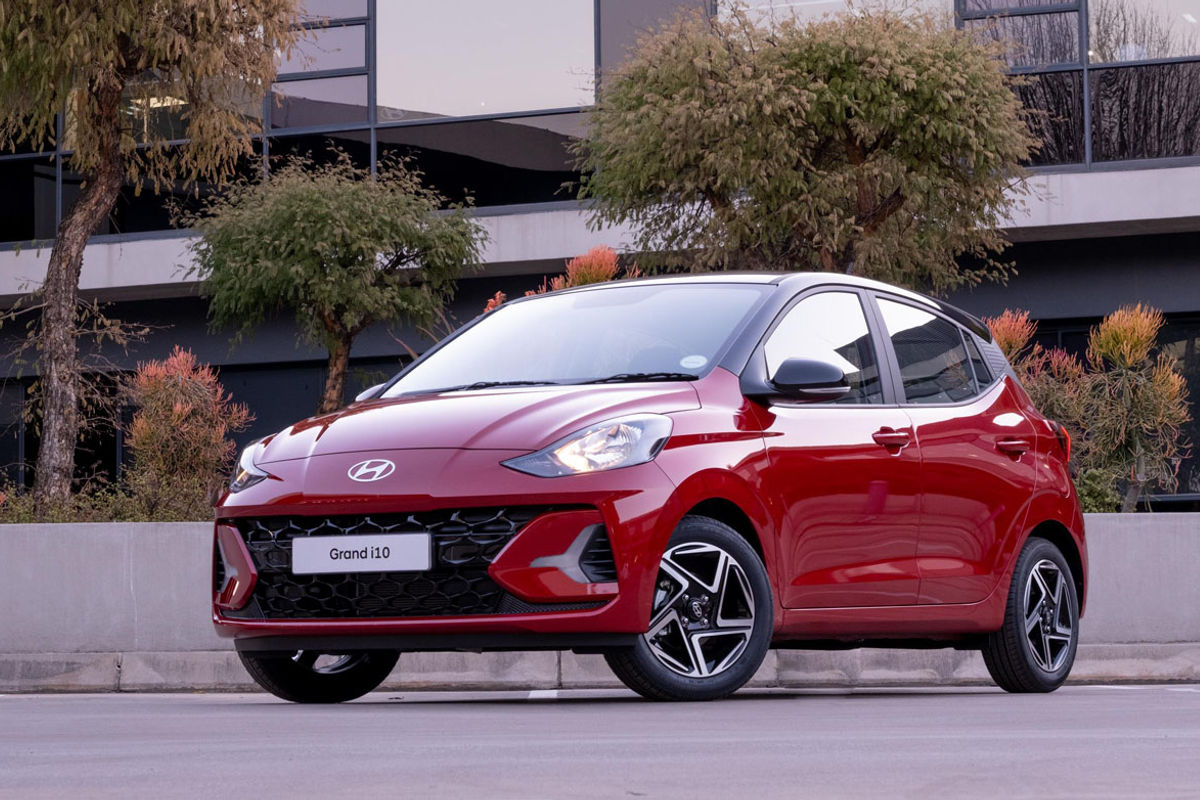
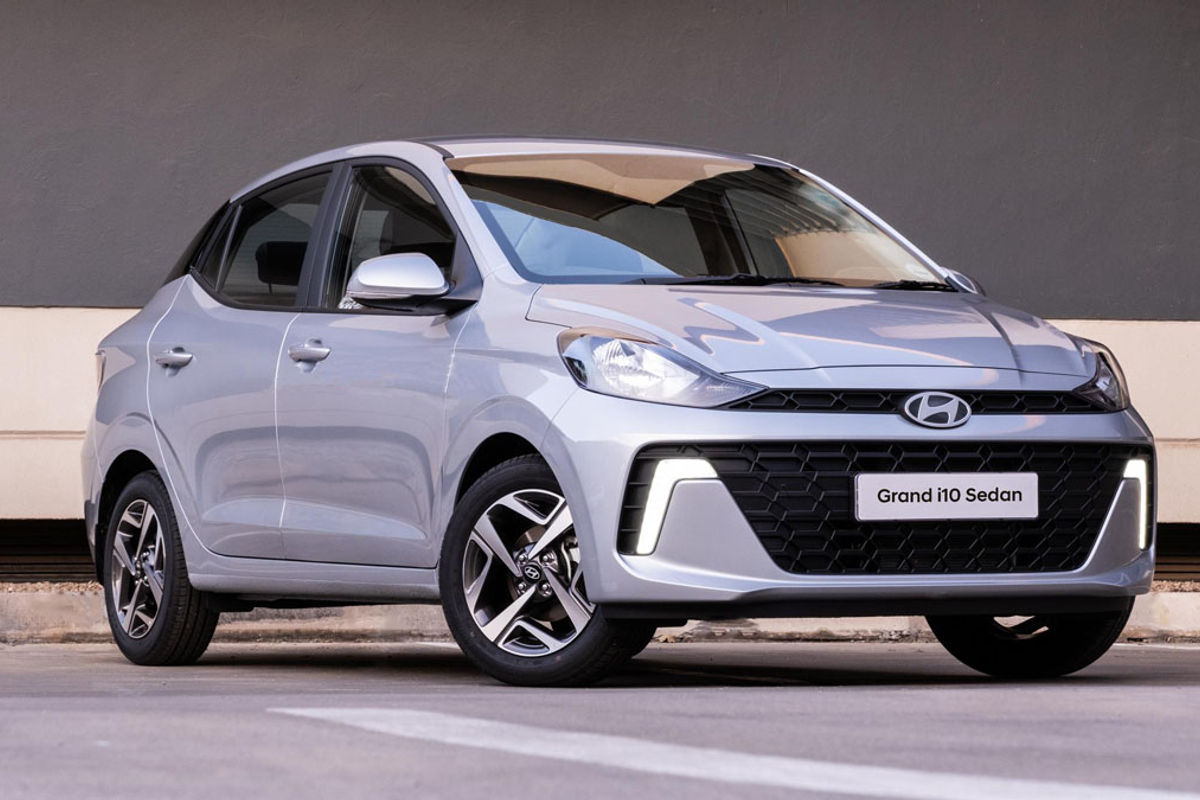
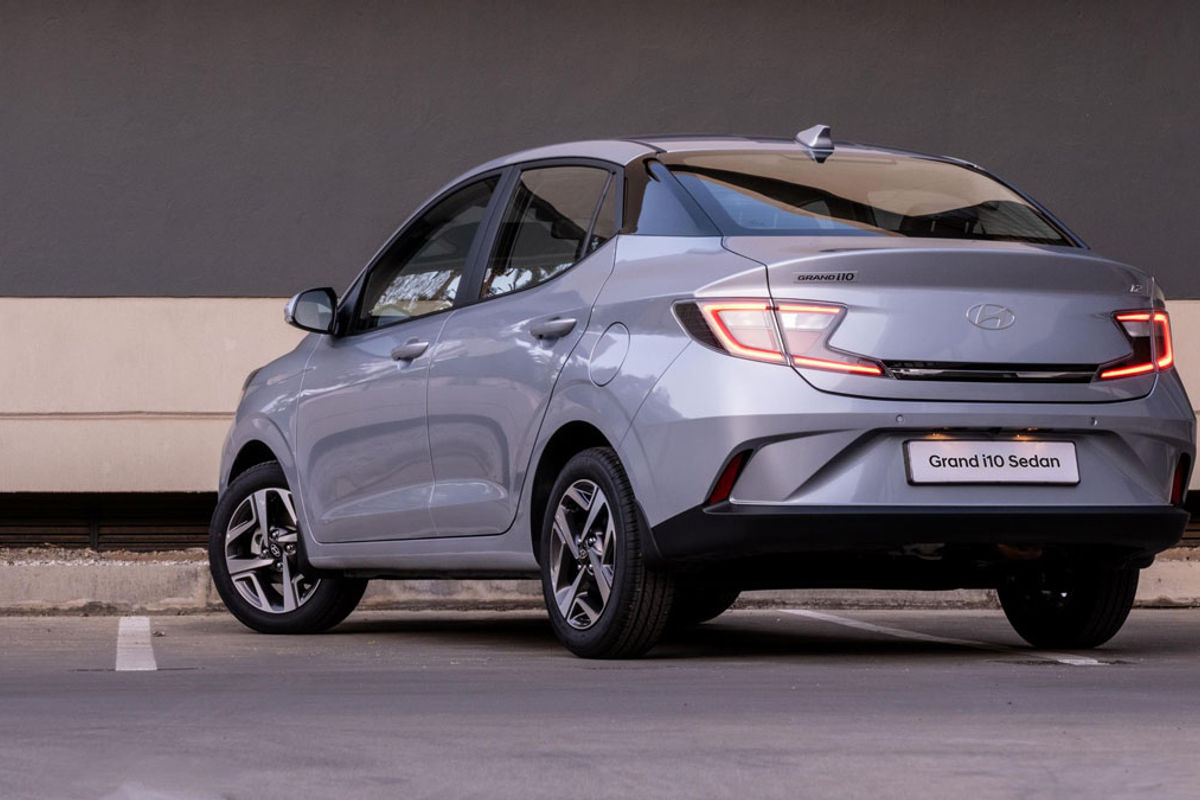
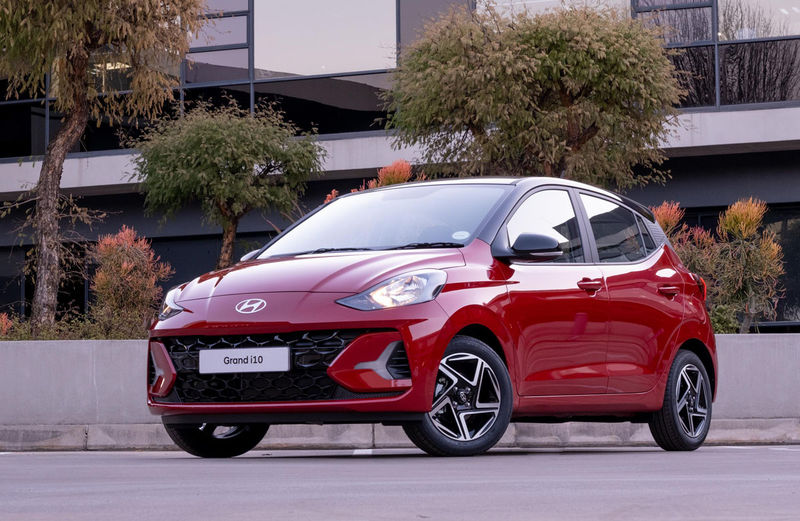
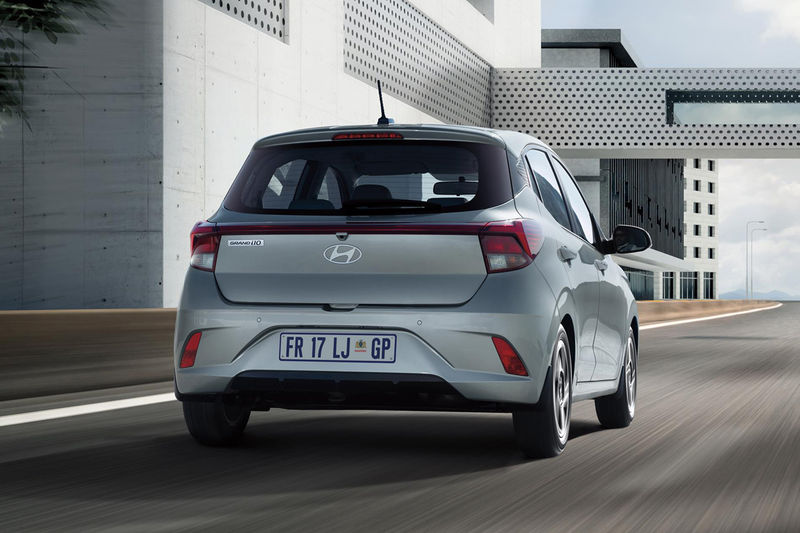
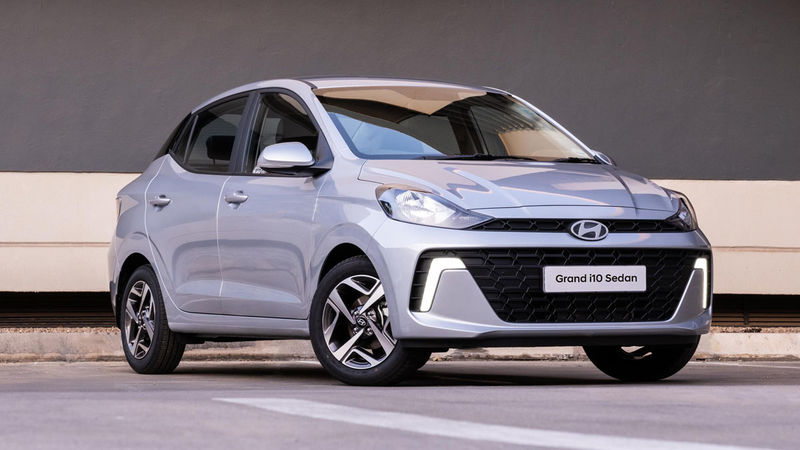
The revised Grand i10 sports a redesigned black grille (with a gloss finish and LED daytime running lights on Executive variants – they’re 3-pointed items on the hatchback and L-shaped arrays on the sedans), plus an updated bumper, while the rear is adorned with a high-mounted stop lamp and revised taillamps.
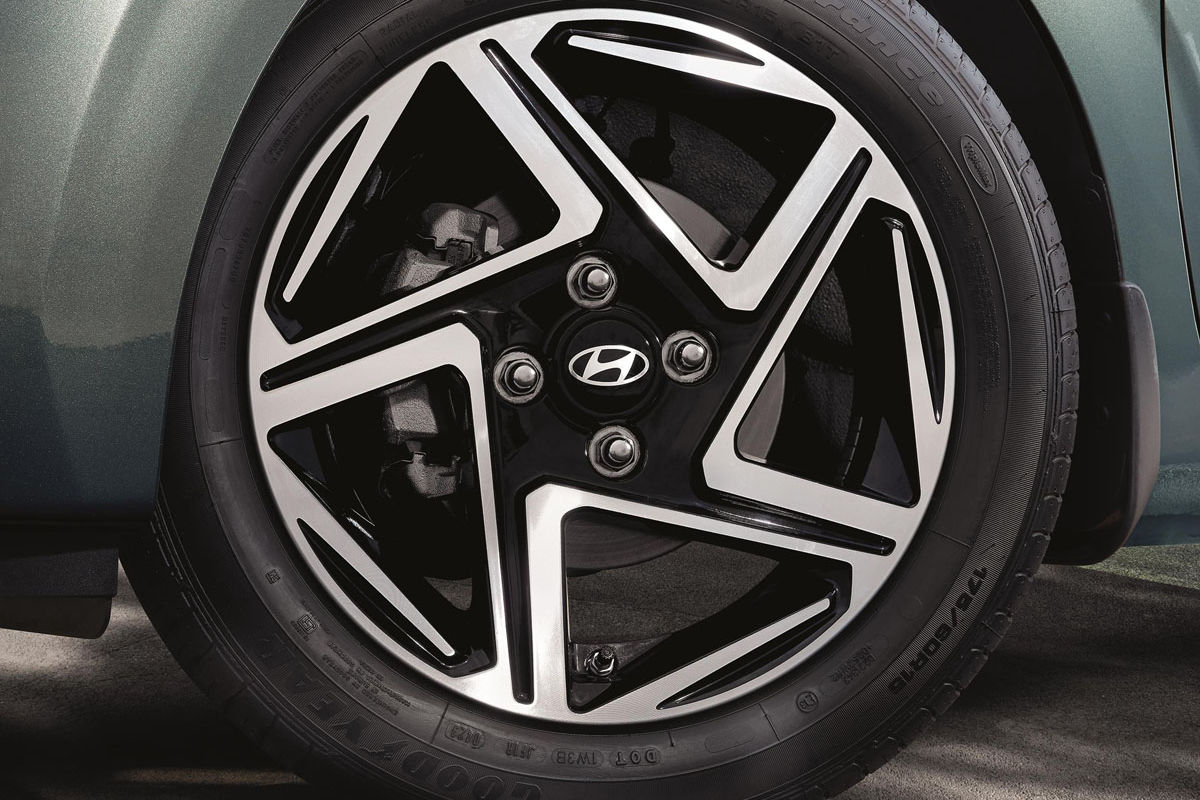
Also, whereas Premium variants have 14-inch wheels (with plastic trims), their Executive counterparts feature 15-inch alloys and integrated repeaters on their heated- and electrically folding side mirrors.
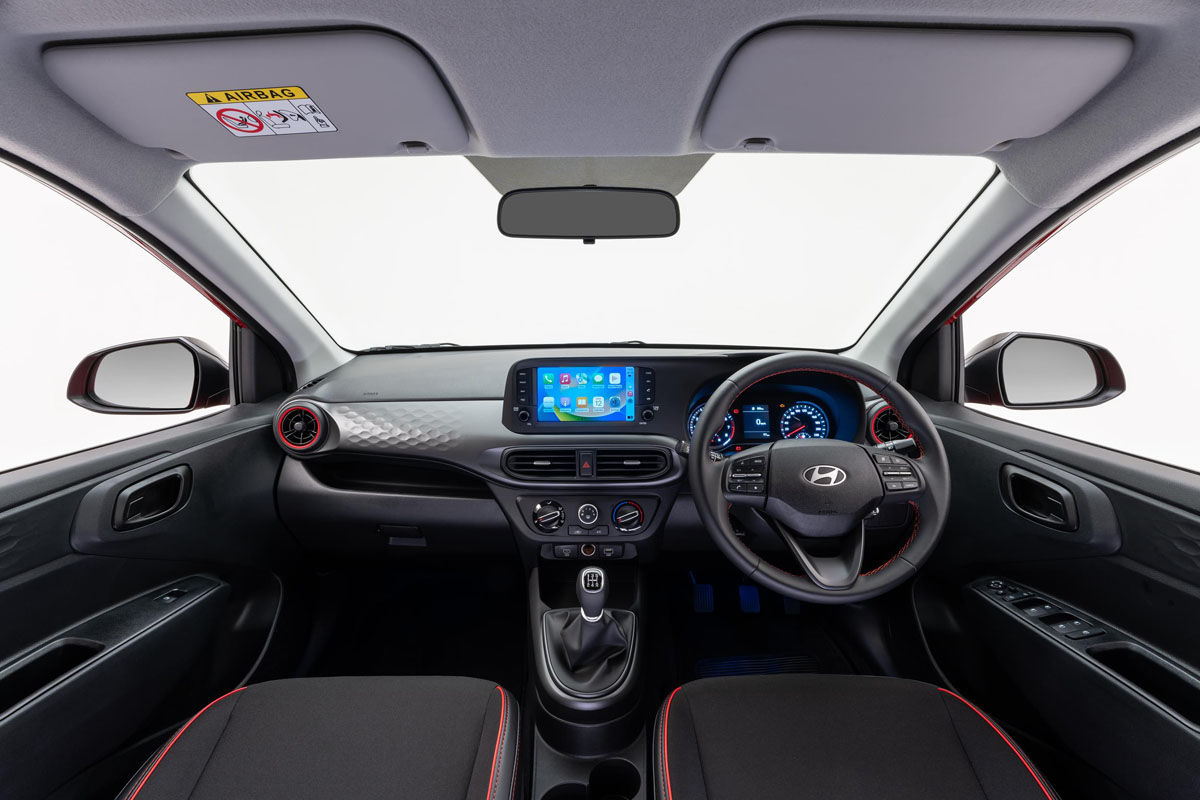
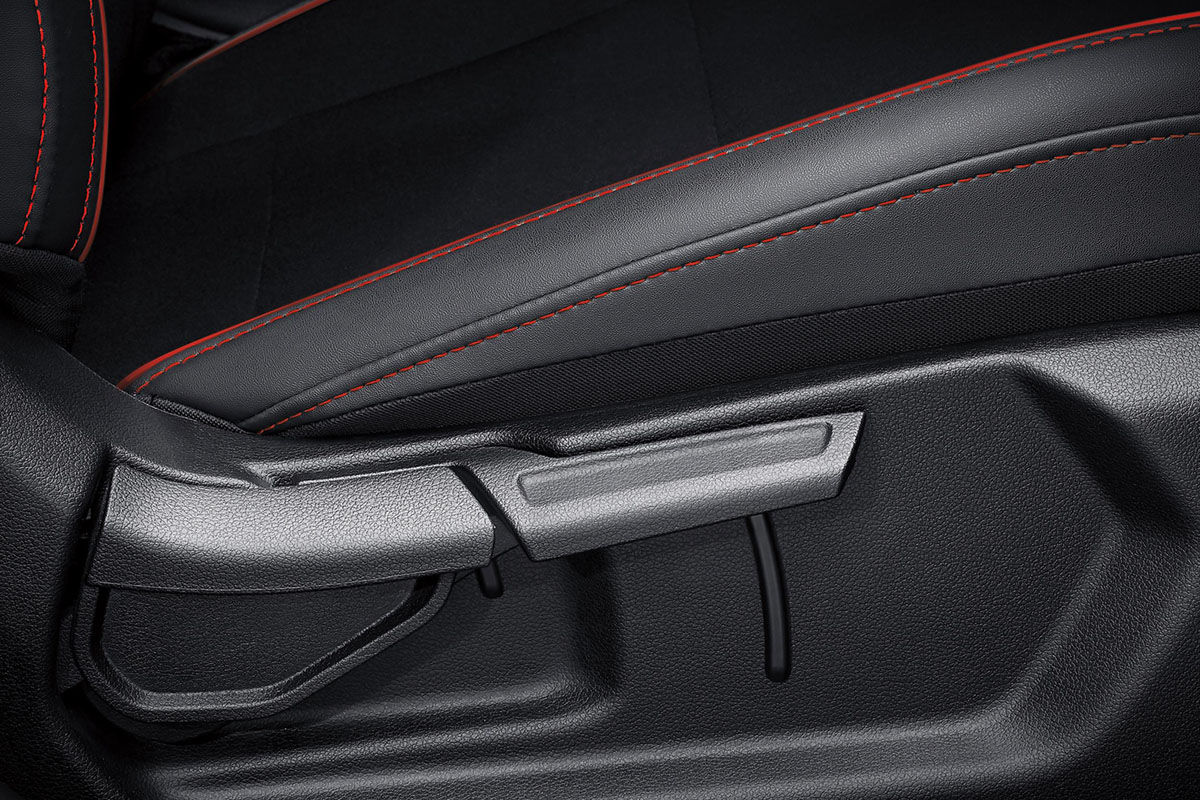
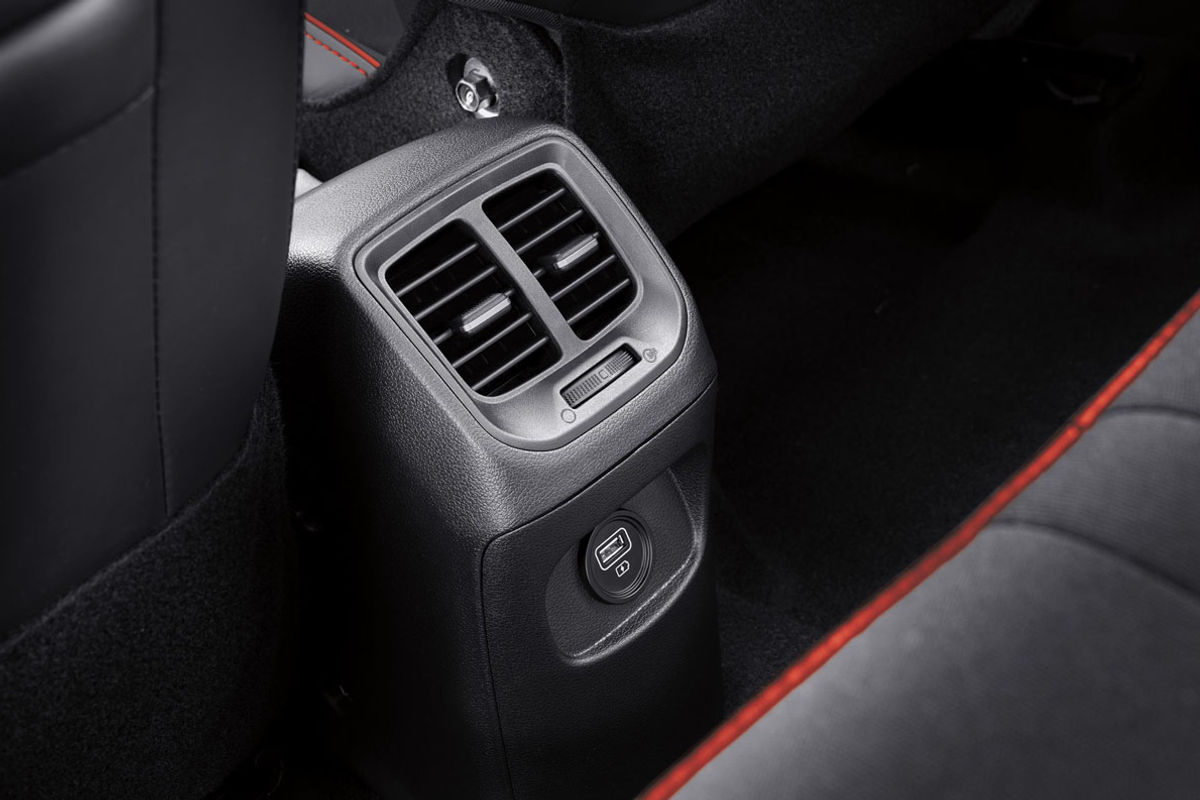
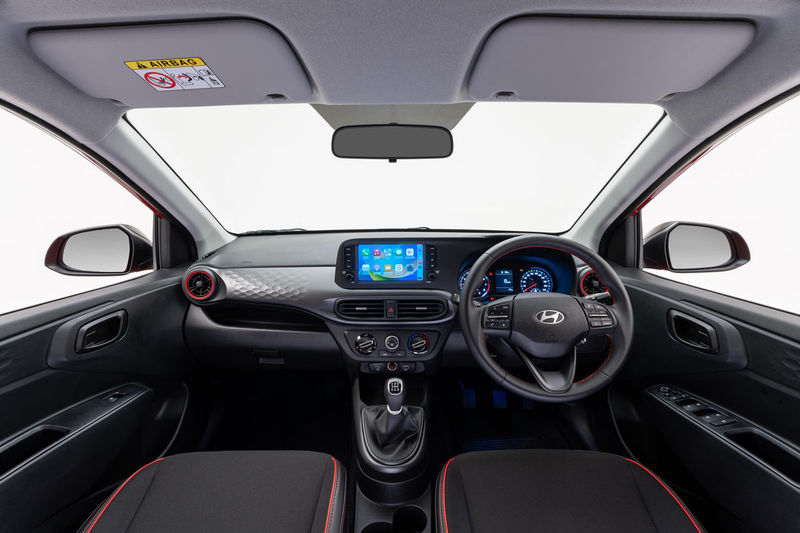
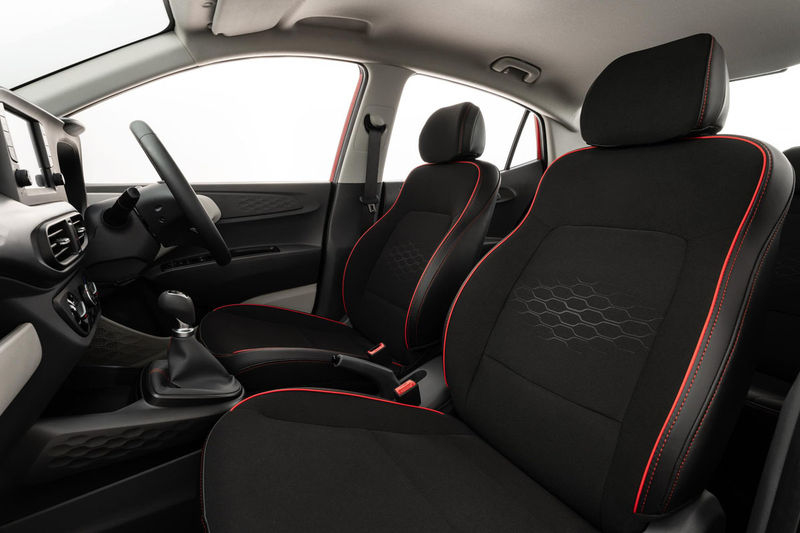
Inside, all facelifted Grand i10 variants have black cloth-and-vinyl upholstery with red accents, a height-adjustable driver’s seat and tilt-adjustable steering column, a multifunction steering wheel, manual aircon, electric windows all round, an 8-inch touchscreen infotainment system (Apple CarPlay/Andriod Auto compatible), a Type-C USB fast charger (front), a reverse-view camera and rear air vents.
As before, the entry-level engine for the hatchback (including the Cargo-badged panel van) is a naturally aspirated 1.0-litre, 3-cylinder petrol motor, which generates an unchanged 49 kW/94 Nm. Drive is sent to the front axle via a 5-speed manual gearbox and the claimed consumption figure is 5.5 L/100 km.
If you want a hatchback powered by the slightly punchier 1.2-litre, 4-cylinder petrol engine, which delivers peak outputs of 61 kW/114 Nm, the 1.2 Premium 5-door is exclusively available in 4-speed automatic guise. Hyundai Automotive SA says the variant will consume an average of 5.9 L/100 km.
Read more: Hyundai i20 (2024) Launch Review
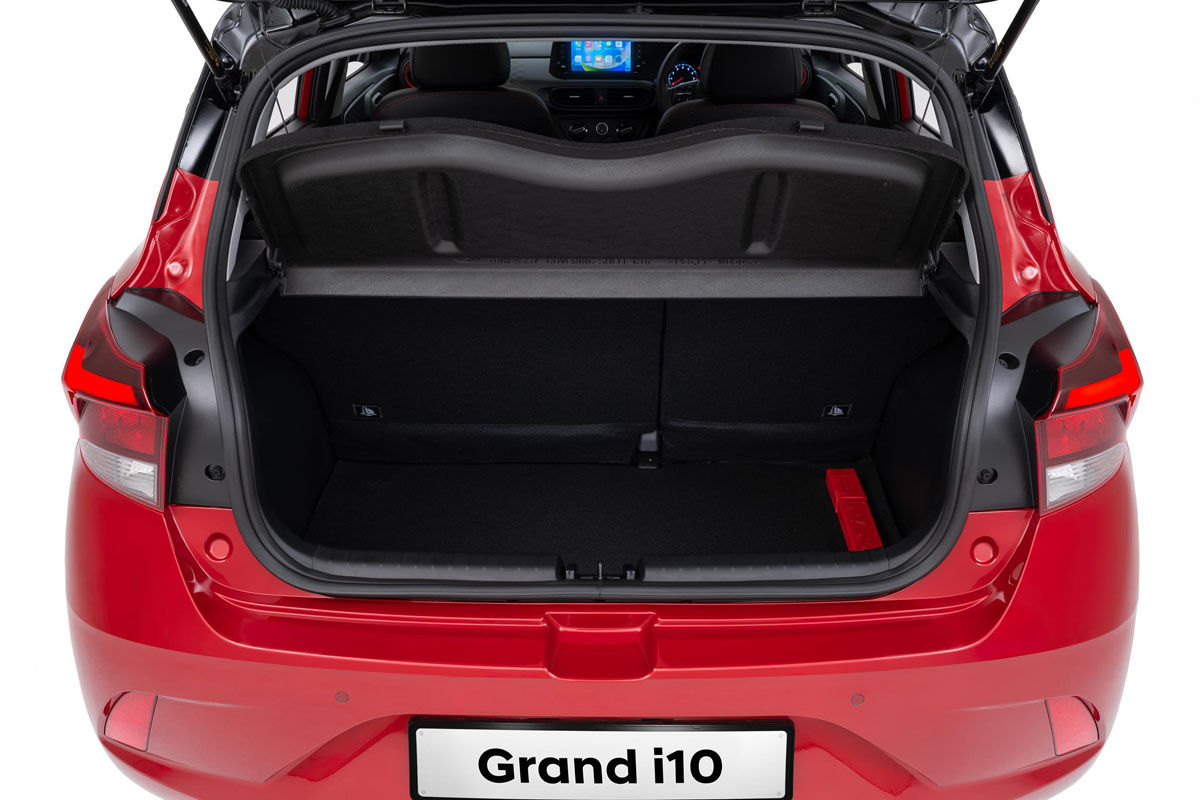
Whereas the pair of Premium-grade Grand i10 hatchbacks come equipped with black side-mirror caps, a multifunction ‘wheel with a polyurethane finish, a 2.8-inch driver info display in the instrument cluster and a folding rear seatback (not split), the 1.0 Executive hatchback (also available with a black roof finish on white, red and green cars) additionally features auto lights, a 3.5-inch TFT display, artificial leather-trimmed ‘wheel and gear-lever boot, one-touch driver’s window, ambient cabin lighting, cruise control, seatback pockets, a 60:40 split rear bench, a luggage net and -hooks, as well as rear park assist.
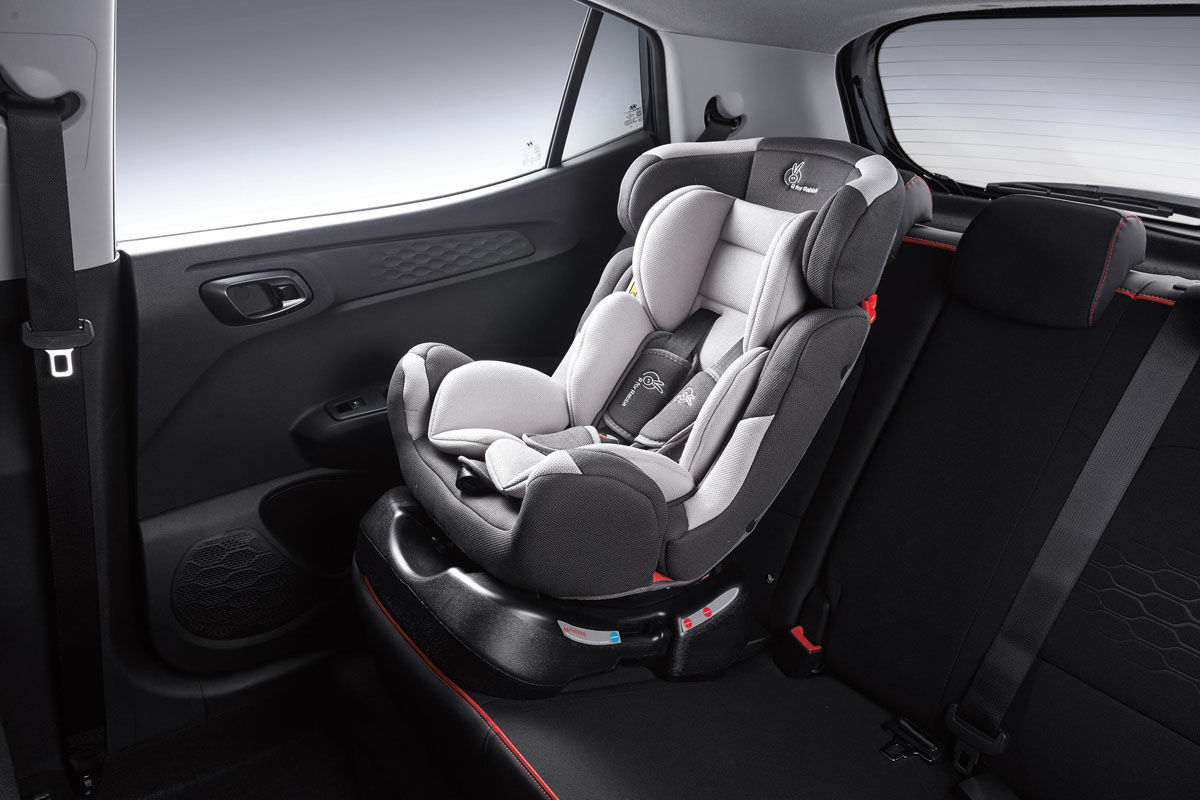
Dual front airbags, ABS with EBD and ISOfix child-seat anchors are standard safety features across the range, though stability control is again not present.
The Grand i10 Sedan is offered exclusively in 1.2-litre Executive guise, which has the same spec level as the 5-door 1.0 Executive, apart from the black roof finish being unavailable (the side mirrors are body-coloured), while the 60/40 split rear bench and luggage net and -hooks are not applicable either.
The 5-speed manual version of the 1.2 Executive sedan is said to consume an average of 5.5 L/100 km, while its 4-speed automatic counterpart has a stated fuel consumption figure of 5.7 L/100 km.
The Grand i10 sedan’s main local competition includes the Suzuki DZire and Honda Amaze, which like the Hyundai each comes in at under 4 metres long and is manufactured in India.
Measuring 3 995 mm from nose to tail, the Grand i10 sedan is around 180 mm longer than its 5-door hatch sibling. While the hatchback’s luggage compartment can swallow a claimed 360 litres, Hyundai lists the sedan’s load-bay capacity at a slightly more generous 402 litres.
How much does the facelifted Hyundai Grand i10 cost in SA?
| Grand i10 1.0 Premium hatch | R224 900 |
| Hyundai Grand i10 1.0 Premium Cargo panel van | R249 500 |
| Grand i10 1.0 Executive hatch | R269 900 |
| Grand i10 1.2 Premium hatch AT | R269 900 |
| Grand i10 1.2 Executive sedan | R279 900 |
| Grand i10 1.2 Executive sedan AT | R309 900 |
The prices above (correct in July 2024) include a 5-year/150 000 km vehicle warranty, a 7-year/200 000 km powertrain warranty and a 1-year/15 000 km service plan.
Related content
Adios, Atos! Hyundai’s cheapest car exiting SA