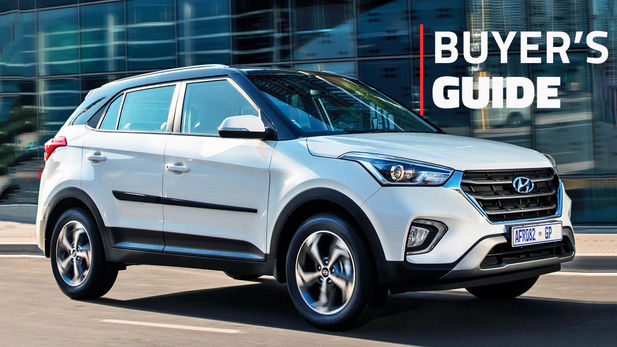
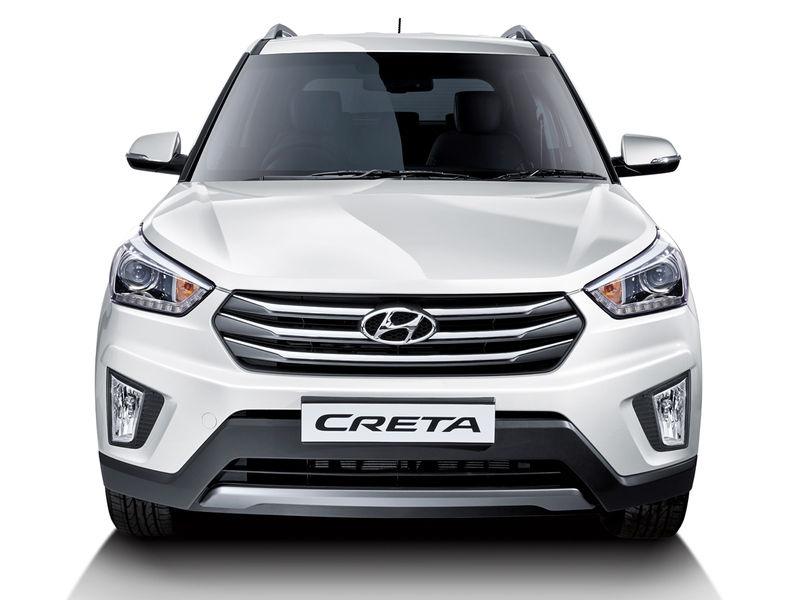
In the market for a staid but sturdy compact family car? Here’s why you might want to consider a used version of the 1st-gen Hyundai Creta, as well as a few negatives to keep in mind…
Whereas models such as the Ford EcoSport and 1st-gen Renault Duster helped to entrench the compact family car segment in South Africa more than a decade ago, Hyundai Automotive South Africa endured a significant gap in its crossover portfolio for several years, leaving the small crossover spoils to its rivals. It must have been a trifle frustrating for the South Korean firm’s local distributor, particularly once a seemingly ideal candidate – the Hyundai Creta – became available in certain other markets.
The original Creta (which wore the ix25 badge in China) hit the world stage in 2014, positioned as a sub-Tucson crossover designed specifically for emerging markets such as India, Brazil and Russia. However, South Africa had to wait a further 3 years for the Chennai-built model to saunter into local dealerships.
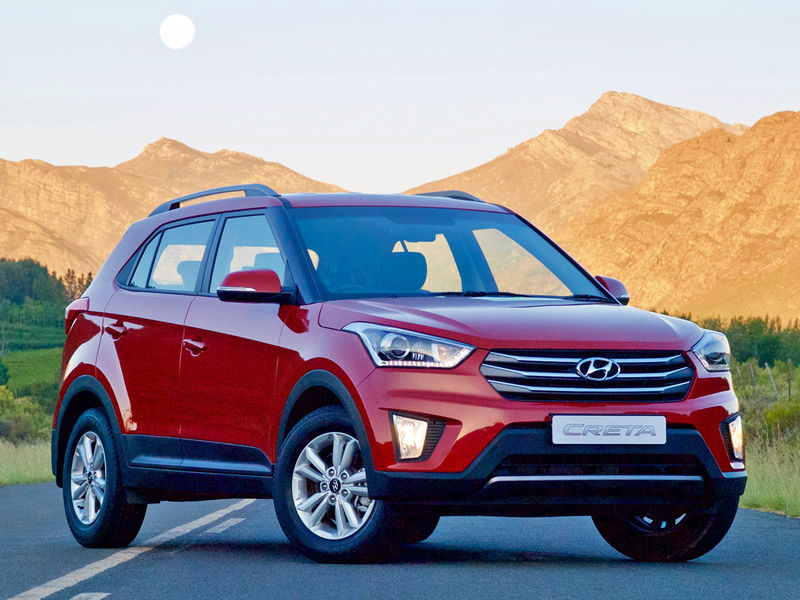
But when it finally did arrive, it became an overnight success, perhaps even surprising Hyundai Automotive SA (originally, the company predicted that the 1st-gen Creta would merely help to grow its market share “through incremental sales”). Despite its local lifecycle lasting for not even 4 years, the GS-series Creta garnered 14 811 registrations in Mzansi, making it 1 of the segment’s most popular options.
This compact family car was named after the Greek island of Crete, in line with Hyundai’s strategy of christening its crossovers in honour of well-known places (think Tucson, Santa Fe and Kona). However, it wore the “Cantus” badge in the Dominican Republic, where “creta” is said to be a, well, rude slang word.
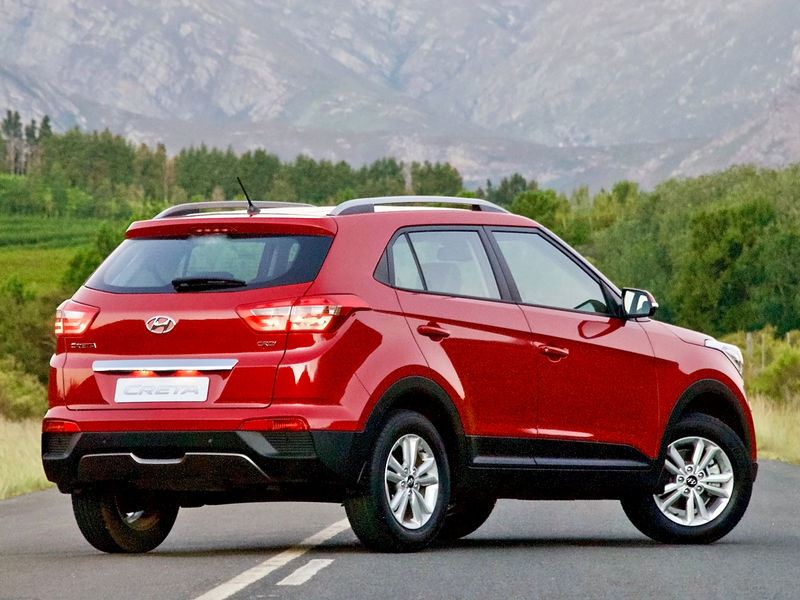
Another fun fact: though the original Creta and initial examples of the 2nd-gen model sold in South Africa were sourced from India, the SU2 version currently on the market in Mzansi is imported from Indonesia.
Hyundai Creta model line-up in South Africa
In April 2014, Hyundai whipped the wraps off the ix25 Concept at the Beijing International Automotive Exhibition (motor show). The production version hit the market in China a few short months later, while the Indian-spec version started to roll off the South Korean brand’s Chennai assembly line in 2015.
The Creta was finally launched in South Africa in February 2017. Although the local line-up featured just a single trim level, buyers could choose between a naturally aspirated petrol engine (codenamed G4FG – from the Gamma family), paired with either a 6-speed manual gearbox or a 6-speed automatic transmission, or a turbodiesel motor, mated with the latter. All 3 derivatives were front-wheel drive.
- Creta 1.6 MPI Executive 6MT (90 kW/150 Nm)
- Creta 1.6 MPI Executive 6AT (90 kW/150 Nm)
- Creta 1.6 CRDi Executive 6AT (94 kW/260 Nm)
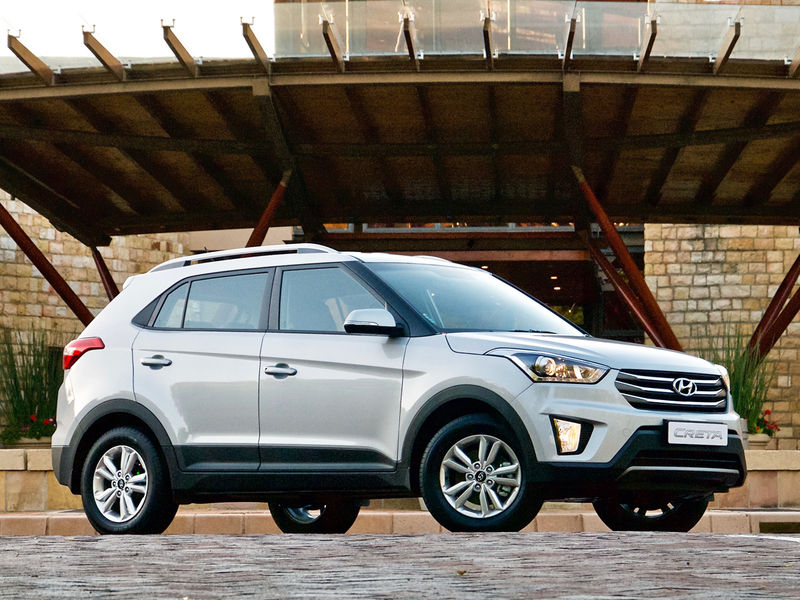
The Creta’s belated arrival meant South Africa didn’t have to wait long for the facelifted version to touch down. In August 2018, the refreshed model hit the local market, sporting the latest version of Hyundai’s signature “cascading” grille, a redesigned front bumper (now with silver-painted sections), updated front foglamps (framed by LED daytime running lights) and a set of lower-profile roof rails.
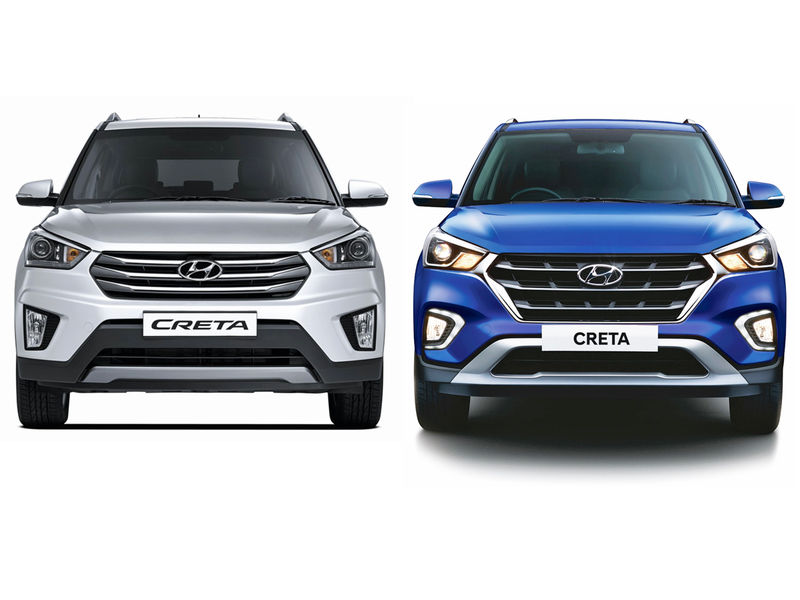
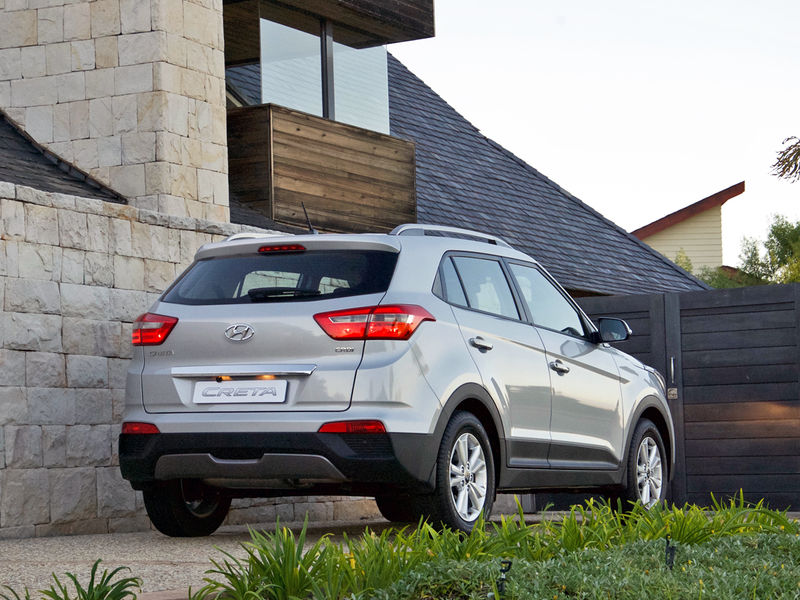
Round back, the midcycle update included a tweaked taillamp design, the repositioning of the bumper’s reflectors and a chunkier faux skidplate. A new alloy-wheel design completed the overhaul, while no substantial changes were made to the cabin. The powertrain line-up was also carried over unaltered.
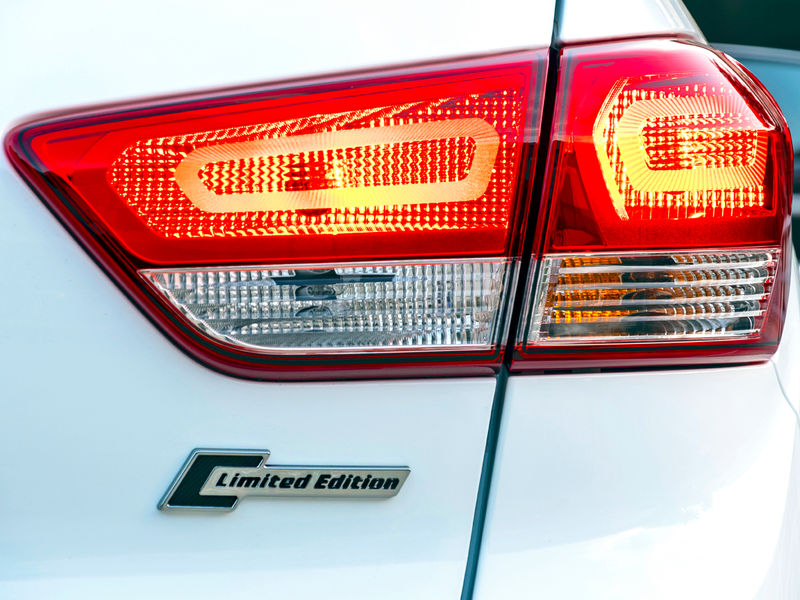
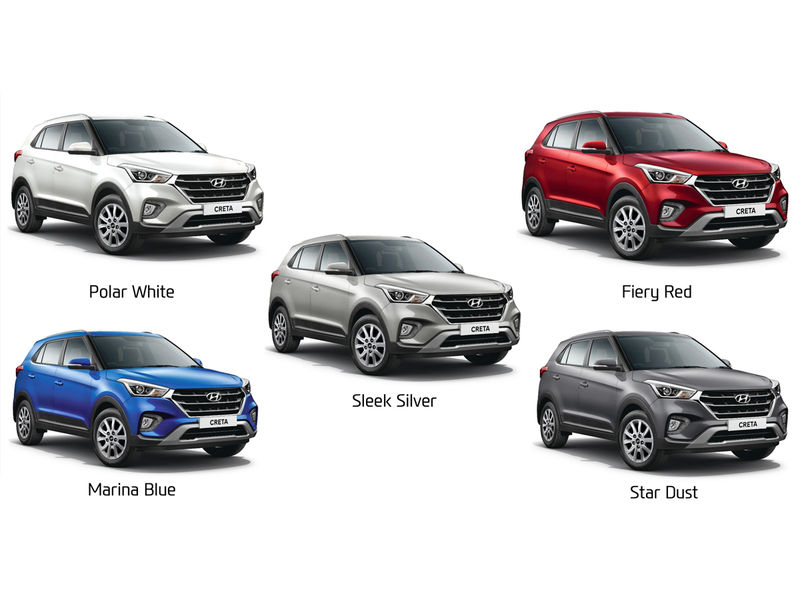
In May 2019, Hyundai Automotive SA released 500 units of a new Limited Edition specification, which was available for any of the 3 derivatives. Offered exclusively in Polar White exterior paint with a black roof, these variants featured a “Limited Edition” badge on the tailgate.
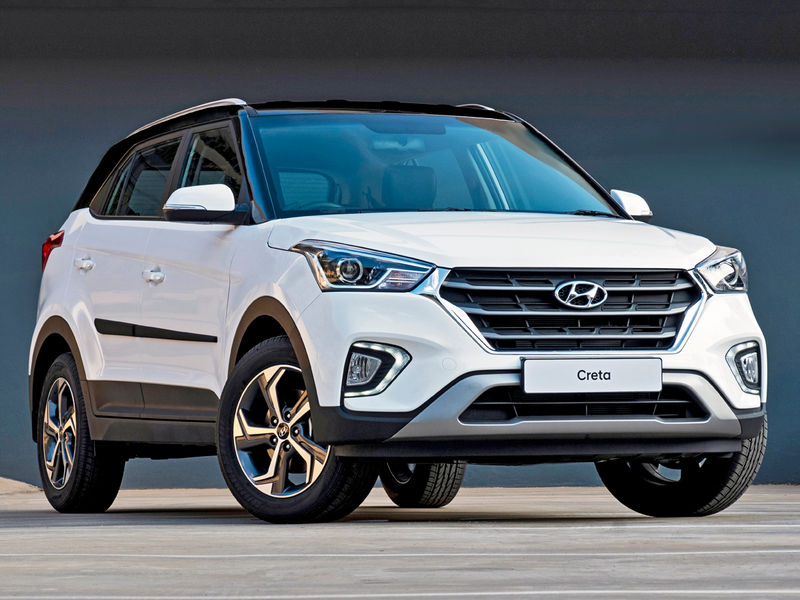
The Limited Edition units furthermore scored 2-tone 17-inch rims, black-and-red leatherette upholstery (as opposed to the standard black-and-grey colour scheme), subtle red trim on the dashboard and an upgraded infotainment system, complete with Apple CarPlay and Android Auto.
About 18 months later (in December 2020), the 2nd-gen Creta made local landfall, featuring a far more divisive exterior design than its comparatively staid predecessor, along with a trio of new engines and as many as 4 transmission choices. And so ended the 1st-gen Creta’s local run.
What are the Hyundai Creta’s strengths?
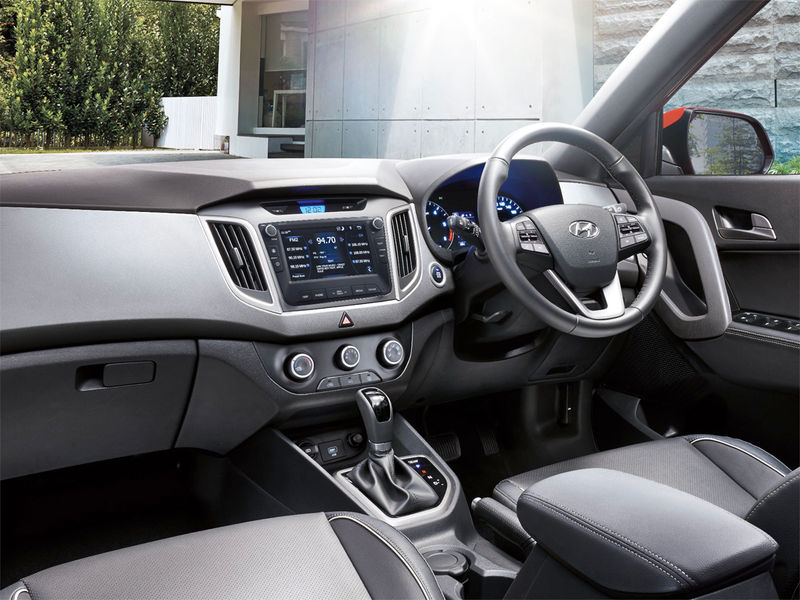
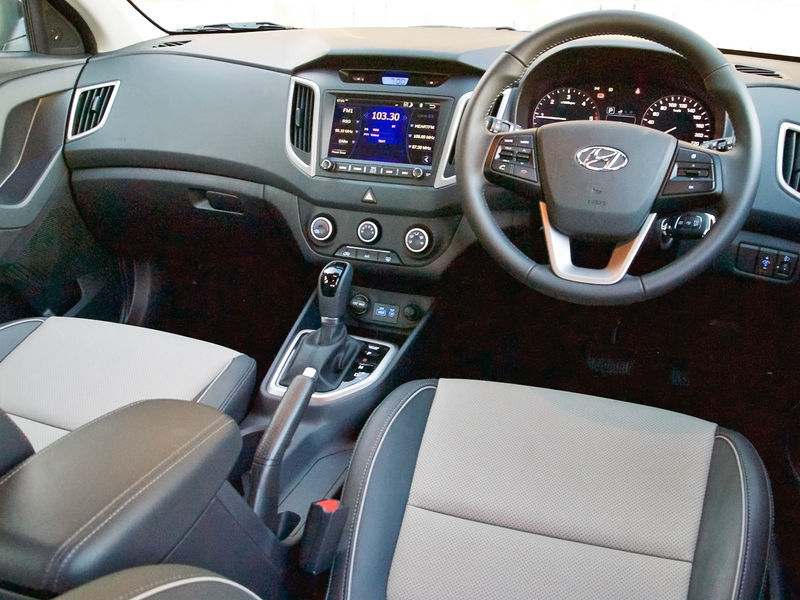
Cabin simplicity and durability: Though the 1st-gen Creta’s cabin featured a smattering of hard plastics, everything felt solidly screwed together, lending the interior a real sense of durability. In line with this 5-seater small crossover’s restrained exterior styling, the cabin’s design wasn’t especially exciting, but it was certainly ergonomically sound. There was generous space on offer, with rear passengers enjoying plenty of legroom; the load bay, in turn, was said to be capable of swallowing a claimed 402 litres.
Option of a turbodiesel engine: Only a handful of contenders in this market segment were available with turbodiesel power, with most models offered exclusively in petrol guise. Although the 1.6 CRDi was the priciest of the 3 Creta derivatives, it rewarded its owner with handy levels of twisting force (peak torque of 260 Nm arrived at 2 750 rpm) and the potential for wallet-friendly fuel economy.
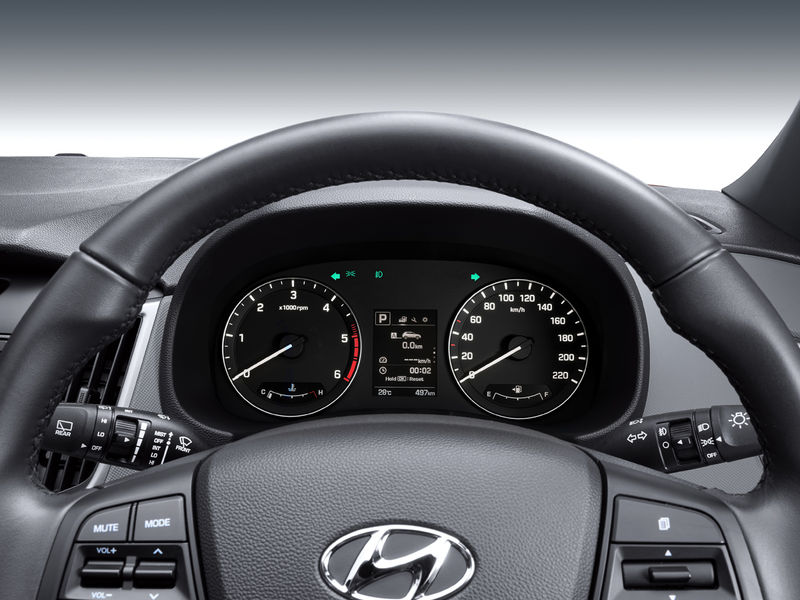
Indeed, despite Hyundai’s combined-cycle fuel-economy claim of 7.4 L/100 km, it was entirely possible to achieve a real-world figure in the mid-6 range without much effort. However, keep in mind that this long-in-the-tooth engine – which conformed only to “ancient” Euro 2 emissions standards – wasn’t the most refined powerplant, particularly when cold (when the typical diesel clatter was at its most obvious).
Well-resolved ride quality: Sporting conventional MacPherson struts up front and a torsion-beam suspension setup at the rear, the Creta delivered a particularly well-resolved ride quality. The plump tyres – all derivatives rode on 205/65 R16 rubber – certainly added to the feeling of pliancy.
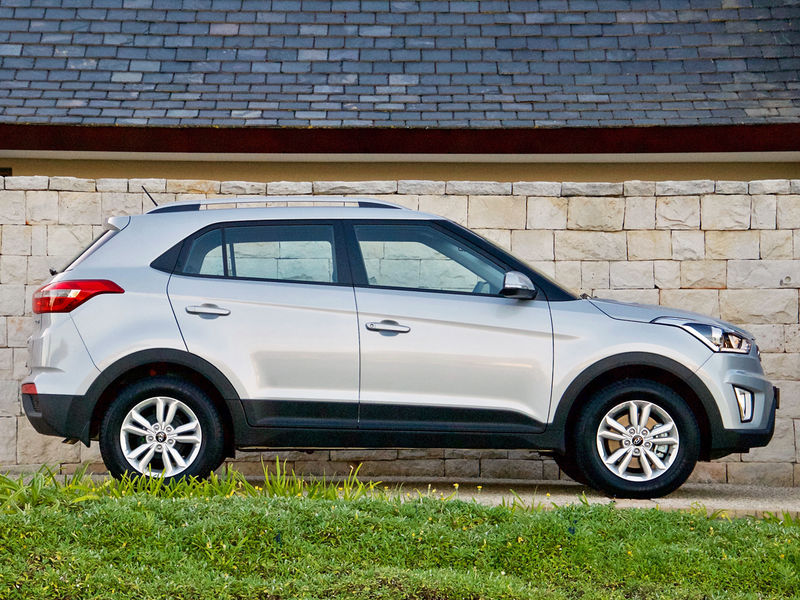
In addition, the 190 mm of ground clearance allowed drivers of this compact family car to confidently tackle gravel roads. Furthermore, despite featuring a loftier ride height than the Tucson of the era, the original Creta felt stable through sweeping corners, exhibiting generally predictable road manners.
What are the Hyundai Creta’s weaknesses?
Iffy infotainment system: Unfortunately, the 8.0-inch colour touchscreen positioned in the centre of the 1st-gen Creta’s fascia felt decidedly “aftermarket”. Indeed, it wasn’t up to the standards of the infotainment system available in European-built Hyundai models and, though crammed full of weird and wonderful features, was often frustratingly slow to respond to inputs.
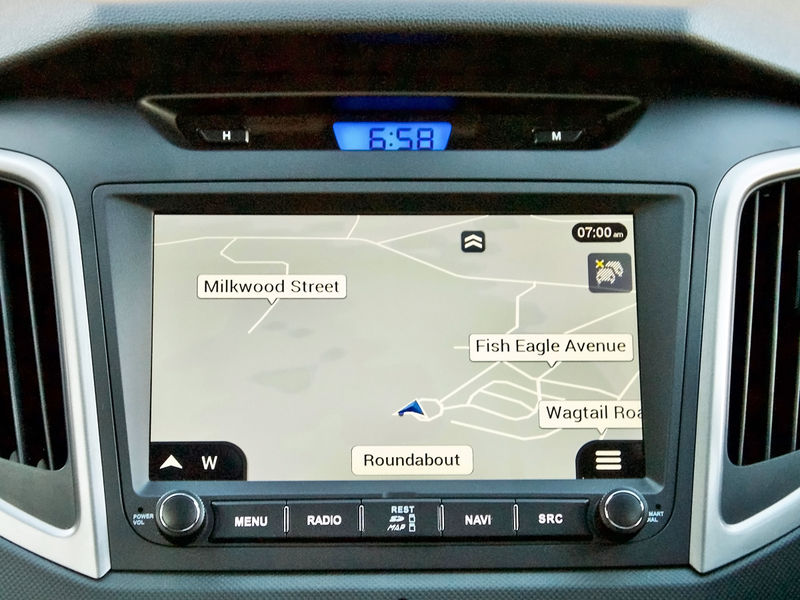
In addition, the glossy screen was downright impossible to read in bright sunlight, while owners of early models reported various system glitches (though this was usually solved with a software update at the dealer). Finally, we’ve heard of – and indeed experienced – the occasional loss of video signal from the standard reverse-view camera.
Some missing features: Though the single trim level included several useful features (such as height-adjustable front seats, leatherette upholstery, rear parking sensors, static bending headlamps and air-con vents for the rear passengers), it was also missing a few key items. For example, the steering column lacked reach adjustment, which made it tricky for taller drivers to dial in the perfect seating position.
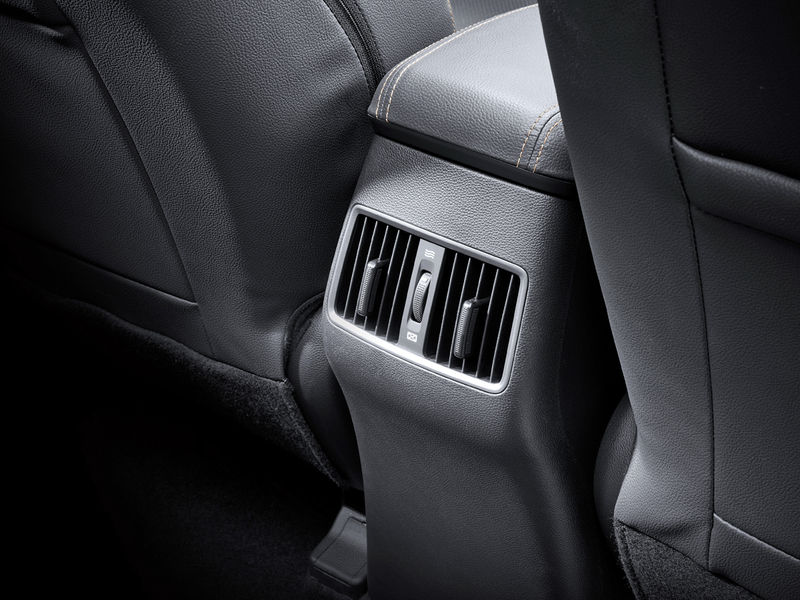
Moreover, the GS-series Creta made do with manual aircon rather than climate control and did without cruise control. Though the list of safety features included 6 airbags, electronic stability control was sadly nowhere to be seen, while the centrally seated rear passenger was forced to endure a lap belt.
Miscellaneous issues: As with the IB-series i20 hatchback, Creta units finished in Polar White were known to suffer from flaking and peeling paint (also described as “paint delamination”). While Hyundai Automotive SA never publicly acknowledged this as a factory fault, we have heard of several instances of the South Korean brand’s local distributor covering repairs, or at least contributing to the cost thereof.
Our research also led us to seemingly widespread claims in India that the 1st-gen Creta was afflicted with a braking issue, apparently linked to a faulty ABS sensor. However, despite searching high and low, we could find no concrete evidence of such incidents here in South Africa.
How much is a used Hyundai Creta in South Africa?
The 1st-gen Creta shipped standard with Hyundai’s 5-year/150 000 km manufacturer’s warranty as well as a generous 7-year/200 000 km powertrain warranty. In addition, the purchase price included a 5-year/90 000 km service plan, with services scheduled at 15 000-km intervals.
Approximately 26% of the GS-series Hyundai Creta models listed on Cars.co.za at the time of writing were turbodiesel variants, while the automatic gearbox was the most prevalent transmission, accounting for nearly 60% of vehicles. No examples of the Limited Edition were for sale at the time of writing.

Unusually, listings were surprisingly evenly spread across the 4 model years, with 2018 slightly ahead on 26%. Indicated mileages varied from just 22 000 km (on a 2020 1.6 MPI AT) to 277 000 km (clocked up by a 2019 1.6 MPI MT). We also discovered a 2018 1.6 CRDi AT that travelled well beyond 200 000 km.
- Below R200 000: All listings below this mark – bar a 2019 example that had been subjected to questionable exterior styling tweaks – were from the opening model year. Predictably, we found only petrol-fed derivatives here, though both manual and automatic transmissions were on offer.
- From R200 000 to R250 000: About 43% of listings were squeezed into this relatively narrow price bracket, where both petrol and diesel variants were available. Most examples were from the 2017 and 2018 model years, with the majority showing 6-figure kilometre readings on their odometers.
- R250 000 to R300 000: These pricing bookends likewise housed approximately 43% of listings, though the turbodiesel engine was slightly less prevalent here. In contrast with the bracket above, this space favoured the latter 2 model years, while mileages tended to be well below 100 000 km.
- R300 000 and up: Beyond the R300k mark, we found a small collection of 2020 models (both petrol and diesel), with most showing under 50 000 km on their odometers. The most expensive GS-series Creta we found was a 2020 1.6 CRDi with 29 600 km on the clock, priced at R349 990.
Which Hyundai Creta derivative should I buy?
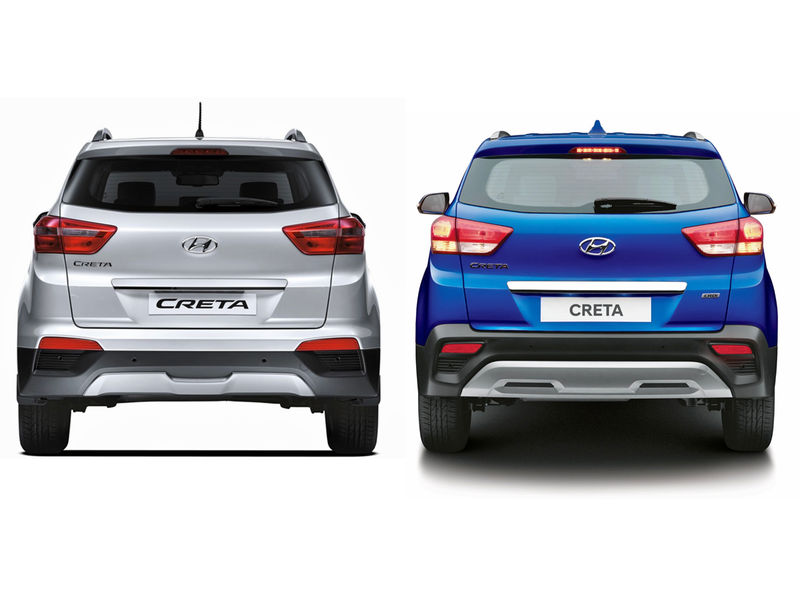
So, which version should you consider? Well, apart from what suits your pocket, decide which design appeals to you most: the original or the facelift. Since the 1st-gen Hyundai Creta was available exclusively in the Executive trim level, buyers then need only determine their preferred powertrain.
Though the naturally aspirated 1.6-litre petrol motor wasn’t quite as lacklustre as you may think (well, not in the denser air at the coast, anyway), we’d argue that the auto-equipped turbodiesel offered the best overall ownership experience. Not only was it capable of delivering more manageable monthly fuel bills, but it also served up far more low-down torque (the petrol unit’s peak twisting force of 150 Nm arrived at a lofty 4 850 rpm, after all), making it an eminently more tractable – if notably noisier – engine.
As an aside, it’s worth noting that at launch, the diesel-driven Creta derivative was priced dangerously close to the base Tucson, which offered more space and, arguably, more style. By the time the facelift was introduced, the Creta 1.6 CRDi Executive cost exactly the same as the Tucson 2.0 Premium (of course, the latter was petrol-powered, had less standard kit and employed a manual gearbox).
Is the Hyundai Creta a worthwhile used purchase?
While the Hyundai Creta faced several rivals – ranging from the likewise Indian-built Kia Seltos to the LY-gen Suzuki Vitara (imported from Hungary) and perhaps even the RU-series Honda HR-V – during its time on Mzansi’s new-car market, few were available in turbodiesel form.
In fact, the list of competing oil-burners was limited to the (smaller) B515-gen Ford EcoSport 1.5 TDCi, the HM-series Renault Duster 1.5 dCi and the (larger) J11-gen Nissan Qashqai 1.5 dCi. In short, shoppers in this segment had very little choice when it came to turbodiesel-engined compact family cars.
In a way, that helped the GS-series Hyundai Creta to stand out in the small crossover swarm. Though it certainly wasn’t the most stylish contender in its class, those who could look past the relatively staid exterior design found a practical, comfortable and ultimately well-built offering. Largely fuss-free and unpretentious, it’s hardly surprising that the 1st-gen Creta was an overnight success in South Africa.
Looking for a used Hyundai Creta to buy?
Looking to sell your car? You can sell it to our dealer network here
Ryan Bubear

Having written about everything from sport and politics to crime, Ryan eventually settled on motoring. For well over 15 years, he's been penning articles – both online and in print – about the broader automotive industry, though he's particularly fascinated by vehicle-sales statistics. A freelance writer and editor, Ryan has owned a 1971 Austin Mini Mk3 for 20-plus years.