From commuting to work to heading out on a weekend road trip, a driver’s licence is your ticket to freedom. But first, you have to pass the K53 driving test – and no one wants to do that twice. Here’s your must-know cheat sheet.
You’re legally an adult, with new freedoms such as the right to vote and, for work or play, the chance to get your car licence. The latter comes with a catch: you’ll have to pass your driving test first. Plenty of practice helps, but so does knowing what to expect and which mistakes could send you home empty-handed.
Essential K53 preparation: requirements, documents & prerequisites
Your pre-test preparation is about more than perfecting your parallel parking. Get the paperwork and vehicle requirements sorted, too.
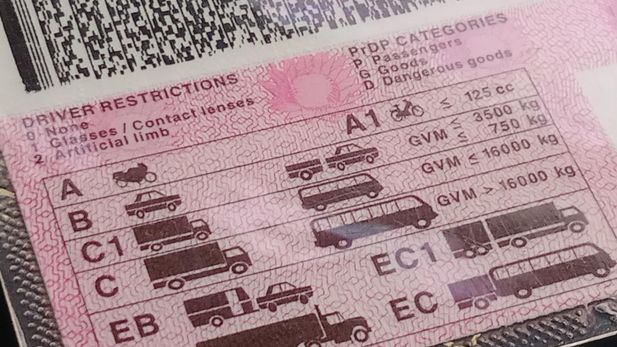
Your learner’s licence must be valid, and both it and your test booking must cover the vehicle you’ll use. Code B (still commonly called Code 8) covers light motor vehicles with a gross vehicle mass of no more than 3 500 kg. Code C1 (Code 10) covers heavier vehicles up to 16 000 kg. Don’t arrive with a vehicle that falls outside the category you’re permitted to drive.
You’ll need a DL1 application form, your identity document and proof of residential address. Ask your testing centre whether it requires certified copies and how recent your proof of address must be.
You’ll also need an eye test, either at the testing centre or through a qualified optometrist who can complete the required form. Take identical black-and-white ID photographs, too – confirm the number with your centre before having them taken, rather than waiting until you’ve passed.
How to book your K53 driving test: a step-by-step guide
To book your driving test, check the process at your chosen driving licence testing centre (DLTC). Online bookings are available via the NaTIS website where the service is offered; elsewhere, you may need to book in person. Gauteng applicants should use the online service.
Next comes payment. Follow the deadline on your booking confirmation: reserving a slot doesn’t mean you can leave payment until test day.
Check which payment methods your centre accepts before you go. If cash is an option, it may save you a wasted trip when the card-payment system is offline.
Take your ID, valid learner’s licence, proof of address and any other documents your centre requests when you confirm and pay for the booking.
Keep your booking receipt safe – it’s your admission ticket to the test, with confirmation of the date and time. Bring it along with your learner’s licence on the day.
Need to change or cancel your appointment? Contact your DLTC as soon as possible to check the procedure and whether any fees are refundable. Don’t assume a missed appointment will be refunded.
Master the yard test: parallel parking, alley docking & incline start

The yard test comes first. For a light motor vehicle, it includes the pre-trip inspection, parallel parking, alley docking, a 3-point turn and the dreaded incline start. You have 20 minutes of stopwatch time to complete the inspection and manoeuvres, with a maximum allowance of 50 penalty points. Exceed either limit, or commit an immediate-fail error, and your test ends there.
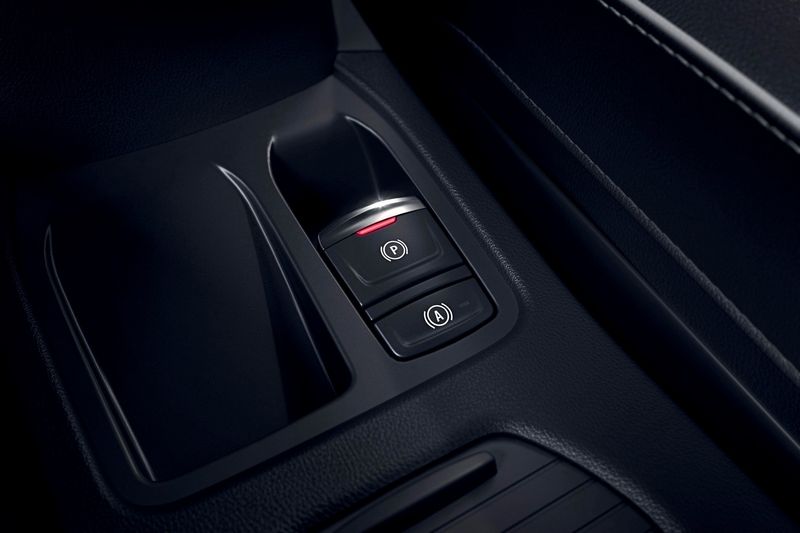
During the pre-trip inspection, you’ll demonstrate that the vehicle is safe to drive. Work through the exterior and interior checks you’ve practised with your instructor, including the tyres, lights, indicators, licence disc, seatbelts and handbrake.
Make the checks visible and explain what you’re checking. For example, inspect the tyre tread and wheel nuts rather than simply reciting that they’re fine.
Check beneath the vehicle for signs of leaks. Don’t turn the inspection into a full service: follow the prescribed K53 checks you’ve learnt.

Ditto the cockpit. Get into the driver’s seat and talk the examiner through your checks and adjustments: seat, mirrors, seatbelt, handbrake and gear lever. Make sure there are no loose objects in the footwell.
Check the controls and equipment as required, including the lights, wipers and hooter. Make each check clear to the examiner.
A deliberate walkaround, with clear checks and commentary, beats a standing recital. Missed checks can add penalty points; an unroadworthy vehicle could send you to the cooldrink dispenser early.
Then it’s time for the manoeuvres. Practise parallel parking, alley docking, the 3-point turn and the incline start until you can perform them calmly – with the required observations and signals, not just neat steering.
The K53 road test: avoid common instant fails & critical mistakes
Pass the yard test and you’ll head onto public roads. The road test lasts between 20 and 45 minutes and assesses your vehicle control, observations and response to real traffic. Not every mistake means an instant fail, but don’t treat the penalty-point allowance as permission to be careless. Serious errors across the yard and road tests include:
- Rolling backwards during the incline start.
- Mounting a kerb or striking a boundary marker during a yard manoeuvre.
- Disobeying traffic signs, signals or road markings.
- Driving dangerously or causing a collision.
Missing a blind-spot check or signal can attract penalties; if your actions create danger, the consequences can be more serious. Master the K53 observation and signalling sequence for each manoeuvre rather than relying on a one-size-fits-all routine.
In a manual car, get comfortable with the gearbox and clutch, too: choose the right gear and avoid coasting, stalling or riding the clutch. The aim is safe, controlled driving – not merely keeping the examiner’s pen still.
Driving test reference & cost summary
| Stage/expense | Indicative cost range | Payable to | Required documents | Timelines & deadlines |
| Test booking fee | R135–R250 | DLTC/eNaTIS | ID, valid learner’s licence, proof of address, DL1 and photos as required | Pay by the deadline on your booking confirmation |
| Licence issuing fee | R140–R250 | DLTC counter | ID, proof of passing and photos as required by the centre | Pay after passing to obtain your temporary licence while awaiting the card |
| Optometrist eye test | R0–R150 | Private optometrist | ID and the required eye-test form | Confirm the centre’s requirements for accepting an optometrist’s result |
| Professional lessons | R200–R400 per hour | Driving school | Valid learner’s licence | Agree a practice plan with your instructor; readiness matters more than a fixed number of hours |
| Test-day vehicle hire | R600–R1 200 | Driving school | Booking agreement with the driving school | Confirm whether the quote includes a warm-up drive and transport to the DLTC |
Got your licence? Now get better: What are advanced driving courses?
Cars.co.za

Providing you with the latest motoring news, new car releases and the simplest way to buy and sell cars.