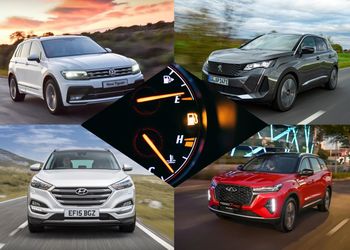
EV, PHEV, REEV and ICE… What do these acronyms actually mean? If you’ve only driven petrol or diesel before, here’s a simple breakdown of electric and hybrid vehicles, and how to choose the right one.
Think about it: from smartphones to AI and social media algorithms, the greatest irony of the digital age is that even if technological advancements are intended to simplify our lives, they are best optimised only through a rich understanding of their inner workings.
It’s no different with modern-day electric vehicles. An insight into how each type works will help you decide which electric vehicle you should buy; or whether you should stick to the Hydrocarbon Age in your ICE-driven model.
What’s the difference between EV, PHEV & REEV?
Before electrification came along, all cars were solely powered by internal combustion engines (ICE) burning fossil fuels like petrol and diesel. Over time, they’ve gotten a bad reputation as drivers of climate change (although, contrary to popular opinion, they are far from the single-greatest contributor).
Eventually, car companies caved to the growing awareness and relentless social pressure, giving rise to a cleaner take on the genre. When the propulsion of a traditional combustion engine is complemented by electricity, the former does less work and produces correspondingly less harmful emissions. Hence the birth of the hybrid, today iconised by the birth of the self-charging (through coasting and braking) Toyota Prius in the late 1990s. Eventually, Toyota added a suite of hybrids to its stable in the form of such models as the RAV4, Corolla, Corolla hatch and Cross.
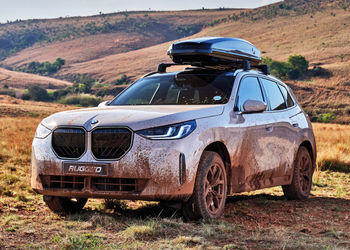
In the market? Buy a BMW X3 30e xDrive on Cars.co.za
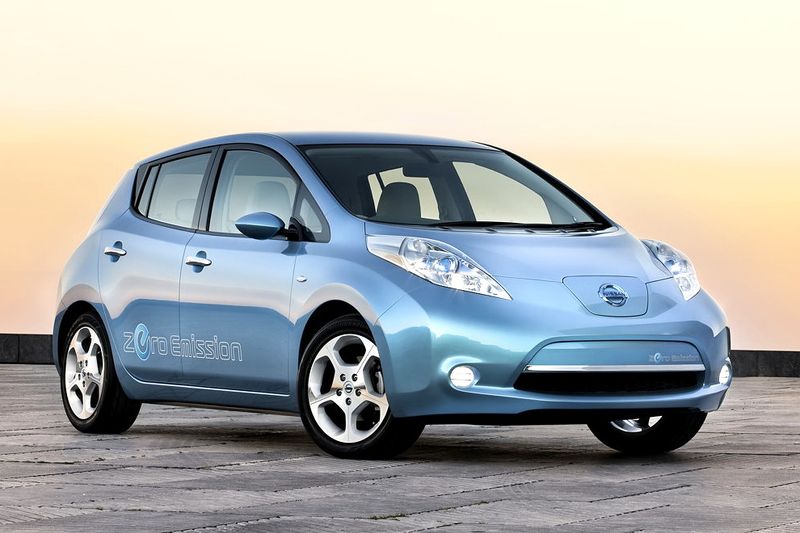
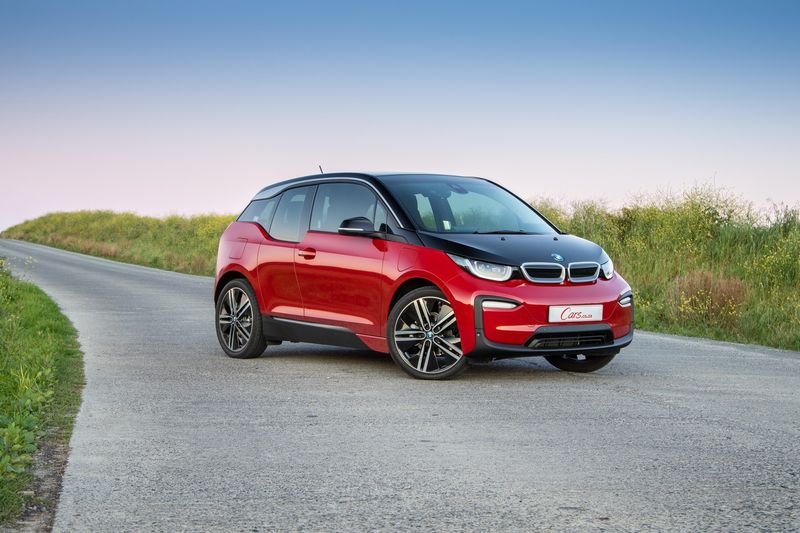
Locally, early electric vehicles (EVs) such as the Nissan Leaf, BMW i3 and Jaguar I-Pace were configured as plug-in-powered only, or battery-electric vehicles (BEV) in industry-speak. BMW’s oddball i3 was available in both as a BEV as well as a range-extended electric vehicle (REEV), relying on a separate 0.65-litre petrol engine not connected to the wheels and whose sole purpose was to generate electricity once the battery level dropped to a critical level.
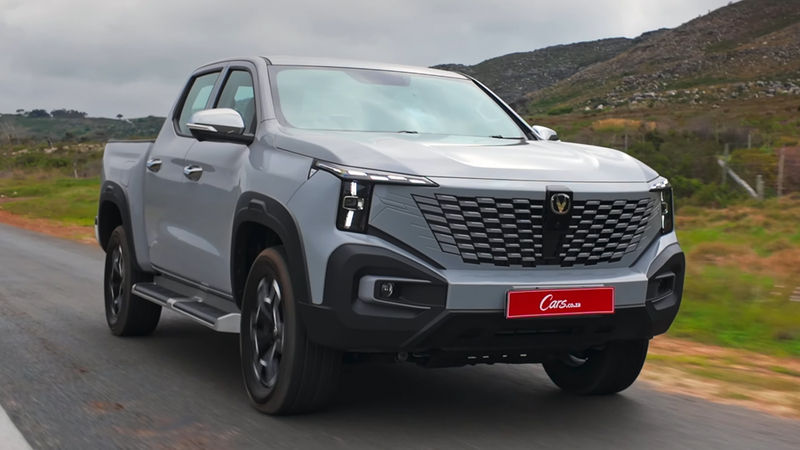
Fast forward to today and, owing to their cost, complexity and limited range advantage, REEVs aren’t as widely sold (or popular) as in plug-in electric hybrid vehicles (PHEVs). In fact, currently the Changan Hunter double cab and Leapmotor C10 are the only REEVs locally available.
Read more: Changan Hunter REEV (2025) Pre-Launch Review – Cars.co.za
Conversely, PHEVs are equipped with a petrol/diesel and an electric motor working in parallel (or series, depending on the driving mode and battery’s state of charge), though for the latter to operate at peak efficiency, it needs to be plugged in and charge like a conventional EV battery.
EV vs PHEV vs REEV: Which one is best for South African roads?
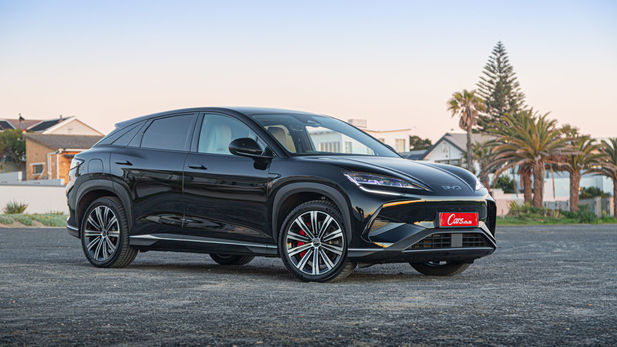
Whatever the type, the decision to buy an EV extends beyond simple pricing. Similar considerations should pertain to range and maintenance cost. The good news is that fewer moving parts generally translate to a lower price and running costs. Vehicles like the BYD Dolphin Surf reviewed above are testimony that not all EVs need to be sold at seven-digit prices.
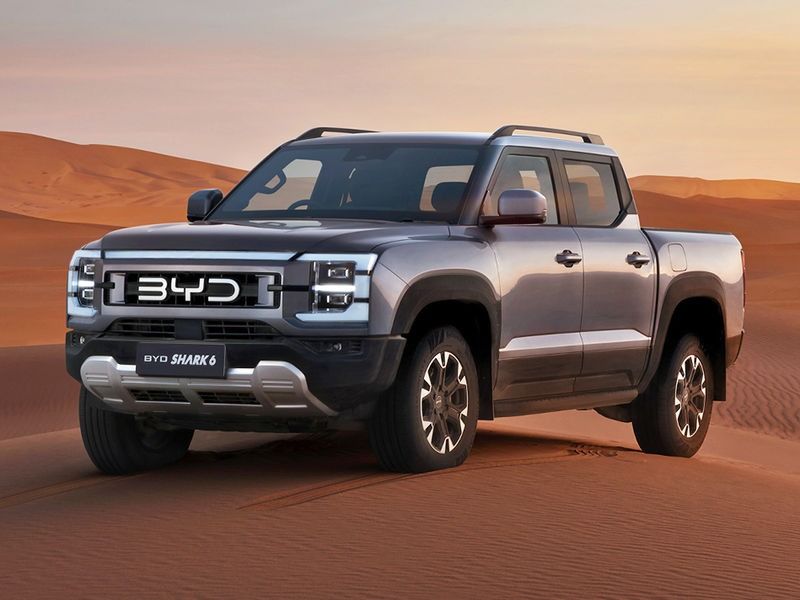
Here are some examples and pricing scales of all three EV types currently sold in South Africa.
| Price range | Model | Type | Price |
| Low | BYD Dolphin Surf Comfort | EV | R341 900 |
| Mid | 1. Volvo EX30 Single Motor Core 2. Chery Tiggo 7 1.5T CSH Plug-in Hybrid Plus 3. BYD Shark 6 Double Cab Premium AWD 4. Leapmotor C10 REEV Style 5. Changan Hunter REEV Double Cab CE 4X4 | 1. EV 2. PHEV 3. PHEV 4. REEV 5. REEV | 1. R835 500 2. R619 900 3. R969 900 4. R759 900 5. R799 900 |
| High | 1. Range Rover P460e SE 2. BMW i7 xDrive60 M Sport | 1. PHEV 2. EV | 1. R3 224 900 2. R3 010 000 |
Proximity to charging facilities, however, is the primary influencer of which EV type you should be looking at.
EVs, with their limited range, are best used for set commutes in and around town, and between home and work, where charging opportunities are ample, reliable and regularly available. EVs are fundamentally limited in their practicality and long-distance usability (just how long would your Joburg-to-Durban year-end trip be if all EVs were to use the same charging stations and owners had to queue for a 30-60 minute fill-up session?).
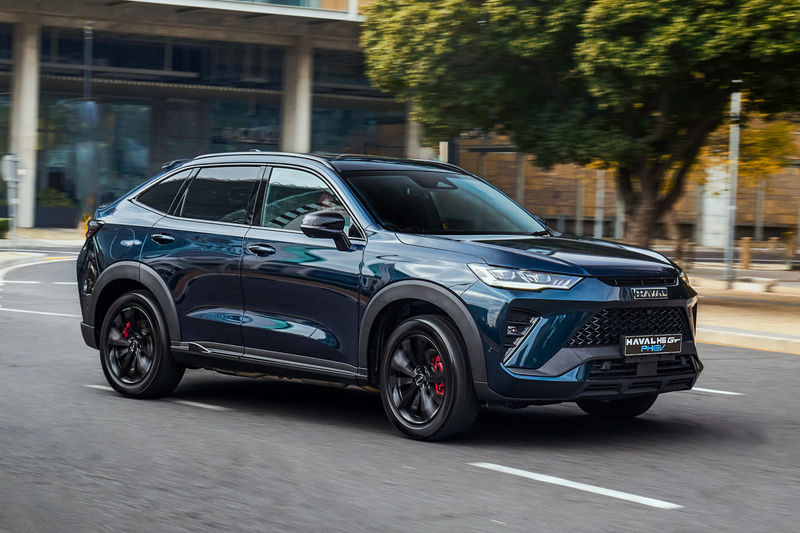
PHEVs are the closest to a best-of-both solution: regardless of the battery state, the ICE persists as the primary propulsion provider.
Want to see more? Buy a Haval H6 GT 1.5T PHEV Ultra Luxury on Cars.co.za
Finally, REEVs are the sole preserve of the zombie apocalypse. They’re primarily configured as EVs, yet consume only a little bit of petrol to charge the battery once it’s depleted – the perfect load-shedding solution.
Maintenance costs: EV vs PHEV vs REEV
Owing to fewer moving parts, an EV’s service schedule is wholly different compared to a petrol or diesel car, whose operability depends on the upkeep of belts, spark plugs, fluids, filters, tyres and brakes.
| EV type | Required maintenance level | General service frequency |
| EV | Low, with no consumables that need changing. Primarily generative braking means pads can last in excess of 100 000 km. Tyre wear could be higher than ICE cars owing to higher torque available. | Every 2 years or 30 000 km |
| REEV | Medium. Because the engine functions as a generator, it runs at constant RPM which translates to less wear and tear. | Every 20 000-30 000 km |
| PHEV | High. Both the petrol and electric drivetrains need servicing. | Every year or 15 000 km |
Thinking of going smaller? Buy a Mini Cooper SE on Cars.co.za
How long does it take to charge EVs, PHEVs & REEVs?
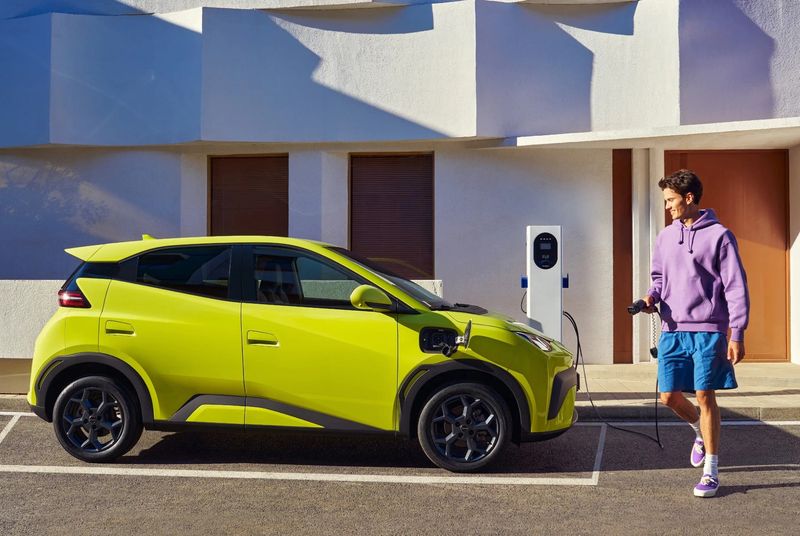
When buying an EV, range is one of the most obvious determinants of its capability. Second to that, however, is charging speed – a result of the battery size along with the power of the charger.
| EV type | Battery size | Home charging time | Public charging time |
| EV | Large (50-100 kWh) | 8-12 hours (7 kW wallbox) | 45-60 minutes for 10%-80% on a 50 kW DC charger; 20-30 minutes on a high-speed 150 kW+ charger |
| PHEV | Small (12-20 kWh) | 5-7 hours (standard 3-pin plug); 2-3 hours (7 kW wallbox) | N/a: most PHEVs are only designed to charge slowly |
| REEV | Medium (30-40 kWh) | 4-5 hours (7 kW wallbox) | 30-40 minutes |
Although the reduced time of public charging seems alluring, it is worth remembering that you will pay R7 to R7.35 per kWh of electricity, versus about R3-R4/kWh on Eskom’s Home User tariff if charging in your own garage. Not only is patience therefore a virtue, but will also save you money. Better still, if you have a large enough solar installation at home, you’ll be smiling all the way to the bank.
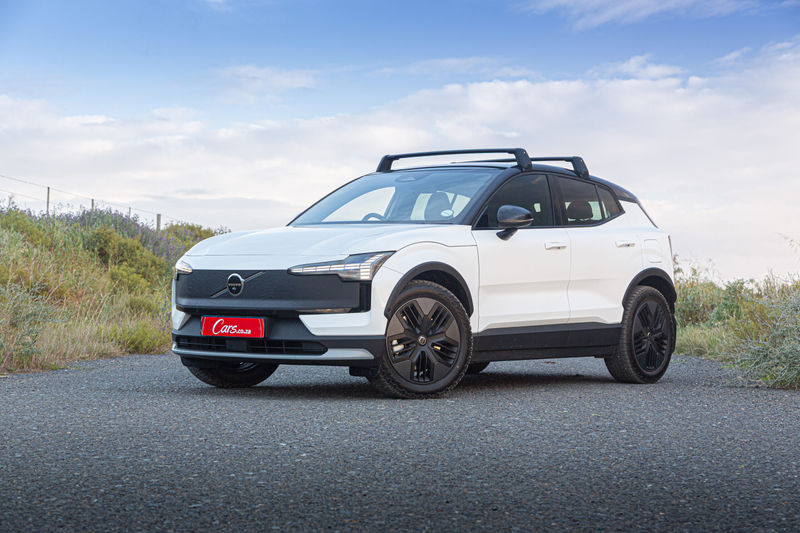
Going Swedish? Buy a Volvo EX30 on Cars.co.za
EV, REEV, or PHEV? The risks and hidden costs vs traditional petrol cars
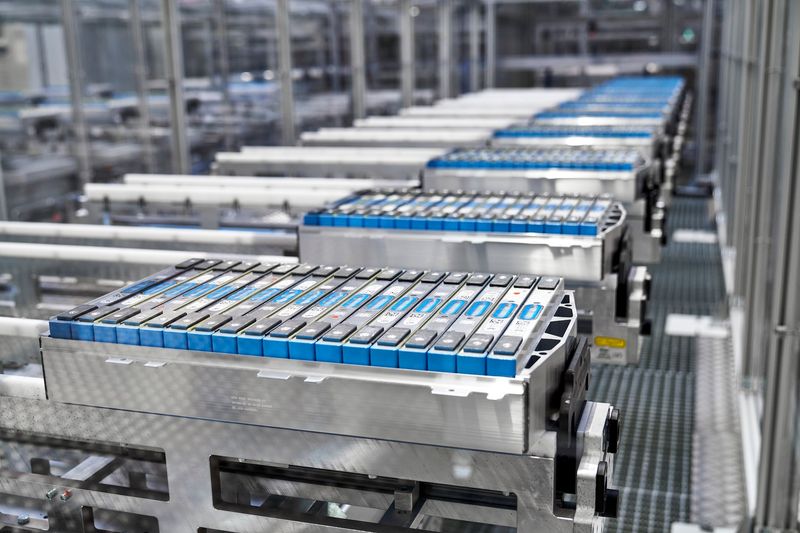
Against an ICE-powered vehicle, that single component allowing an EV to lower your running costs is ultimately also the item that will – negatively and inevitably – affect its resale value.
The top determinant of a used EV’s value is the state of its battery. Similar to any mobile device battery, it degrades from day one. The number of charging cycles (fast ones in particular) and exposure to heat constantly eat away at its longevity. In most cases, replacement batteries are valued at 30-50% of the total vehicle cost. So for a used EV of, say R400k, a R200k new battery would equal a write-off.
Are electric cars worth buying in South Africa?
There’s the issue of obsolescence. Technology is moving so fast that car companies don’t and won’t want to supply (out-of-warranty) batteries to owners of older EVs when they’ve invested in next-gen tech already. And because they’d rather have you buy a new car than keep your old one going and profiting less.
Moreover, a 2022 EV may have a 300 km range; and a 2026 one may have a 500 km one.
All of the above factors underline why EVs lose 30-45% of their value in the first year of ownership against 15-20% for ICE vehicles. By year 3, they are worth less than half of what you’d have paid for them new.
Ultimately, the choice between EV, PHEV, or REEV boils down to a would-be owner’s daily commuter profile versus their less-plausible long-distance-driving aspirations. Keep in mind, too, that internal-combustion vehicles offer resale stability and a worry-free refuelling network.
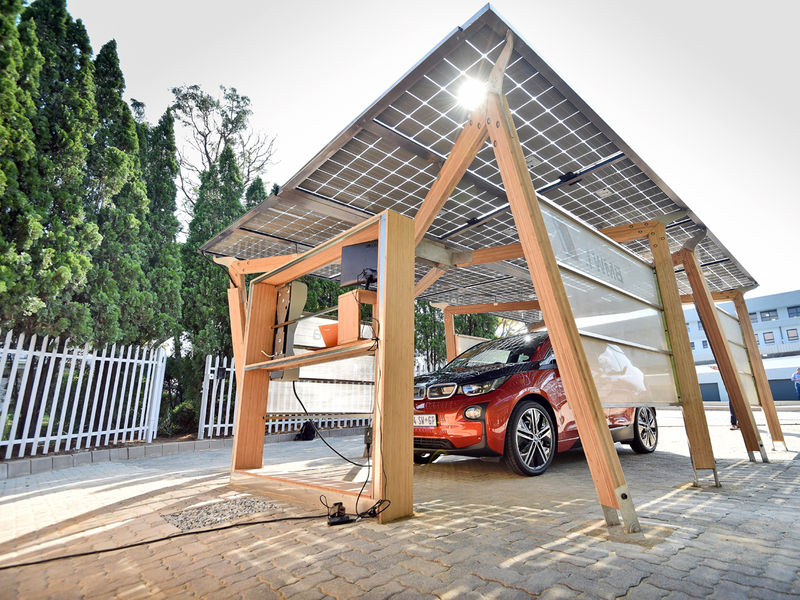
Therefore, choosing the right EV type is about which powertrain type best aligns with your personal infrastructure, risk appetite for depreciation, and your desire to stay ahead of the technological curve on South African roads.
Read more:
Leapmotor C10 REEV rivals (2025) and tech breakdown
Range Rover Velar PHEV (2025) Review
Braam Peens

Braam is the former editor of TopGear magazine South Africa. He has a secret bank in Germany into which funds are sometimes paid in exchange for his suspiciously positive and unwavering advocacy of supercar Nürburgring lap times, as long as they are not performed by SUVs, powered by batteries, or driven by Nico Rosberg.