
The latest iteration of the Suzuki Baleno is now available in South Africa and we headed to the KwaZulu-Natal Midlands to sample the Japanese brand’s B-segment hatchback. Has it retained its fun-to-drive traits? Is it still light on fuel? Does it represent “a lot of car” for the money? We answer those questions below…
In some bizarre coincidence (or was it?), the media launches of the “all-new” Suzuki Baleno and its (almost identical) twin, the “revised” Toyota Starlet, took place on the very same day. The two models are mechanically identical – all that separates them (apart from their badges, model- and derivative names) are minor visual differences, as well as their exact specs and asking prices. The Toyota is priced a little higher than its Suzuki counterpart, but more about that later…
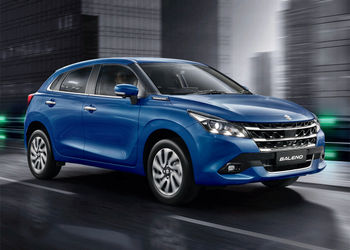
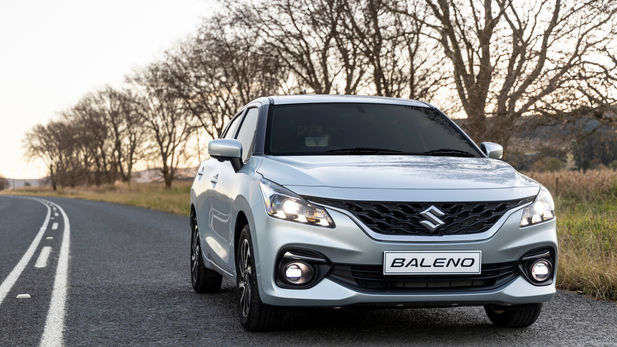
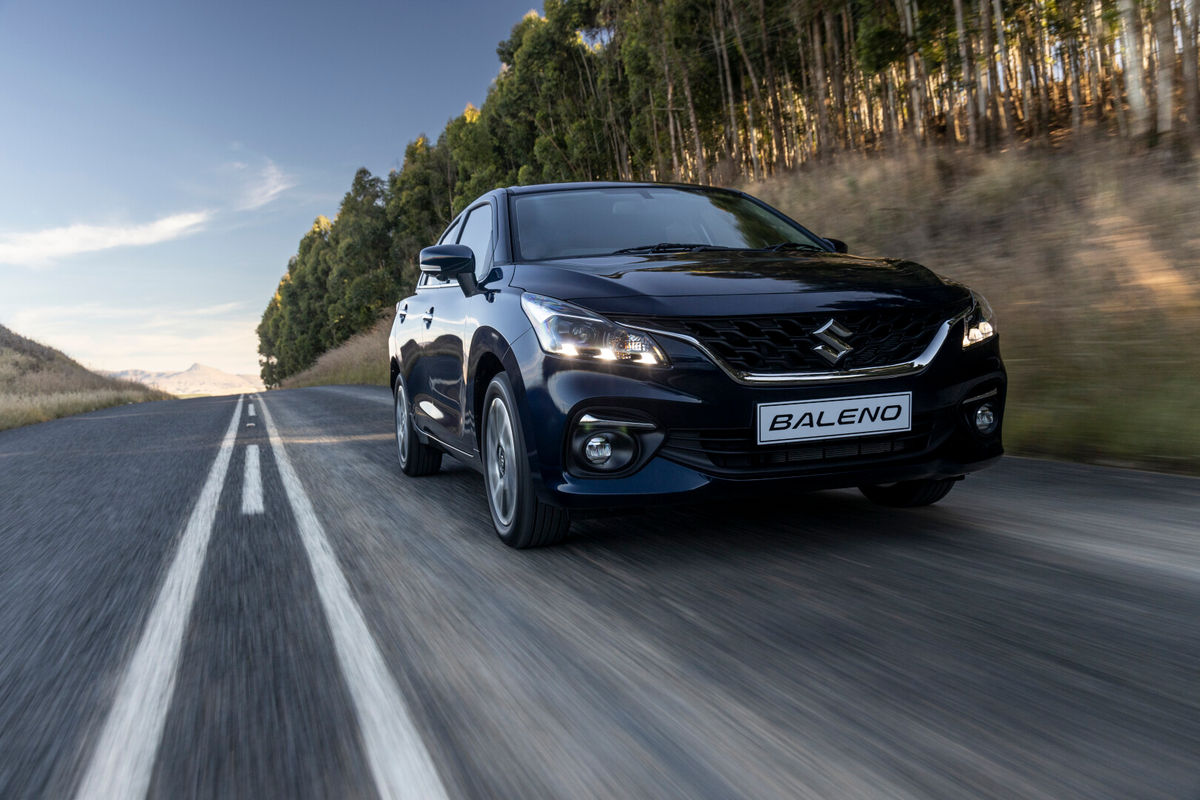
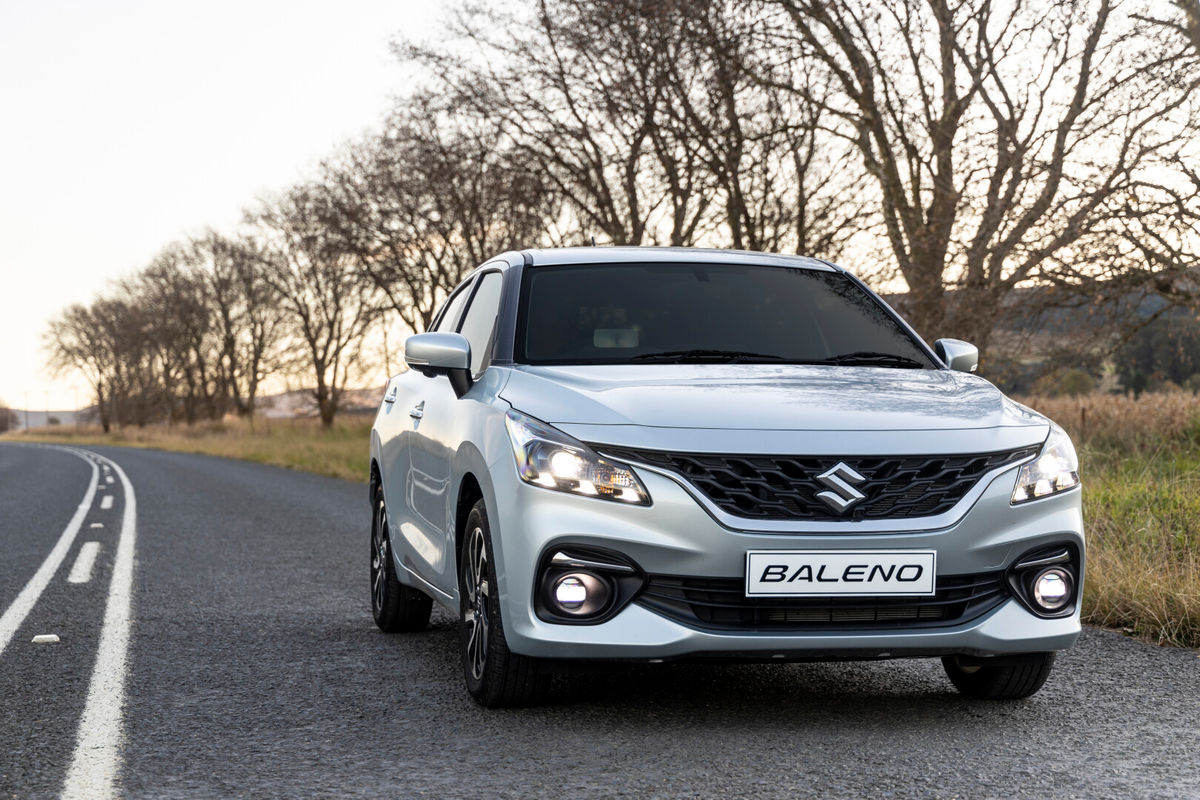
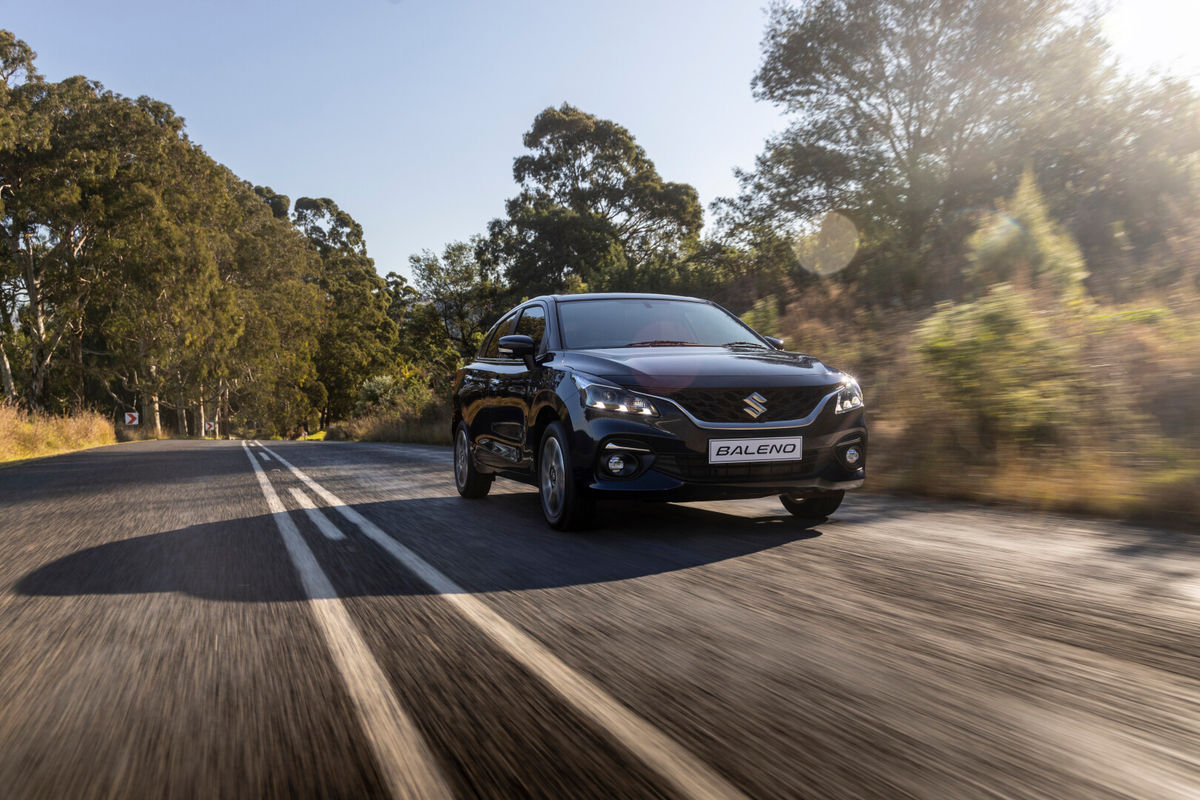
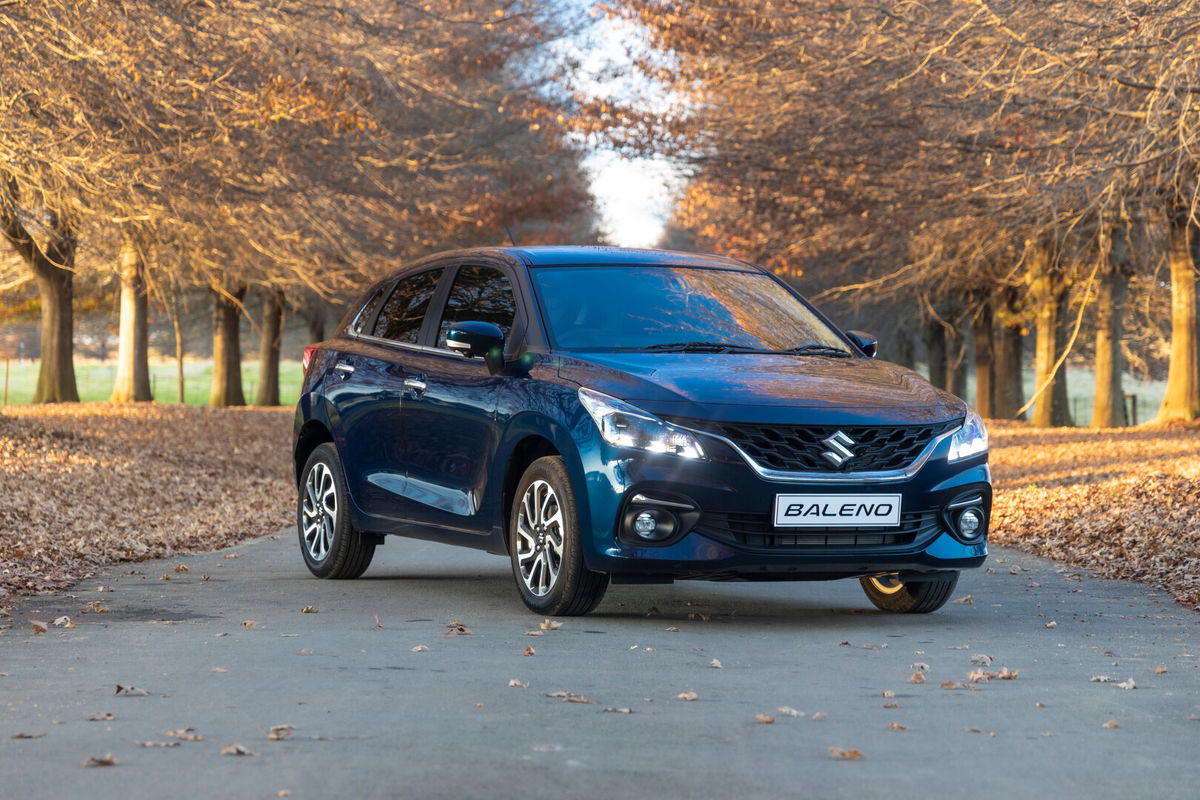
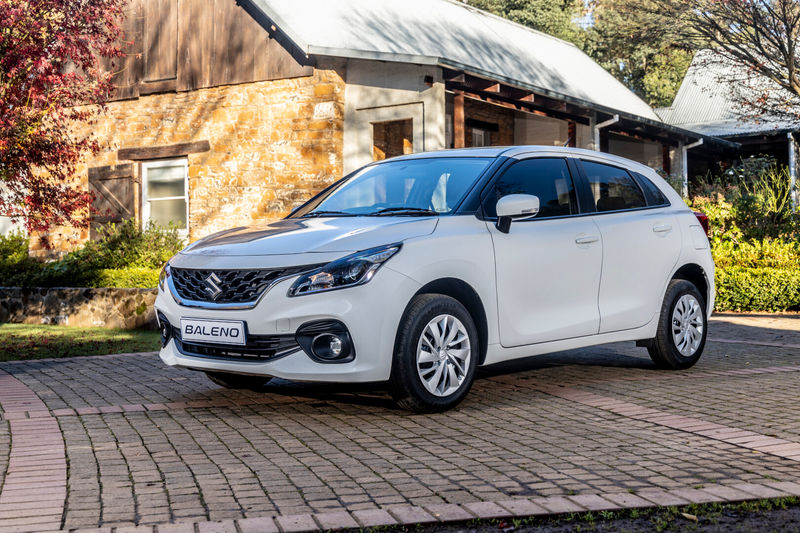
The top-spec Baleno 1.5 GLX comes equipped with LED headlamps (with LED daytime running lights) and 16-inch alloys.
What’s New?
Suzuki calls this the “new” Baleno; Toyota says its Starlet has been “updated”. But, considering that Suzuki Auto SA, which had the top-selling passenger car in the new-vehicle market last month (the Swift, May 2022), introduced the Baleno 6 years ago – and has upgraded it slightly since – it clearly wants to differentiate this version as a new model. When the Starlet arrived in 2020, it incorporated the changes Suzuki had rolled out as part of the Baleno’s mid-cycle update.
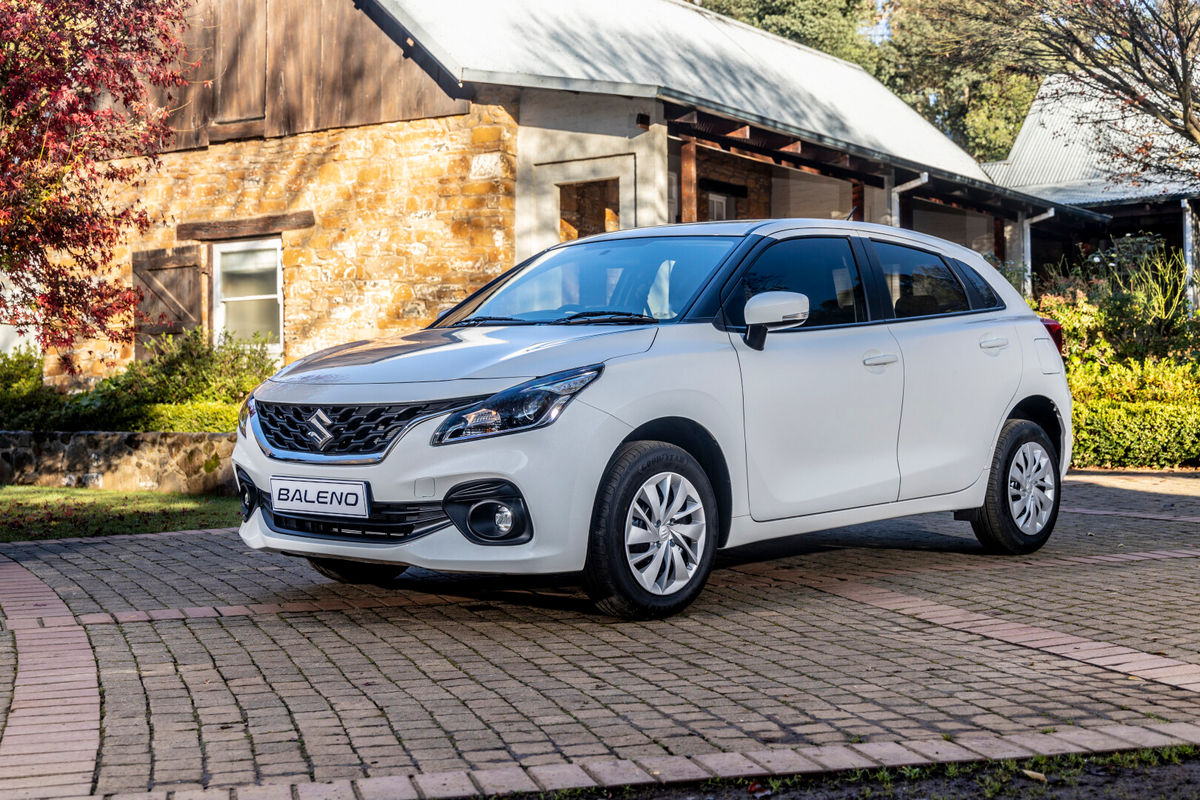
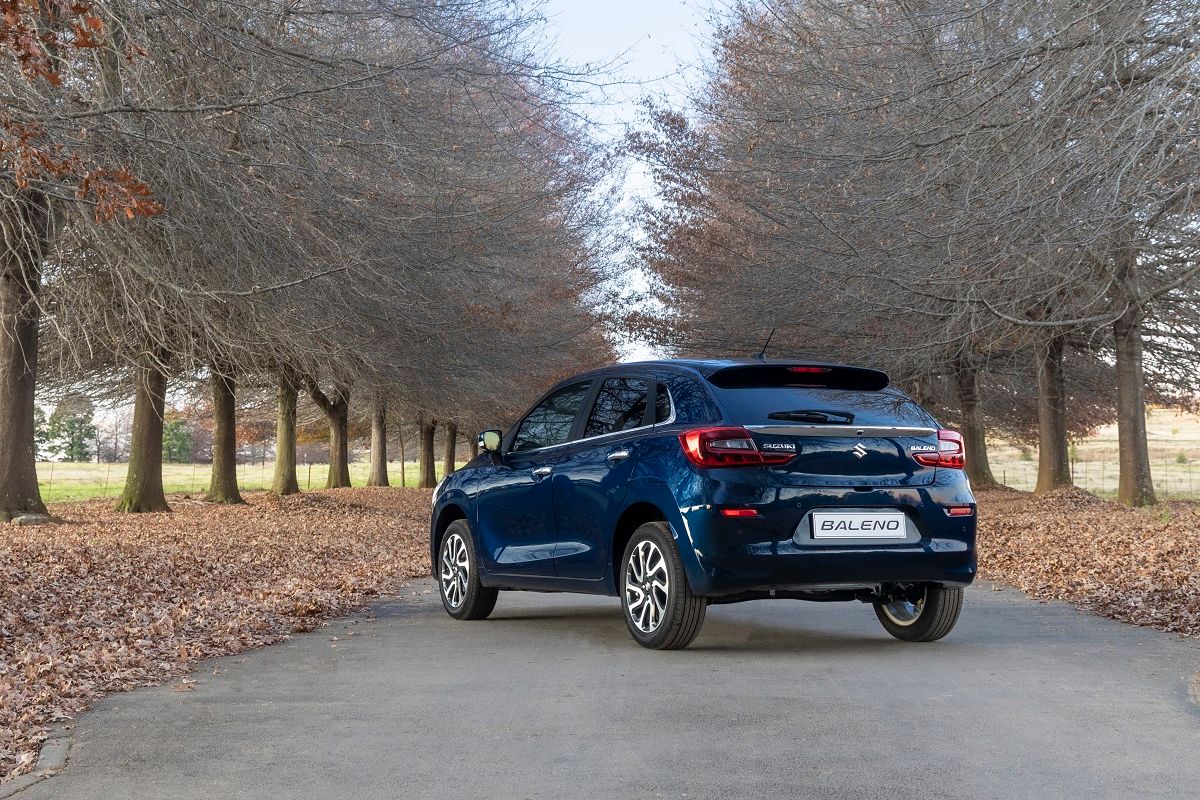
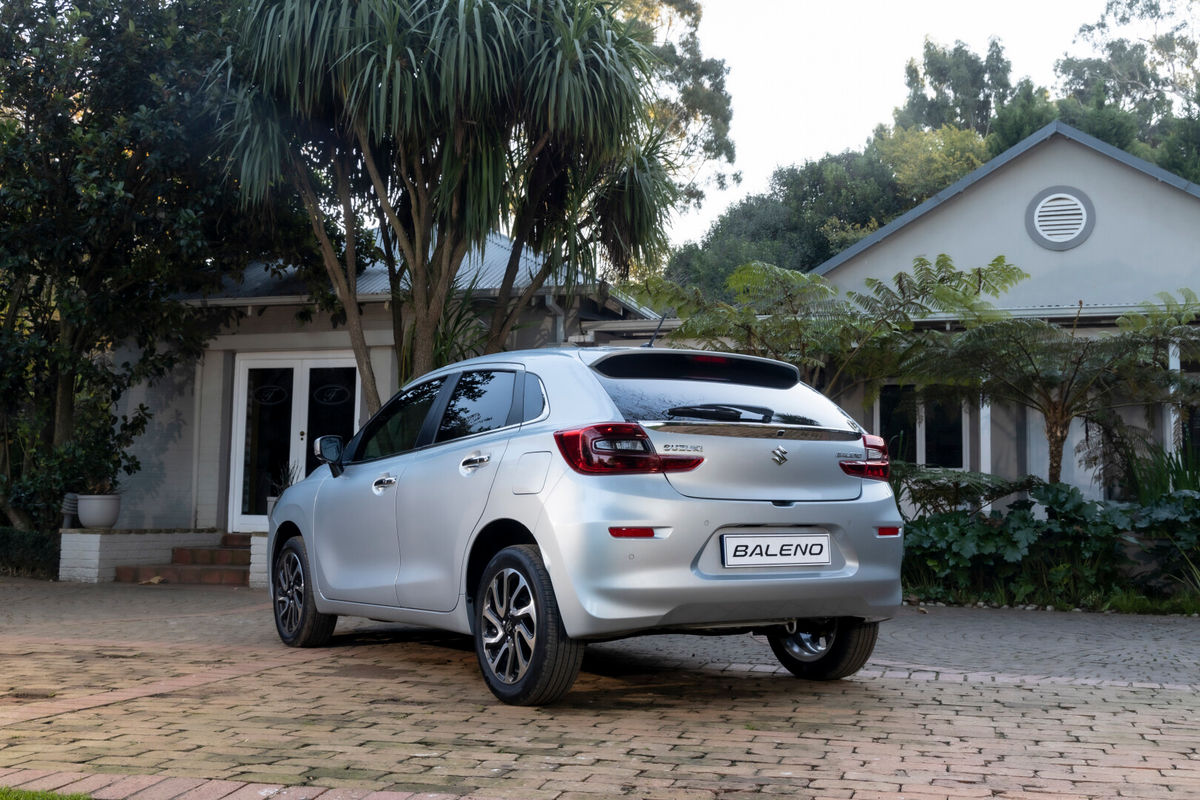
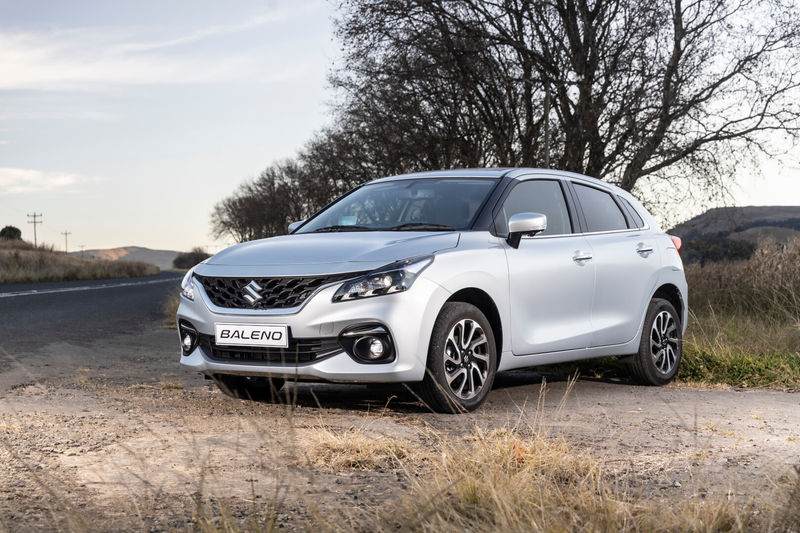
From an aesthetic point of view, the new model can be distinguished by its revised front-end treatment, which is complemented by baseball-cap-shaped taillight clusters. You can spot the top-spec GLX derivative by virtue of its LED headlamps (with LED DRLs) and 16-inch alloys. Under the skin, there are revisions to the steering setup and suspension, which Suzuki claims contribute to a more supple ride quality, plus the bodyshell offers higher rigidity, which benefits refinement.
The big change is the upgrade from a 1.4- to a 1.5-litre engine. This motor is used in other Suzuki products such as the Vitara Brezza, both locally and internationally, and it’s renowned for its punchiness… and frugality. The outputs may seem middling (77 kW/138 Nm), but they’re 9 kW and 8 Nm higher than the older 1.4-litre motor’s numbers. Like before, Suzuki has impressive claimed fuel efficiency figures: just 5.4 L/100 km for the manual and 5.7 L/100 km for the automatic.
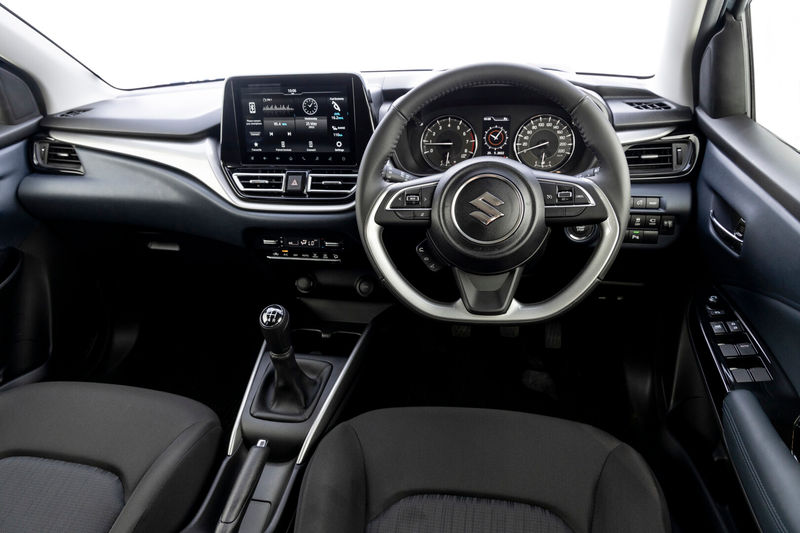
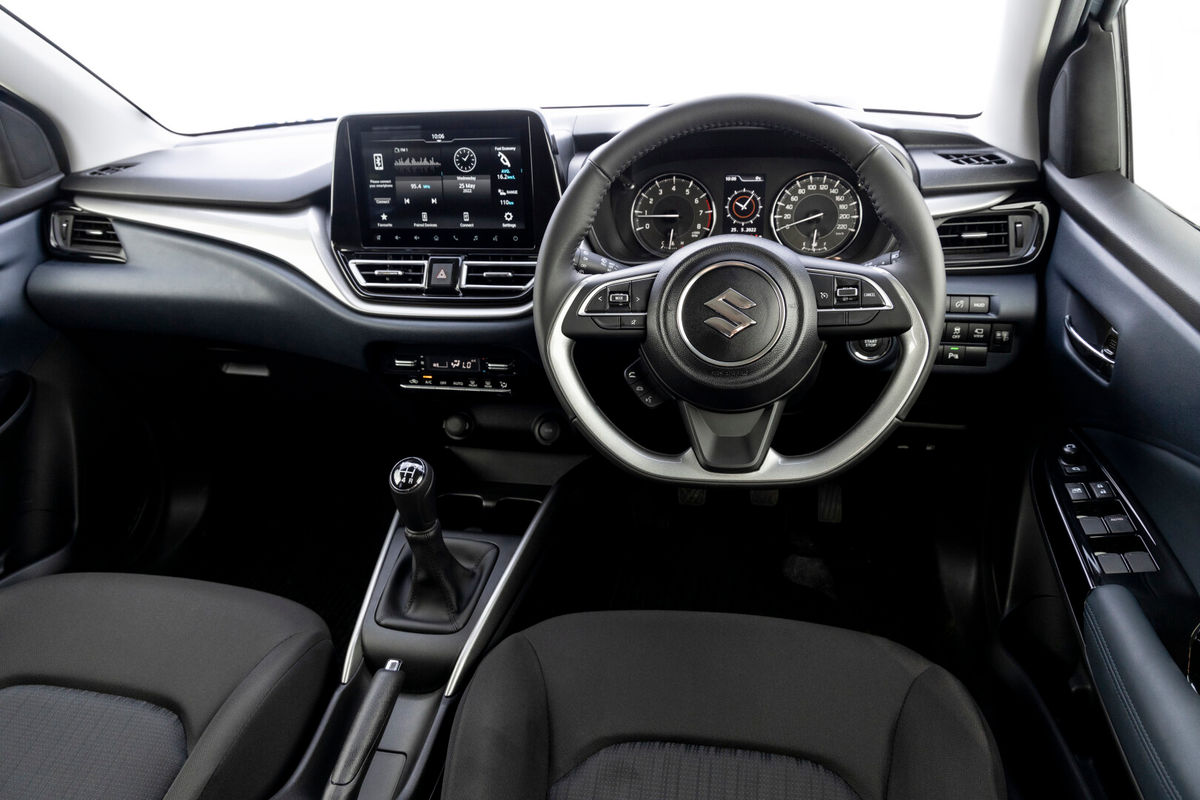
The larger (9-inch) infotainment touchscreen takes pride of place on the GLX derivative’s fascia.
What’s on Offer?
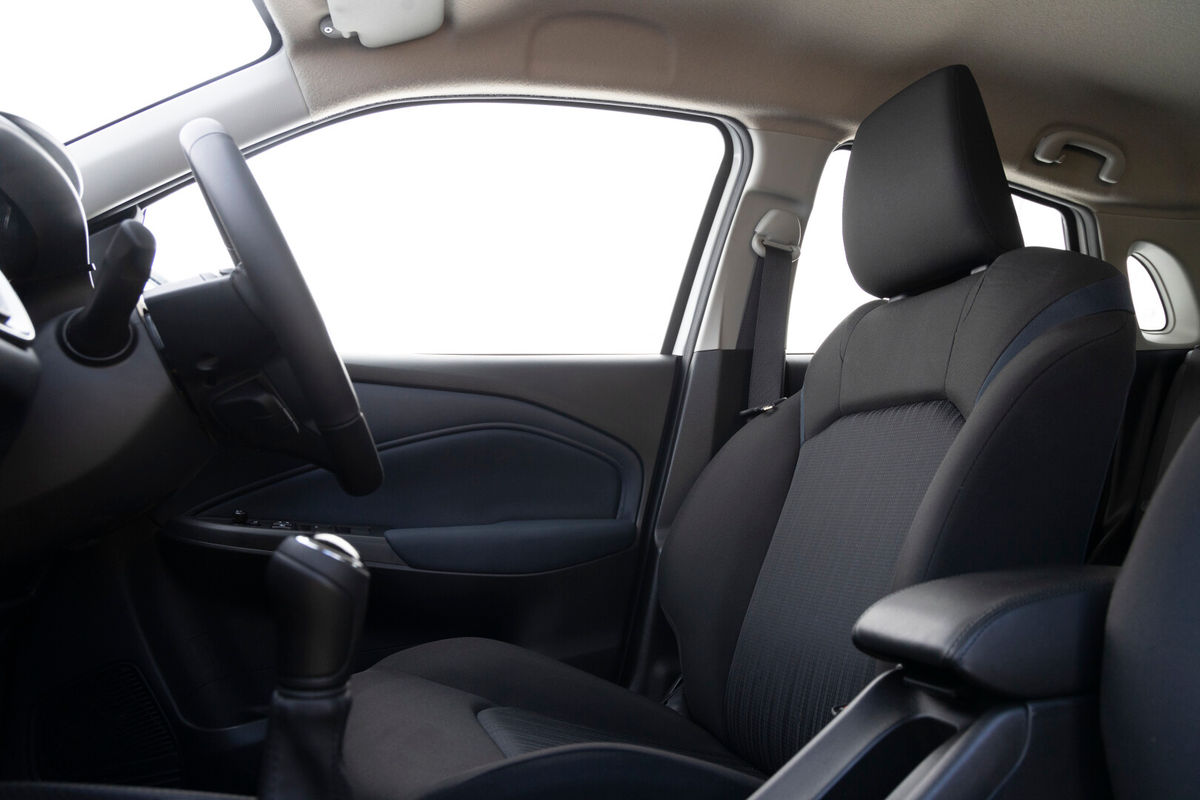
The Indian-built Baleno is available in 5-speed manual and 4-speed automatic guises, in 2 trim levels (GL and GLX) and there are 8 colours to choose from. Despite its entry-level positioning, the GL has a reasonably long list of standard features. When we took a closer look at the Suzuki’s cabin during the launch, we found a blend of some nice-feeling (almost plush) materials… and some rather marginal plastics. But, when prices start at under R250k, we won’t nitpick…
Baleno GL
- 7-inch infotainment system with Apple CarPlay/Android Auto (from the Celerio)
- Reverse-view camera
- Automatic climate control
- Cruise control
- 1x USB at the front, two USB ports at the rear, one of which is a Type-C
- LED foglamps
- Multifunction leather-wrapped steering wheel
Baleno GLX
- 9-inch infotainment system with Apple CarPlay/Android Auto
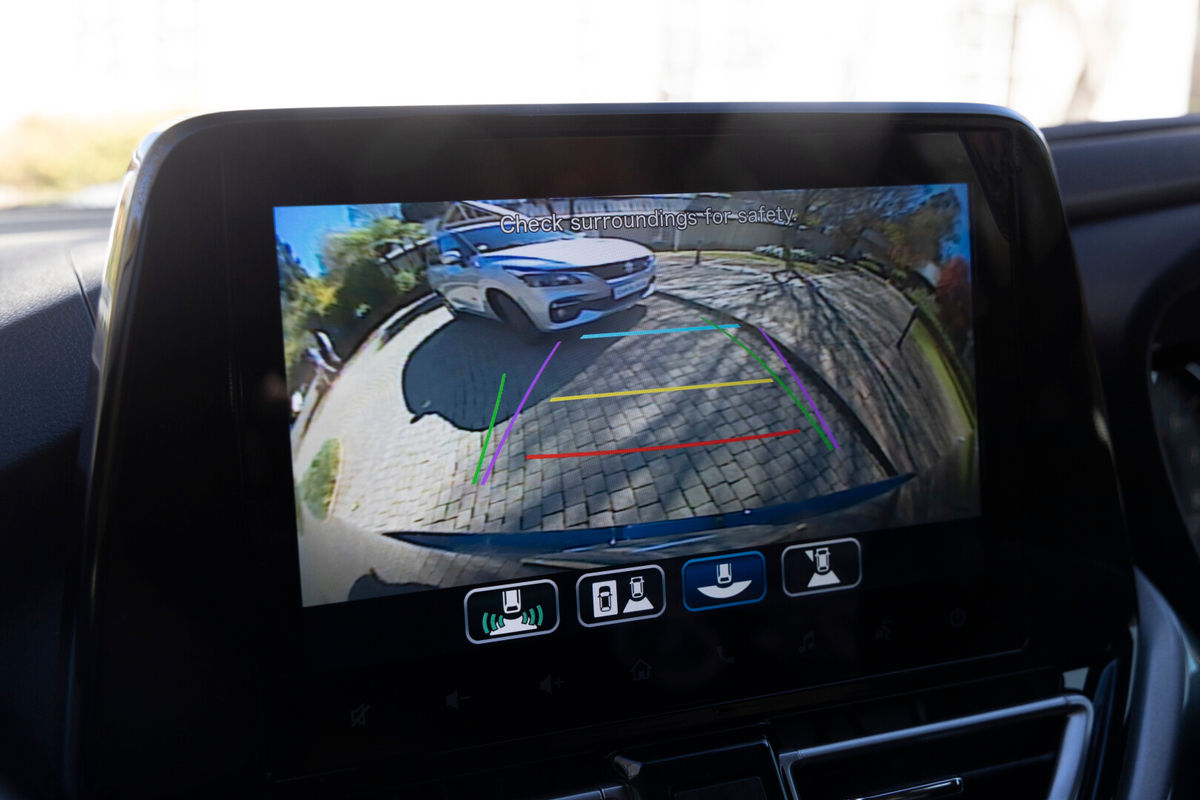
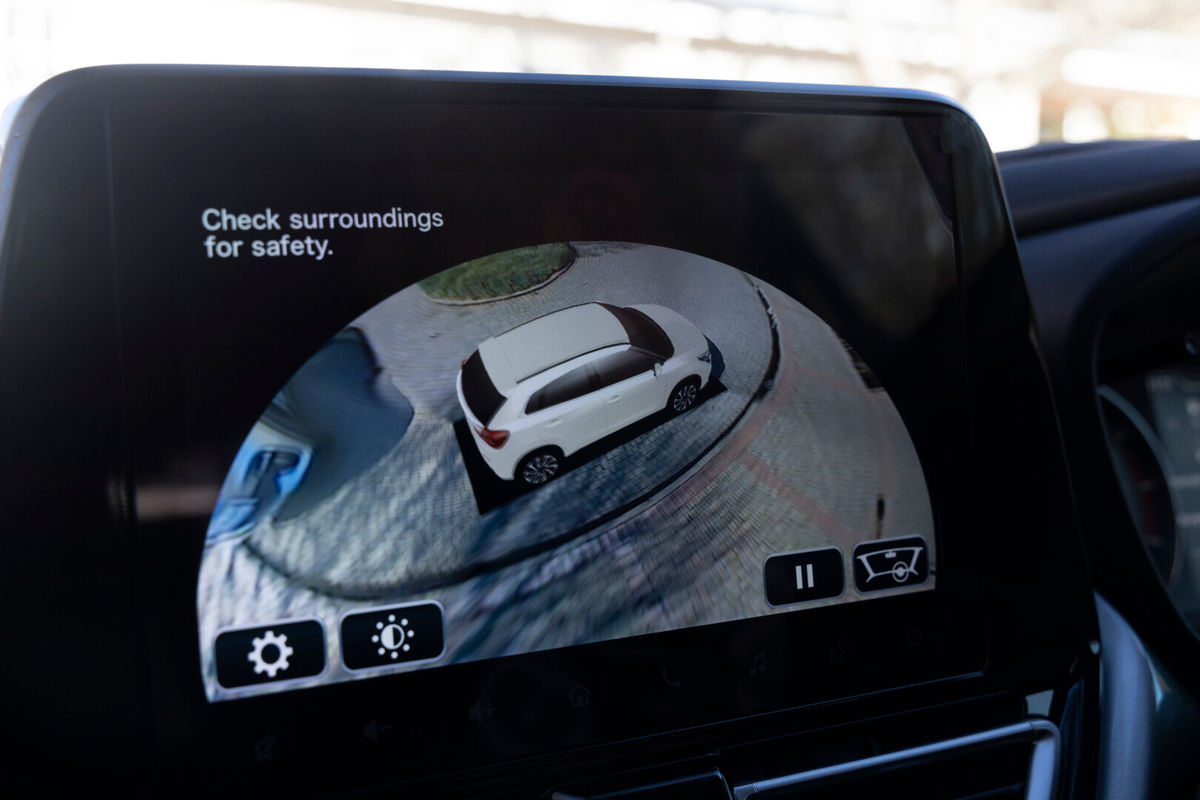
- 360-degree camera
- Head-up display
- 16-inch alloy wheels
- Keyless access with push-button start
- LED daytime running lights and projector headlamps
- Colour info display in the central cluster.
As far as safety is concerned, the GL comes with 2 frontal airbags, ABS (anti-lock brakes) and electronic stability control. The GLX features another 4 airbags (also side- and curtain airbags). Hill-hold assist is standard on both trim levels.
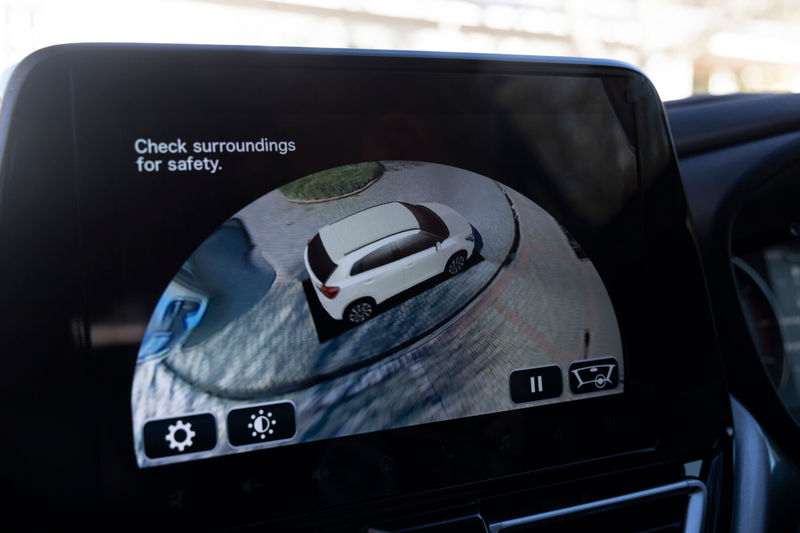
The 360-degree camera system is a unique feature in the entry-level hatchback segment.
What’s it like to drive?
For the record, the outgoing Suzuki Baleno may not have been a head-turner, but it was neither sluggish nor dull to drive; it combined an energetic powertrain with a modicum of dynamism and a pliant, reasonably comfortable ride quality.
Not much has changed in that regard, but the new engine is still worth more than a passing mention… Suffice to say it’s not the first time we’ve experienced Suzuki’s naturally aspirated (therefore, rather free-revving) 1.5-litre 4-cylinder petrol powerplant and, in this application, its performance is very willing. If you want to summon eager overtaking acceleration, simply lean hard on the accelerator pedal and the engine will respond in a linear fashion.
Our test unit was the Baleno 1.5 GLX manual, which has one of the nicer gearboxes to use in its class, thanks to the ‘box’s direct and light action. The gearing is, however, on the shorter side (the cabin sounds a bit buzzy at the national speed limit). The addition of a 6th ratio would have helped to reduce the 1.5-litre engine’s revs at 120 kph, but remember that in the Suzuki’s home market of India, average speeds are lower than in Mzansi. It’s not an unbearable racket, mind you.
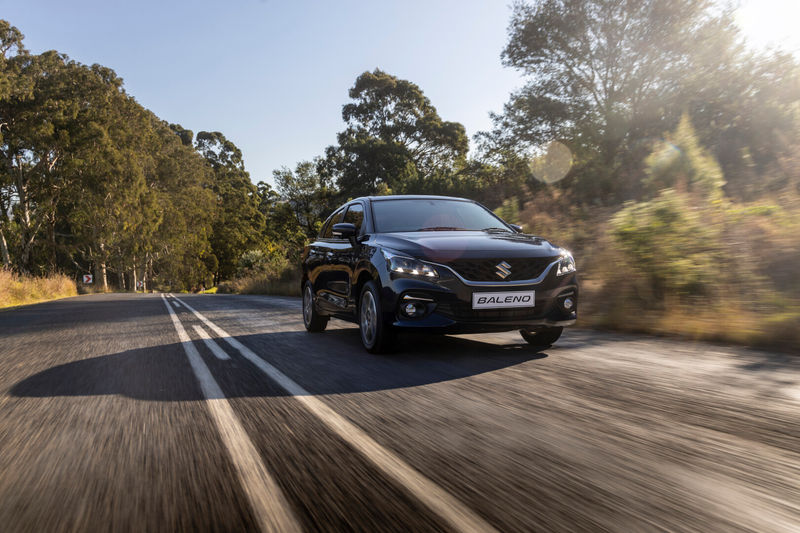
A refined, rev-happy engine helps the Baleno punch above its weight, performance-wise.
Despite some shall we say, energetic, driving, we saw an indicated fuel consumption figure of 5.9 L/100 km on the trip computer (that’s not far off the manufacturer’s claim), so we’re confident in saying that if you adopt an efficiency-minded driving style, you could easily get very close to – or even match – that claimed figure. We reckon the car’s slim kerb weight helps a lot in that regard… the new Baleno, despite its compact hatchback dimensions, weighs just under 1 000 kg.
Our launch route encompassed some roads that were of rather poor quality. The recent heavy flooding, compounded by poor maintenance and continuous heavy-truck traffic wreaked havoc on national roads, let alone the extra-urban ones. Yet, the Baleno’s suspension was able to soak up the myriad imperfections (bumps, dips and ridges) without clunking or thumping through; we suspect those high-profile tyres fitted to the great-looking 16-inch alloys softened the impacts.
The steering is pleasantly light and the car feels impressively wieldy. Crucially, the Suzuki’s on-road refinement is excellent for its segment – the newcomer doesn’t feel cheap and nasty in any way. Remember, the Baleno starts at R225 900.
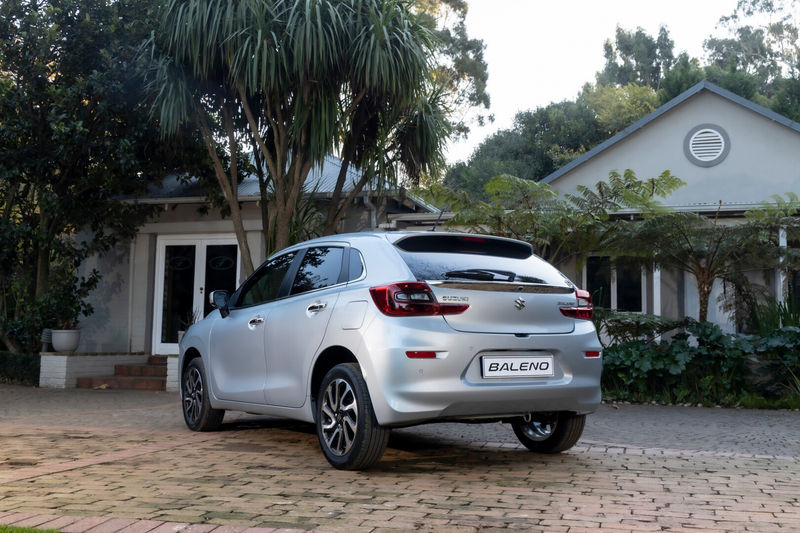
You can appreciate the revised tail lights from this angle.
How much does the new Baleno cost in South Africa?
Not only is the new Baleno offered at a fractionally lower price than its predecessor – all of its derivatives are more affordable than their Starlet-badged equivalents. The Suzuki also has a longer warranty (+2 years) and service plan (+1 year) than the Toyota. The prices below include the brand’s 5-year/200 000 km promotional warranty, as well as a 4-year/60 000 km service plan (with intervals of 15 000 km), plus an anti-corrosion warranty of 6 years (unlimited kilometres).
| Baleno 1.5 GL manual | R225 900 |
| Baleno 1.5 GL auto | R245 900 |
| Baleno 1.5 GLX manual | R275 900 |
| Baleno 1.5 GLX auto | R295 900 |
Summary
Suzuki just can’t put a foot wrong these days… The new Baleno is another excellent product.
With new-vehicle prices skyrocketing, which has made some of SA’s favourite models unobtainable for the average family-car buyers, not to mention brutal fuel-price increases, it’s a delight to find a spacious, well-thought-out and generously equipped entry-level hatchback that doesn’t cost a king’s ransom to purchase – or run. The Baleno is also one of few small hatchbacks that offer good rear legroom; indeed, it can seat 4 adults in comfort with adequate head- and legroom.
Granted, Suzuki’s newcomer has its drawbacks, but at this price, you can easily look past some of the (very minor) faults. We’ve yet to drive the Baleno in 4-speed automatic guise, but to be honest, we’re not looking forward to it. Whereas the GL derivative is the strongest value-for-money proposition, the 1.5 GLX 5-speed manual is arguably the pick of the bunch for private buyers… Priced comfortably under that crucial R300k barrier, it’s likely to be all the city car you’ll ever need.