Keen on a 5th-gen Opel Corsa? Read our handy buyer’s guide, which details the X15 model’s history in SA, its strengths (and weaknesses!) and what you can expect to pay on the used market…
While the Opel Corsa isn’t nearly as popular in South Africa as it once was, there’s no denying the nameplate has a strong history in the country. The original version of the German firm’s B-segment car wasn’t sold here, but every generation since has been offered locally.
For a period, the Corsa was even built in South Africa – by General Motors at its Port Elizabeth (now Gqeberha) facility – including in Corsa Utility half-tonne bakkie form (which eventually morphed into the Chevrolet Utility) and Corsa Lite prolonged lifecycle guise (remember the “Lite Side of Life” advertising campaign?).
The latest-generation Corsa went into production as long ago as 2019, though arrived in South Africa only at the start of 2021 (yes, we have a certain global pandemic to thank for that). So, the 5th-gen Corsa was on the market locally from 2015 through to the end of 2020, without ever benefitting from a mid-cycle update. And it’s that model that forms the subject of this buyer’s guide.
As an aside, the Opel Corsa went by a number of names, depending on the market. For instance, it was known as the Vauxhall Corsa (or Vauxhall Nova, for a time) in the United Kingdom and was also badged as the Holden Barina (for 2 generations) in Australasia. Japan knew the 2nd-gen model as the Opel Vita, while Mexico called the same version the Chevrolet Chevy. Here, of course, it was simply the Opel Corsa.
Opel Corsa model line-up
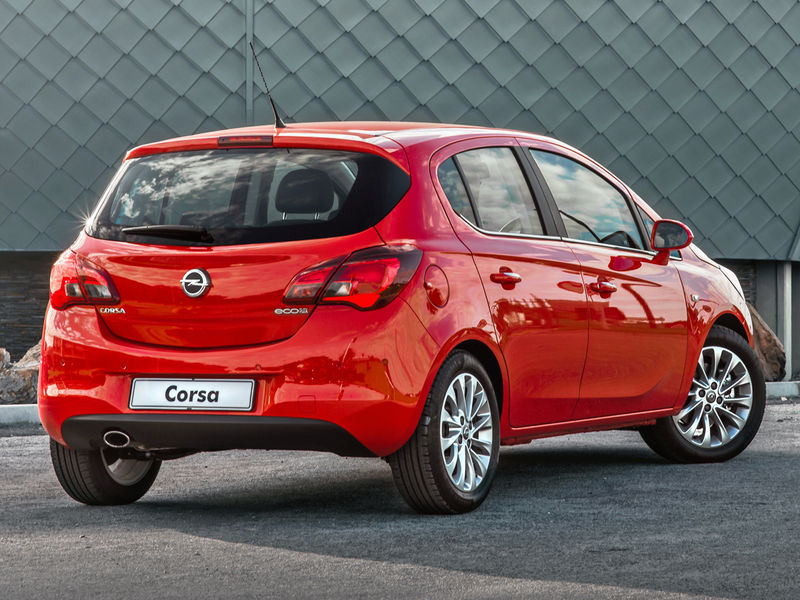
The Opel Corsa E (not to be confused with the all-electric “Corsa-e”) was officially revealed at the Paris Motor Show in October 2014, arriving as something of an evolution (some might even term it a “reskin”) of its predecessor and inheriting that model’s basic chassis structure. Within just 4 months, the 5-door version of the then-box-fresh hatchback hit the market in South Africa, rolling onto local dealership floors in the 3rd week of February 2015.
At launch, the Mk5 Corsa – known internally by its X15 codename – was available only with the Rüsselsheim-based firm’s EcoFlex turbocharged 1.0-litre, 3-cylinder petrol engine (which had just debuted in the Adam), driving the front wheels through a new 6-speed manual gearbox. A trio of trim levels was on offer:
- 1.0T (85 kW/170 Nm) Essentia 6-speed manual
- 1.0T (85 kW/170 Nm) Enjoy 6-speed manual
- 1.0T (85 kW/170 Nm) Cosmo 6-speed manual
By August 2015, after a 66 kW/130 Nm naturally aspirated 1.4-litre petrol motor mated to a 6-speed automatic transmission (and offered only in Enjoy guise) had joined the local line-up, Opel also added the option of a new EcoTec turbocharged 1.4-litre petrol engine generating 110 kW and 220 Nm. Fitted to the Corsa 1.4T Sport – which benefited from a subtle OPC Line body kit, rode on 17-inch “Dark Titanium” alloy wheels and featured a smattering of cabin upgrades – this forced-induction 4-pot drove the front axle via a slick 6-speed manual cog-swapper.
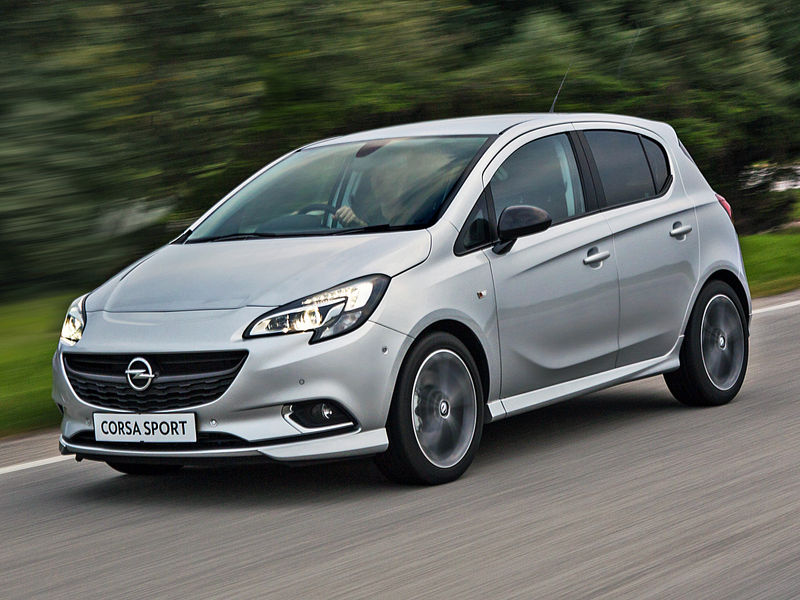
In July 2017, around 2 years later, the German automaker’s local distributor rejigged the Corsa range based on what it called “intensive market research”, axing the Cosmo specification and thus trimming the line-up from 5 variants to 4. In addition, the entry-level Essentia derivative – which later became known simply as the “1.0T” – switched to a lower-output version of the 1.0-litre turbo-triple, making do with 66 kW (and an unchanged 170 Nm). Furthermore, various items were removed from each variant’s standard specification list, while others were added.
From January 2018, after General Motors had officially exited the country, the Williams Hunt group was appointed as Opel’s new distributor in South Africa. By July of the same year, the formation of Opel South Africa – described as a “wholly owned subsidiary” of the German automaker – was announced, with Williams Hunt parent company Unitrans Automotive assuming responsibility for distributing the brand across Southern Africa.
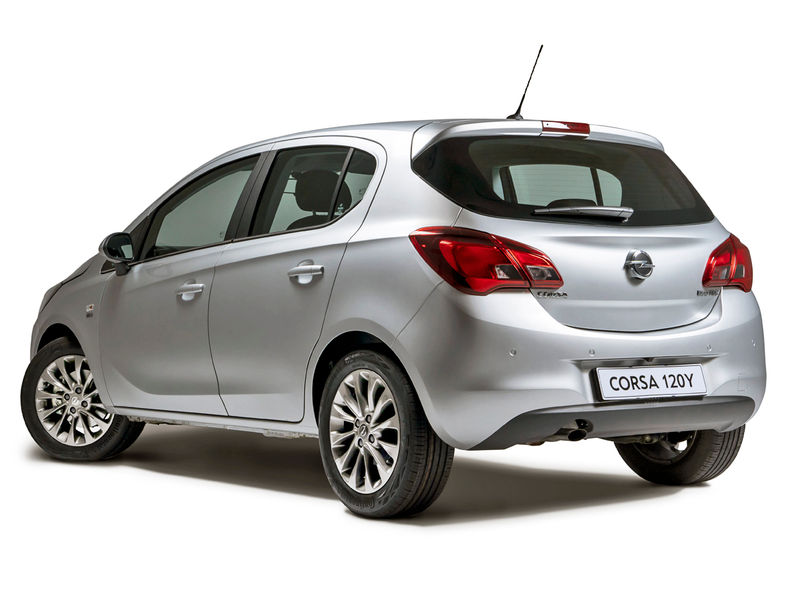
March 2019 saw the arrival of the Corsa 120Y Special Edition (conceived to celebrate 120 years of the Opel brand), based on the 1.0T Enjoy but gaining items such as 16-inch gunmetal alloy wheels, “Allure” cloth upholstery, some extra standard kit and “120Y” logos on the front fenders, sill plates and floor mats. Shortly before this launch, Opel opted to detune all 1.0-litre variants from 85 kW to 66 kW (yes, just like the base Essentia), ostensibly in the name of fuel savings. Indeed, the claimed combined consumption fell from 5.0 to 4.6 litres per 100 km.
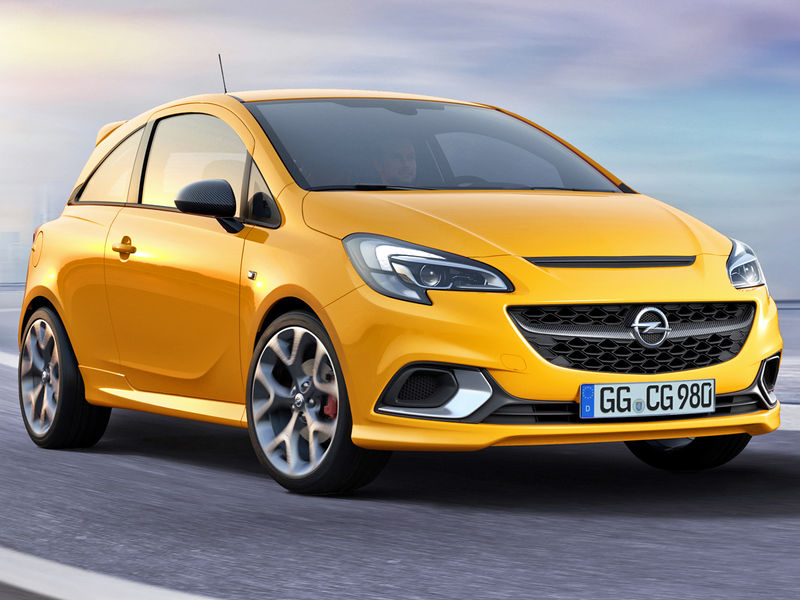
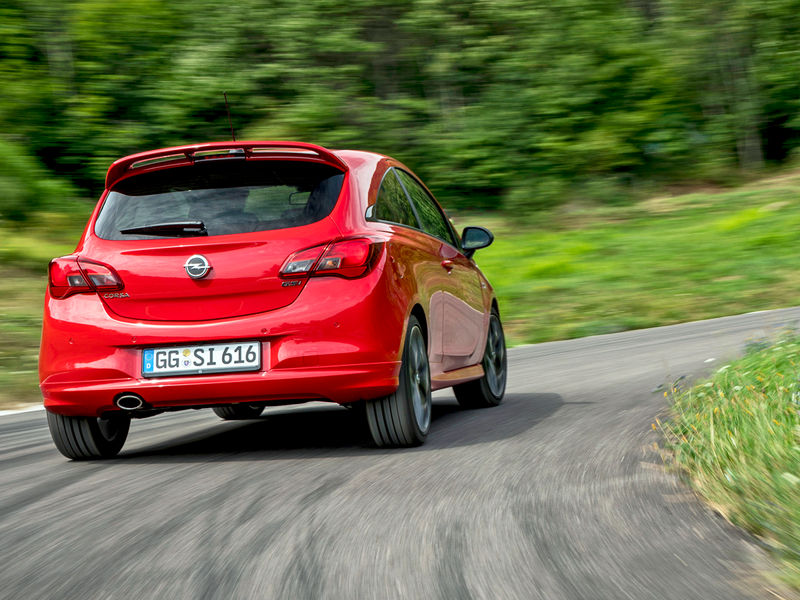
The final update for the local X15-gen Corsa was perhaps the most interesting of the bunch, with the GSi badge making a long-awaited return in May 2019. The Corsa GSi featured a 3-door body and employed the same 110 kW turbocharged 1.4-litre powertrain – complete with a “short-ratio” 6-speed manual gearbox – as the 5-door Corsa Sport, which then fell away. It was a moderately warm rather than hot hatch, with even Opel admitting the newcomer was “not a pure racing machine”. Other GSi-specific features included a sportier body kit, OPC suspension, uprated brakes, 18-inch alloys, heated Recaro sports seats, a flat-bottomed steering wheel and alloy pedals.
The curtain finally came down on the 5th-generation Corsa – that’s right, the full-fat 152 kW OPC hot hatch didn’t ever make it to South African roads – at the dawn of 2021, when the Corsa F made local landfall, having switched to the PSA Group’s EMP1 platform (remember, the French firm purchased Opel from General Motors back in March 2017). Peugeot Citroen South Africa – by this time a wholly owned subsidiary of the freshly formed Stellantis – then became the official distributor of Opel vehicles in South Africa.
What are the advantages of an Opel Corsa?
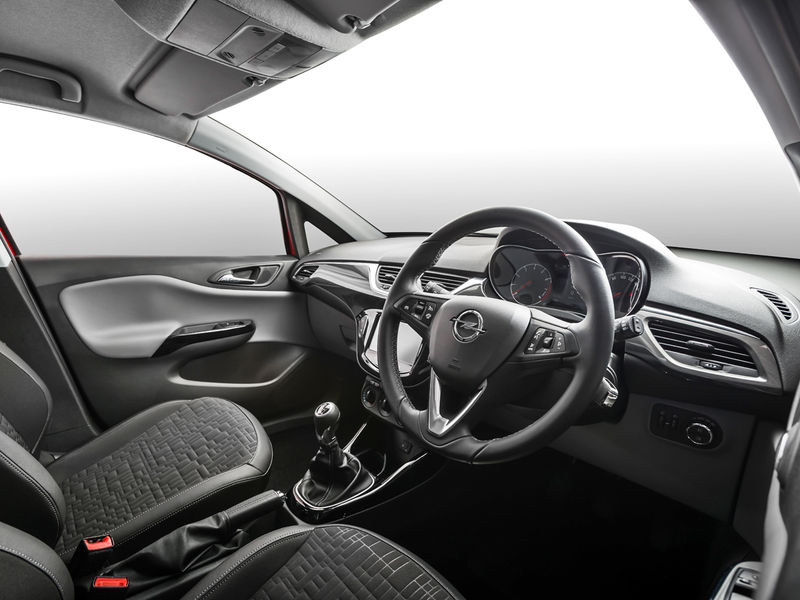
Cabin build quality and layout: The Mk5 Corsa boasted a much-improved cabin compared with that of its predecessor. There were plenty of high-quality materials on offer (including a soft-touch finish atop the dashboard) as well as the option of specifying technology (such as the smartphone-mirroring IntelliLink 7-inch infotainment system) that was at the time usually reserved for vehicles in higher segments.
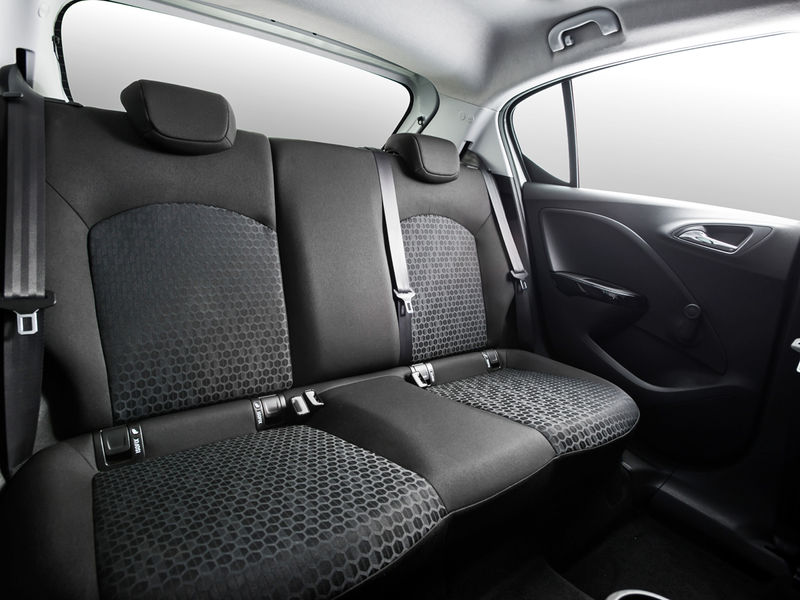
Furthermore, Opel’s designers cleverly maximised interior space, allowing the X15-gen Corsa to feel a fair bit roomier than the likes of the Mk5 Volkswagen Polo and the Mk6 Ford Fiesta (particularly when it came to rear accommodation). Take note, however, the listed luggage space of 265 litres was anything but class leading, while the Enjoy derivatives downgraded from a 60:40-split rear bench to a single-piece item in mid-2017.
Undemanding to drive: Since its focus was on ease of use, overall refinement and a lofty level of comfort, the Corsa was straightforward to pilot, rendering it an ideal commuter vehicle as well as a commendable choice for young drivers. The turbocharged 1.0-litre motor offered its peak twisting force across a broad section of the rev range (from 1 800 to 3 700 r/min), lending it handy tractability, while the handling was predictable and the gearshift action fairly precise. There was even a button-activated “City Mode” setting that allowed reduced steering effort at low speeds for easy parking.
Generous standard safety spec: Though this generation of Corsa had to settle for a 4-star rating from Euro NCAP, the SA-spec range came packed with standard safety equipment. At launch, all variants shipped with ABS (plus EBD and BAS), 6 airbags, IsoFix child-seat anchors, a tyre-pressure monitoring system and Opel’s electronic stability programme (including features such as active rollover protection and hill-start assist).
In addition, items such as an advanced parking assistance feature, blind-spot alert and parking sensors (fore and aft) were available as options for the mid-tier Enjoy and higher-spec Cosmo and Sport derivatives. The GSi further scored items such as forward collision alert, lane-departure alert and traffic-sign recognition. While all models featured disc brakes all round at launch, it appears later versions of the base and Enjoy variants downgraded to drums at the rear, while the base model also eventually lost its tyre-pressure monitoring system.
What are the disadvantages of an Opel Corsa?
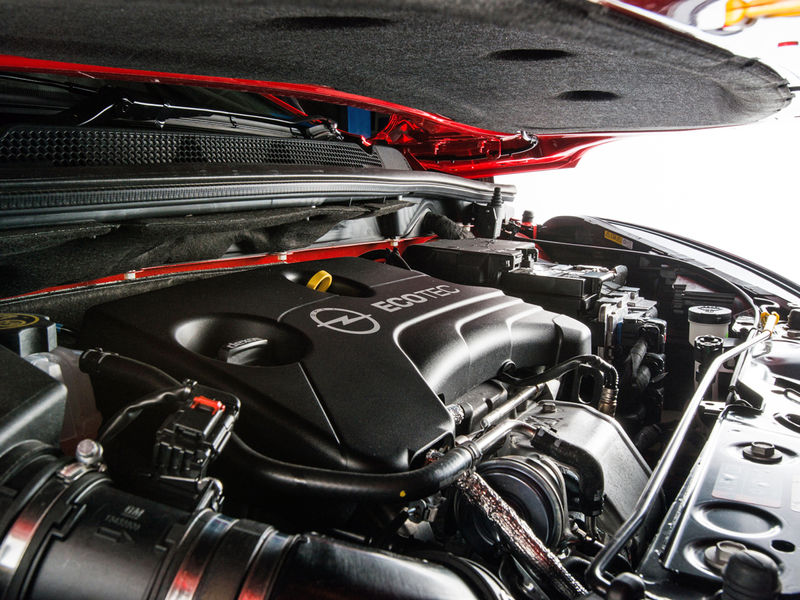
Based on our research, the Mk5 Corsa was largely trouble-free in the mechanical department – and it’s worth noting all engines were chain- rather than belt-driven, too – so we’ll focus on other areas here. Of course, no vehicle or powertrain is immune to reliability problems, so always assess each potential buy on its individual merits and favour vehicles that have strong evidence of fastidious maintenance.
Base spec lacked certain basic features: While safety equipment levels were lofty across the range, the base models initially did without a couple of convenience items most buyers would have expected to be standard. At launch, for instance, air-conditioning and a radio system were absent on Essentia derivatives, instead relegated to “option packs”. Later in the model’s life, however, such features were made standard.
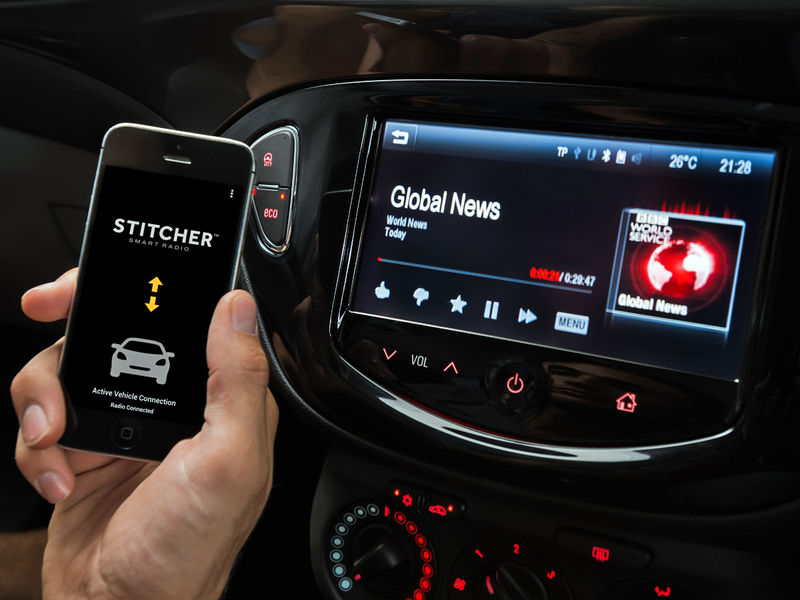
Sneaky specification adjustments: With as many as 3 local distributors over its lifetime, the 5th-gen Corsa range endured a number of specification adjustments – some implemented more quietly than others. In mid-2017, for instance, Enjoy derivatives ditched their front foglamps and LED daytime running lights (while the rear bench lost its ability to split) but scored the IntelliLink infotainment system. Naturally, this can make it tricky to compare potential buys on the used market today, even if their trim-level names match.
No OPC halo model for South Africa: In 2015, Opel said the then-new Corsa OPC was “planned” for a South African launch by the 3rd quarter of that year. Of course, for whatever reason, it didn’t ever happen, much to the chagrin of Opel’s local hot-hatch fans. Whereas the 1.4T Sport and GSi were decidedly lukewarm hatchbacks, the full-fat OPC looked a proper little rocket, offering peak outputs of 152 kW and 245 Nm (plus an additional 35 Nm on overboost) from its turbocharged 1.6-litre heart. It’s a real pity this alternative to the likes of the Ford Fiesta ST, Renault Clio RS, Volkswagen Polo GTI and Peugeot 208 GTi didn’t make it to local roads.
What is the price of a second-hand Opel Corsa?
Take note the Corsa range was initially marketed with a 5-year/120 000 km warranty and a 3-year/ 60 000 km service plan. However, the warranty was quietly downgraded to 3 years/120 000 km around the start of 2019, though the service plan was unchanged. To muddy the waters further, models sold during July and August 2019 scored a 5-year/150 000 km warranty and a 5-year/100 000 km service plan.
Of the used Opel Corsa E listings on Cars.co.za at the time of writing, a whopping 97% were equipped with a manual gearbox. The turbocharged 1.0-litre, 3-cylinder motor was the most common (representing 83% of listings), while the turbocharged 1.4-litre unit was interestingly slightly better represented than the naturally aspirated mill of the same capacity.
Mileage varied from 17 000 km (on a late model-year 66 kW 1.0T Enjoy) to 190 000 km (achieved by an 85 kW 1.0T Enjoy registered in 2018). As you might have guessed, white was the most popular exterior colour, accounting for 44% of all listings, followed by silver (18%) and grey (15%).
- Below R125 000: At the time of writing, all listings below this mark were entry-level Essentia models with early registration years. Of course, it’s worth bearing in mind the base models of this era featured the higher-output 85 kW version of the turbo-triple engine.
- From R125 000 to R150 000: There was far more choice between these pricing bookends, with the 3 main trim levels – Essentia, Enjoy and Cosmo – all well represented. The newest model year here was 2018, while we also spotted a relatively rare 1.4 auto in this space.
- From R150 000 to R200 000: This was the most densely populated pricing segment at the time of writing, featuring nearly half of all X15-generation Corsa listings. Interestingly, every single model year was present, while this was also where we found all examples of the 1.4T Sport as well as a couple of low-mileage 120Y Special Edition units.
- R200 000 and up: This top bracket contained only 2-year-old or younger vehicles (most with well under 50 000 km on their respective odometers), including another self-shifting model and yet more 120Y Special Edition derivatives. The most expensive Mk5 Corsa we uncovered was a 2019 GSi, which was listed for R270 000.
Pick of the Opel Corsa range?
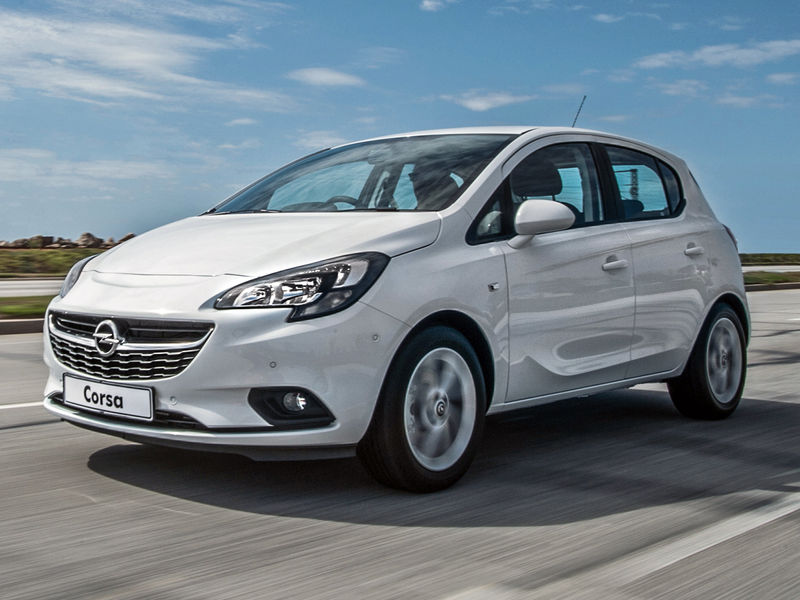
So, which derivative should be at the top of your shopping list? Well, there’s very little evidence of widespread problems with any of the 3 engine options, so there’s no particular powertrain you absolutely need to avoid. That said, we’d argue the 85 kW version of the 1.0T offers the best blend of urge and efficiency, while the mid-tier Enjoy specification has sufficient equipment to meet most requirements.
Should you prefer a warm-ish hatch, you have the choice of the 1.4T Sport and the GSi (which employs the same 110 kW 4-pot). With 5 doors, relatively demure styling and a fairly pliant suspension set-up, the former is perhaps the better-balanced of the pair when it comes to daily driving. However, the GSi’s 3-door shell, more aggressive styling, figure-hugging bucket seats and OPC-tuned suspension certainly lend it added appeal.
Is the Opel Corsa a good car?
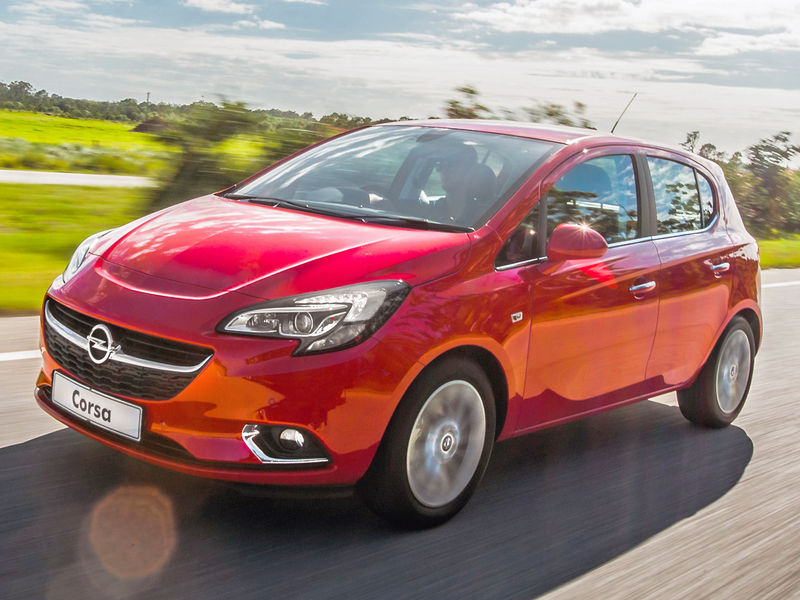
The X15-generation Corsa found itself competing against a throng of compelling B-segment hatchbacks, including the 6th- and 7th-generation (German-built) Ford Fiesta as well as the locally produced 5th- and 6th-generation Volkswagen Polo. Other mainstream contenders in this space at the time included the Renault Clio IV, the 2nd-gen Hyundai i20, the Kia Rio Mk4, the 3rd-gen Honda Jazz and the Mazda2 Mk3.
Later examples of the 3rd-gen Toyota Yaris might also be worth considering, while the French duo of the Peugeot 208 and Mk3 Citroën C3 covered the left-field choices. Alternatives to the Corsa Sport and GSi, meanwhile, included the Chevrolet Sonic RS, which employed a slightly detuned version of the same turbocharged 1.4-litre mill, and the naturally aspirated Suzuki Swift Sport (Mk2).
Thanks in part to a lifecycle punctuated by disruptive changes in brand ownership and local distribution (and effectively extended by the pandemic), this generation of Opel Corsa is perhaps a little under-appreciated in South Africa. As a result, there aren’t as many available on the used market as you might think.
Still, since demand is likewise relatively low, there are sometimes highly attractive deals available for buyers who have their wits about them. That makes this version of the Opel Corsa – the last before the move to PSA platforms and powertrains – an interesting and potentially value-packed used alternative to the likes of the more popular Polo.
Looking for an Opel Corsa to buy?
Find one on Cars.co.za here.
Or sell your car here, for no charge.