
Previous iterations of the Nissan Qashqai were very popular, but the small crossover and medium SUV segments are awash with strong contenders. Does the 3rd-generation Nissan Qashqai have what it takes to be a segment leader?
We like: Refined powertrain, excellent fit and finish, comfortable ride quality, premium ambience, large fuel tank, comprehensive warranty.
We don’t like: Pricey compared with rivals, so-so fuel economy, small load bay.
FAST FACTS
- Model: Nissan Qashqai 1.3T Acenta Plus
- Price: R670 600 (November 2022)
- Engine: 1.3-litre turbocharged 4-cylinder petrol
- Power/Torque: 110 kW and 250 Nm
- Transmission: CVT
- Fuel consumption: 6.1 L/100 km
- 0-100 kph: 8.9 sec
- Luggage capacity: 504-1593 litres
Serious about buying/selling?
Browse the latest Nissan Qashqai specs and prices.
Some Nissan dealerships regularly offer great deals. See our New Car Specials!
Looking to sell your car? Sell it on Cars.co.za for free
Where does the new Nissan Qashqai fit in?
Although the Almera budget sedan and Magnite small crossover are reasonably popular models in South Africa, Nissan’s passenger-vehicle line-up is rather limited. The Japanese marque, which produces the long-serving NP200 and recently updated Navara bakkie at its Rosslyn plant, could easily have followed Ford Motor Company of Southern Africa’s strategy of focusing on the light commercial vehicle market. Thankfully, it hasn’t.
The 3rd-generation Nissan Qashqai recently landed in Mzansi and will be joined by its bigger X-Trail sibling next year. Both models will be available with conventional petrol engines, as well as new-gen e-Power electrification, with the latter technology earmarked for 2023.
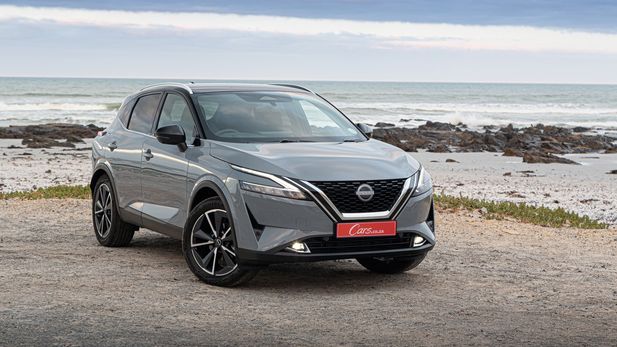
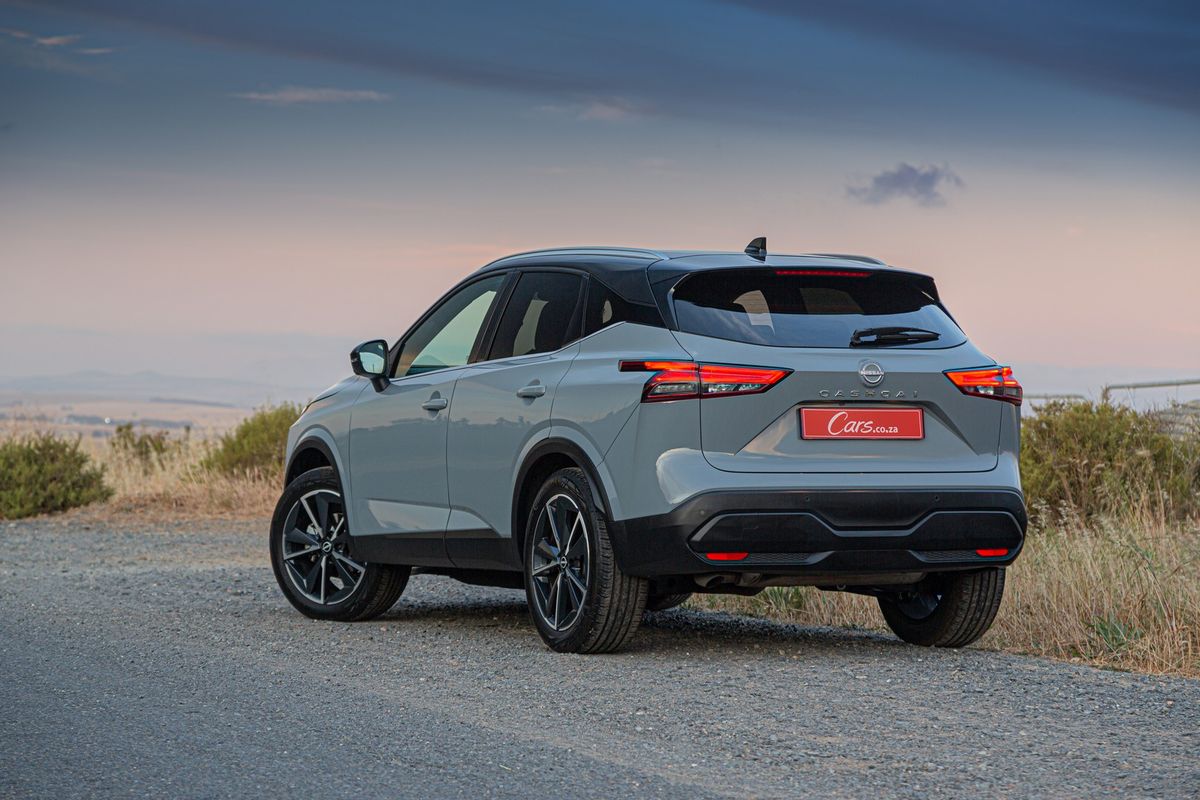
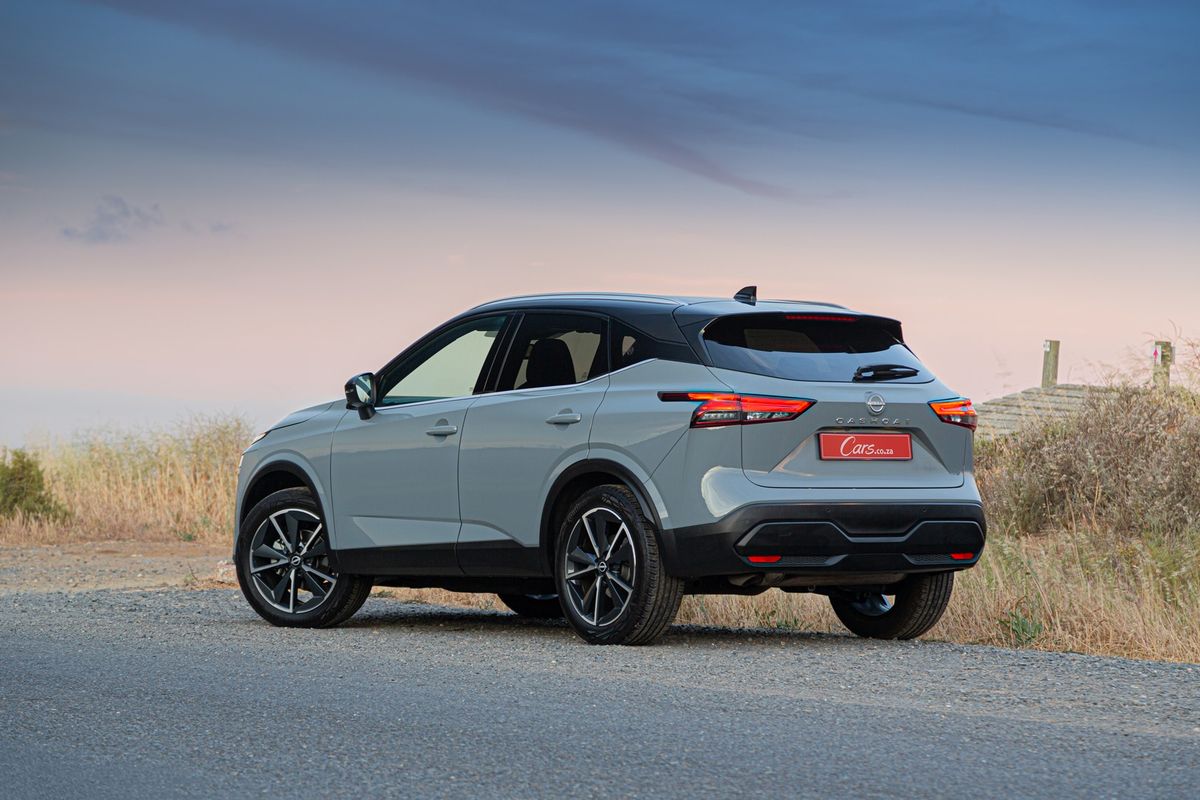
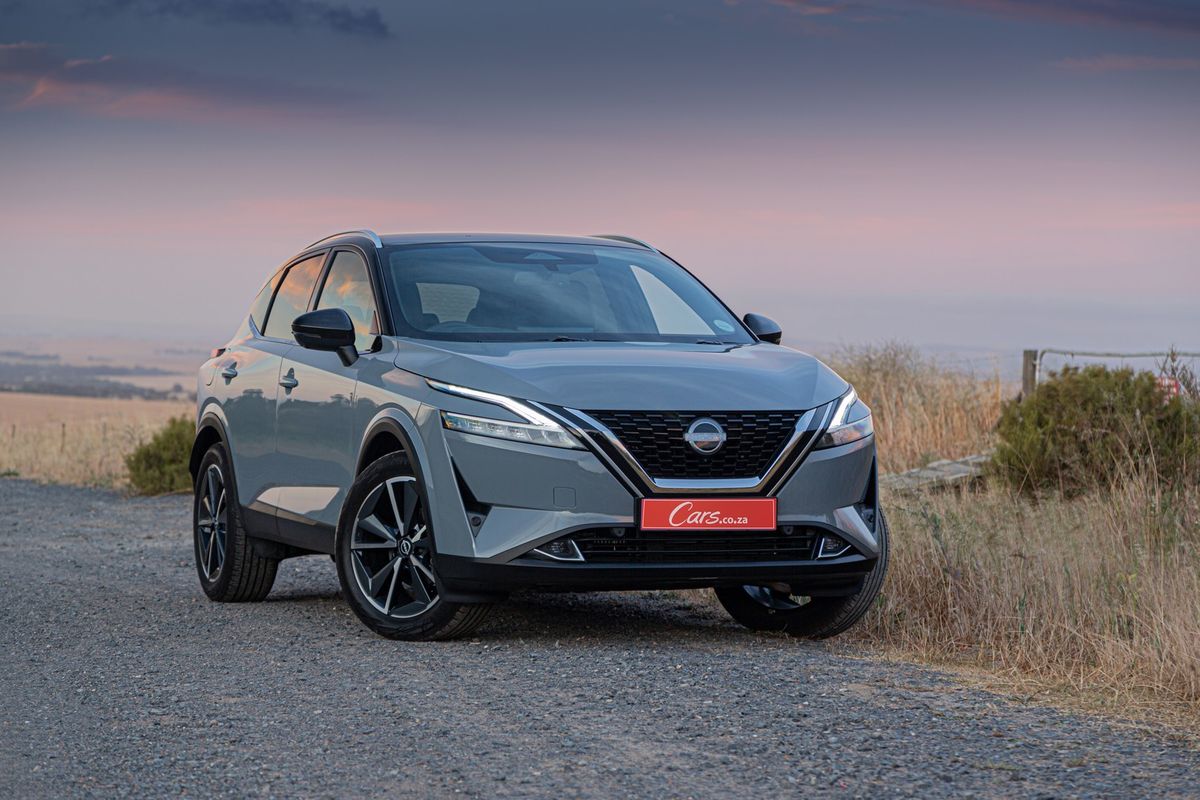
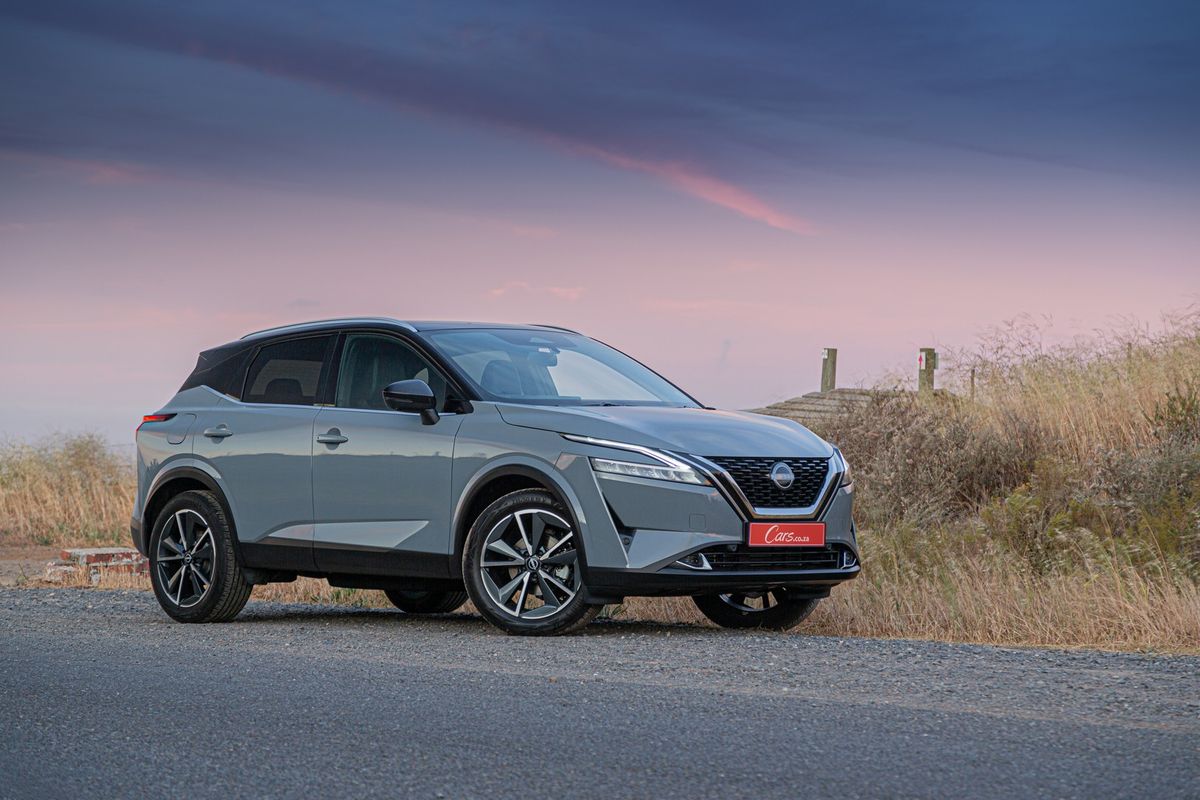
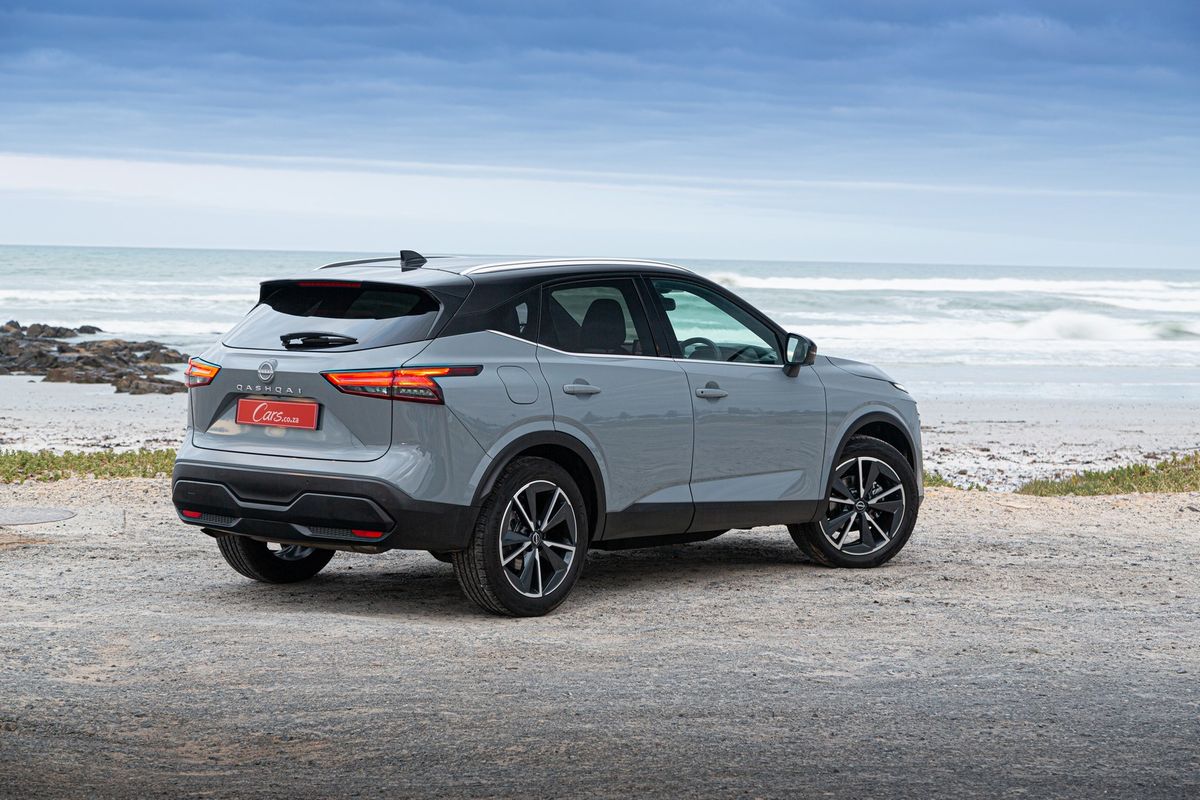
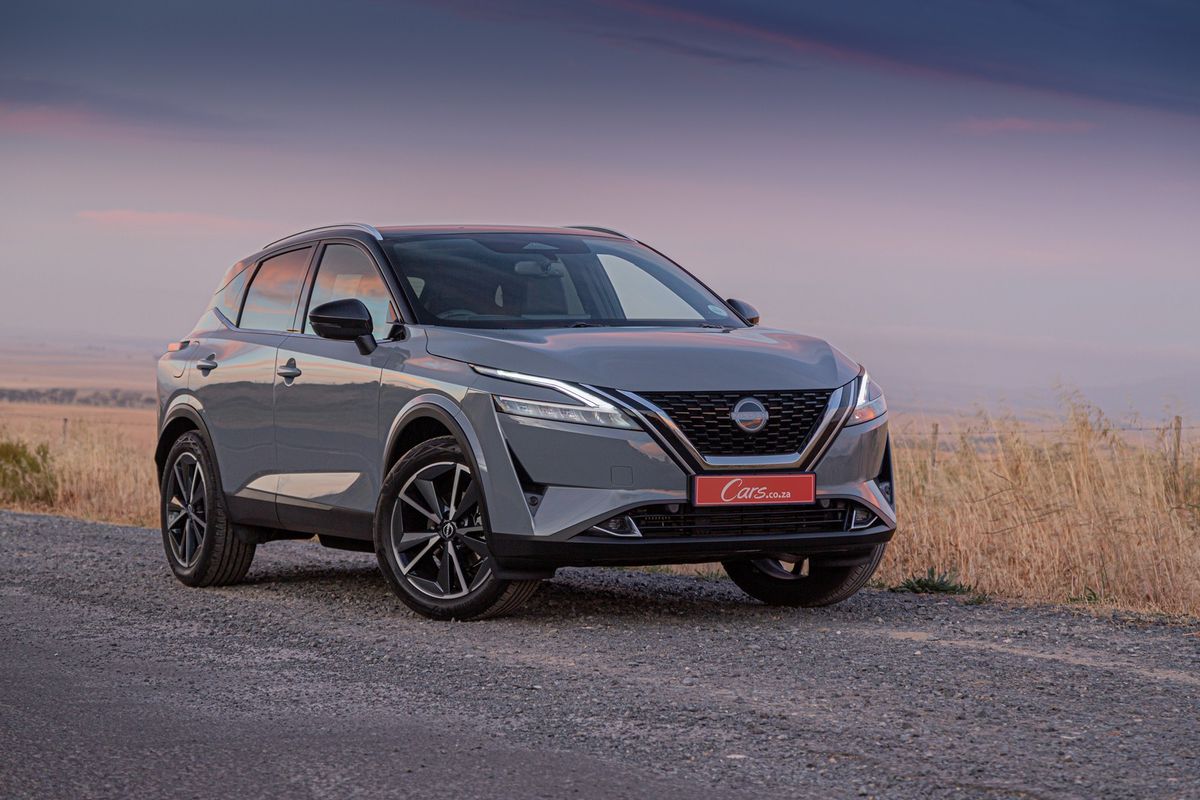
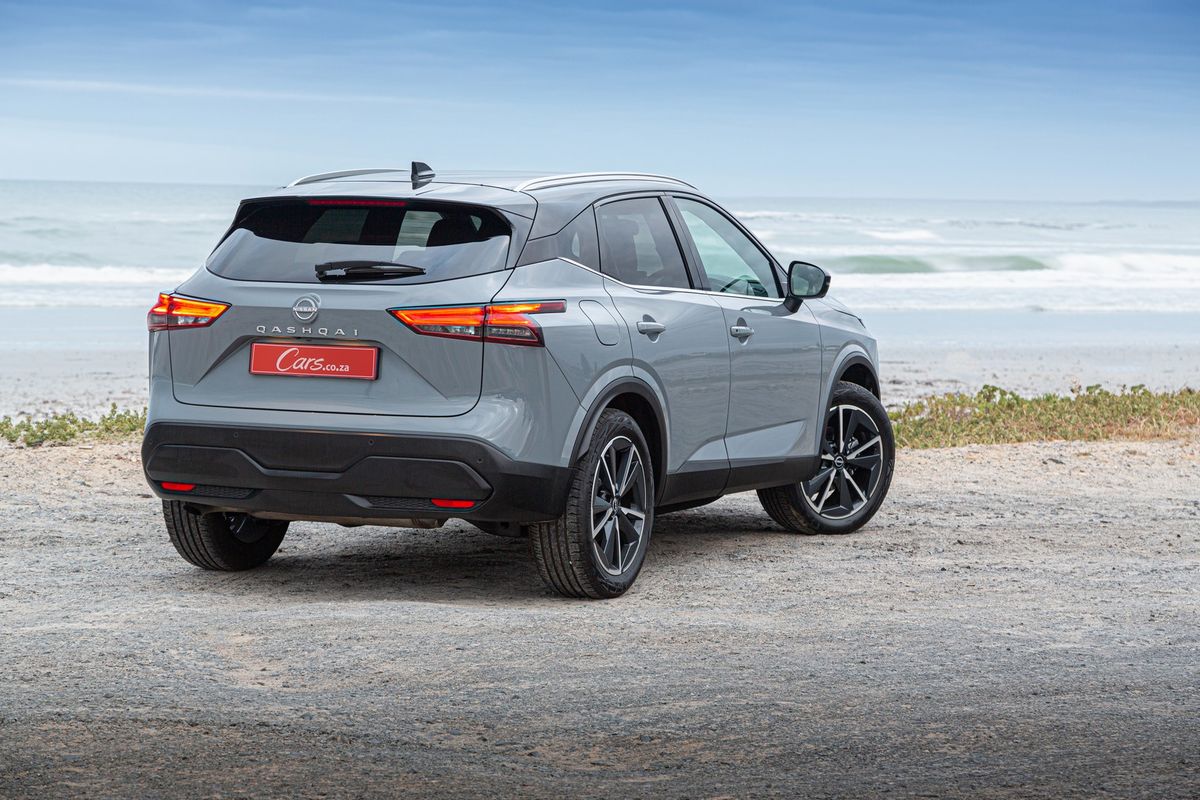
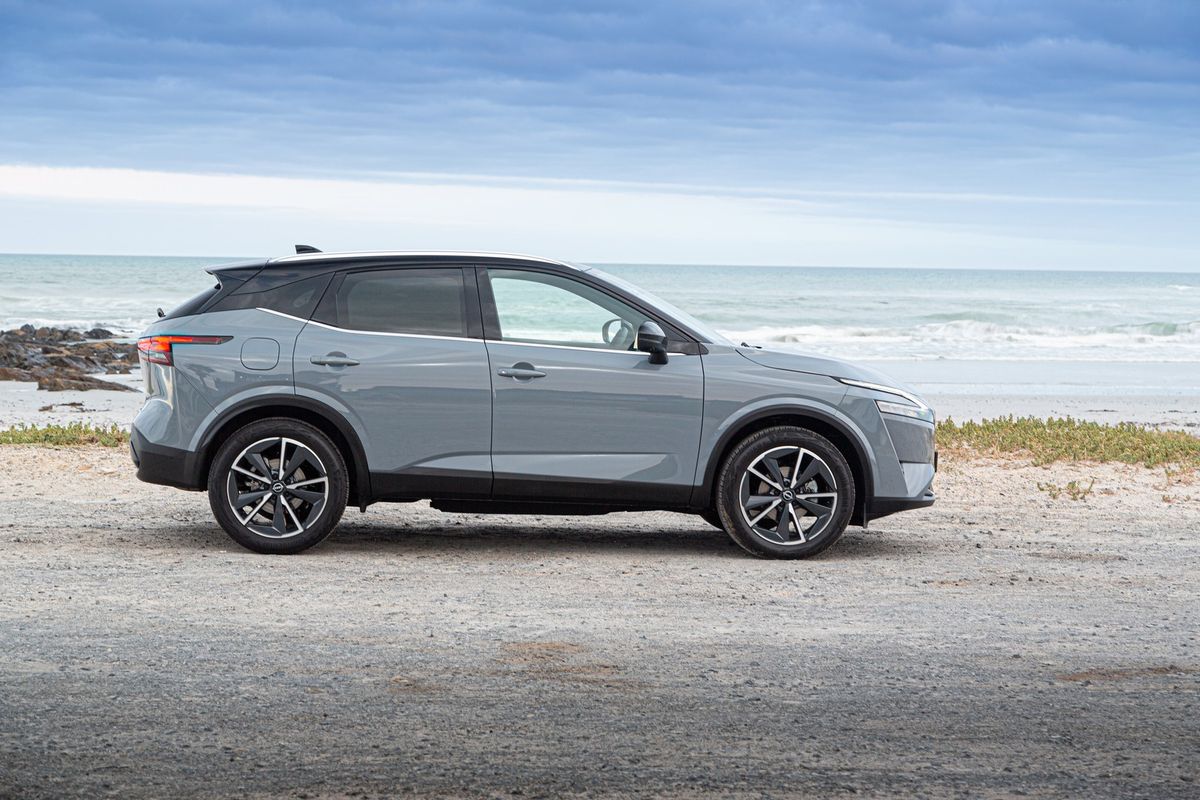
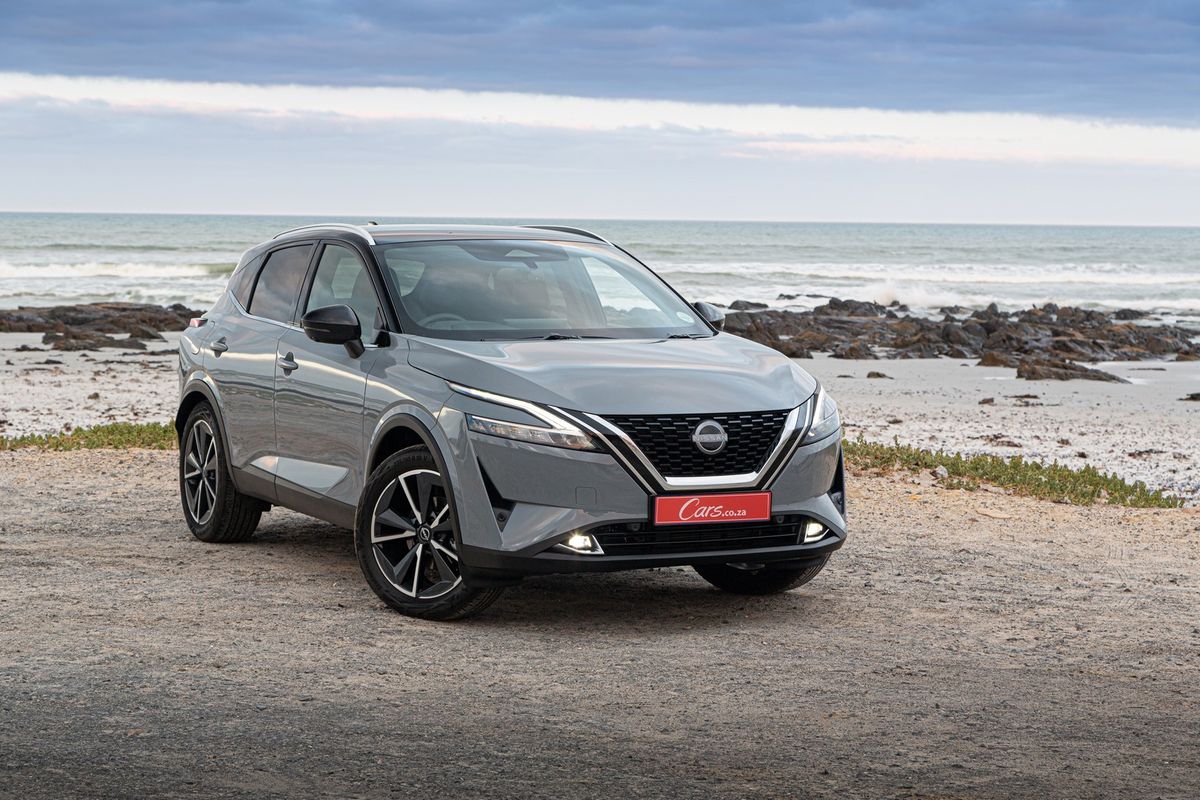
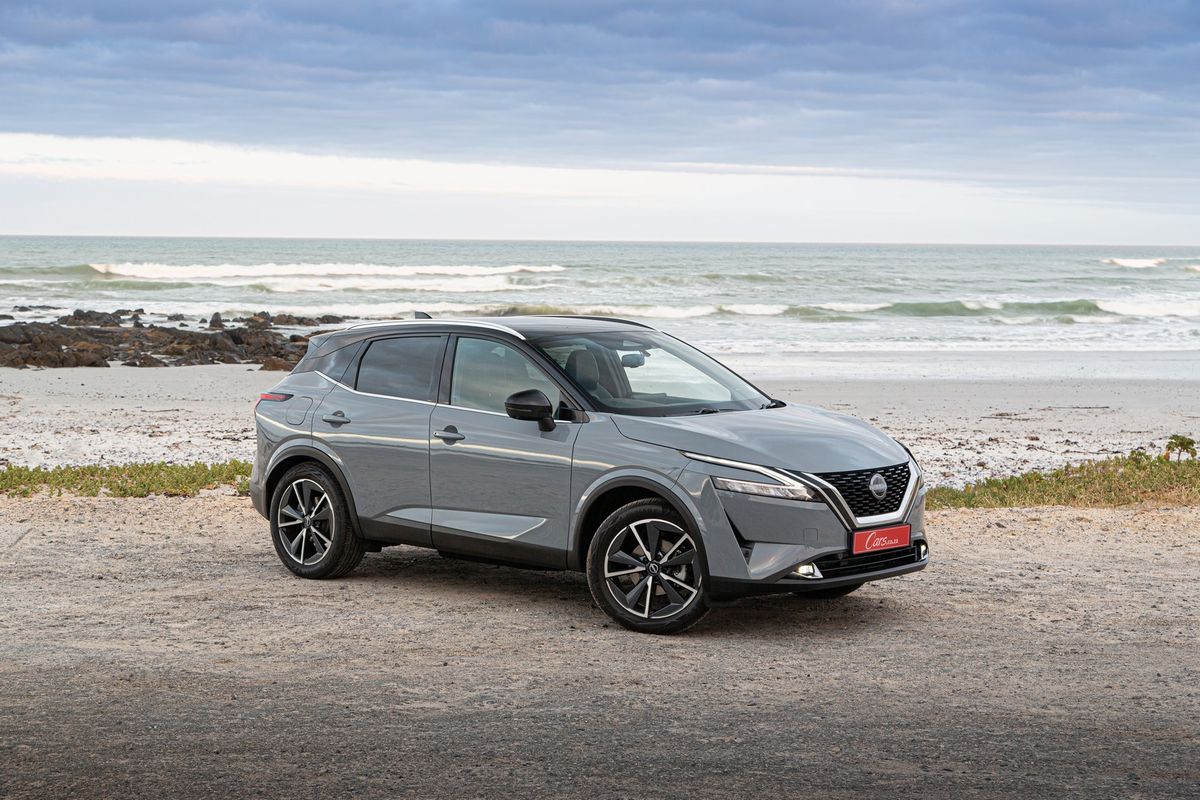
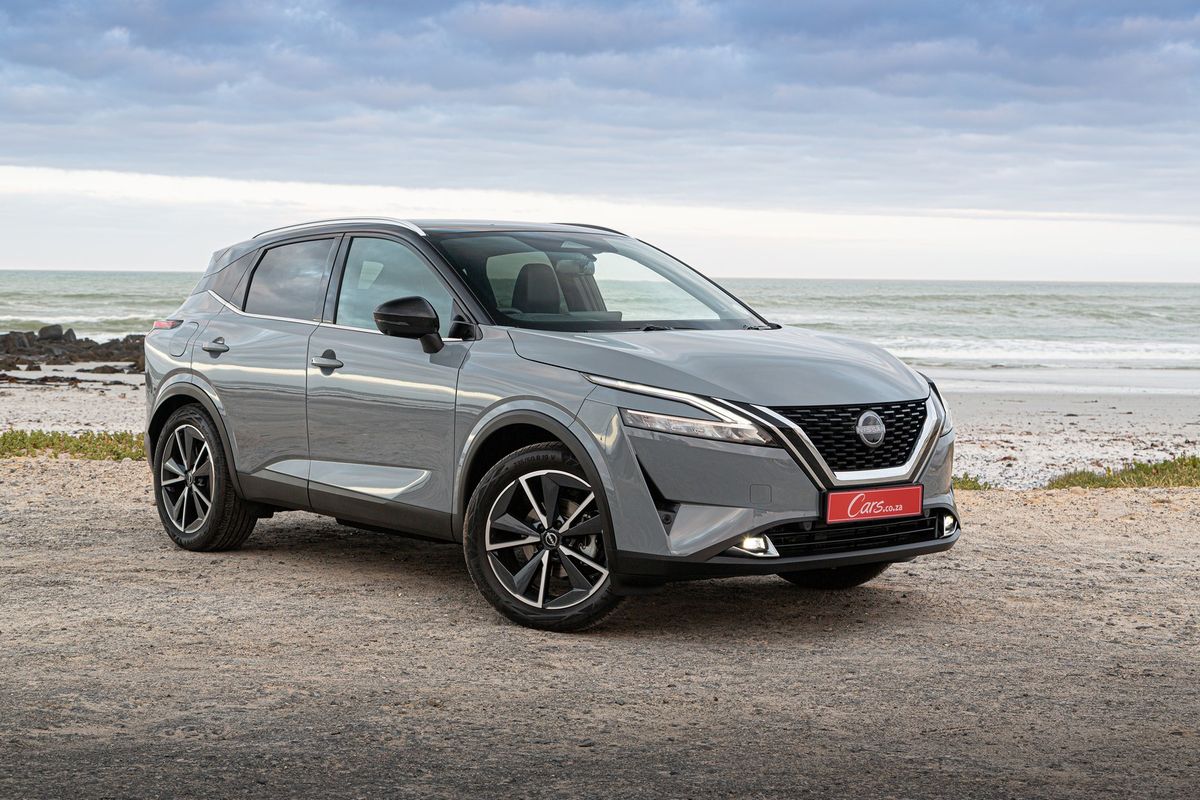
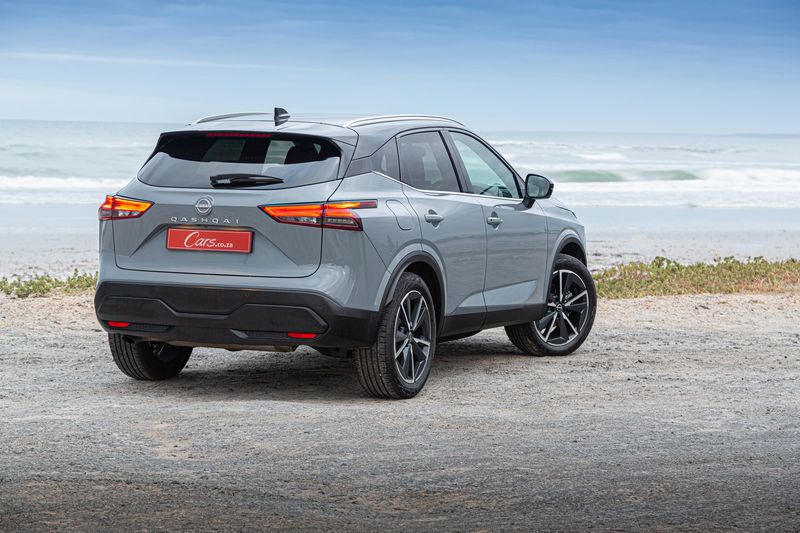
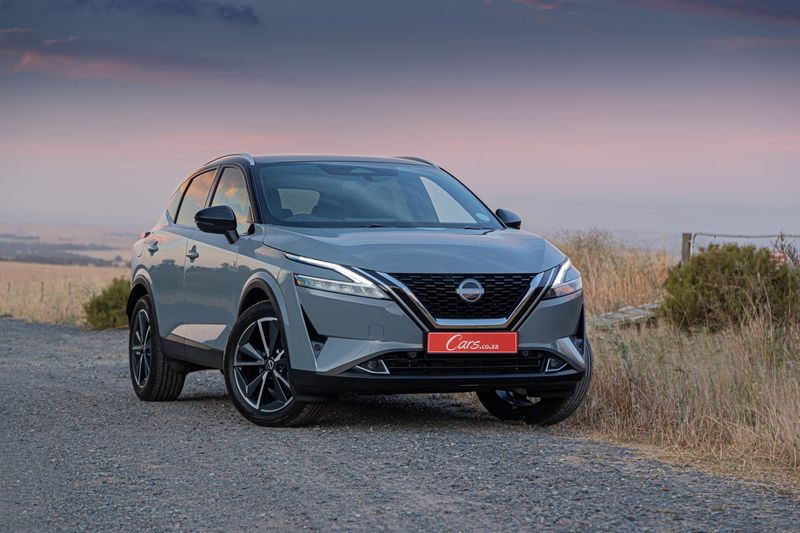
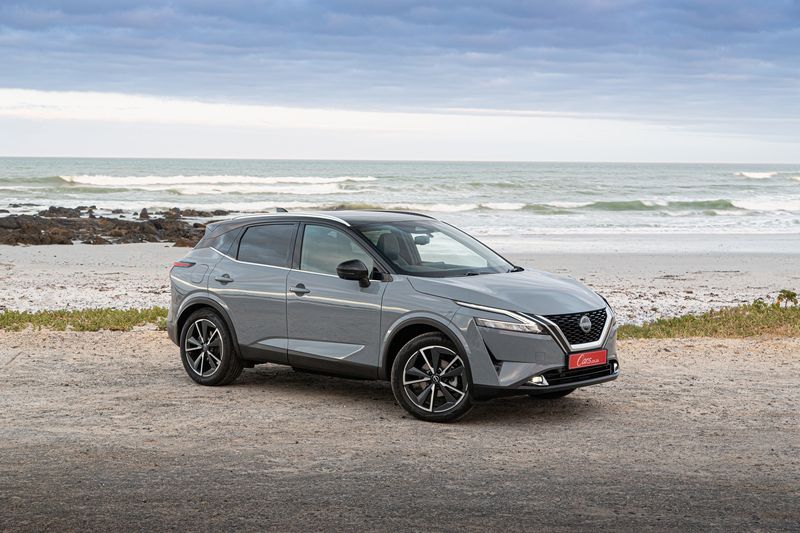
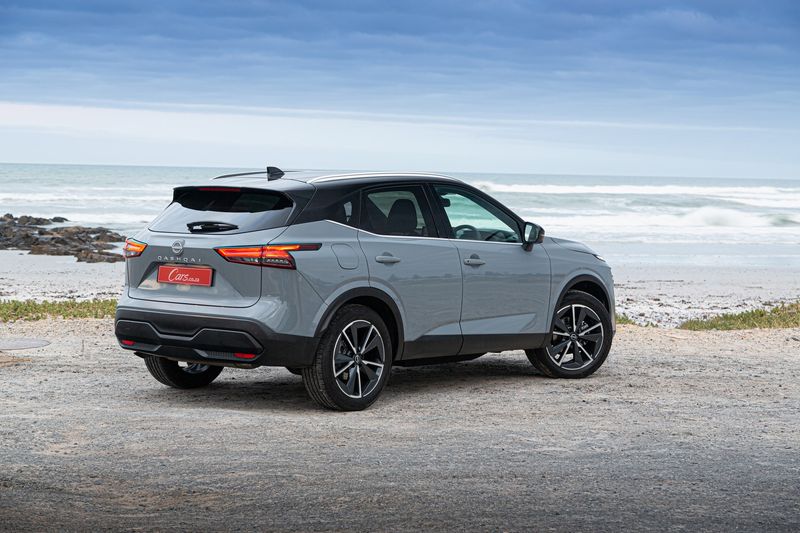
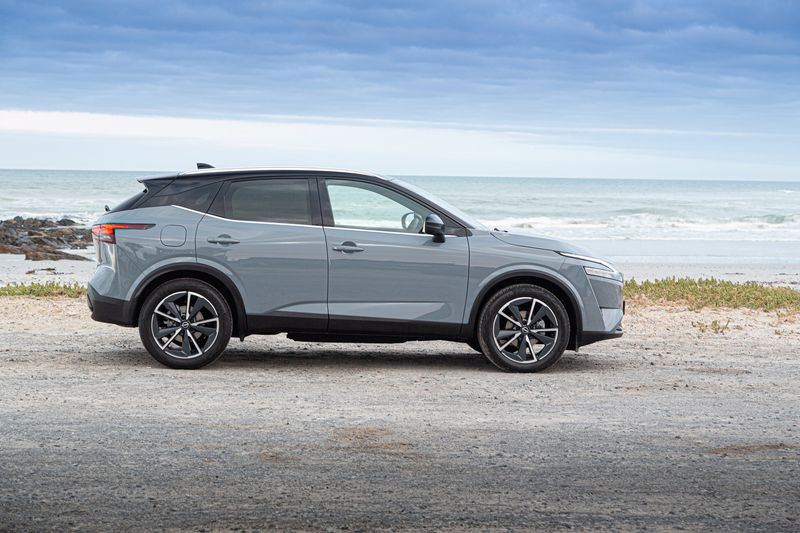
The Qashqai line-up comprises 3 derivatives; there are manual and auto versions and prices start at R568 200. Tested here is the flagship 1.3T Acenta Plus (R670 600). Right off the bat, this is a freshly styled and eye-catching motor vehicle. Perhaps it was the Ceramic Grey two-tone paint, or its bold face with futuristic LED lights, but it drew many onlookers’ attention.
When it comes to rivals to the Qashqai, many brands offer products in this space. By sorting the results of our Buyer’s Guide and Compare Tool searches by values such as the number of seats and driven wheels, we came up with a long list of alternative models that are priced around R650k. Bigger family cars such as the Hyundai Tucson, Mazda CX-5, Kia Sportage, Toyota RAV4 and VW Tiguan occupy this space, albeit with entry- to mid-spec trim levels.
There are some left-field alternatives, such as the all-wheel-drive Forester and the oh-so-stylish 3008 from established brands Subaru and Peugeot, but don’t discount models such as the Chery Tiggo 8 Pro and Haval H6 – they offer excellent value and are great to drive too.
See also: The latest Nissan Qashqai specifications and pricing
How the Qashqai fares in terms of…
Performance and economy
The Renault-Nissan-Mitsubishi alliance’s 1.3-litre 4-cylinder turbopetrol motor is utilised in all Qashqai derivatives. Interestingly, due to Nissan’s partnership with Daimler/Mercedes-Benz, this engine is also used in the German marque’s compact models, such as the A-Class. In the Qashqai, it develops 110 kW/250 Nm and drives the front wheels via a continuously variable transmission (CVT). The entry-level version has lower outputs – and a manual ‘box.
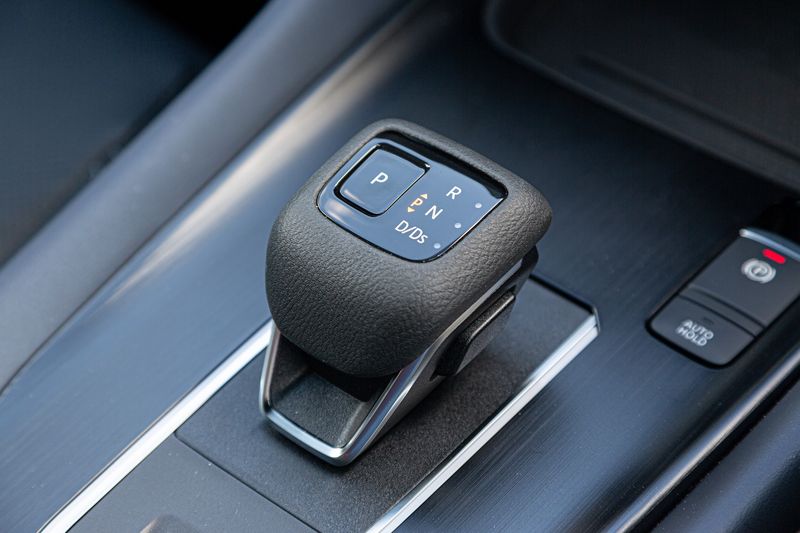
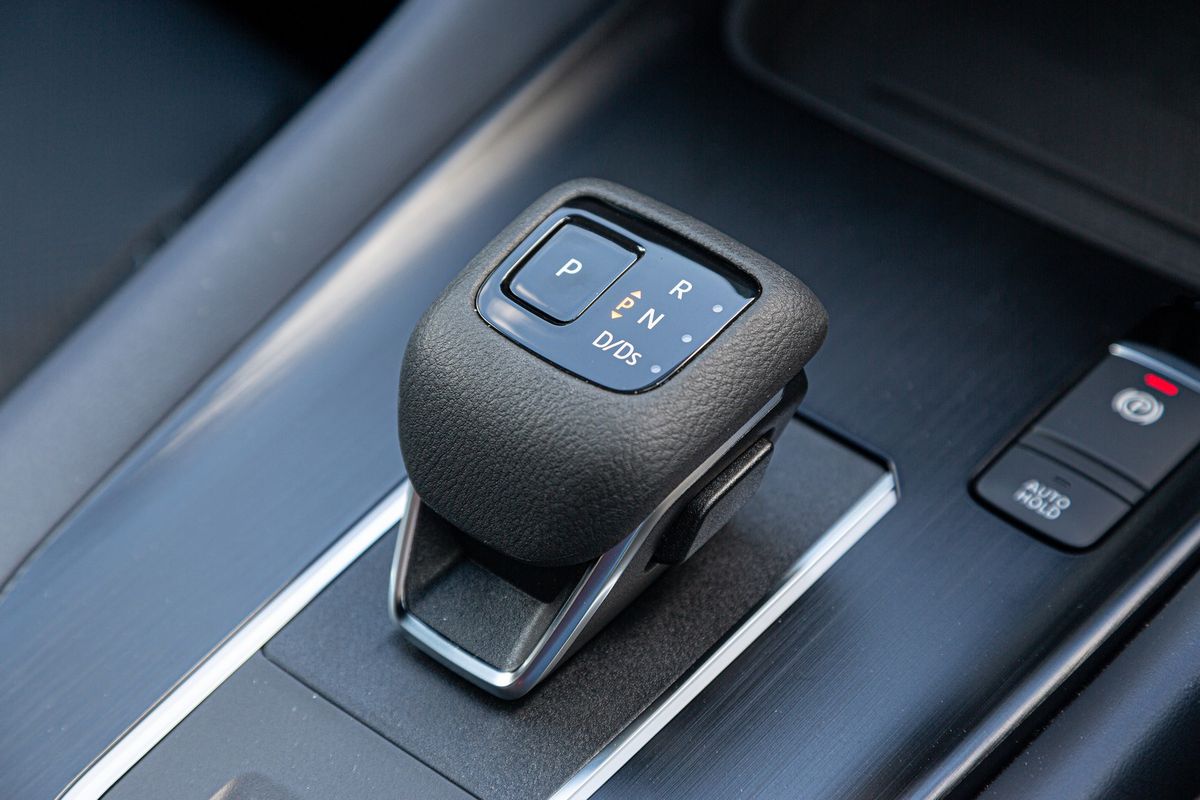
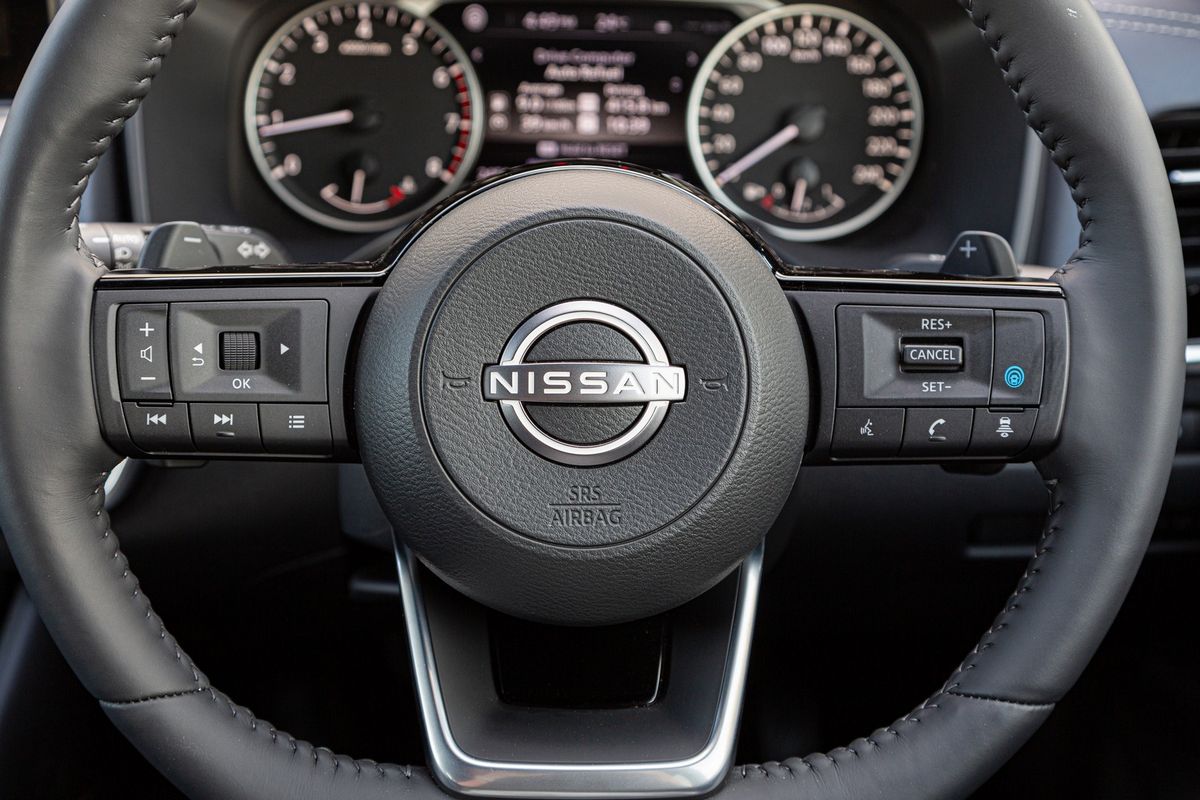
The good news is that the CVT is one of the best in the segment; it’s evidently a new-gen unit that’s well-calibrated to the engine’s performance characteristics, because it behaves much like a conventional torque-converter-type automatic transmission. Not only does Nissan’s newcomer deliver smooth acceleration – it even comes equipped with gearshift paddles on the steering wheel; when you use them, they create a satisfying illusion of “changing gears”.
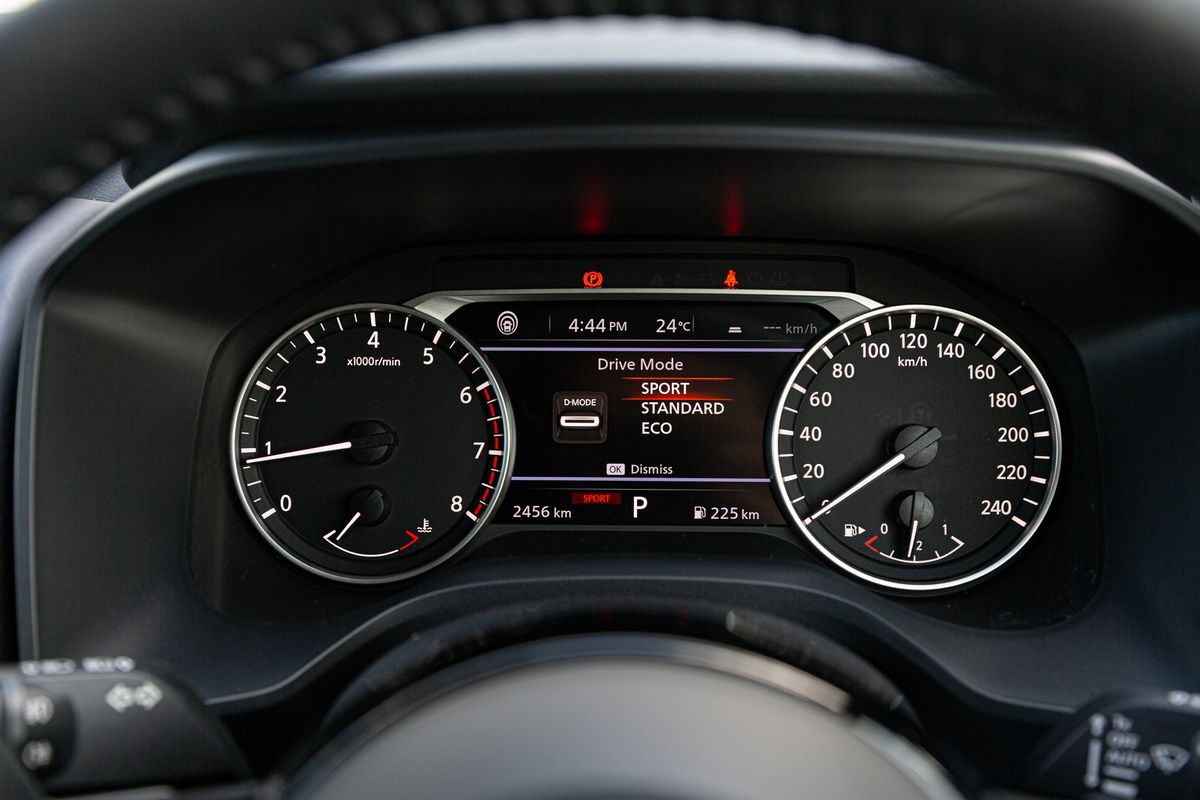
There’s precious little of that typical CVT drone, unless you flatten the accelerator pedal. That was exactly what we did, obviously, to see just how it would fare against the stopwatch. With its Sport drive mode engaged, the Qashqai achieved a 9.71-sec 0-100 kph sprint time, which is fine. Its powertrain’s quite responsive, particularly when you need to overtake slower traffic.
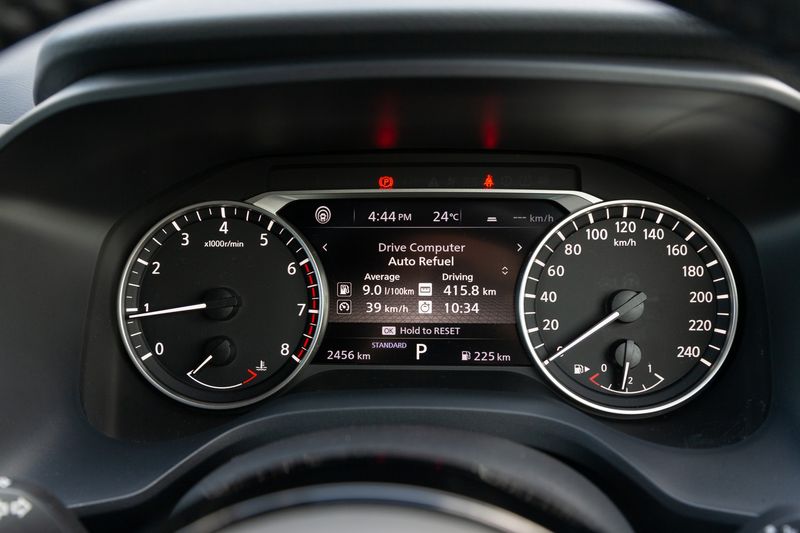
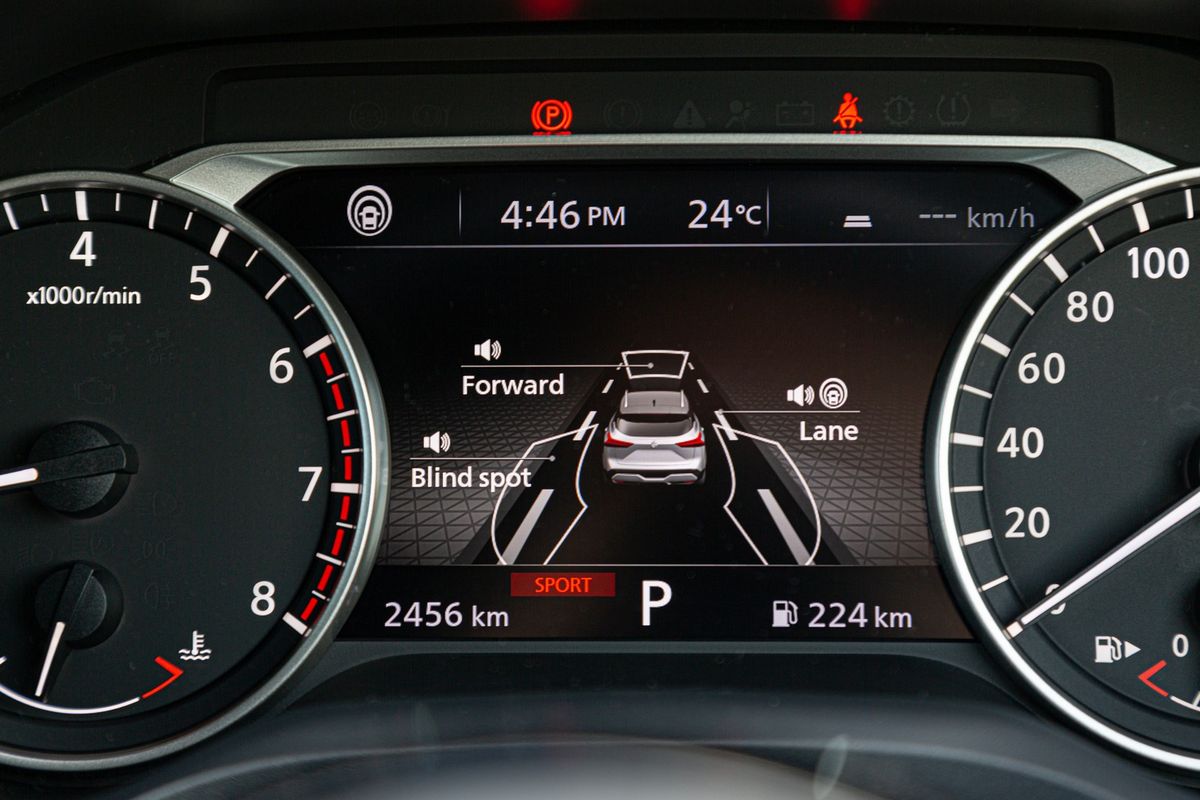
Whereas the powertrain’s refined – the cabin’s largely devoid of mechanical noise – it does fall short in terms of fuel economy. At the end of the test, the Qashqai indicated 9.0 L/100 km, which is a bit more than Nissan’s claim of 6.1 L/100 km. We utilised the Standard mode most of the time, so you should be able to better our return if you favour the Eco mode and drive conservatively. The fuel tank holds 65 litres – it’s larger than those of most of its rivals.
Ride and handling
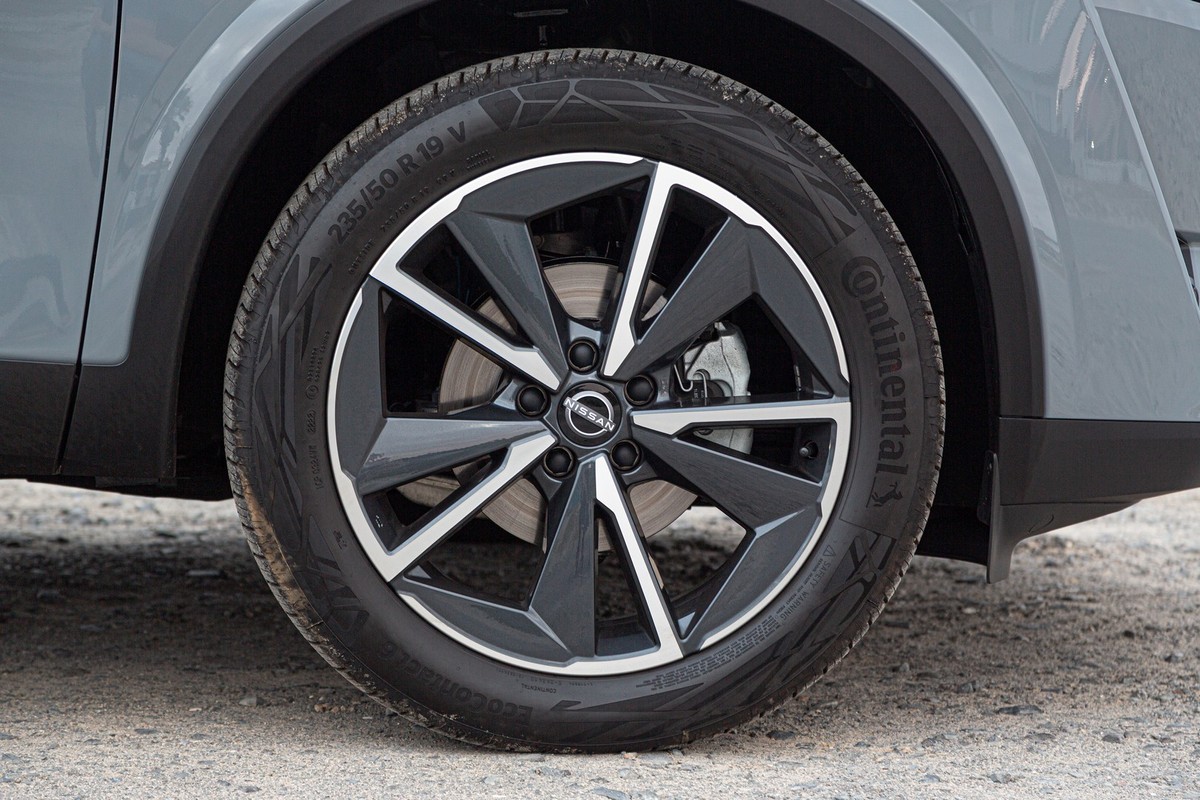
Previous iterations of the Qashqai were renowned for their forgiving suspension setups and the new model is no exception. Many top-spec small crossovers are dressed up to look sporty and their bigger wheels tend to contribute to rather firm ride qualities, but this Nissan again prioritises comfort. Despite our test unit being the flagship – it rides on large (19-inch) alloy wheels – the Qashqai rode quietly and comfortably, irrespective of the road surface quality.
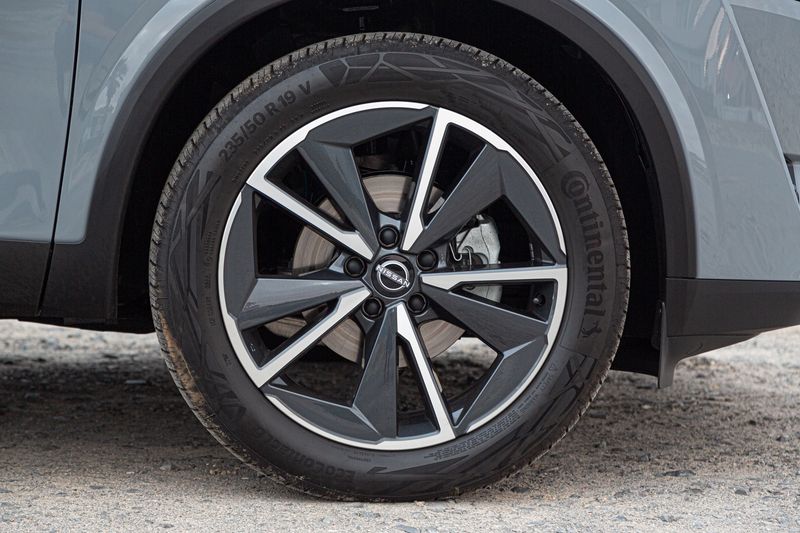
We traversed an unusually surfaced European-style road in the Stellenbosch area (made from old bricks!) and the Qashqai positively breezed over them; not once did it become unsettled. Better still, under 100 kph the noise generated by the road surface barely entered the cabin.
The refinement of the Qashqai is particularly impressive, especially when you consider that Nissan is not regarded as a premium brand, and yet this new offering delivers “Teutonic” levels of comfort and quietness. On the downside, however, because the Qashqai eschews sportiness in favour of outright comfort, it’s not exactly the most engaging vehicle to drive.
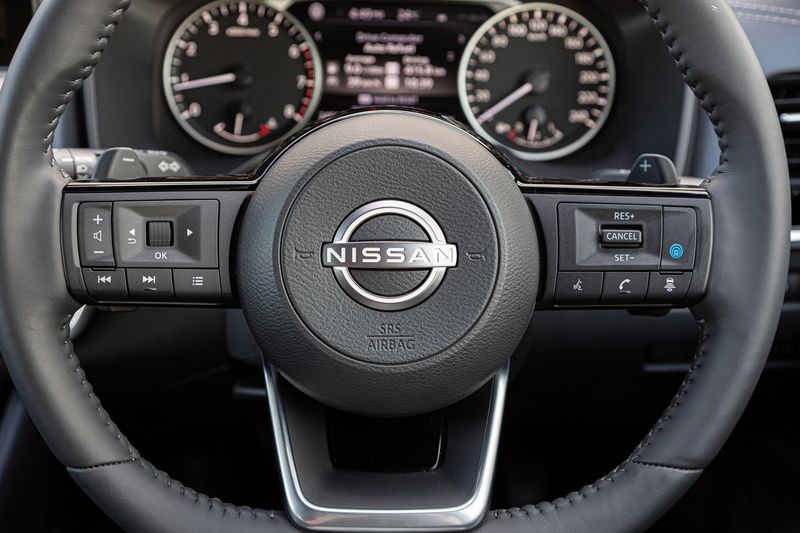
That’s all good and well if you just want a comfortable family car that is relaxing to drive, but if you – like us – want to extract some enjoyment from driving, you’re unlikely to find many thrills here. Fortunately, it’s not a deal-breaker. The steering setup is pleasantly light, which largely takes the hassle out of parallel parking and navigating congested city traffic.
Features, tech and safety
All three Nissan Qashqai derivatives come well-equipped with standard features, especially the Acenta and Acenta Plus versions. Not only do you get more features, but the powertrain offers more power and a smoother driving experience, thanks to that rather well-sorted CVT.
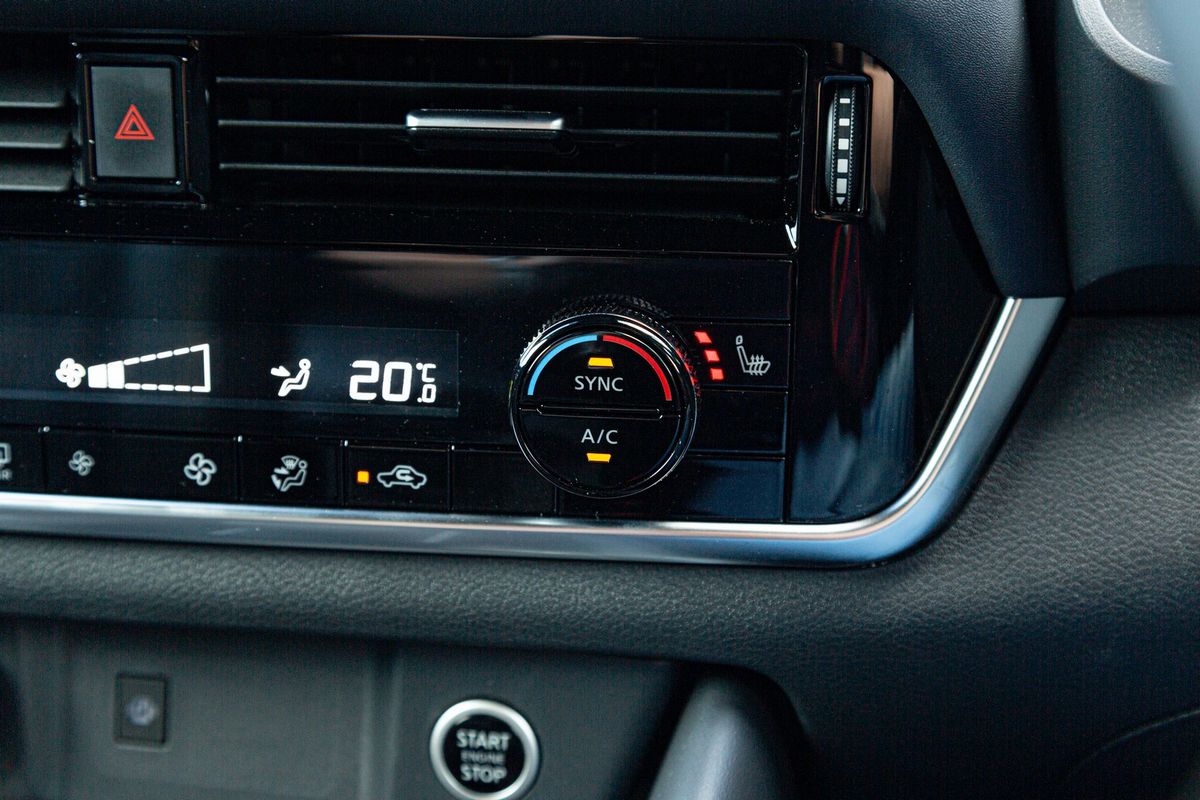
The 1.3T Acenta Plus may be priced concerningly close to R700k, but, by small-crossover (and even medium-SUV) standards, it’s a generously specced proposition. You’ll be perched on supportive and comfortable leather seats that offer heating – and massage – functions at the front, while enjoying your favourite songs through the Bose 10-speaker audio system.
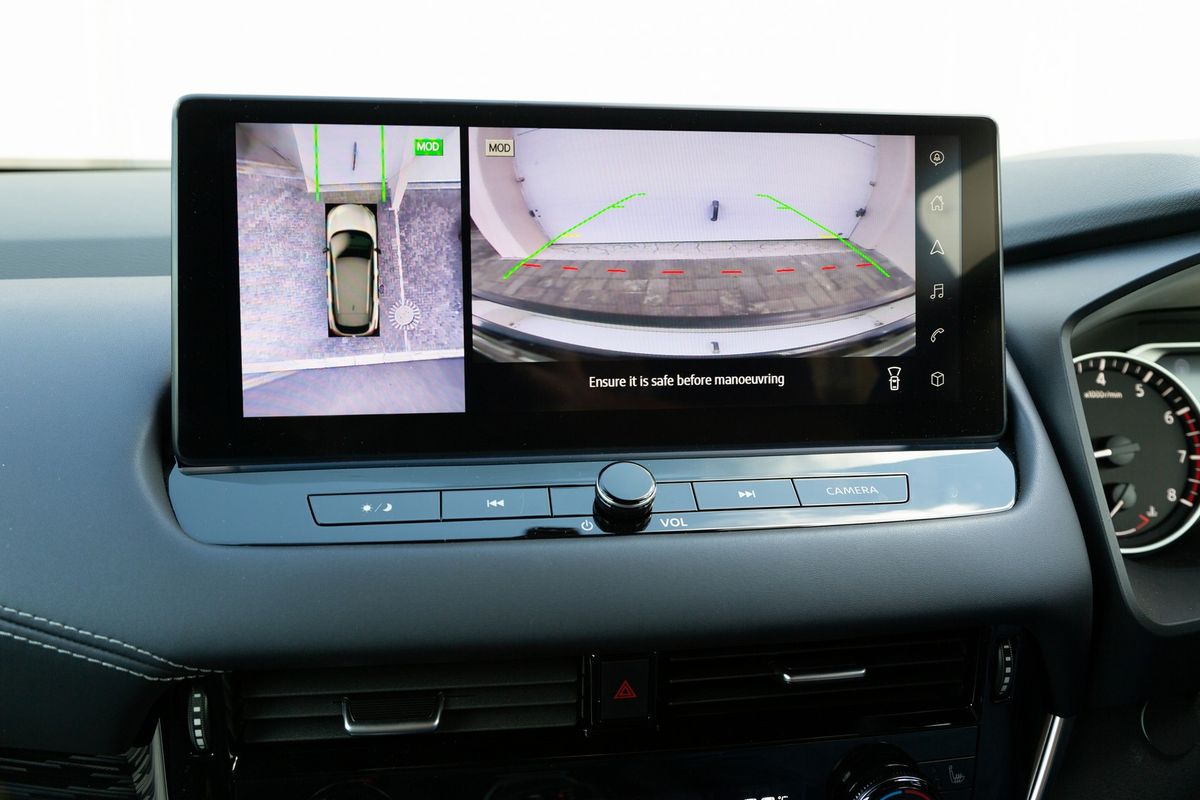
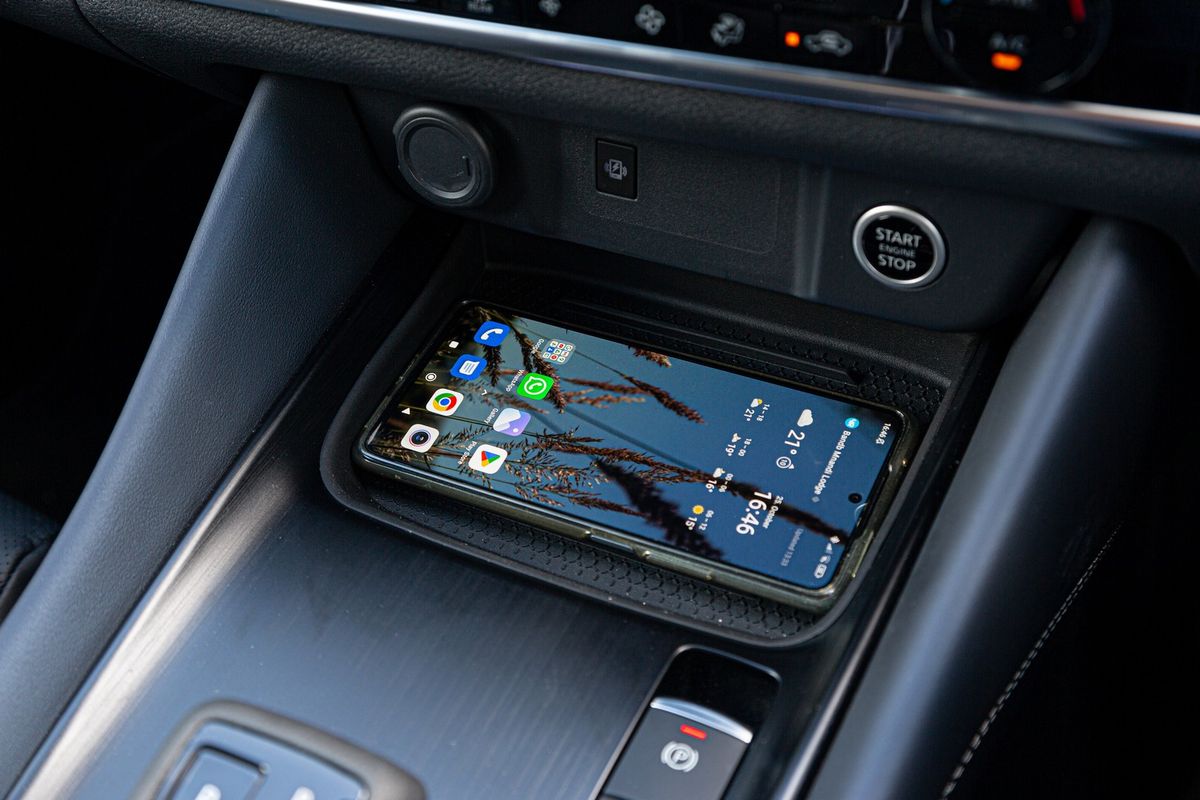
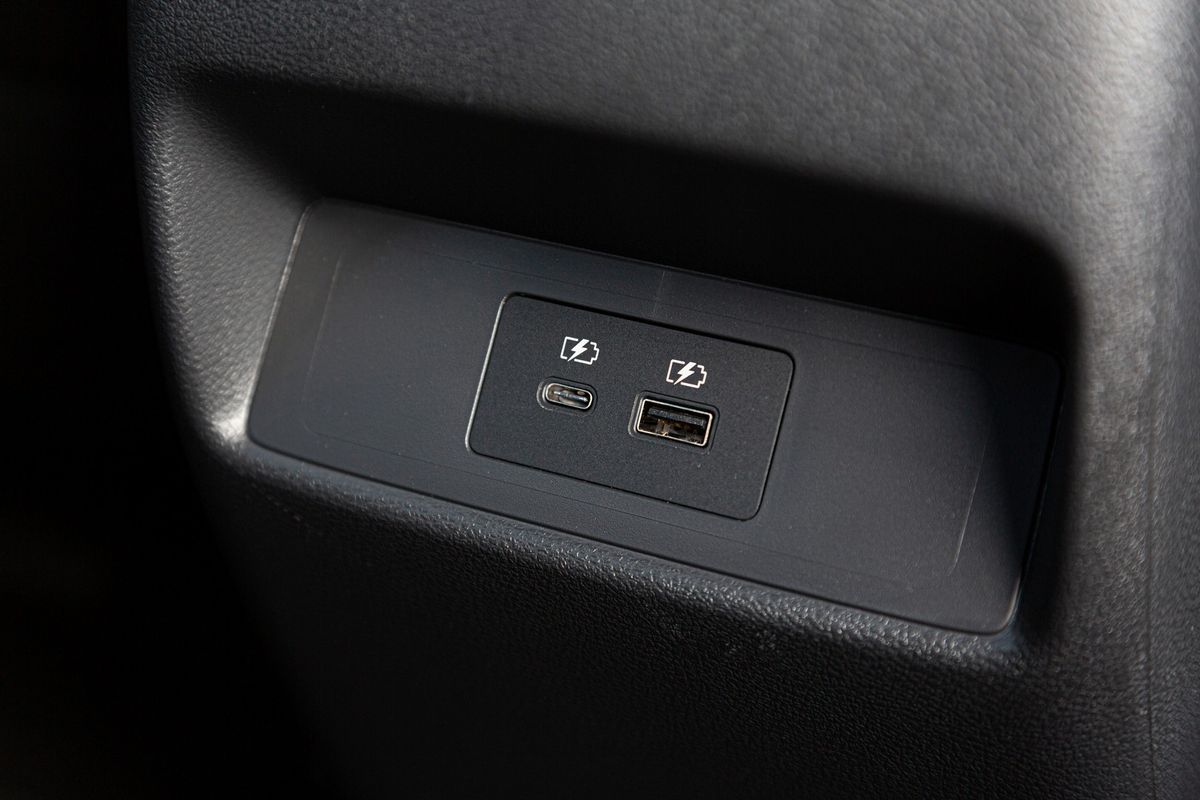
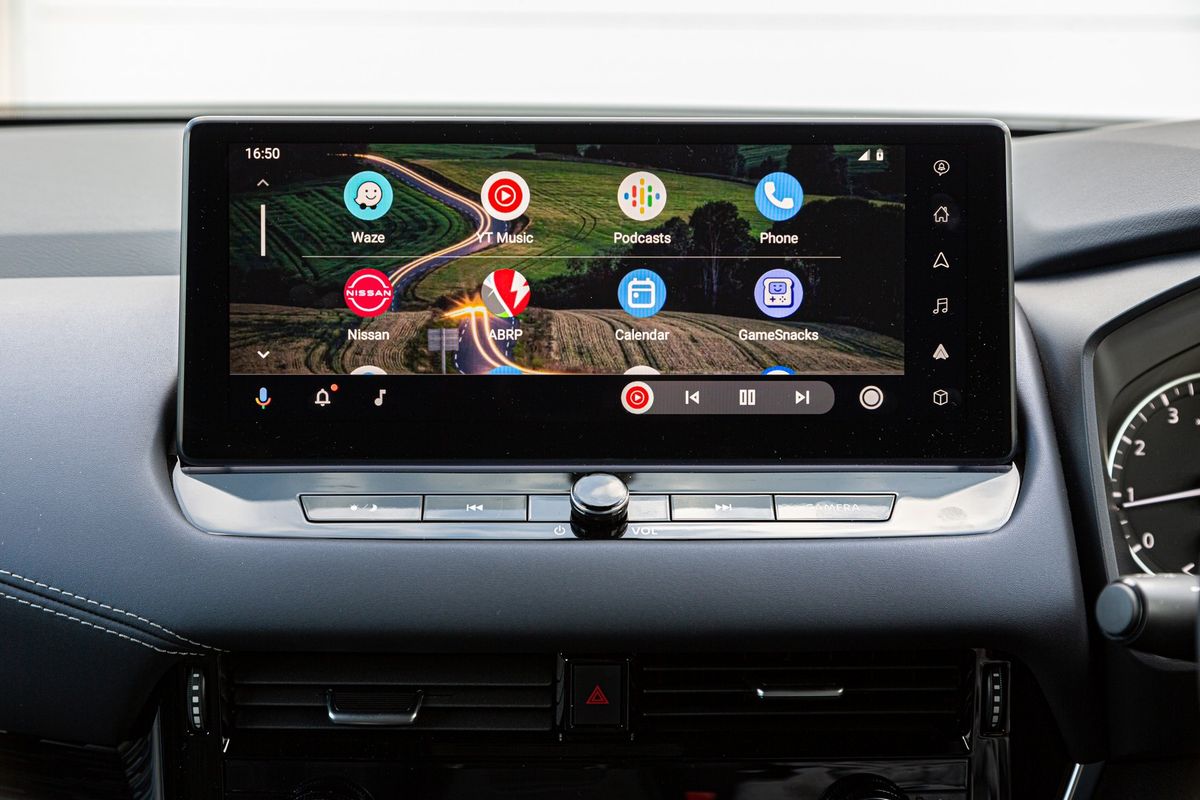
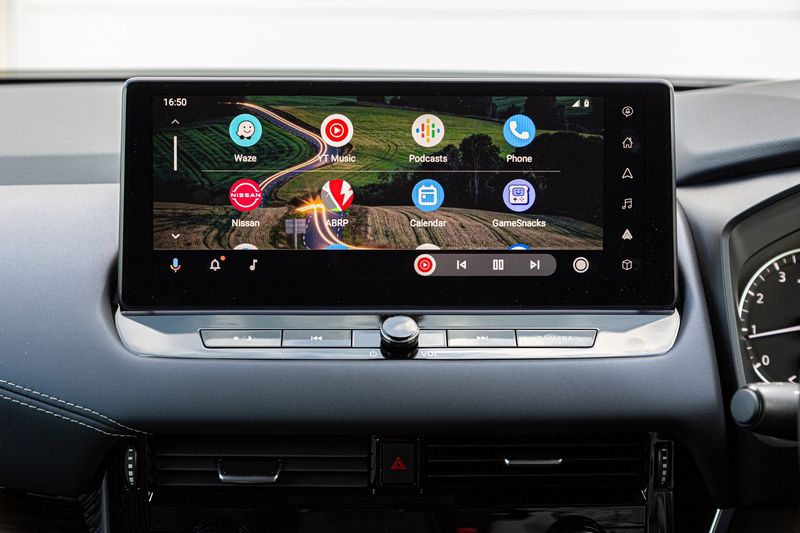
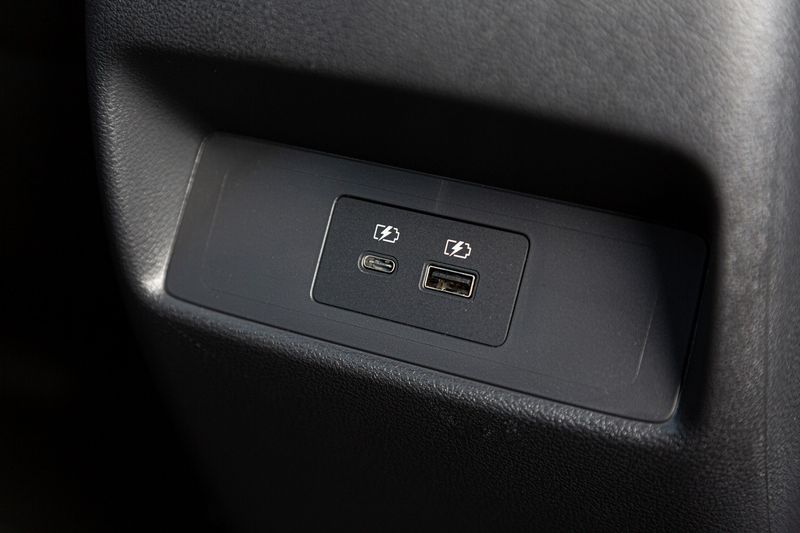
Other noteworthy features include a 12.3-inch infotainment system, which supports Apple CarPlay and Android Auto connectivity, USB-A and USB-C chargers, a wireless charging pad, a 360-degree parking camera, front/rear park sensors and dynamic LED headlights.
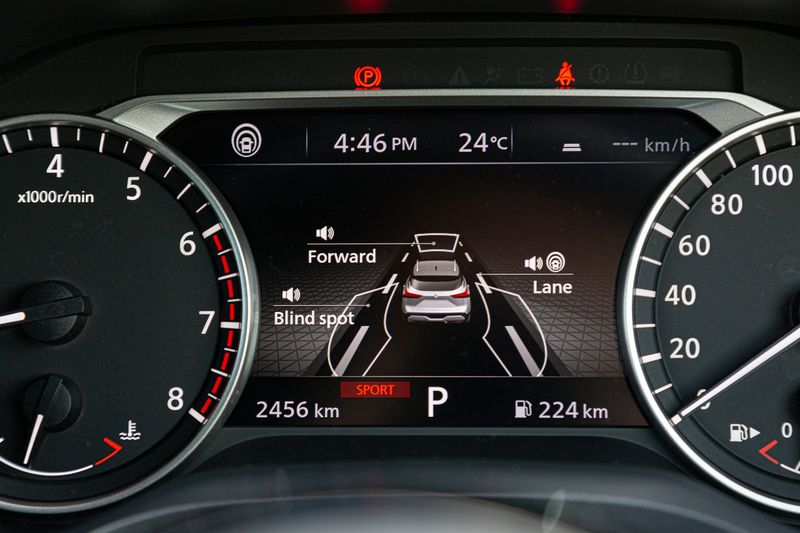
A major highlight is the Qashqai flagship’s array of semi-autonomous safety tech. Top-shelf features, such as adaptive cruise control, lane-keeping assist, blind spot monitoring, rear cross-traffic alert, and our favourite tech, intelligent forward emergency braking, are included.
With the latter, the vehicle will automatically apply braking if it detects that the driver hasn’t reacted quickly enough to onboard collision warnings (it detects vehicles and pedestrians).
In addition to ABS with EBD and electronic stability control, 6 airbags are fitted, while tyre-pressure monitoring is very useful for those who traverse some of SA’s worst-kept roads.
Packaging and Practicality
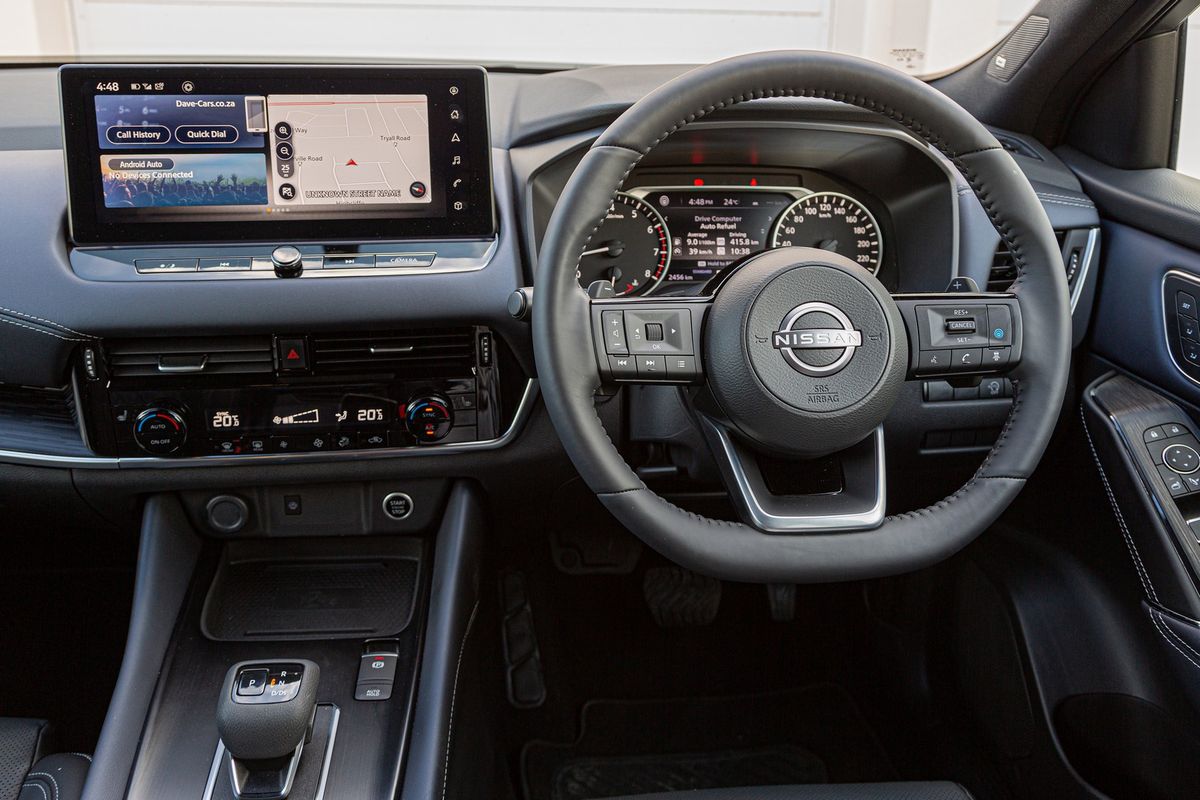
The 1.3T Acenta Plus’ cabin looks and feels notably upmarket, which suggests that Nissan hopes to attract buyers who’d usually consider premium brands’ models… The build quality is up there with the best in the segment – panels line up neatly, materials feel plush, and the switchgear wouldn’t look out of place in a similarly sized model made by a German marque.
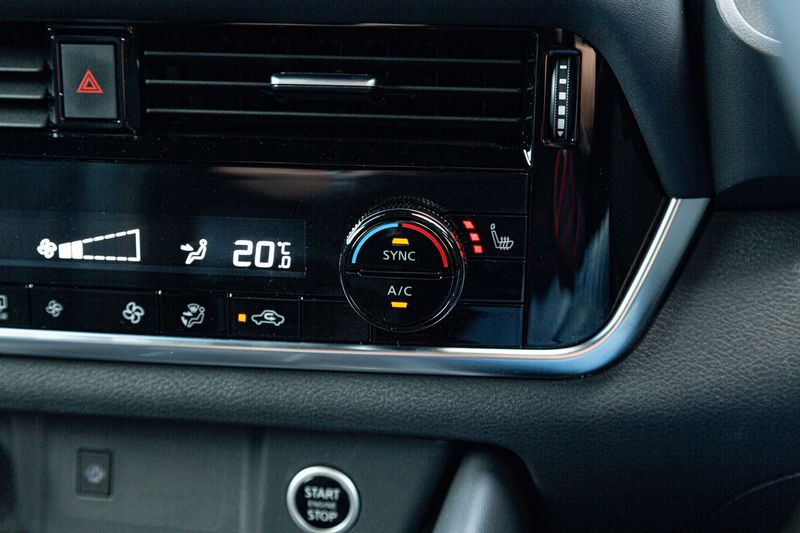
Not only does the Qashqai’s interior create a distinctly upmarket ambience; it is designed to maximise ergonomic efficiency (user-friendliness). Clearly, Nissan’s factory in Sunderland –and the firm’s designers elsewhere – are at the top of their games, which is praiseworthy.
The position of the driver’s seat, for example, is spot on; it offers excellent visibility all-round and enough height to instil that premium SUV feeling that so many buyers crave.
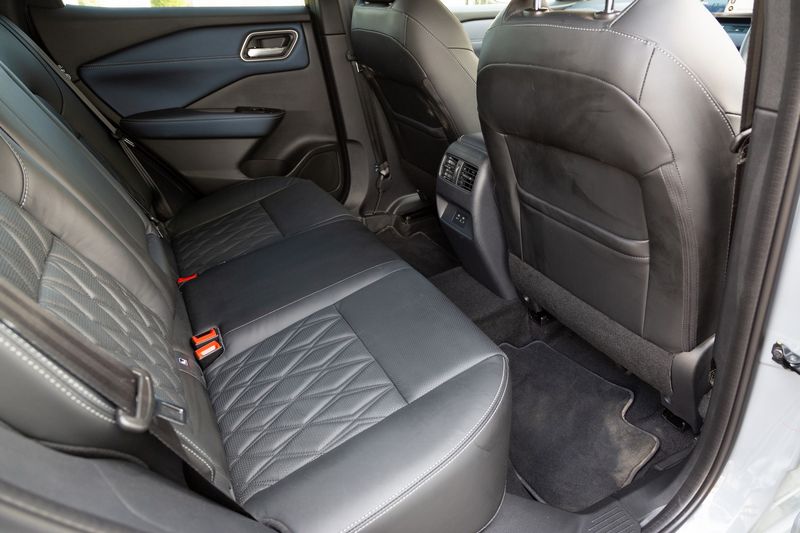
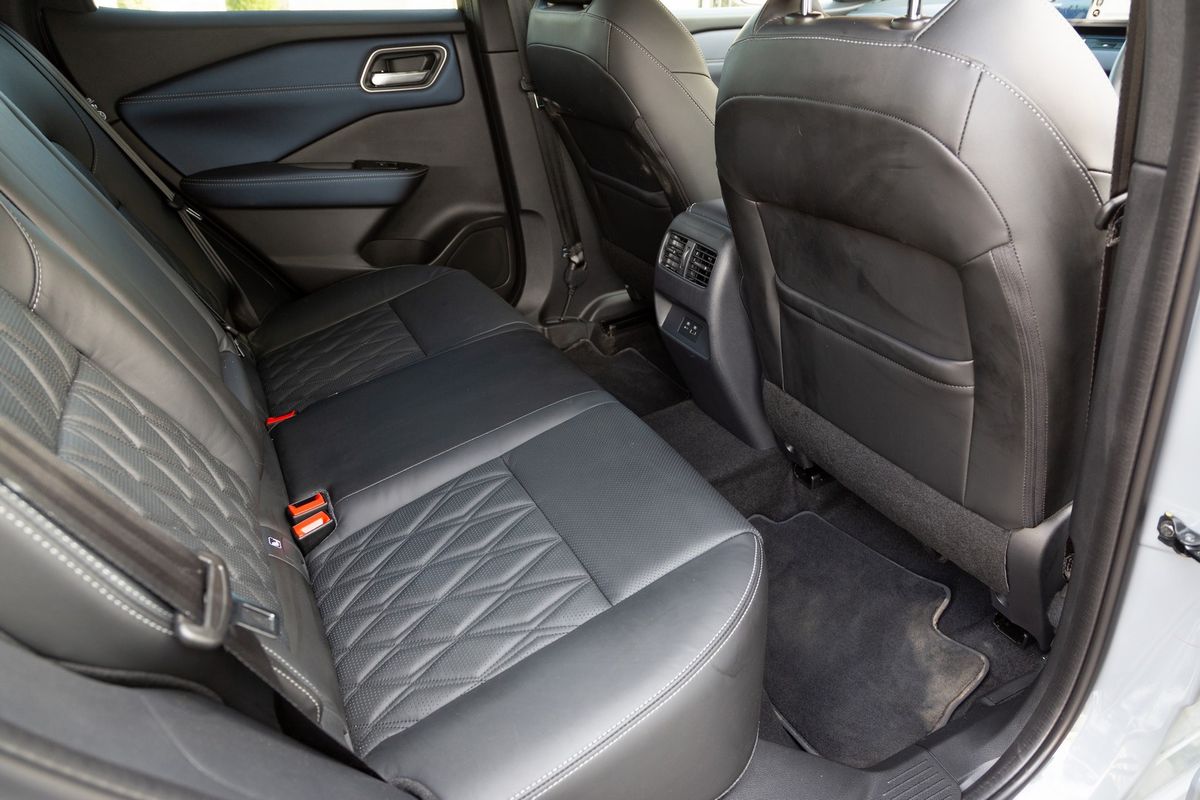
What’s more, rear passengers are afforded satisfactory leg- and headroom. This author is just over 1.9m tall and was able to successfully complete the (time-honoured) sit-behind-yourself set. If you find yourself seated in the back, there are a pair of USB ports to charge devices.
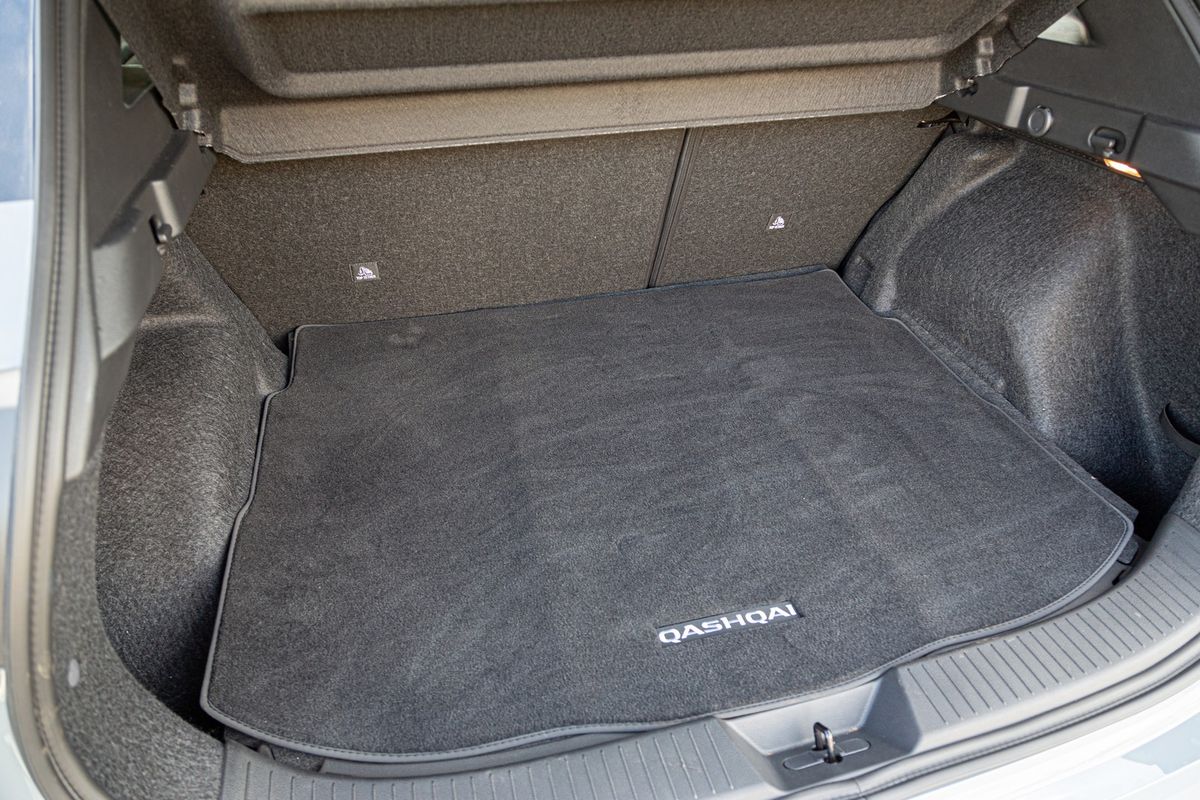
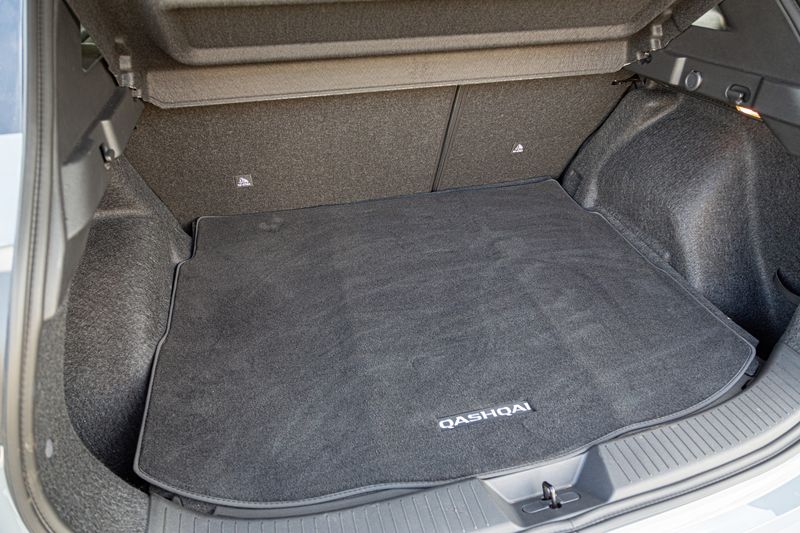
The luggage space is a little on the small side compared with other (medium) SUVs at this price point, but bear in mind the Qashqai is physically smaller than those models. The load bay features a 12V power socket and clever little hooks from which to hang shopping bags.
Looking to sell your car? Sell it on Cars.co.za for free
Price and After-sales support
The Nissan Qashqai 1.3T Acenta Plus costs R670 600 (November 2022), which includes a 3-year/90 000 km service plan, plus a 6-year/150 000 km warranty with roadside assistance.
Verdict
Nissan has achieved phenomenal success with the Qashqai – the 1st- and 2nd-gen models lit up the sales charts and helped to kickstart the small-crossover craze. The third-gen Qashqai is well made and it meets virtually all the requirements of a high-end compact family car. However, it comes at quite a price, literally. The SUV market is ultra-competitive and in this price bracket, there are some tantalising prospects that offer more power and more space.
As excellent as the Qashqai 1.3T Acenta Plus is as a standalone model, we must consider its rivals at the price – and many of them compete in the medium SUV segment. Truth is, the Nissan starts to look uncomfortably expensive if you consider that the larger Kia Sportage GT-Line Plus and Toyota RAV4 2.5 Hybrid GX-R are priced just a few thousand Rand more and offer more performance, interior space and features. A fully-loaded hybrid Haval H6 is priced almost the same as a top-spec Qashqai and outguns it in almost every department.
So, should you buy one? This model sees the Qashqai move upmarket and, in Acenta Plus guise, it’s arguably more of a rival to premium brands’ small crossovers… If you have your heart set on the Nissan, the best value can be found in the Acenta derivative (R639 300). The newcomer’s comprehensive warranty and service plan certainly help to sweeten the deal.
More: Want to purchase a new or used Nissan Qashqai? Browse stock now
David Taylor

Having contributed to multiple motoring titles as well helping run the public relations machine of the Johannesburg International Motor Show, Dave has experience in both sides of the motoring industry. He's based in the Western Cape and is responsible for the performance testing, photography & weekly YouTube news for Cars.co.za.