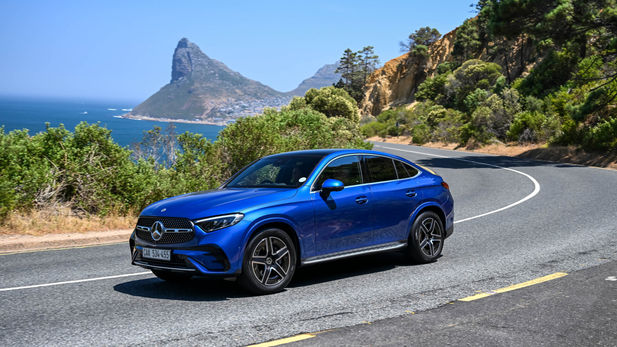
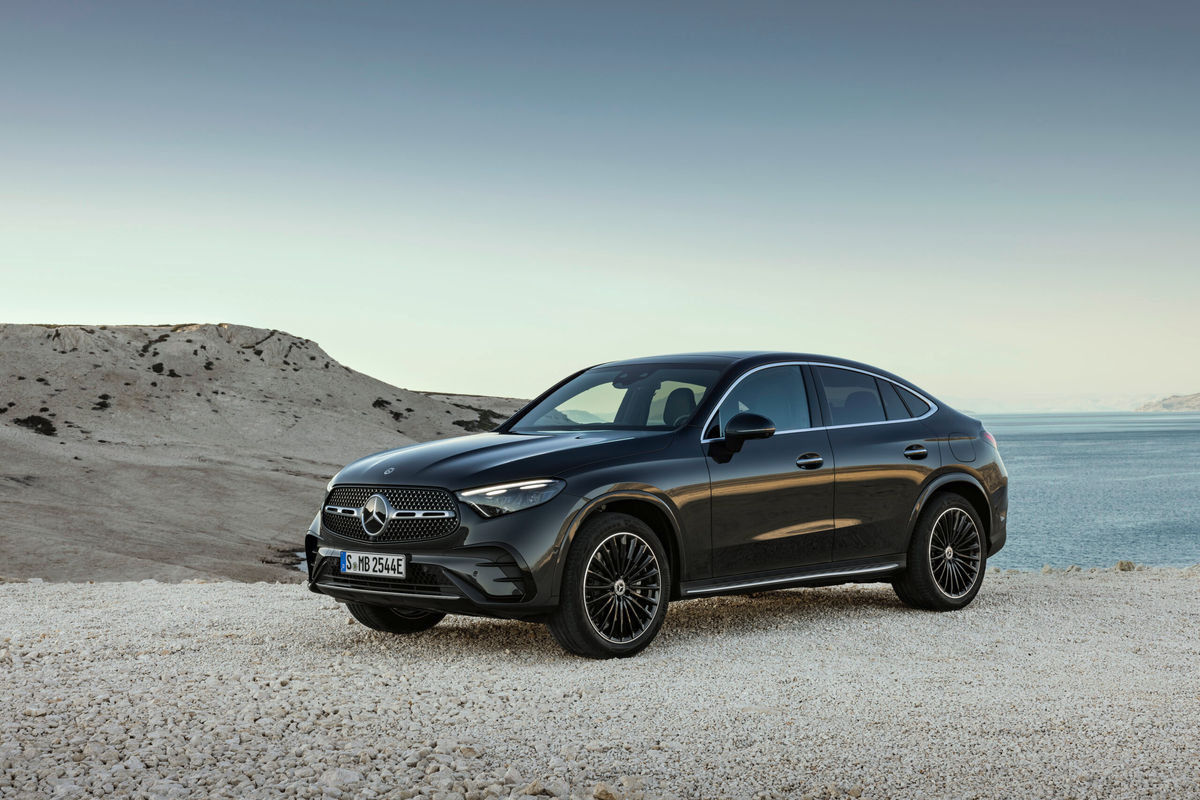
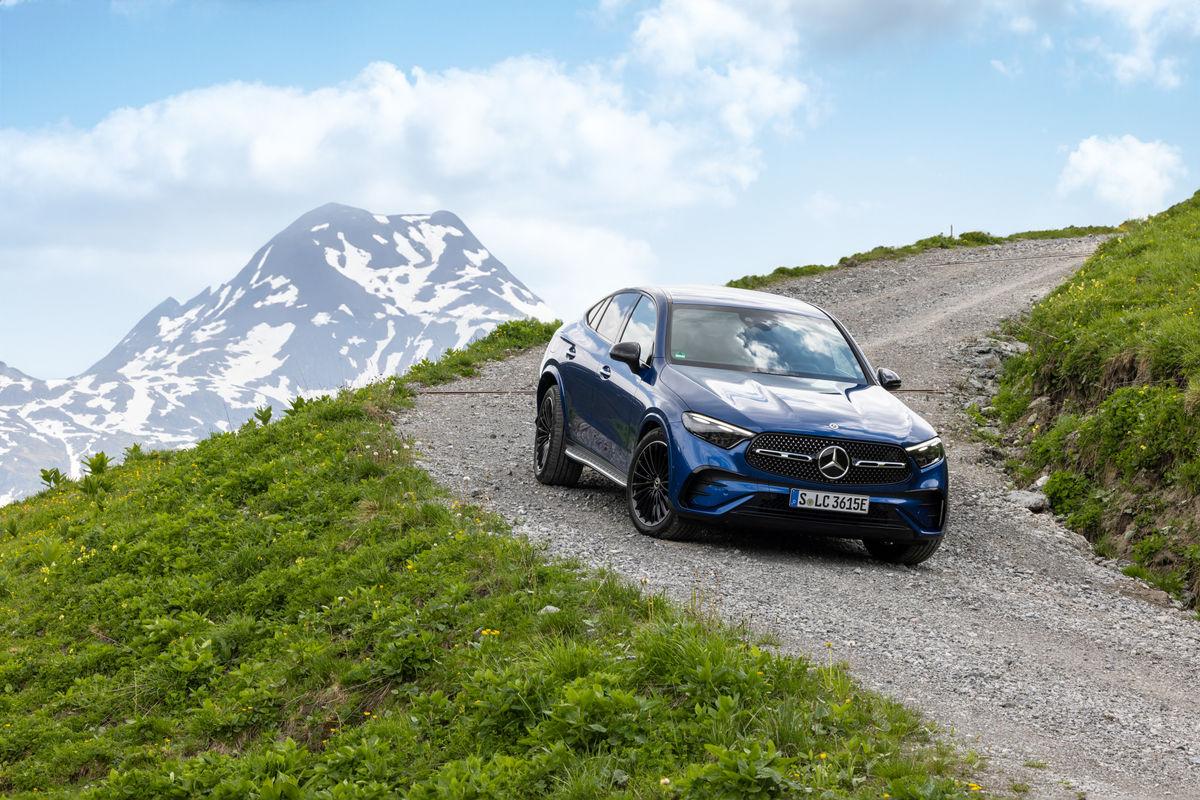
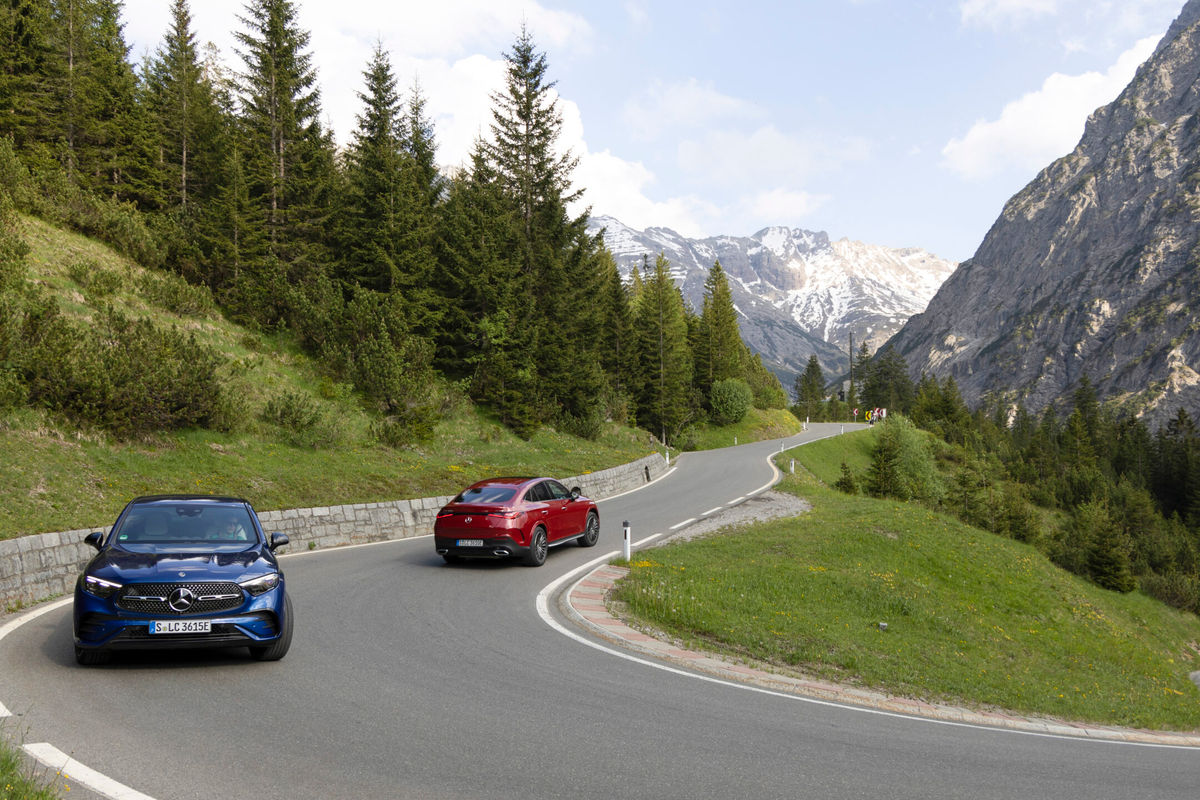
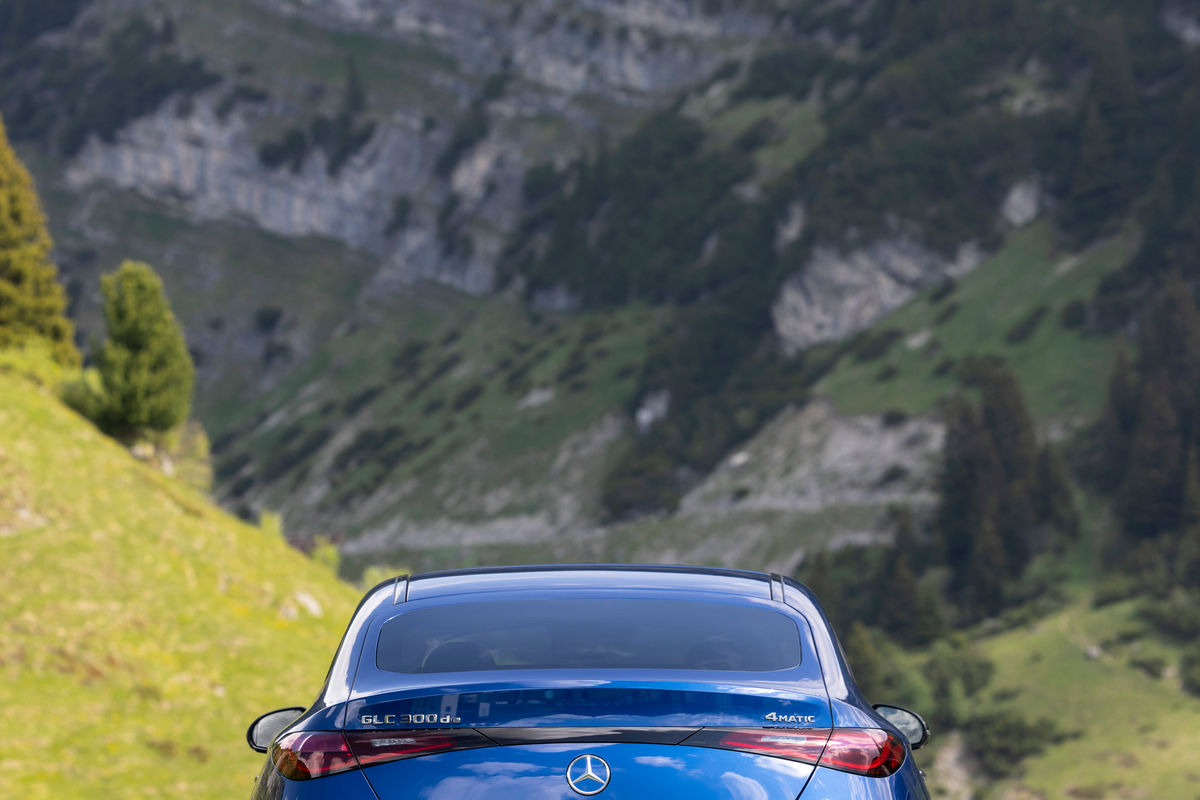
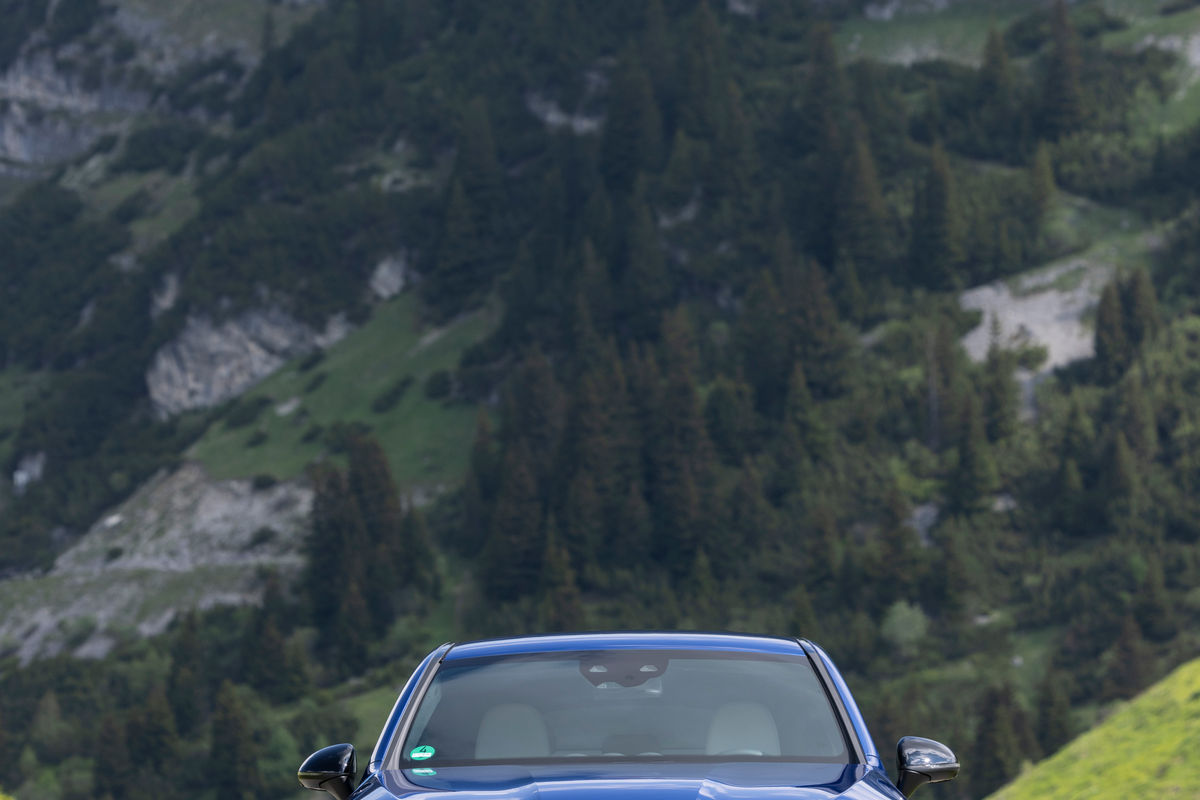
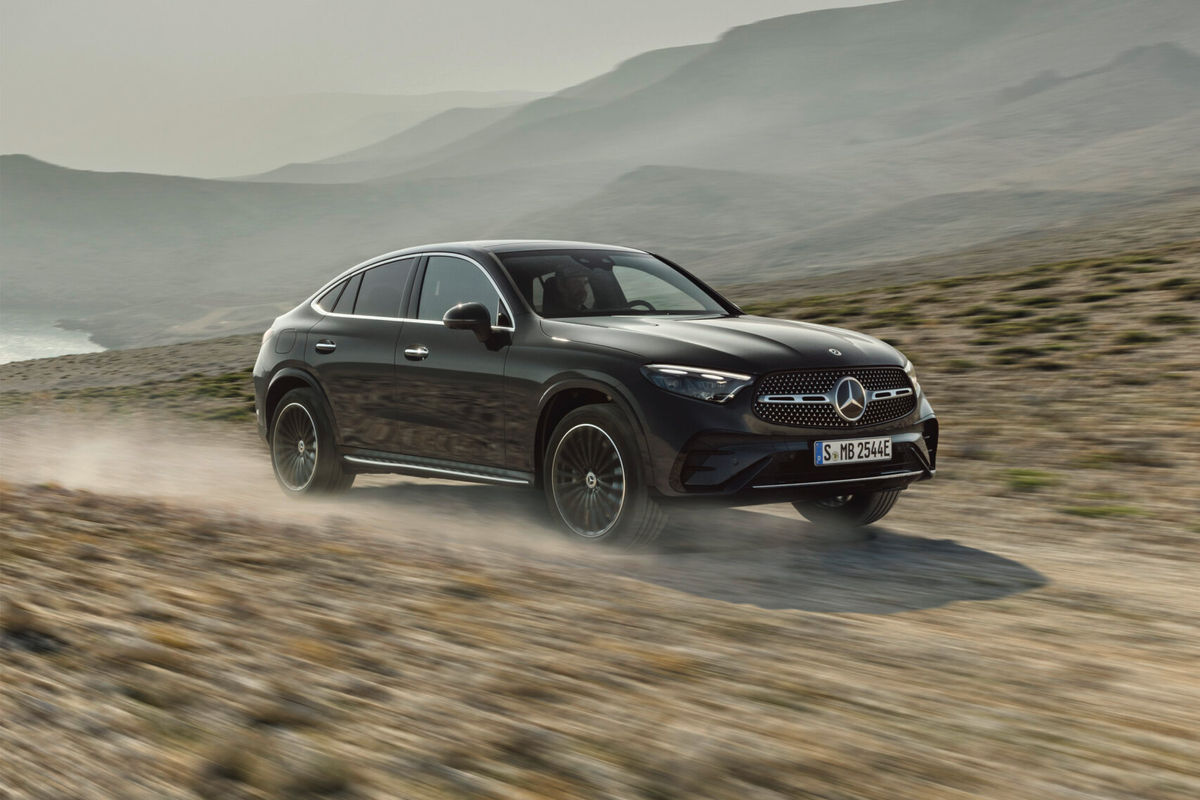
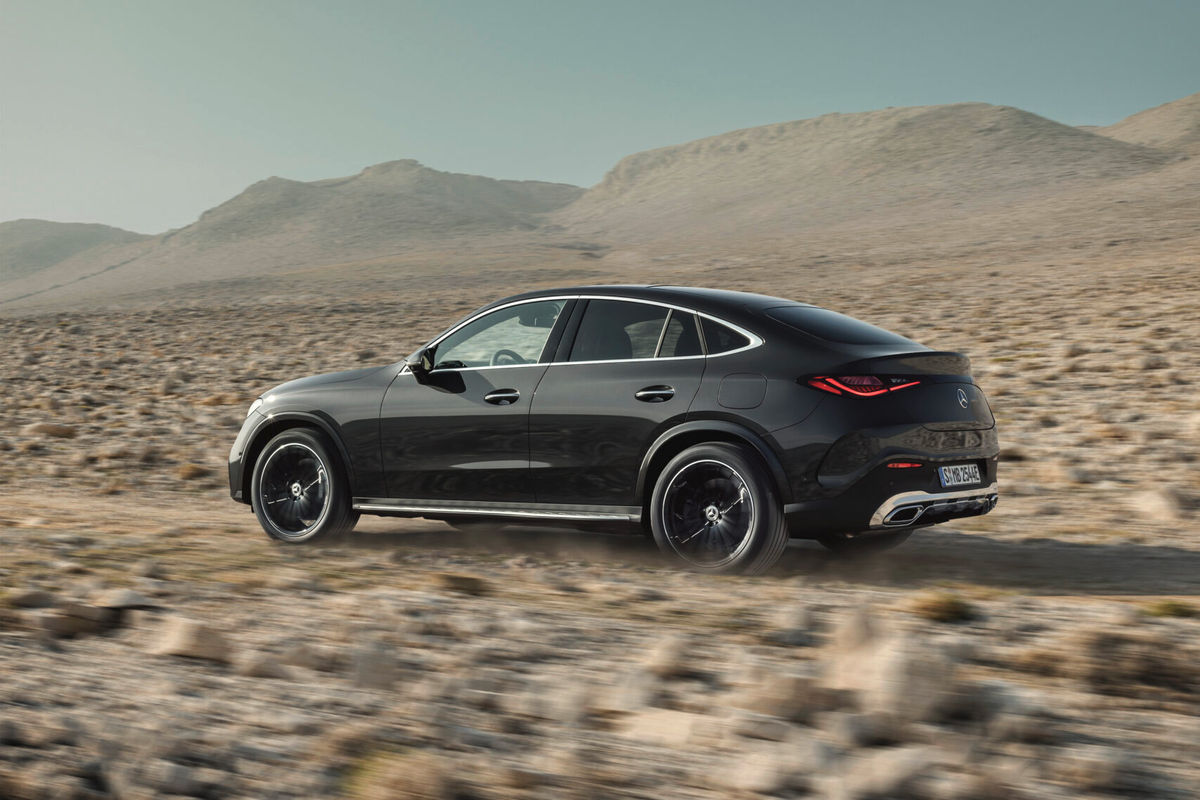
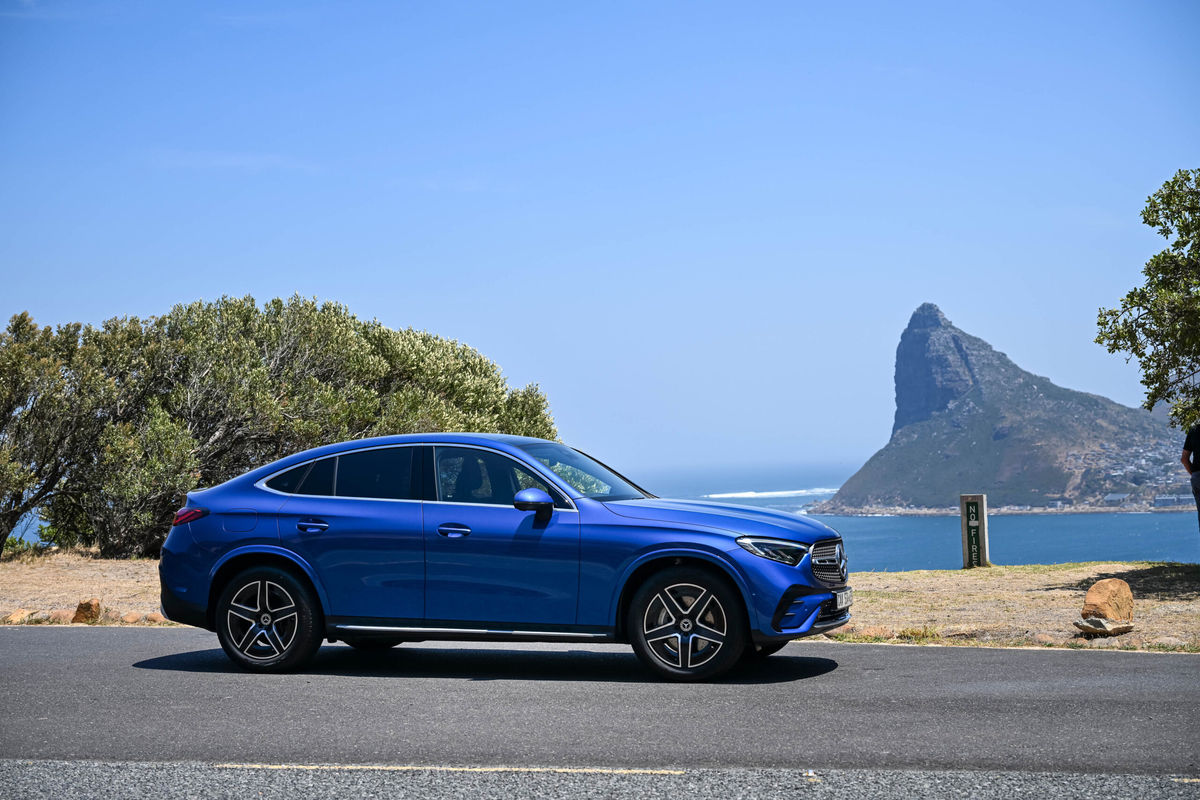
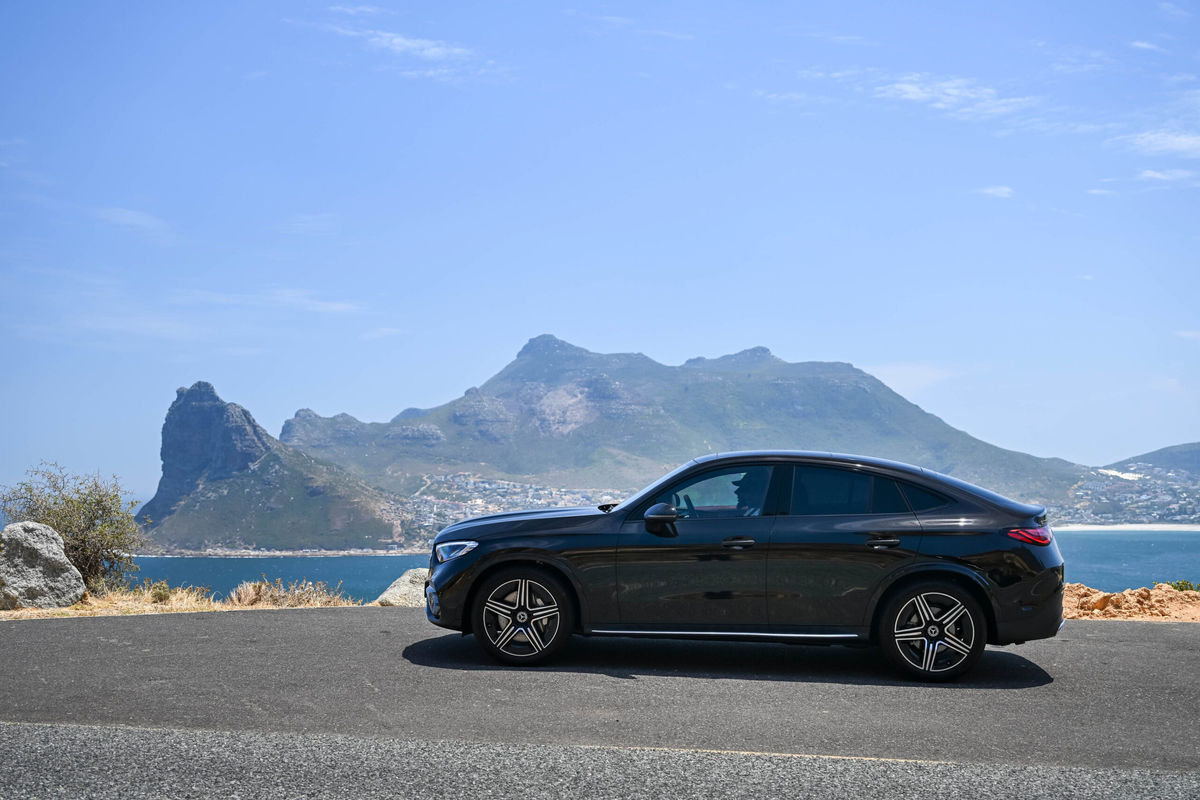
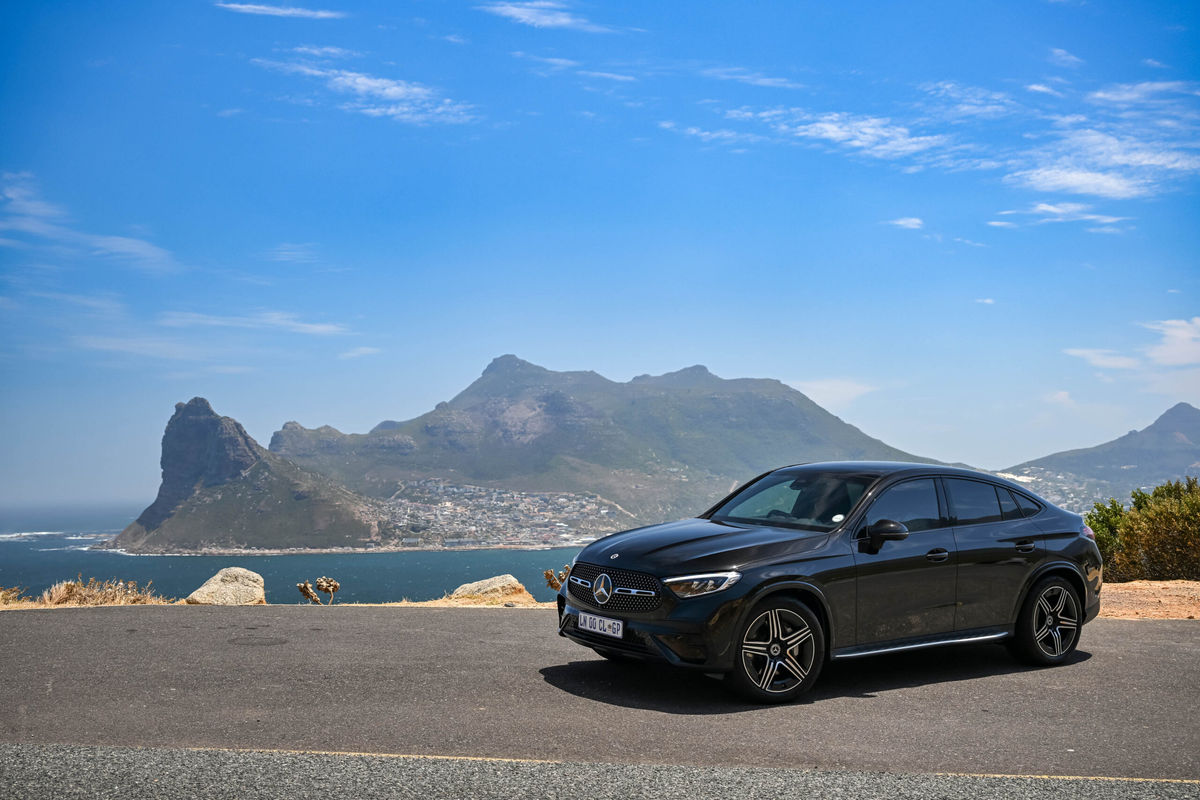
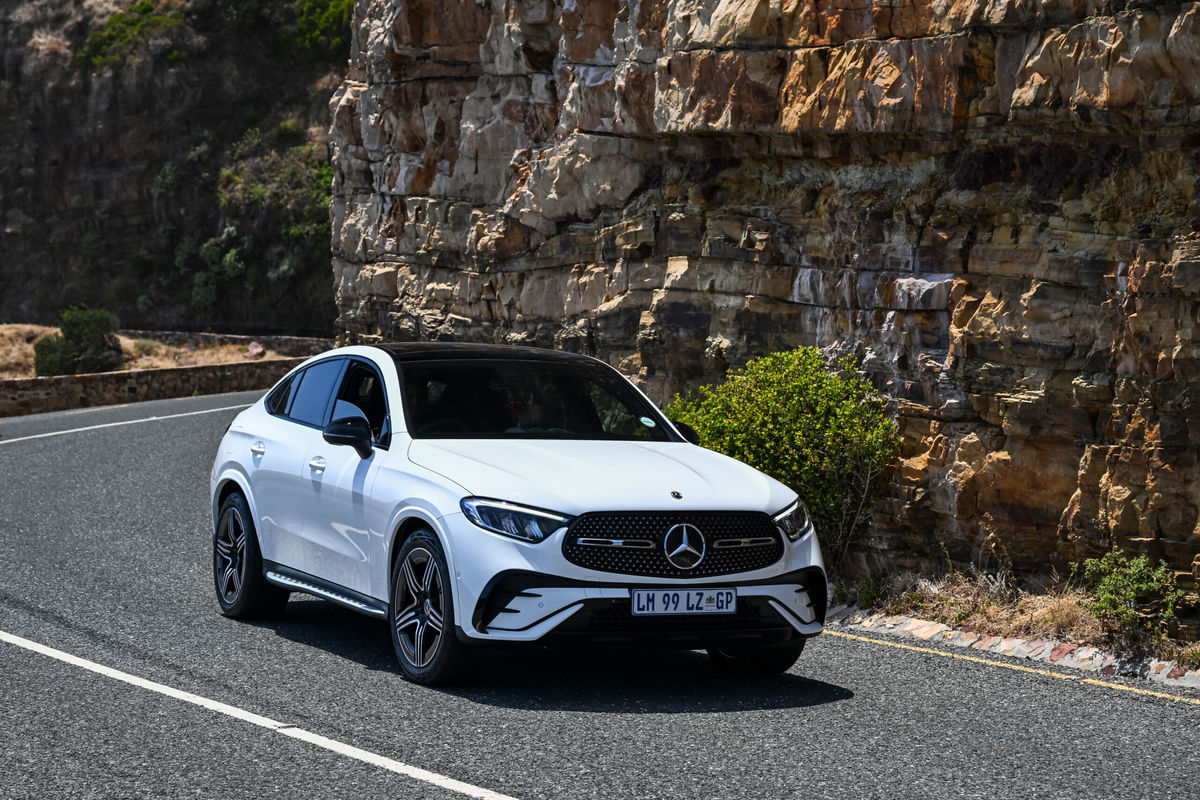
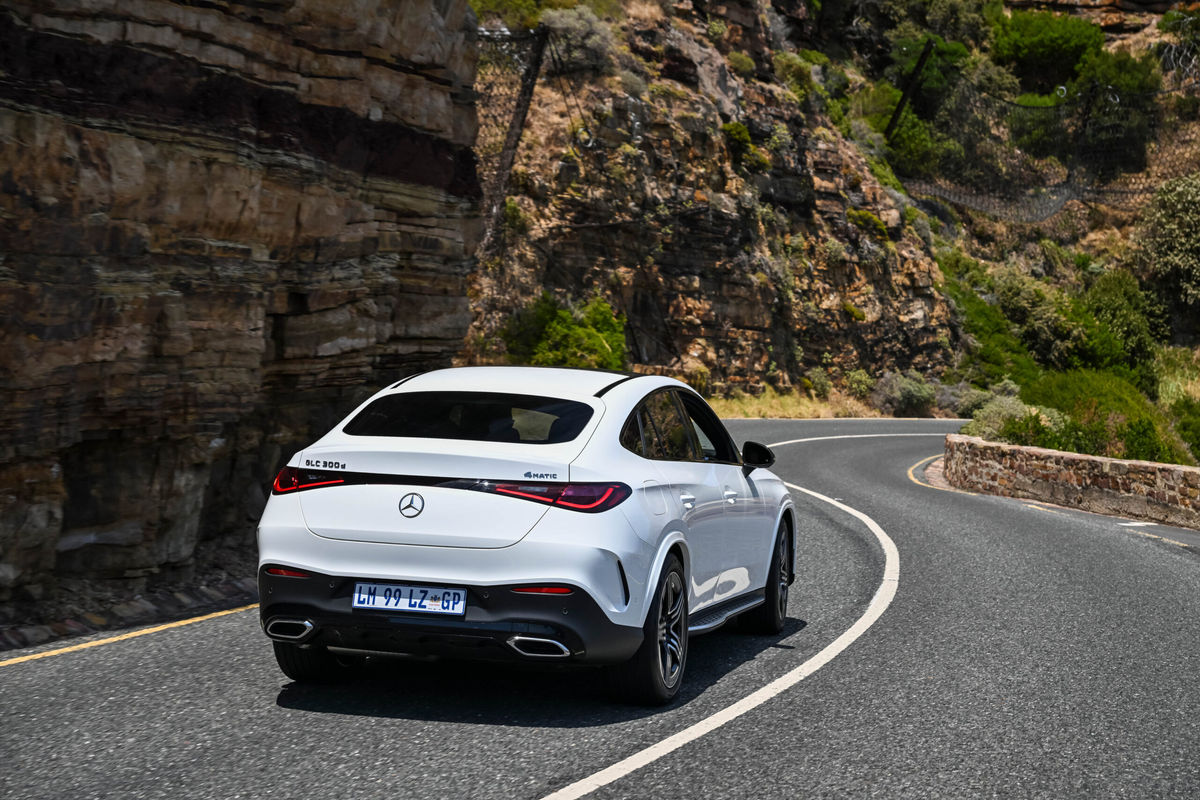
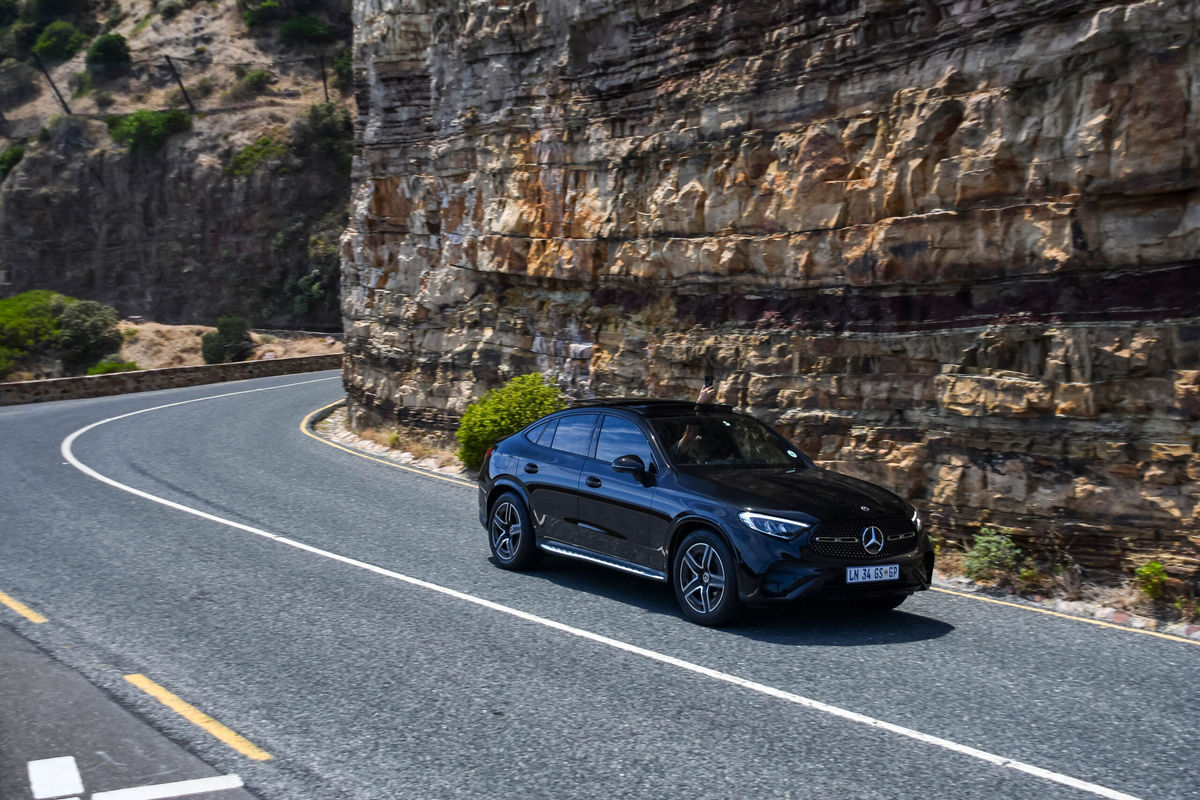
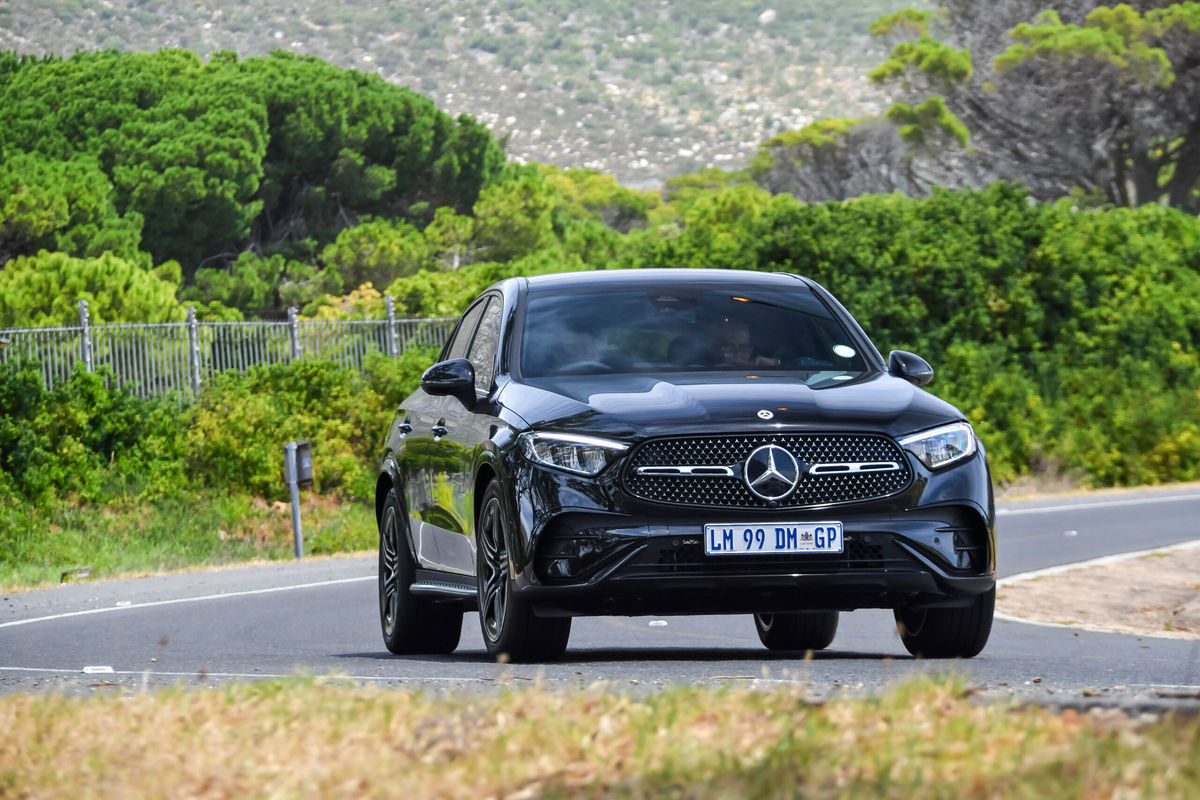
Mercedes-Benz begins 2024 with a product offensive, of which the opening salvo is the coupe-styled variant of the GLC executive SUV. We jumped behind the ‘wheel of the GLC Coupe for a quick loop of the Cape Peninsula to see what the Benz’s all about.
What’s new on the GLC Coupe?
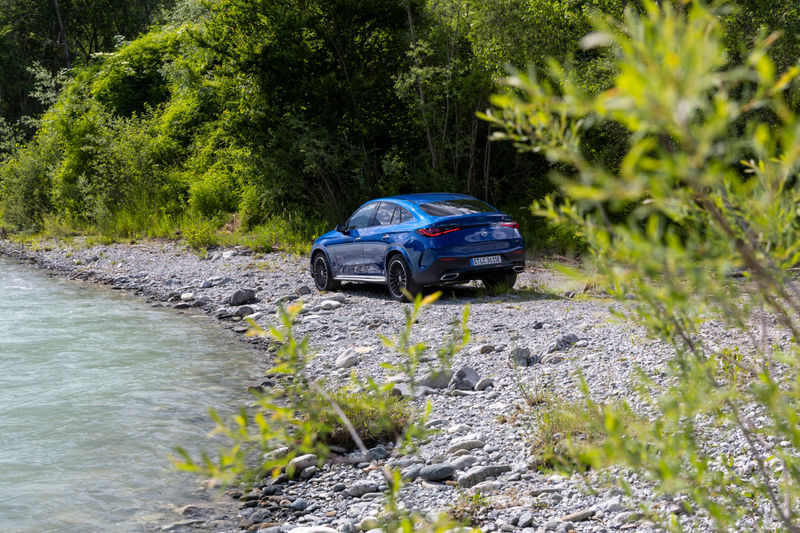
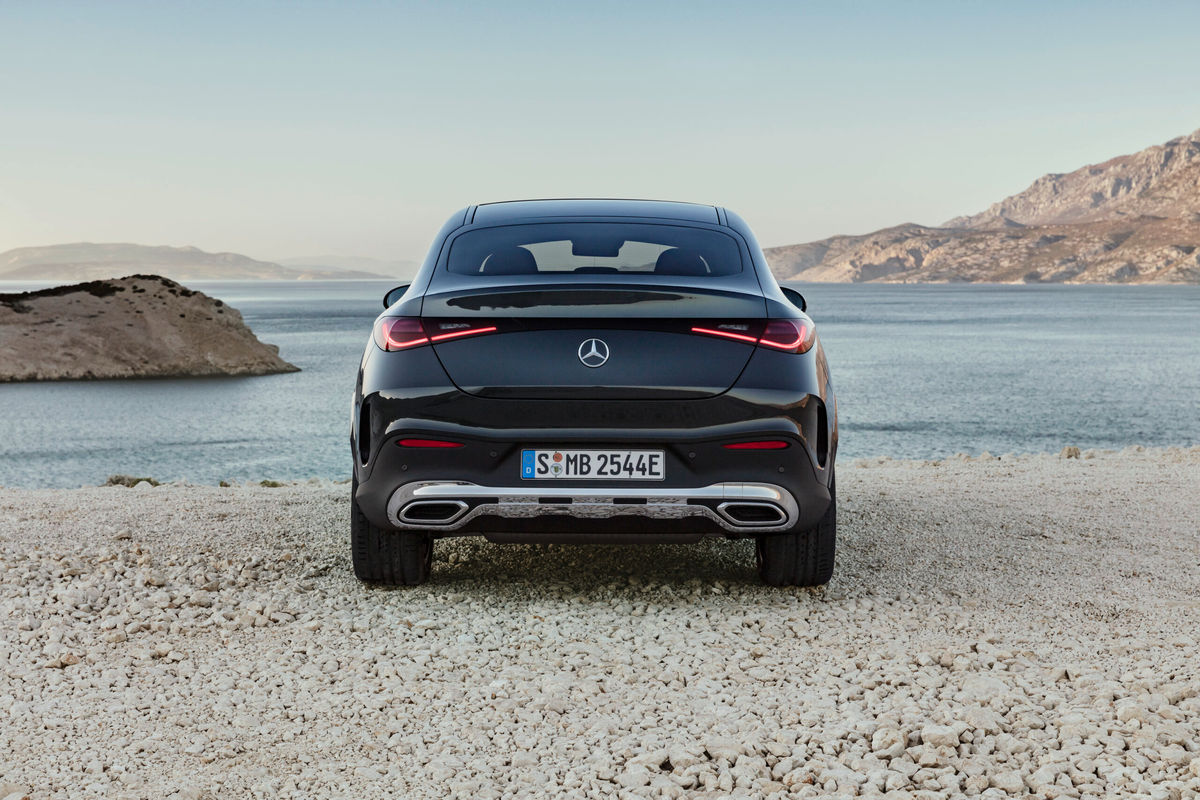
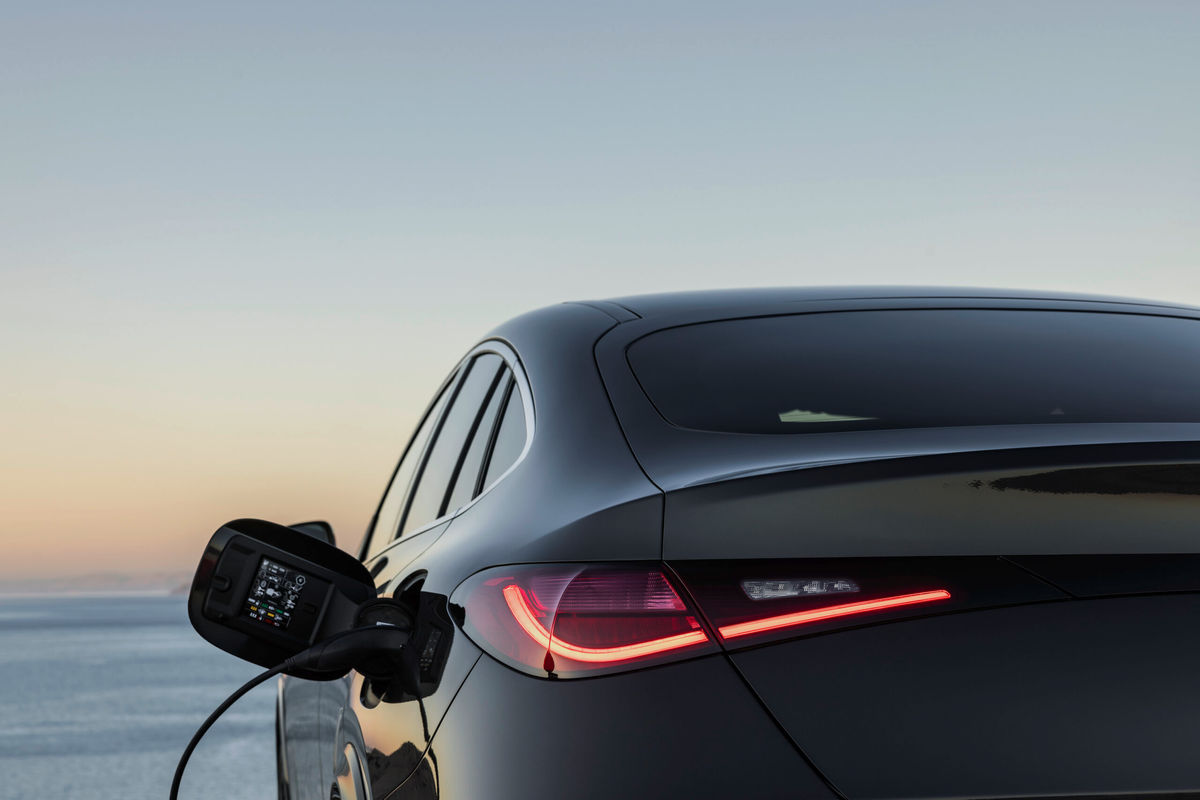
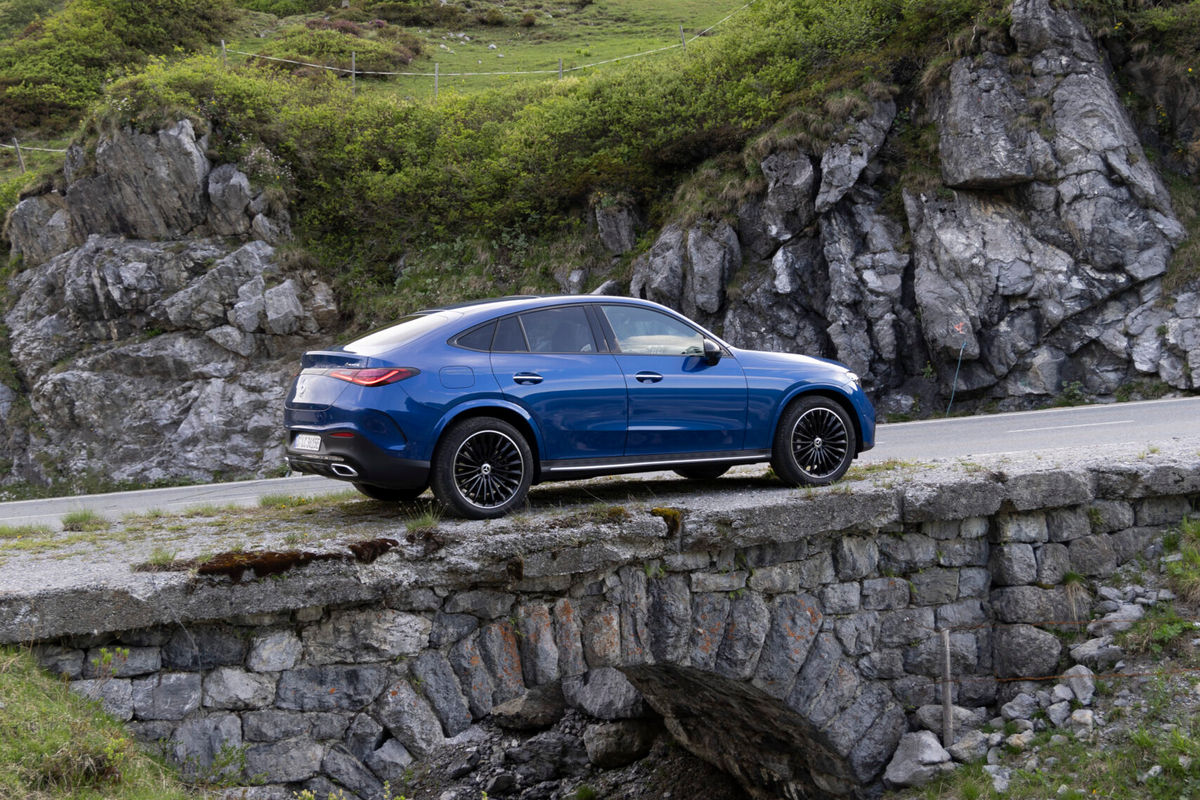
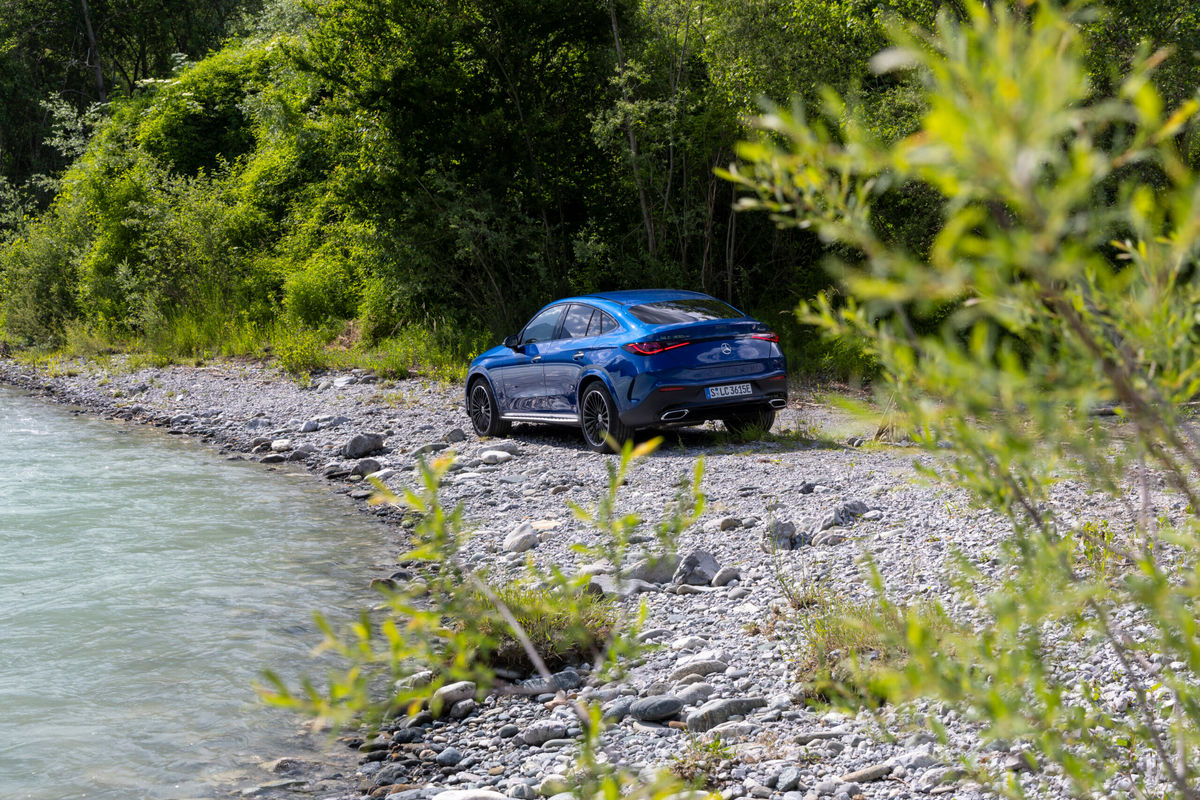
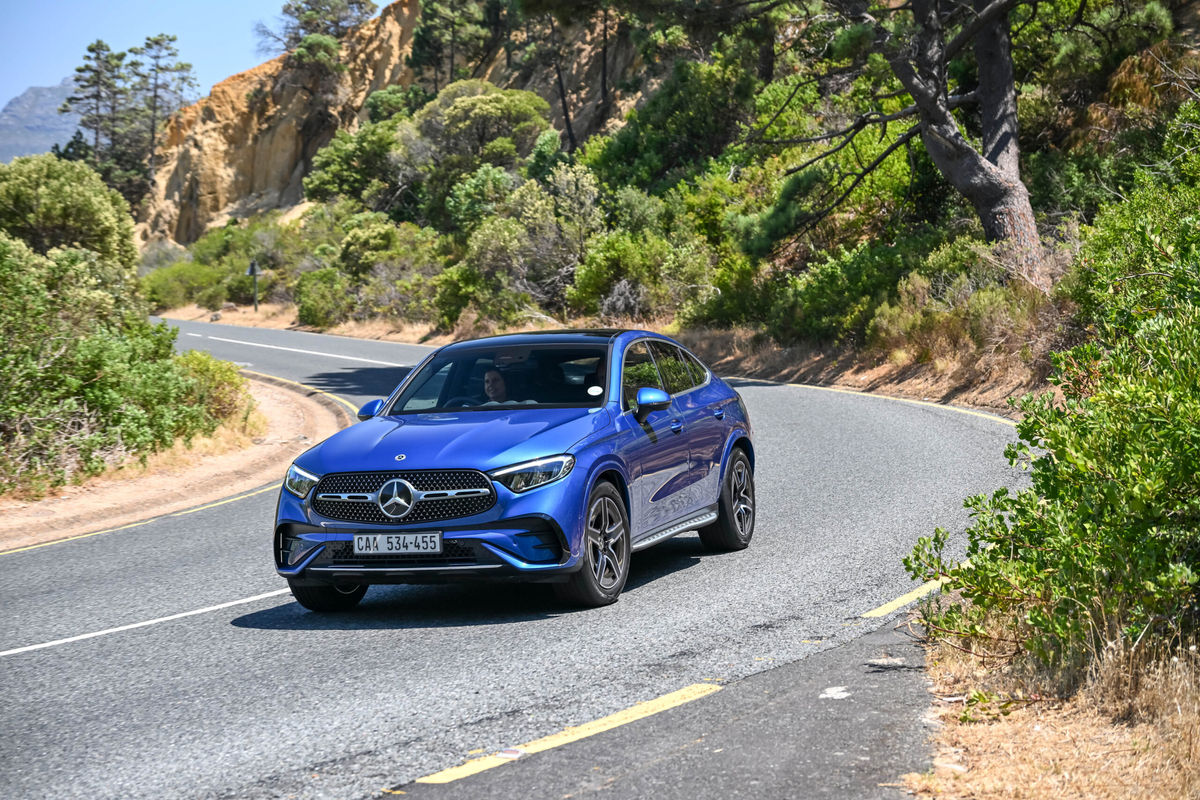
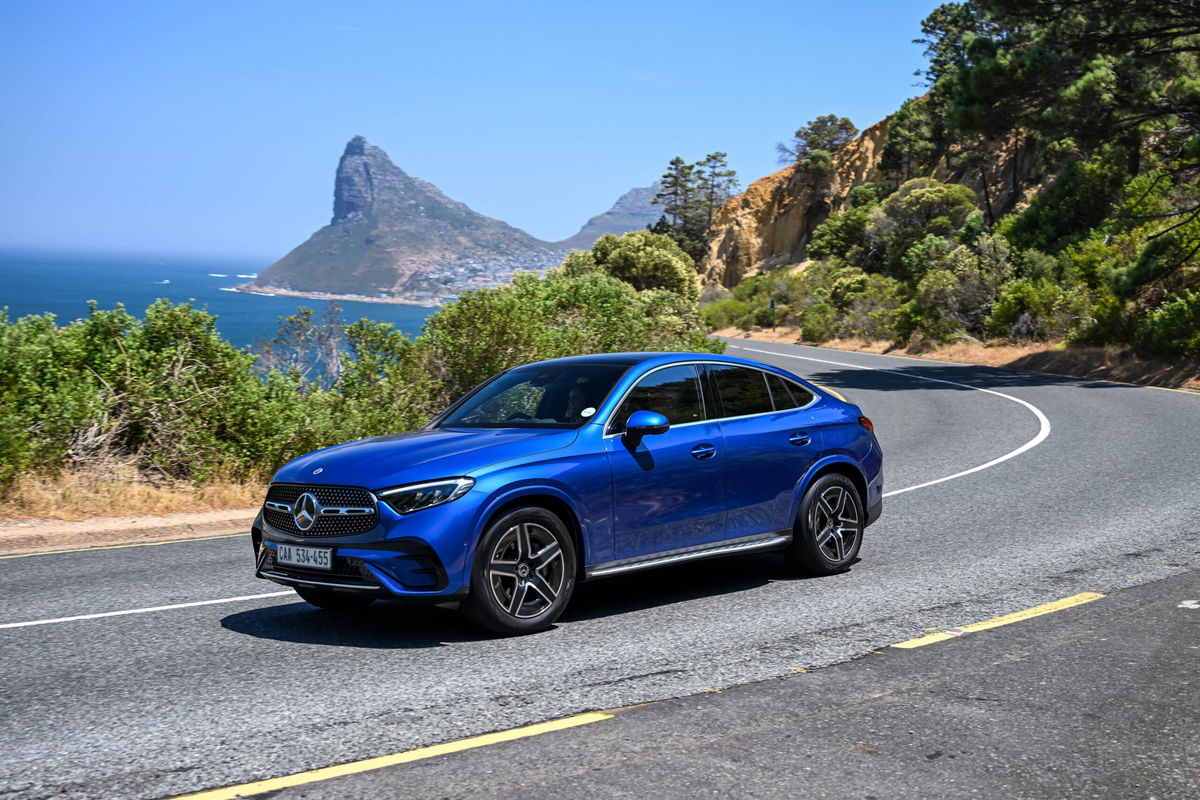
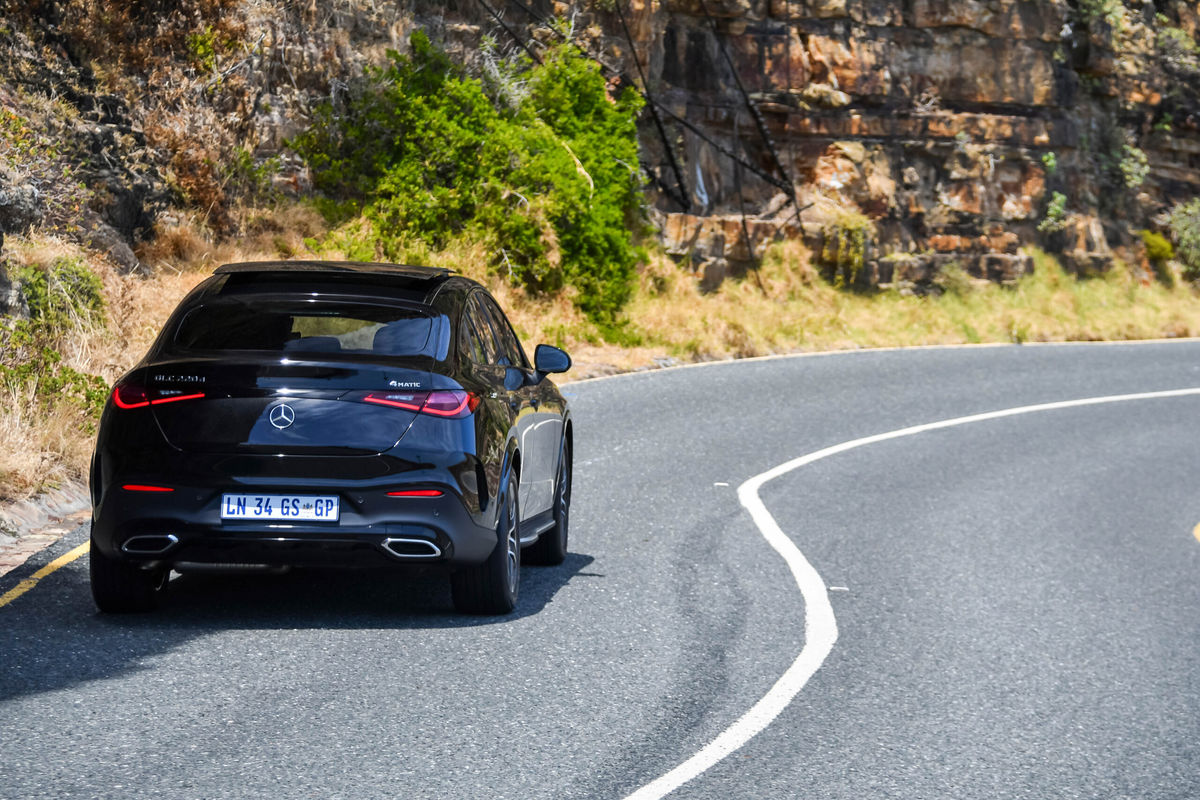
For this generation of the GLC Coupe (known internally as the C254), Mercedes-Benz’s engineers have made the car slightly bigger (31 mm longer and 5 mm higher) and managed to squeeze out 45 litres more luggage space from the load bay (545 litres). The rear-light design and sensuously sloping roof are the most defining features of the new variant, while the rest of the vehicle mirrors the X254-gen GLC.
Mercedes-Benz SA has chosen to introduce the latest iteration of the GLC Coupe exclusively with a pair of turbodiesel engines, but will noisier, efficiency-optimised powertrains appeal to the target market of a less practical, more design-oriented “boutique” product? ‘Benz believes they will – and has the stats to back it up; turbopetrol engines will be added to the line-up at a later stage, but only with AMG badging.
Which GLC Coupe engine to choose
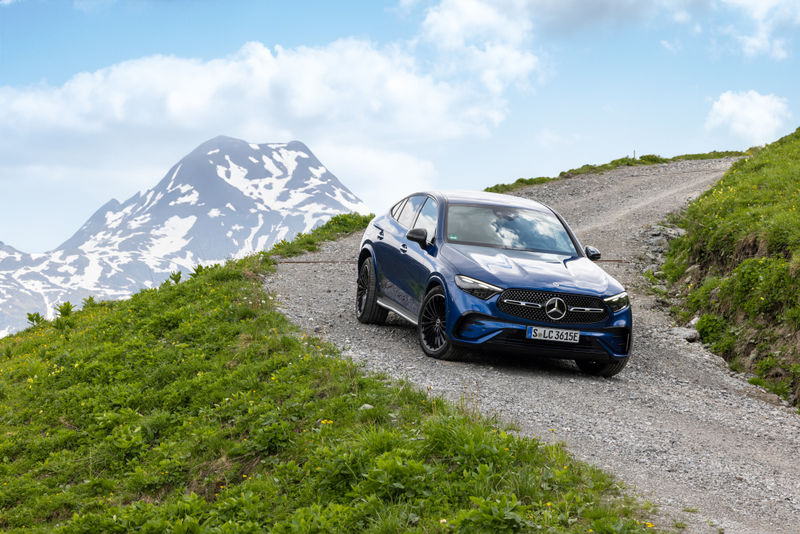
The turbodiesel engines feature in the 220d (162 kW/440 Nm) and 300d (215 kW/550 Nm) respectively and offer identical power and torque outputs to the equivalent derivatives in the standard GLC range.
They are equipped with a 48V electric starter system that adds up to 17 kW/200 Nm at peak points, but also comes into effect when coasting to a stop and pulling away. The electric system effectively helps out with the thirsty work of getting the GLC Coupe off the line; it saves a little bit of fuel every time.
Both engines are 4-cylinder units and we have lots of experience with them in the GLB, the C-Class and standard GLC. The only real reason to choose the 300d would be if you were going to be loading up the GLC Coupe often or towing a load, both of which beg the question, why not just get the standard GLC?
The 220d, in turn, offers excellent fuel consumption and its performance deficit to the 300d is hardly noticeable in everyday conditions. You could achieve around 5.1 L/100 km in the 220d compared with the 300d’s claimed 5.5 L/100 km. In our experience, on a long journey, you can quite easily dip under 5 L/100 km with the 220d variant. So, if you get your kicks from fuel saving, then it’s certainly the one to choose.
What’s the GLC Coupe like to drive?
Honestly, there isn’t much of a difference to the standard GLC; we’ve published quite a thorough video on that model (embedded below this paragraph). I will say that the transmission’s shift pattern (in the models I drove) felt slightly less sure than in our previous experience. For example, it is almost unheard of to roll backwards in an automatic car, but while the auto ‘box was pondering its next decision at a set of traffic lights, we rolled back on more than one occasion, which is hardly a “luxury vehicle experience”.
In our market, GLC Coupes are equipped with Sports Suspension setups with the option to specify air suspension at extra cost. Sports Suspension facilitates confident changes of direction and flat cornering, but it feels very reactive to small steering inputs and can wobble a bit as it reacts to a turn or swerve.
To be fair, the ride quality was impressively poised in the GLC Coupes we drove (not equipped with air suspension), so I would assume that derivatives specified with adaptive dampers would ride even better. The GLC Coupe rode the bumps and myriad manhole covers of Simon’s Town and Fishhoek comfortably.
Is the GLC Coupe as spacious as the GLC?
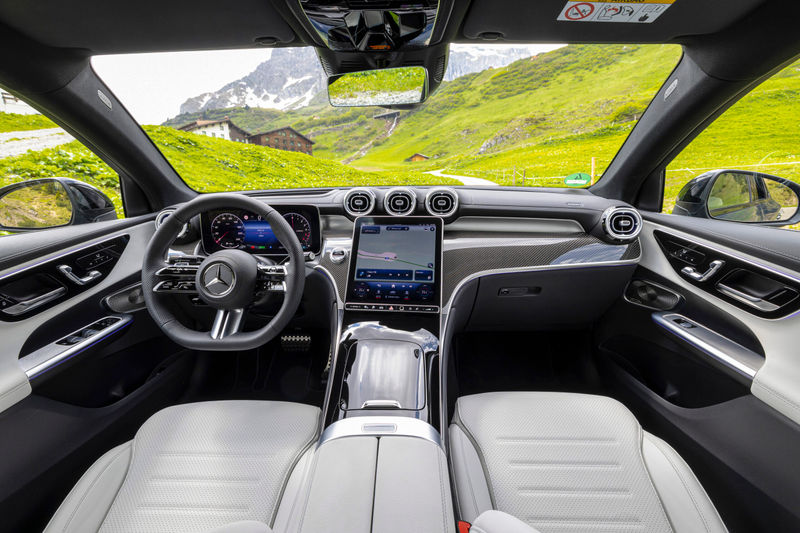
Somewhat contrary to expectations, the GLC Coupe offers adequate leg- and headroom at the back. When I sat behind my driving position, I had enough legroom and I didn’t find my head rubbing on the roof lining. I do believe, however, that some of the rear occupant space has been reduced to retain a big load bay. If passenger space or practicality is a priority to you, then the GLC is still the model to choose.
One thing I did notice was that the rear of the cabin is hardly bathed in light… the rear screen is letterbox small and doesn’t offer much rearward visibility, but nowadays, with 360-degree cameras and big side mirrors you’re never unsighted. It would make sense to install one of those Jaguar Land Rover-style rear-view cameras that make it much easier to see out of the back thanks to a camera built into the antenna.
What is the GLC Coupe’s interior like?
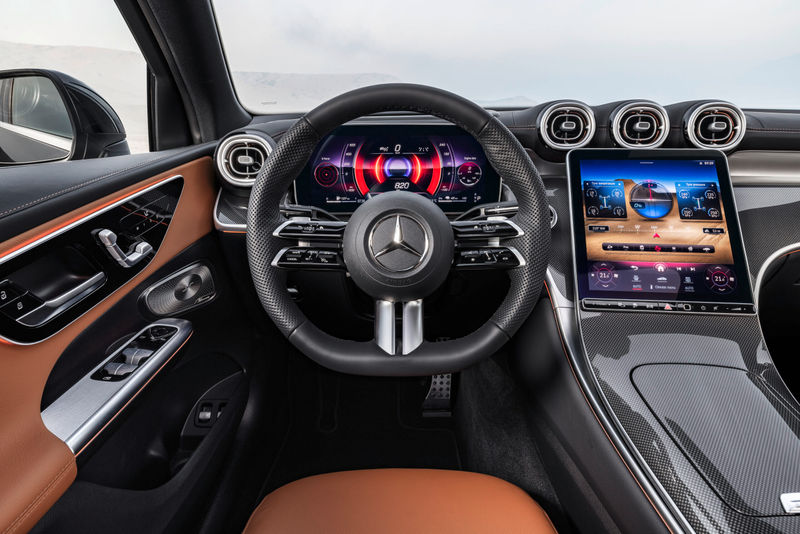
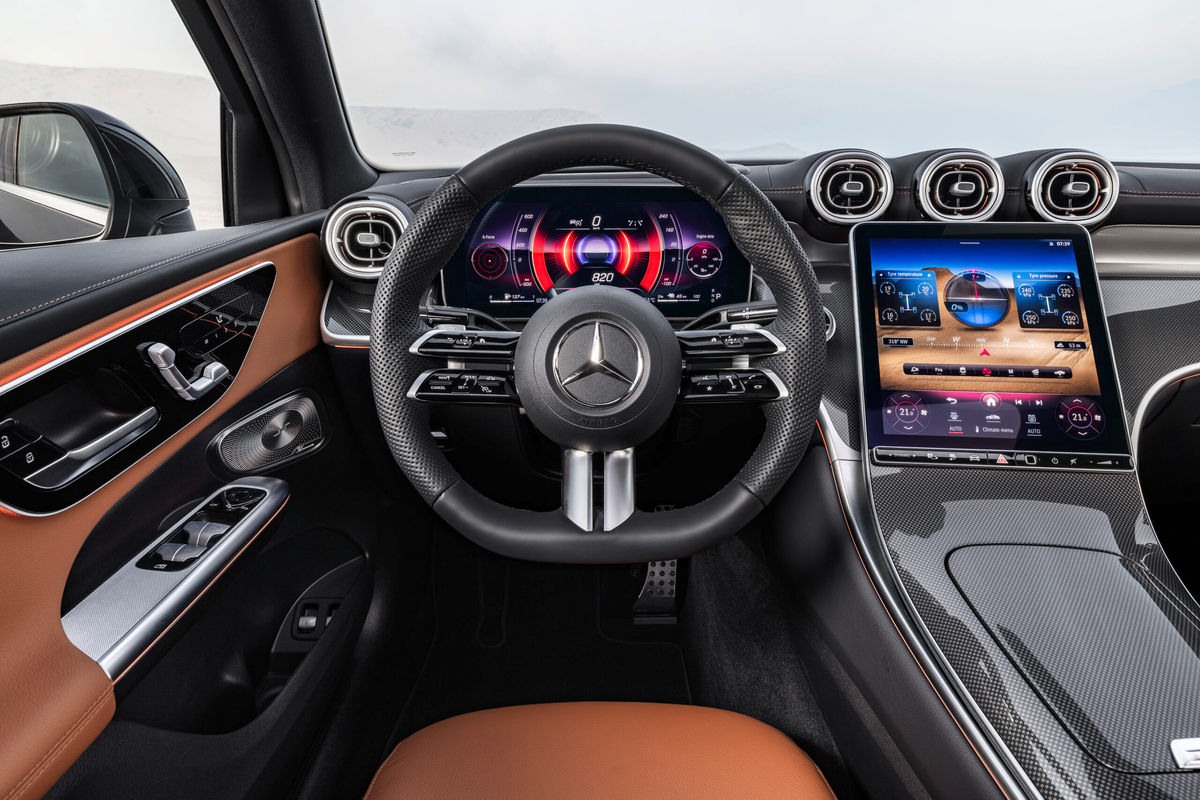
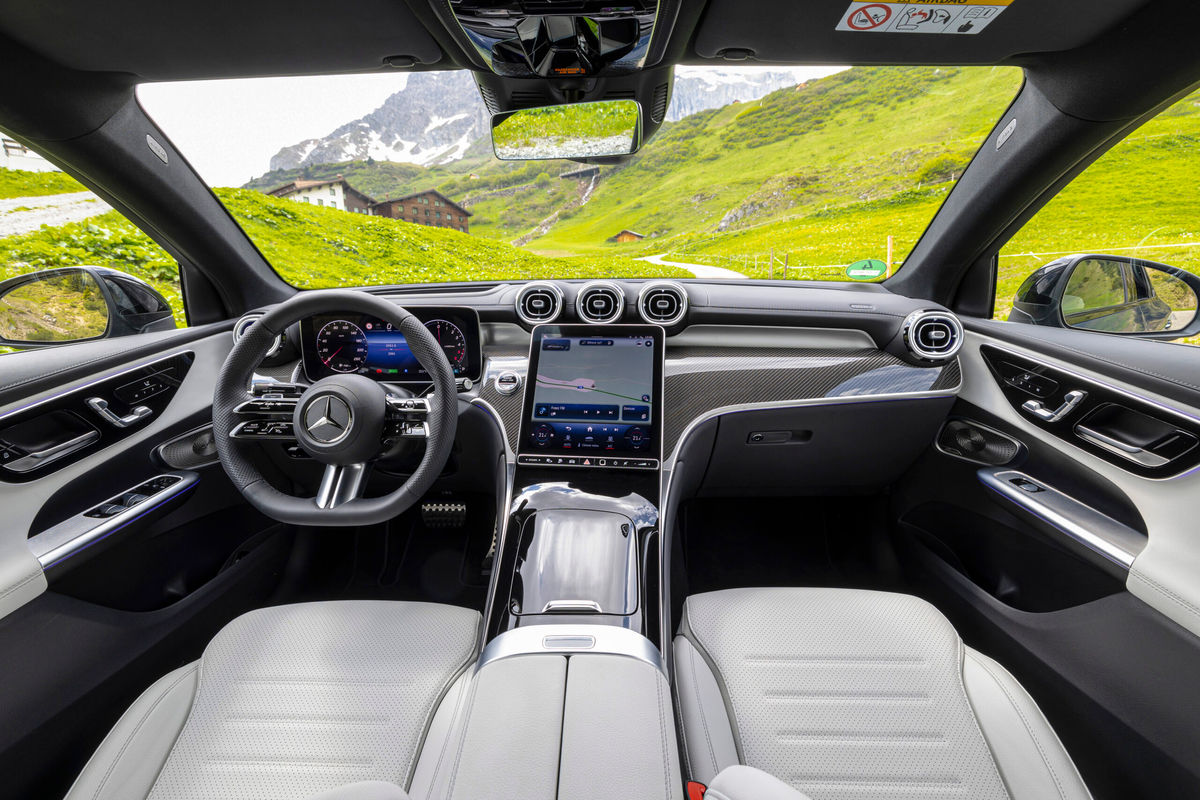
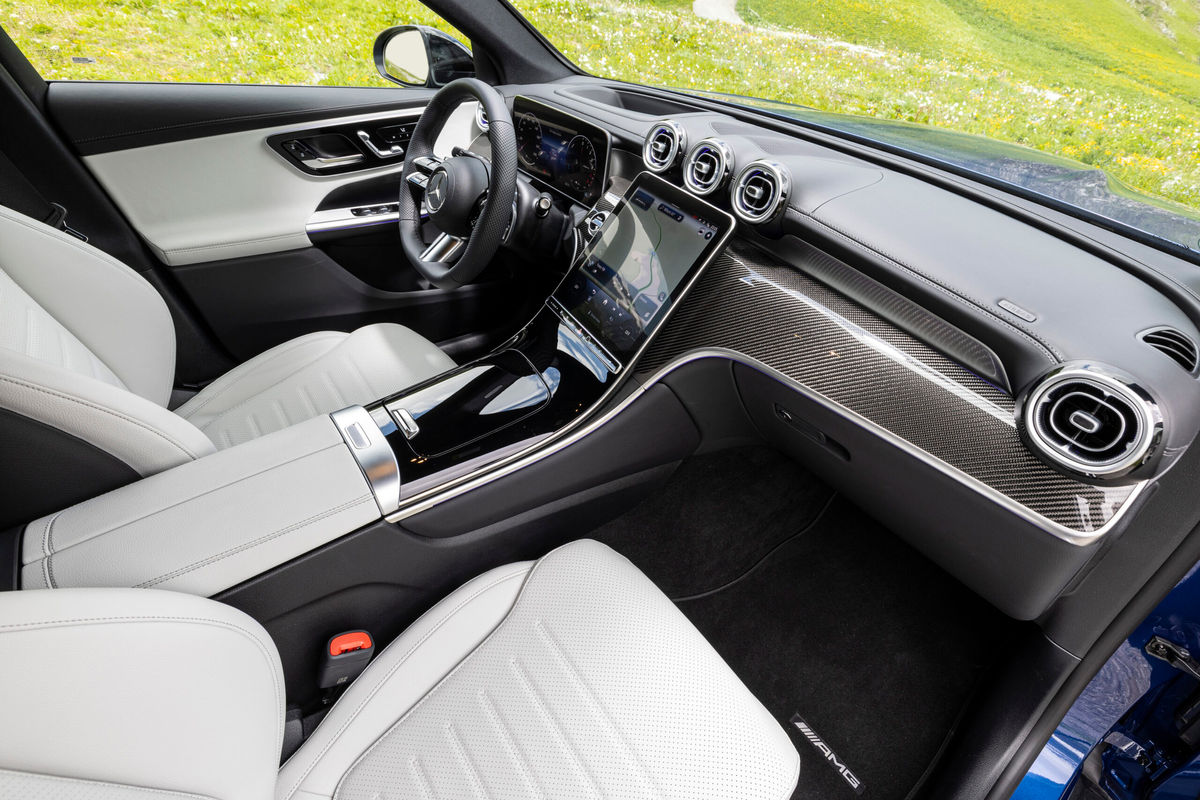
Simply put, the GLC Coupe’s interior is a copy-paste from the GLC, which itself is derived from the latest generation C-Class. The digital screens’ displays are of excellent quality and the menus easy to navigate.
As for the quality of materials, the leather and soft-touch surfaces feel particularly premium and well put together. It’s the plastic or shiny pieces that let the overall feel down – they feel insubstantial and a bit tinny when prodded. It’s a complaint we’ve had with several models in ‘Benz’s line-up for a while now.
How much does the Mercedes-Benz GLC Coupe cost in SA?
The prices below include CO2 tax, VAT and a service/maintenance plan.
| GLC 220d | R1 398 422 |
| GLC 300d | R1 454 940 |
Summary
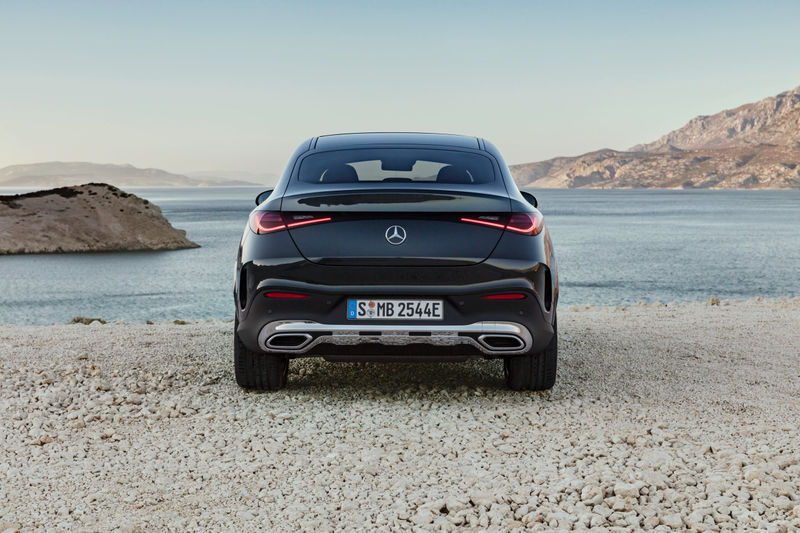
The addition of a coupe-style variant to the GLC range was inevitable, but as before, seems unnecessary. Only if you must have the looks of a GLC Coupe is it the better GLC to have. The standard more practical GLC remains the better car objectively and is also available in turbopetrol guise, if that’s your preference.
As for the GLC Coupe, it looks the part and its two diesel engines are efficient performers, but it may be better to wait it out until the AMG models arrive to get the most outlandish specced GLC Coupe on offer.
New Mercedes-Benz GLC Specs & Prices in South Africa
Search for a new/used Mercedes-Benz GLC listed for sale on Cars.co.za
Ashley Oldfield

Ashley has been riding or driving some sort of motorised vehicle since his 4th birthday when he got a Yamaha PW50. Equipped with years of racing experience, Ashley took up journalism and became a writer for some of South Africa’s best motoring magazines and online publications. He is SA’s first (and only) GT Academy winner having raced professionally overseas. He now serves as the Content Manager at Cars.co.za, putting his wealth of racing and driving experience to good use.