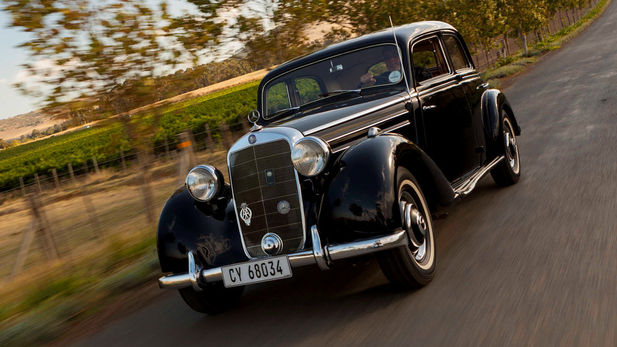
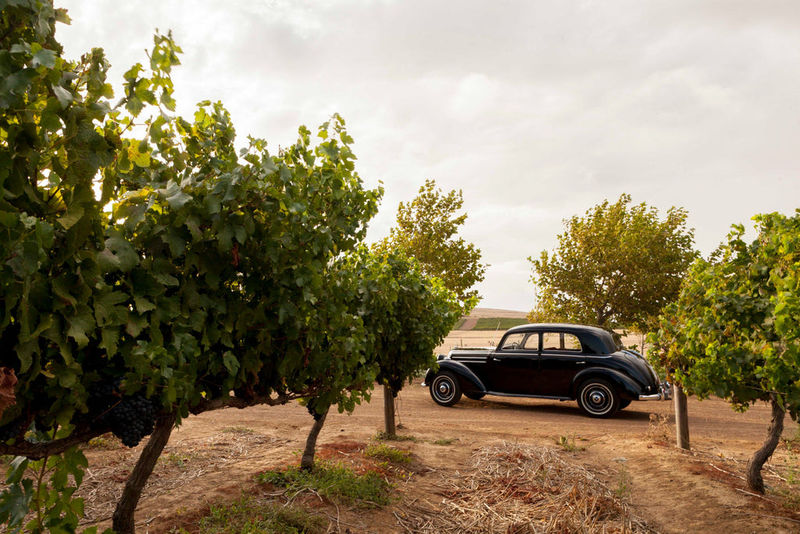
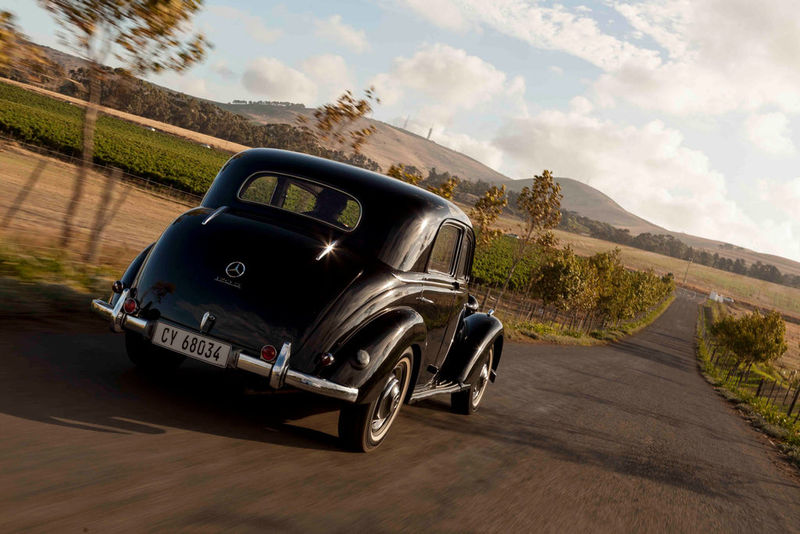
The gentle pace and easy elegance of this 1950 Mercedes-Benz 170S make it the perfect classic car for a scenic drive in the Winelands.
In today’s tech-driven world, it is difficult to imagine what driving a car must have felt like during the 1st half of the 20th century, when roads were rudimentary and automotive development was in its infancy.
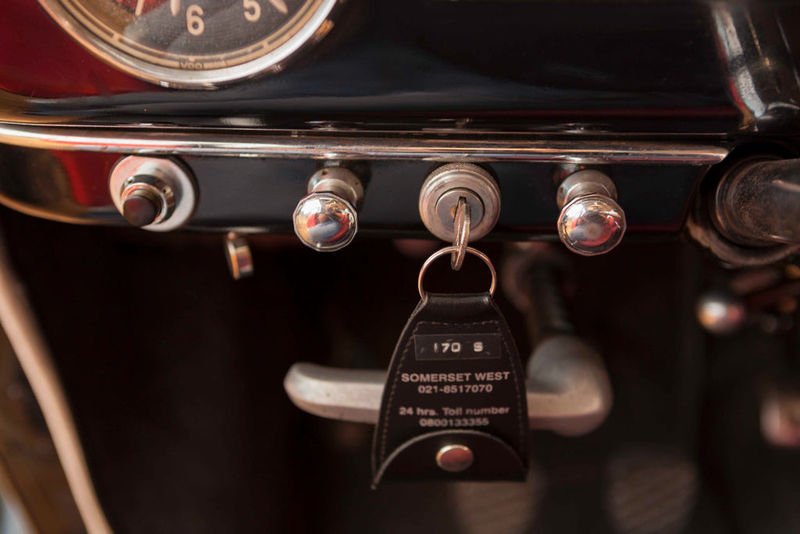
Today, we don’t think twice about grabbing the stylish key fob of our modern car and driving into town –or across the country. And if the car develops any technical problem, help is usually a phone call away.
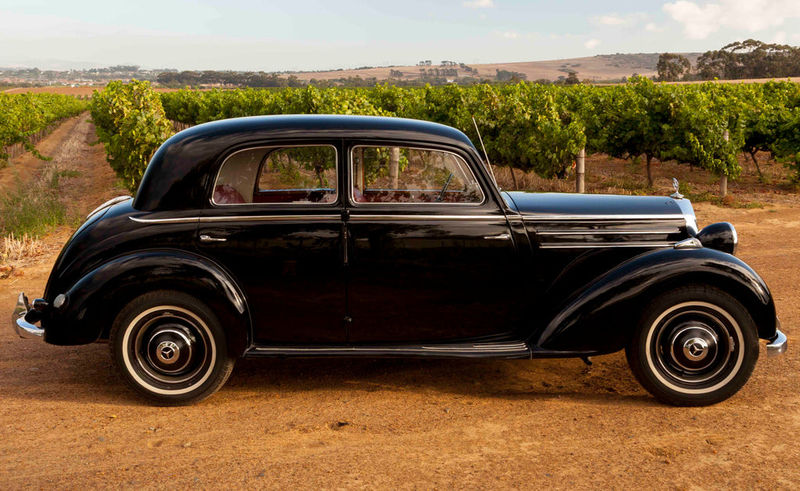
But during the late 1940s, such assistance was non-existent. You had to be very brave to take your car on an extended road trip, but this 1950 Mercedes-Benz 170S proves that it was, indeed, possible.
The developments we have seen in cars over the past 50 to 60 years are not remotely comparable to those in the first half of the 20th century, and due to the outbreak of World War II, progress slowed significantly. Cars in Europe, especially, changed little from the late 1930s to around the late 50s.
During World War II, Mercedes-Benz produced mainly military vehicles and aircraft engines; after that, the Three-pointed Star took a while to restart car production. The Mercedes-Benz 170S, produced only 6 years after the Allies achieved victory in Europe, is a magnificent example of an early post-war model.
Mercedes-Benz 170S has a hand-finished feel
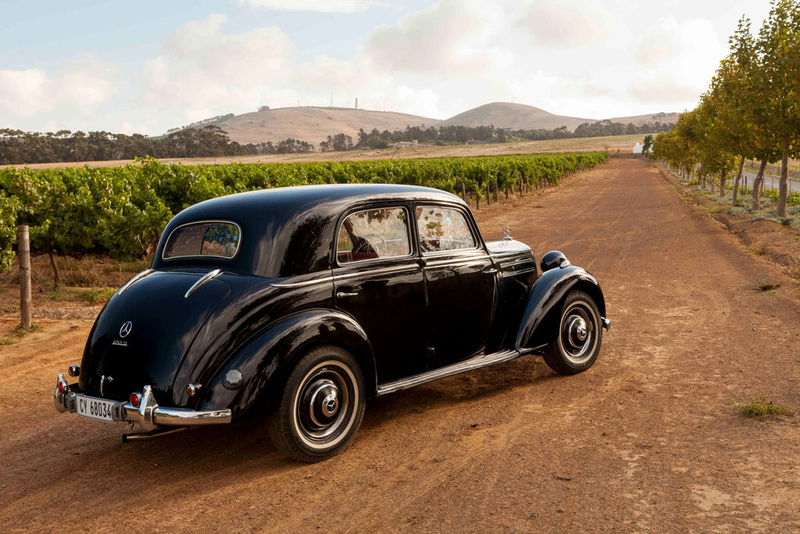
The owner of this car started his collection with Mercedes-Benz Pontons (read our classic drive of a 190b), but soon his passion for the brand expanded, and his interest in older models, more specifically this post-war 170S, took hold. Whereas Mercedes-Benz 170V was built from 1946, the 170S debuted in 1949 and featured improved suspension and engines that used carburettors, to name a few things.
Interestingly, the body of the Mercedes-Benz 170S dates back to the late Thirties, and its ladderframe chassis – something that the Ponton did away with – goes back even further than that.
“But why utilise a chassis that was over 10 years old?”, you ask. Mercedes-Benz found a way to safely store the rigs and moulds during World War II, which the firm could repurpose after the war ended.
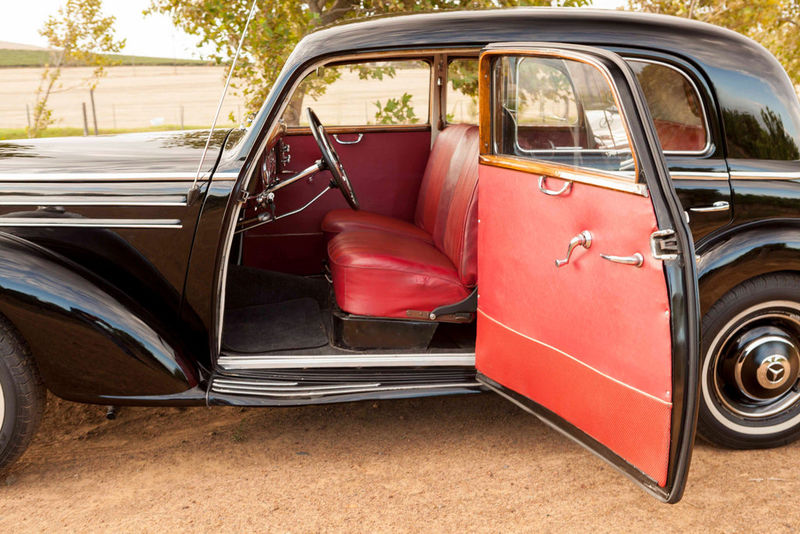
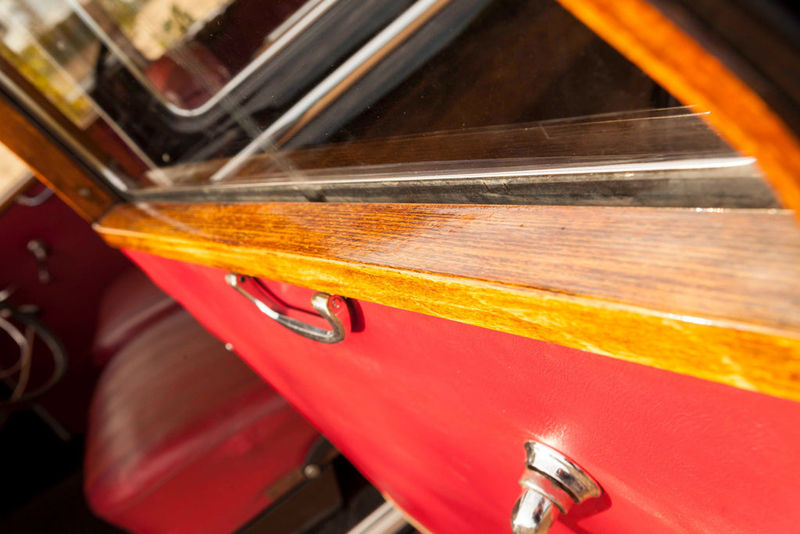
As the predecessor of the Ponton, the 170S also features quite a lot of ash wood in its cabin, and particularly around the windows, which are neatly framed and give the car an almost organic feel. The upholstery isn’t original, but the front seats still offer a degree of comfort, even without headrests.
Specifications:
- Model: 1950 Mercedes-Benz (W136) 170S
- Years produced: 1949-1952
- Engine: M136 1.8-litre 4-cylinder, petrol
- Power: 38 kW at 4 000 rpm
- Torque: 111 Nm at 1 800 rpm
- Transmission: 4-speed manual, RWD
- Weight: 1 220kg
- 0-100 kph: 32 seconds (claimed)
- Top speed: 120kph (claimed)
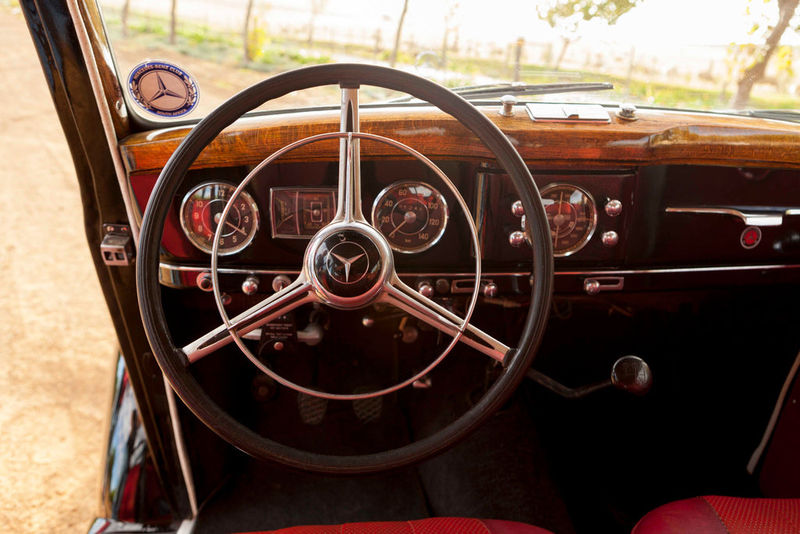
The view from the driver’s seat is unlike that in any other Mercedes-Benz that followed, but is similar to cars of the era (and older ones). These include the rounded front wings, the indicator lights (not original, but installed for safety reasons), and to your right, at the end of the bonnet, the Three-pointed Star.
What is the Mercedes-Benz 170S like to drive?
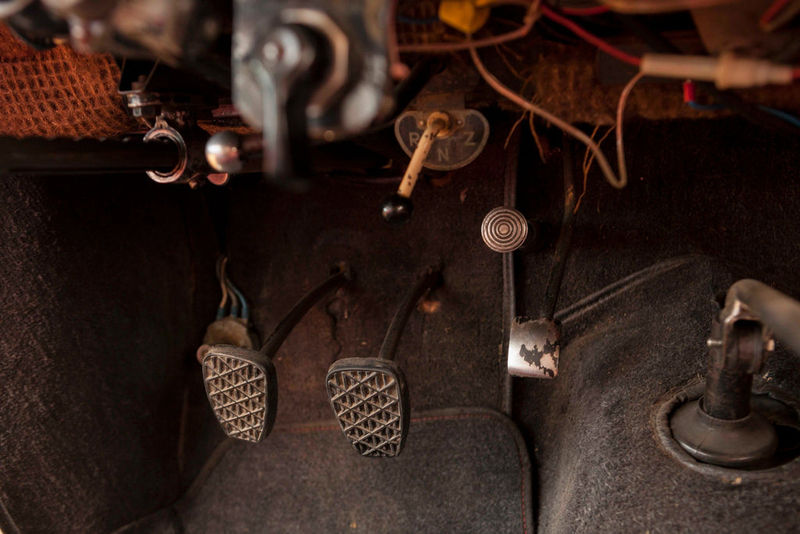
To start the 170S, you switch on the ignition, press the accelerator pedal, and then press it a little harder to activate the starter switch with your foot. The clutch isn’t as tricky as I expected it to be, but the gear lever, which you’d expect to find in an old pickup truck, not an elegant and curvy post-war sedan, is truly something from yesteryear. It is long and has a huge bend halfway between the floor and the gear knob.
The travel between each of the 4 forward gears is as long as the lever suggests, but after a few (clunky) changes, I become familiarised with how it operates, and start to relax behind the huge 3-spoke steering wheel. Before I stepped into the car and closed the front door (its pivot point is on the B-pillar), the owner said there was little point in revving the engine – it is only a 1.8-litre motor with 38 kW, after all.
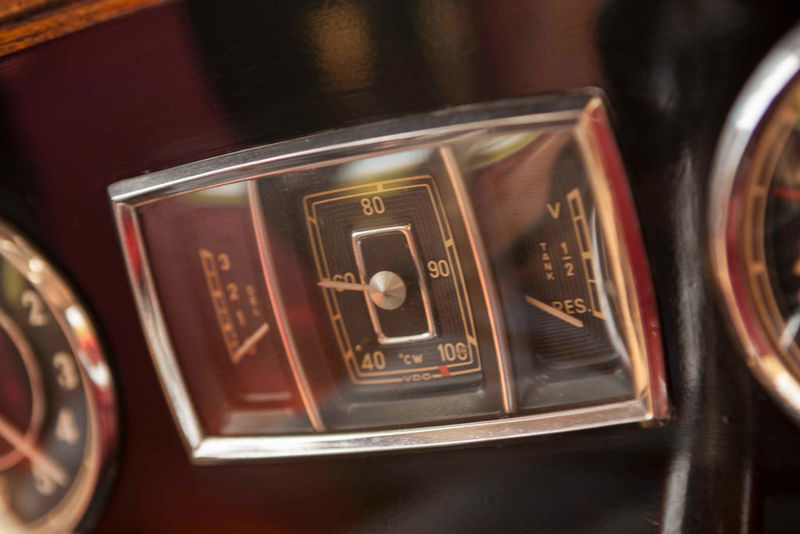
When I lean on the accelerator, which is situated close to the transmission tunnel, I discover that the owner was not exaggerating about the ‘Benz’s languid throttle response – and leisurely acceleration. Little happens apart from the speedometer needle slowly, but surely, climbing past the 60 kph mark.
But there is enjoyment to be had from the engine’s sound. From the moment you press the accelerator pedal, the engine develops a deeper resonance, and the moment you lift off, it disappears. I will even go as far as describing it as being quite pleasing, especially when one takes the car’s vintage into account.
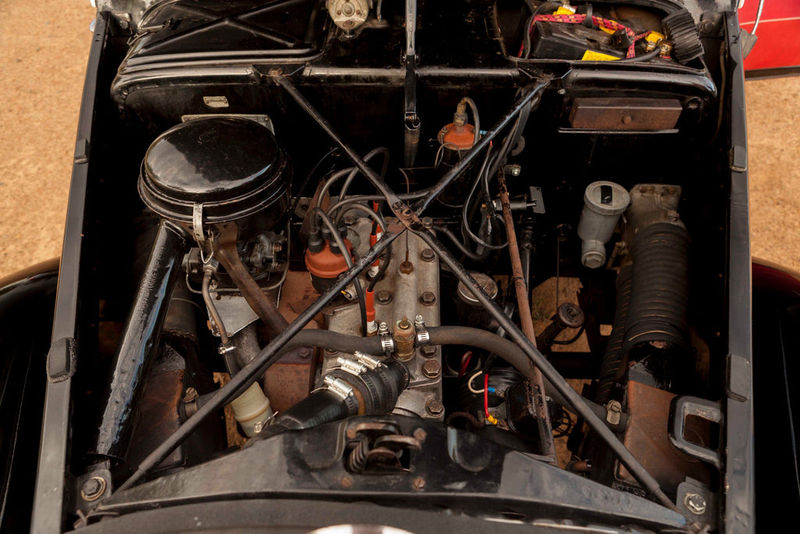
If you want to do an extended road trip with the 170S, there are a few things to keep in mind. As was the case with the later Type 300s, the 170S’ suspension has a central lubrication system. An oil reservoir – located on the right-hand side of the engine bay – has pipes running to every moving part of the chassis.
Once every 200 km, an indicator pops up on the instrument panel that alerts the driver to press a small pedal in the footwell. That action makes the car dispense oil to suspension joints that need it. However, the system wasn’t very efficient – much of the oil ended up on the road – and ‘Benz soon discarded it.
A few slight changes have been made to this car, but nothing that deviates substantially from its classic status. When the Mercedes-Benz 170S was purchased 19 years ago, the engine was overhauled as it was found to consume far too much oil and had little oil pressure – the piston rings had disintegrated.
Some patchwork was done to the body, but other than that, this Mercedes-Benz still proudly wears its original colour, with a deeper patina than you would expect from even a 71-year-old vehicle.
See also: Mercedes-Benz 170 Da pick-up: Classic Drive
Bringing the ‘Benz into the 21st century
The electrical system was upgraded from 6V to 12V, mostly for safety reasons, as the car’s stock system could not always cope with feeding power to features such as the windscreen wipers, headlights and indicators simultaneously. The latter were neatly mounted on the front wings, also for safety reasons.
They’ve been so neatly integrated that if you’re not a Mercedes-Benz enthusiast, you would think they were fitted as standard. The original side pop-up indicator arms, situated in the middle of the B-pillars, were not in place when the owner bought the car. He had to rebuild this system and add new arms.
They were tricky to find, but fortunately the owner was able to purchase original Bosch items at a swap meet of the Mercedes-Benz Club. Eagle-eyed readers may notice that the discreet brake lights are also aftermarket units. The previous owner had them installed, and according to the current owner, they look out of place, but he admits they make the ‘Benz more visible to other road users, especially at night.
The ‘Benz’s shock absorbers were also scrutinised after purchase, but instead of shelling out a small fortune for Bilstein dampers from Germany, it was decided to overhaul and update the original items.
The Three-pointed Star atop the Mercedes-Benz 170S’ grille is mounted on a substantial circular base, which also serves as the radiator cap! Mercedes-Benz kept this design as a decorative feature for a long time before the simpler star and flat logo, here situated below the Three-pointed Star, took over.
As for improvements to the sedan’s interior, the grab handles (mounted on the insides of the B-pillars) also needed attention, so the owner made them look as close to the period items as possible. The Becker radio was one of the 1st units of its kind installed in a production car, and above it on the dashboard, the windscreen wiper switch sits to the left, with a cigarette lighter to the right, of a small lidded ashtray.
Summary
As a classic car, the Mercedes-Benz 170S – the predecessor of the Ponton and other ‘Benz models that precede the E-Class – is still a charming and reliable proposition. After we drove this car, it was exported from South Africa… and is understood to currently reside at the Mercedes-Benz Museum in Stuttgart!
Search for a classic Mercedes-Benz on Cars.co.za
Find exclusive car-themed merchandise at the SentiMETAL Shop
Related content:
Mercedes-Benz 190b ‘Ponton’: Classic Drive
Mercedes-Benz 170 Da pick-up: Classic Drive
1959 Mercedes-Benz 190SL: SentiMETAL Ep6
Mercedes-Benz SEL V8s: Classic Comparison
Mercedes-Benz 300SEL 6.3 vs E63 AMG (W212): Retro Comparison