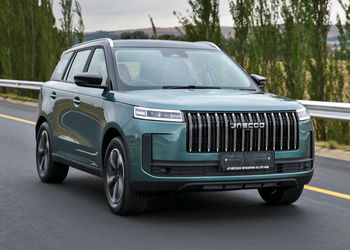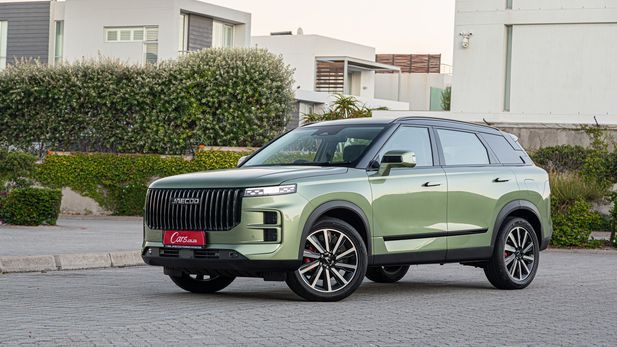
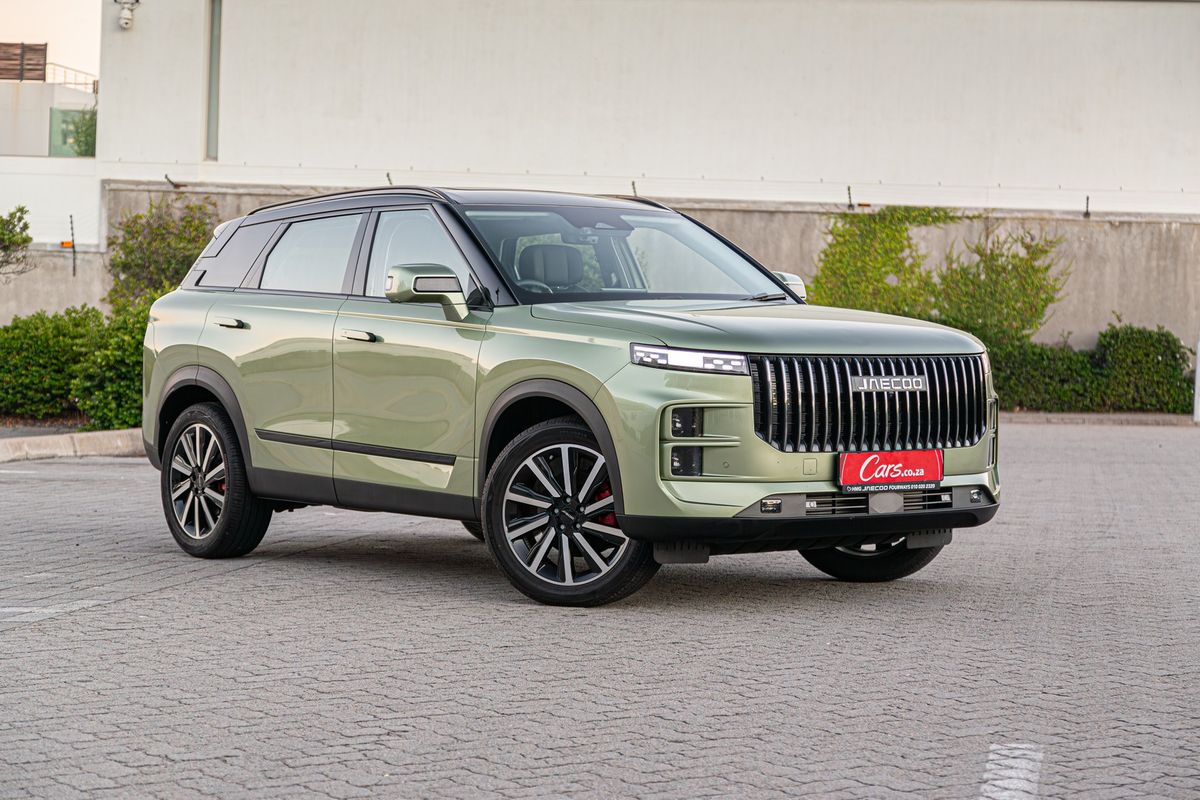
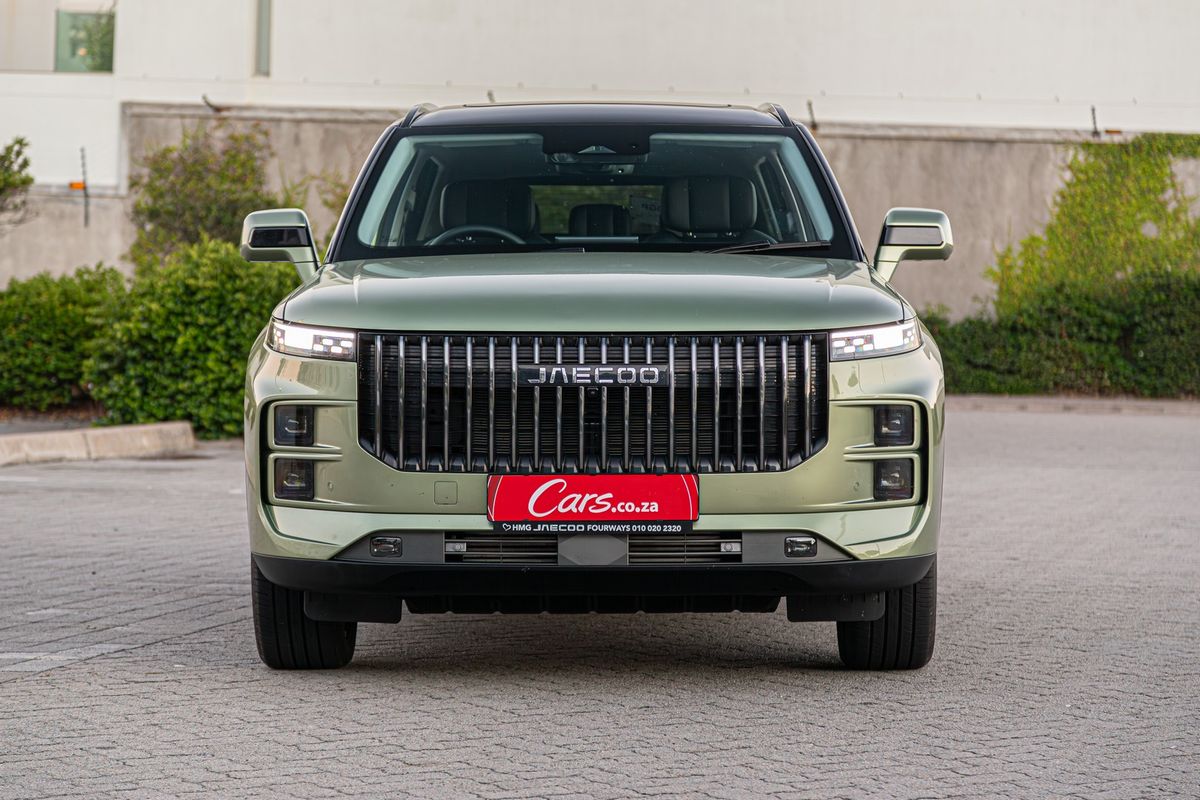
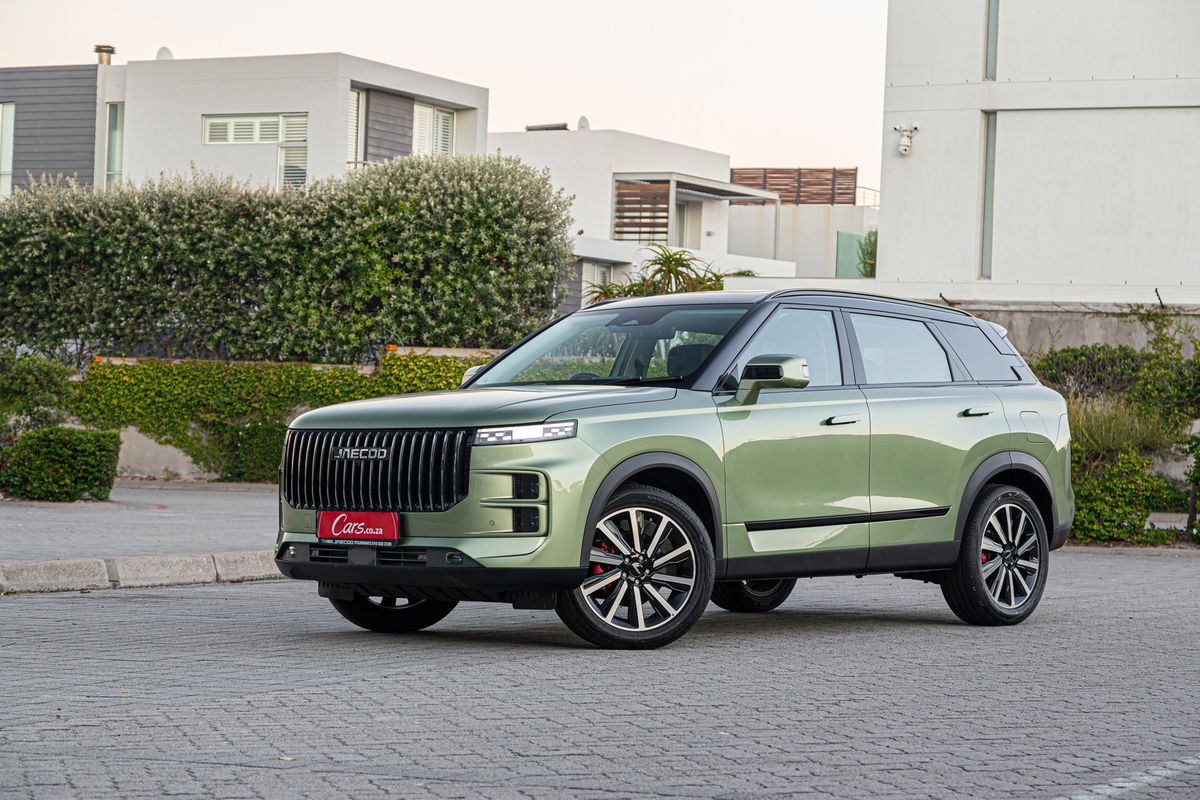
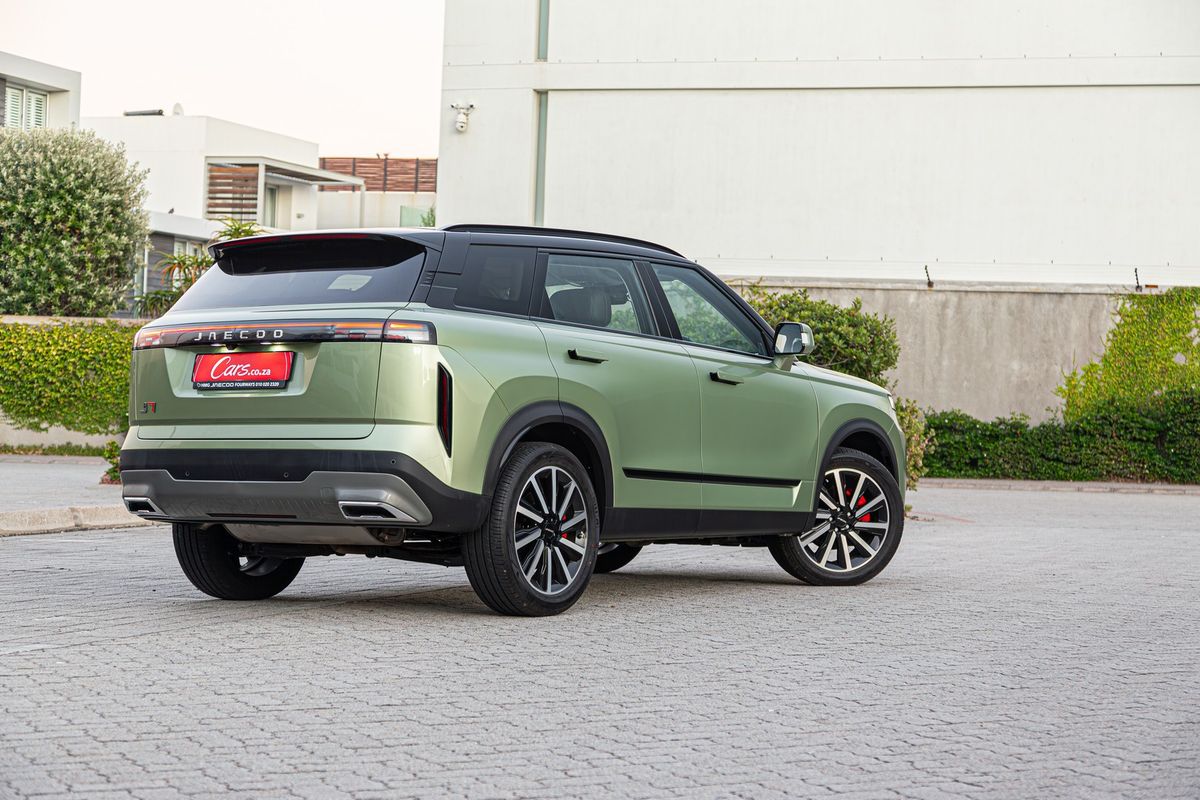
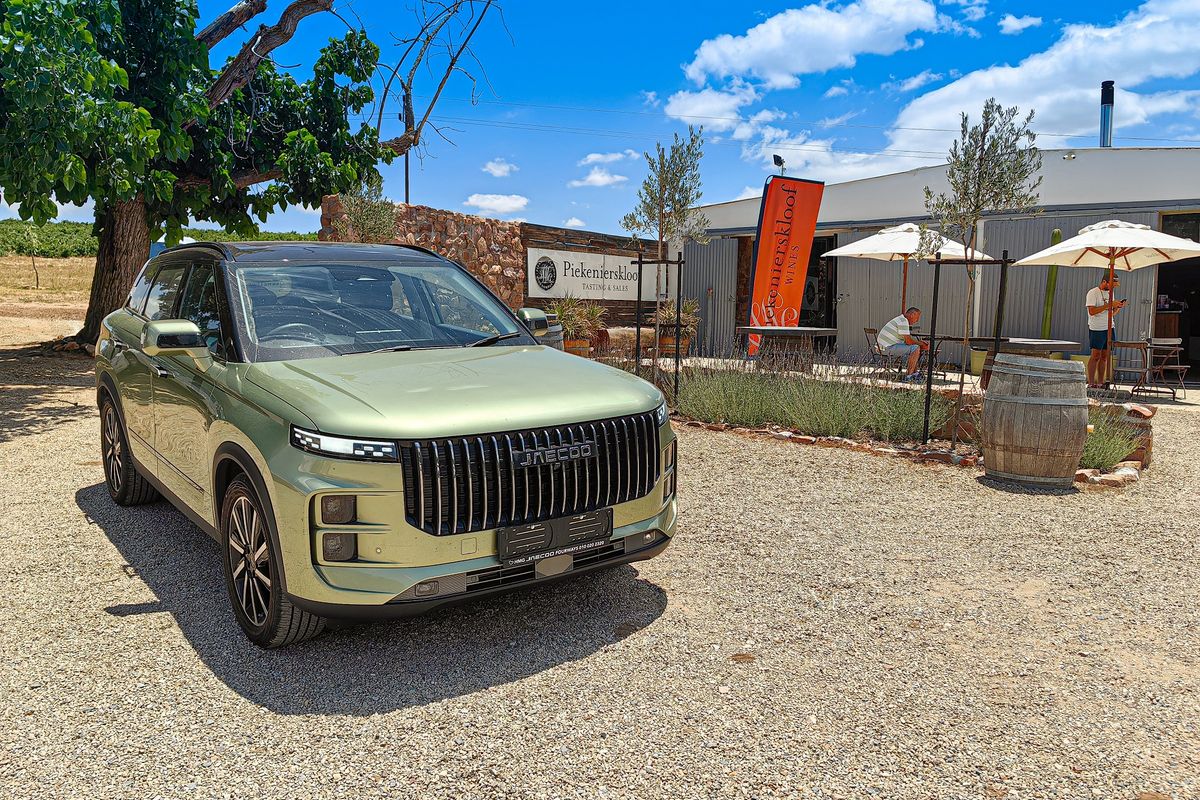
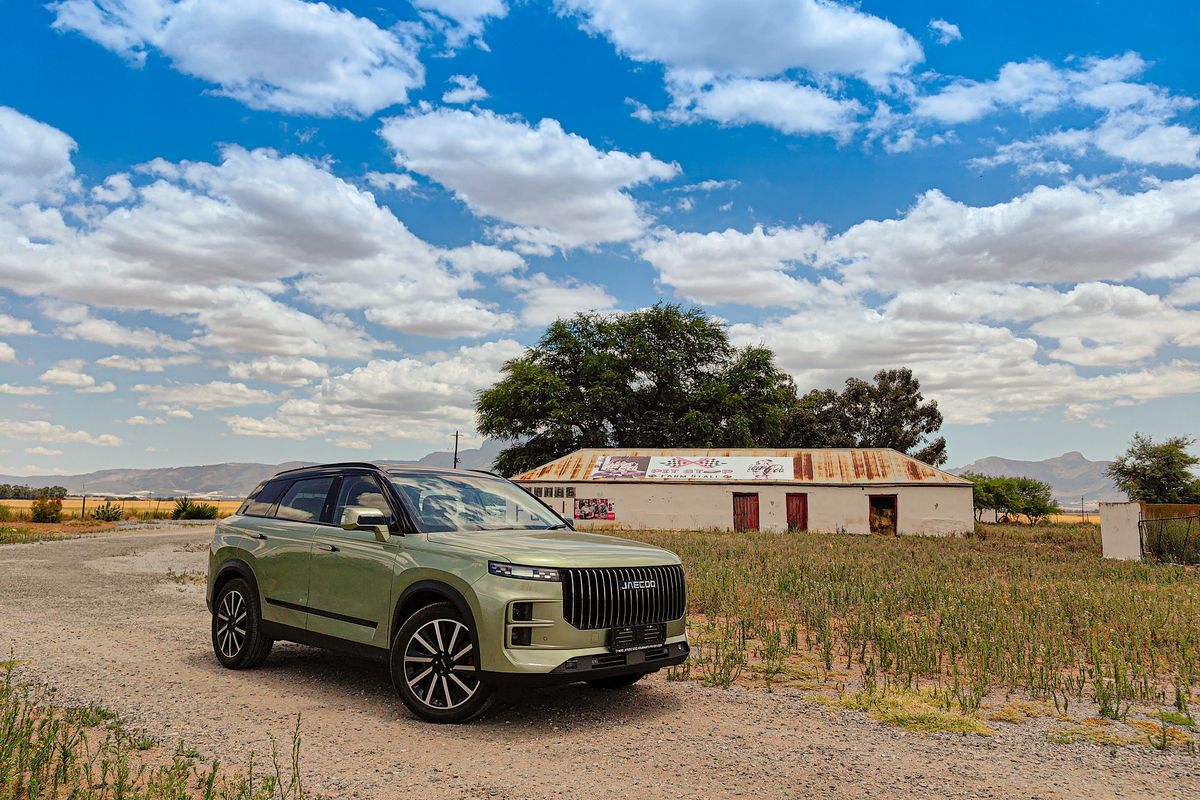
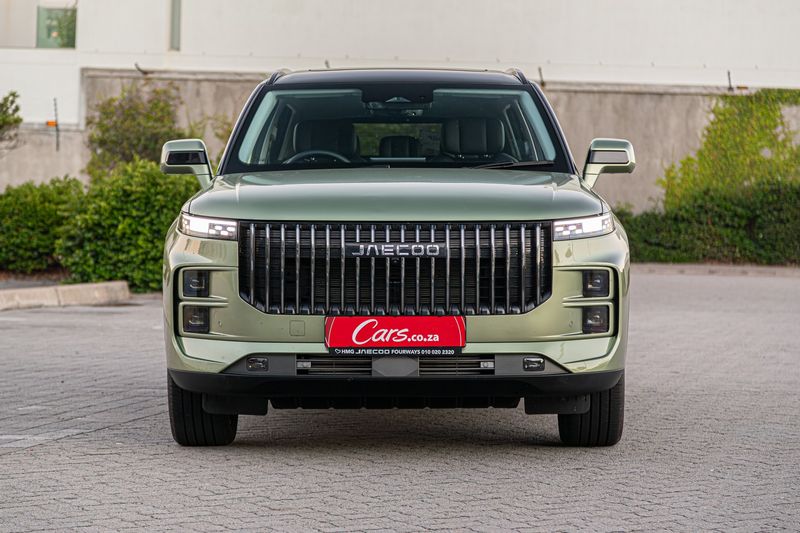
2025 will be a big year for Jaecoo, as it looks to expand its product line-up and dealer network. For now, the brand offers only the J7, which makes a strong 1st impression, but does it stand up to closer scrutiny? Read our extended review of the 1.6T Glacier!
A standard Cars.co.za review is thorough (we conduct it over a 7- to 14-day period), but if we hope to discover a model’s granular details, talents and quirks, an extended test over the December holiday period is the ideal opportunity to form a more in-depth understanding and appreciation of a vehicle.
For the 2024/2025 period, this author got behind the ‘wheel of a Jaecoo J7, tested here in the mid-spec Glacier trim grade. Jaecoo is a new Chinese brand that began operating in South Africa in 2024 and, in case you didn’t know, the brand forms part of the Chery Group‘s O&J division, along with Omoda.
Fundamentally, all the Chery Group vehicles make use of common platforms and share powertrains, but have different exterior designs, cabin layouts, and market positionings.
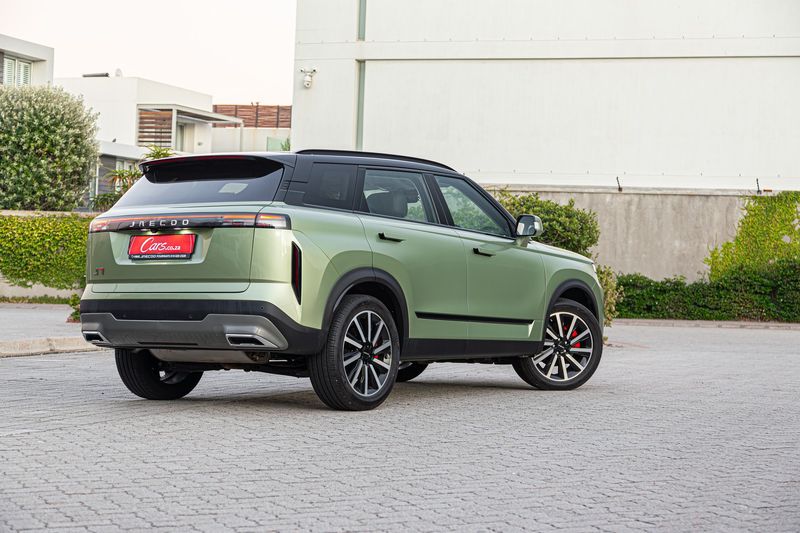
The Jaecoo J7 is the brand’s only model (for now) and priced from R549 900 (January 2025), with new arrivals like the compact J5, the boxy, all-electric J6 and J8 7-seater earmarked for South Africa in 2025.
See also: Jaecoo J7 launch review
Which models rival the Jaecoo J7?
The R500k-R600k family car segment is awash with excellent offerings. However, when you look at the technical data, you will see the Jaecoo J7 is a little smaller than traditional medium SUVs, so you can rule out the Toyota RAV4, VW Tiguan, Kia Sportage, Hyundai Tucson and Mazda CX-5 as possible rivals.
As like-for-like rivals, which are very similarly sized to this striking Chinese newcomer that purposely resembles a luxury British car brand’s SUV, we’ve singled out the Kia Seltos and Volkswagen T-Roc.
Compare the specs of the Jaecoo J7 with those of the Kia Seltos and Volkswagen T-Roc
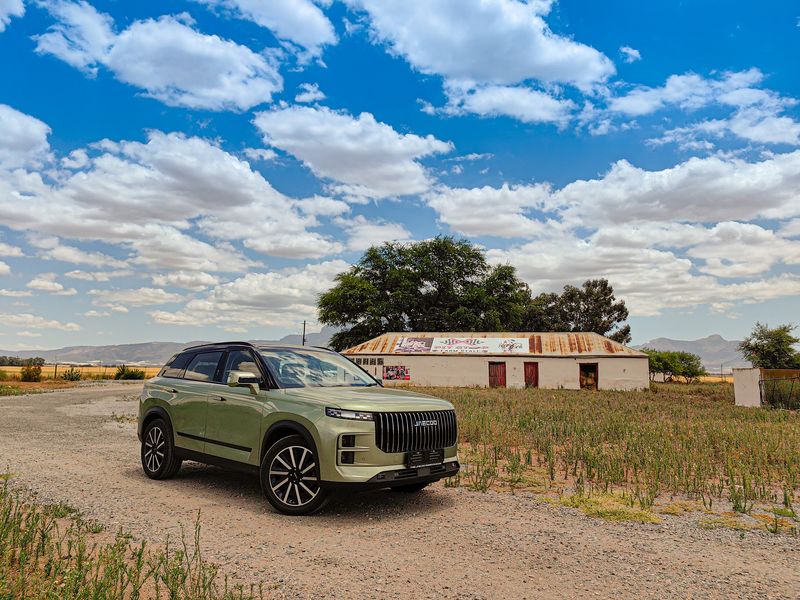
Things To Like about the Jaecoo J7
An abundance of standard features
The J7 1.6T Glacier is one of those vehicles where it is simply easier to list the features that are missing – otherwise, we’d fill this entire page and take up far too much of your time detailing each and every item.
A heated steering wheel, privacy glass and all-wheel drive are the only items left off – they’re reserved for the 1.6T Inferno AWD flagship variant, which costs a notable R80k more than the 1.6T Glacier.
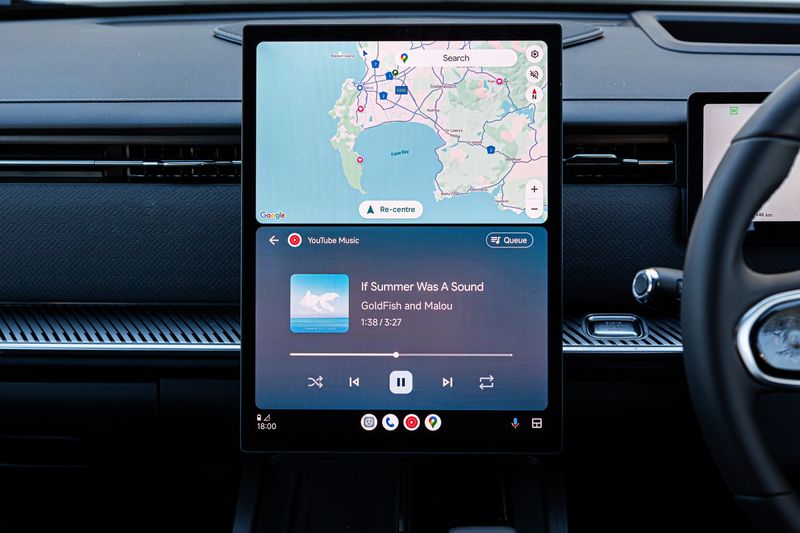
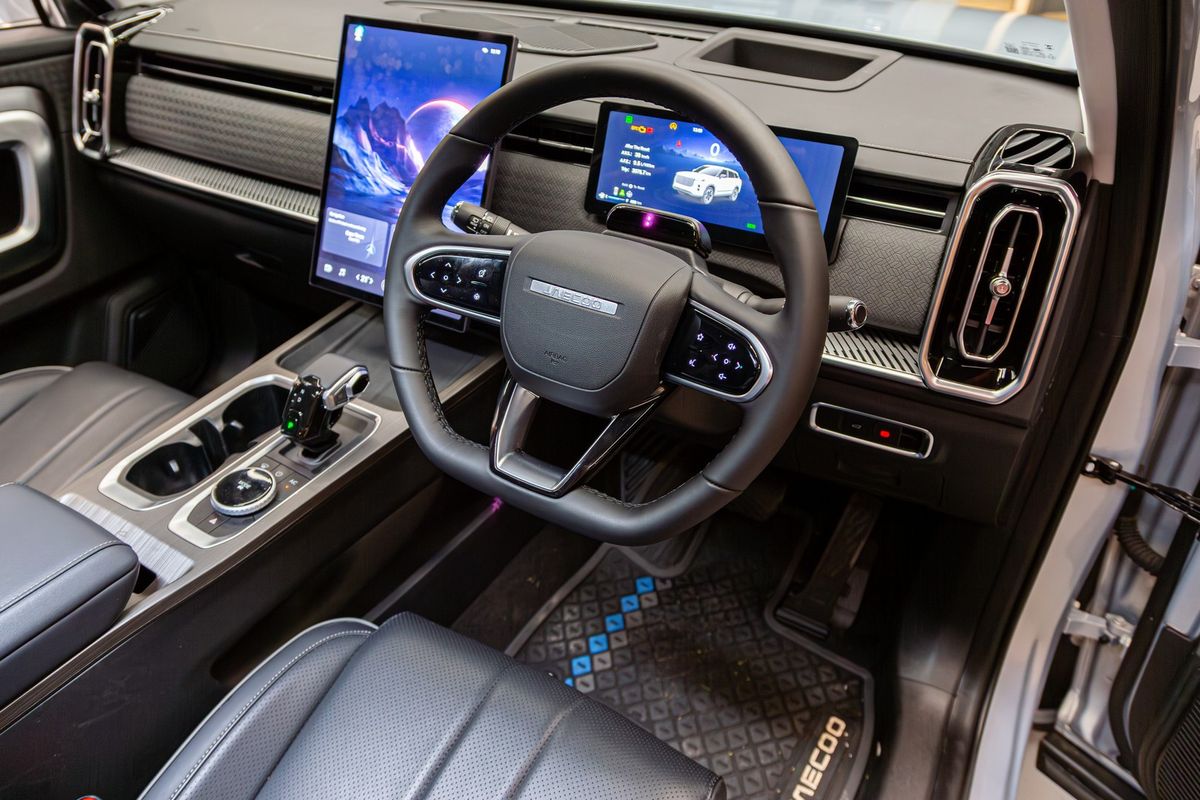
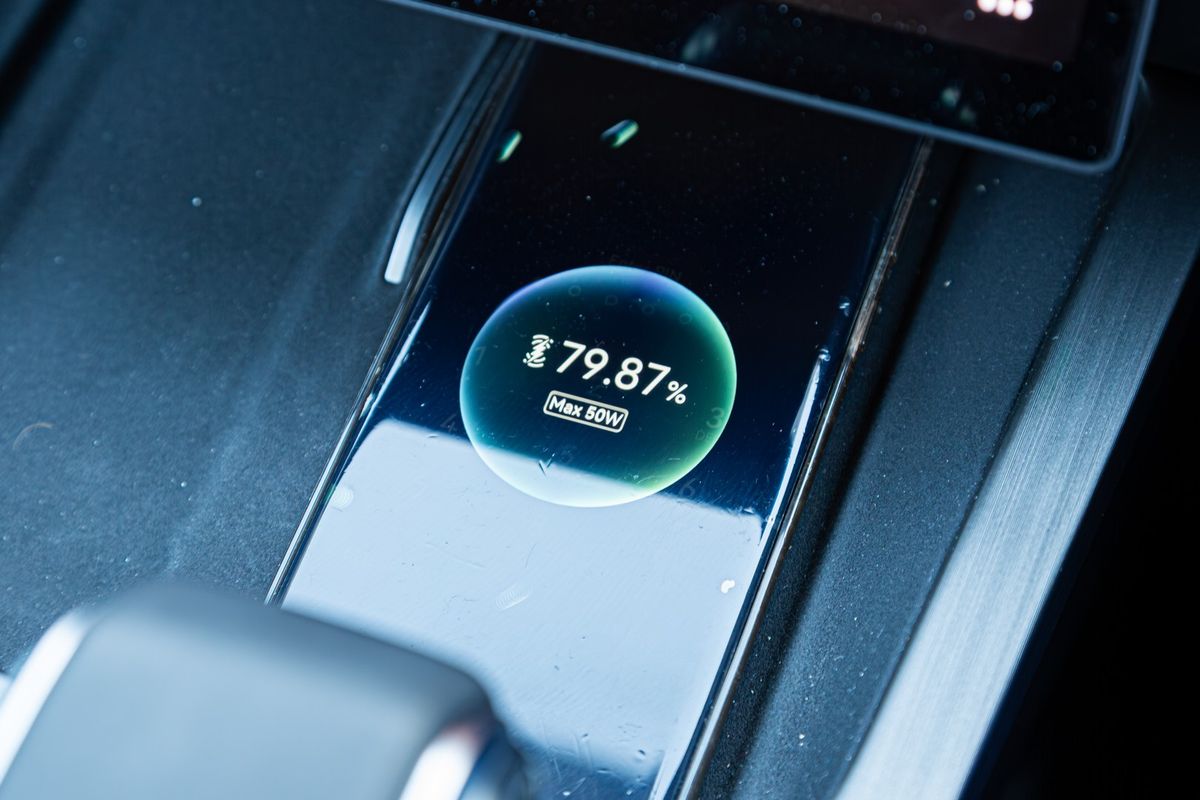
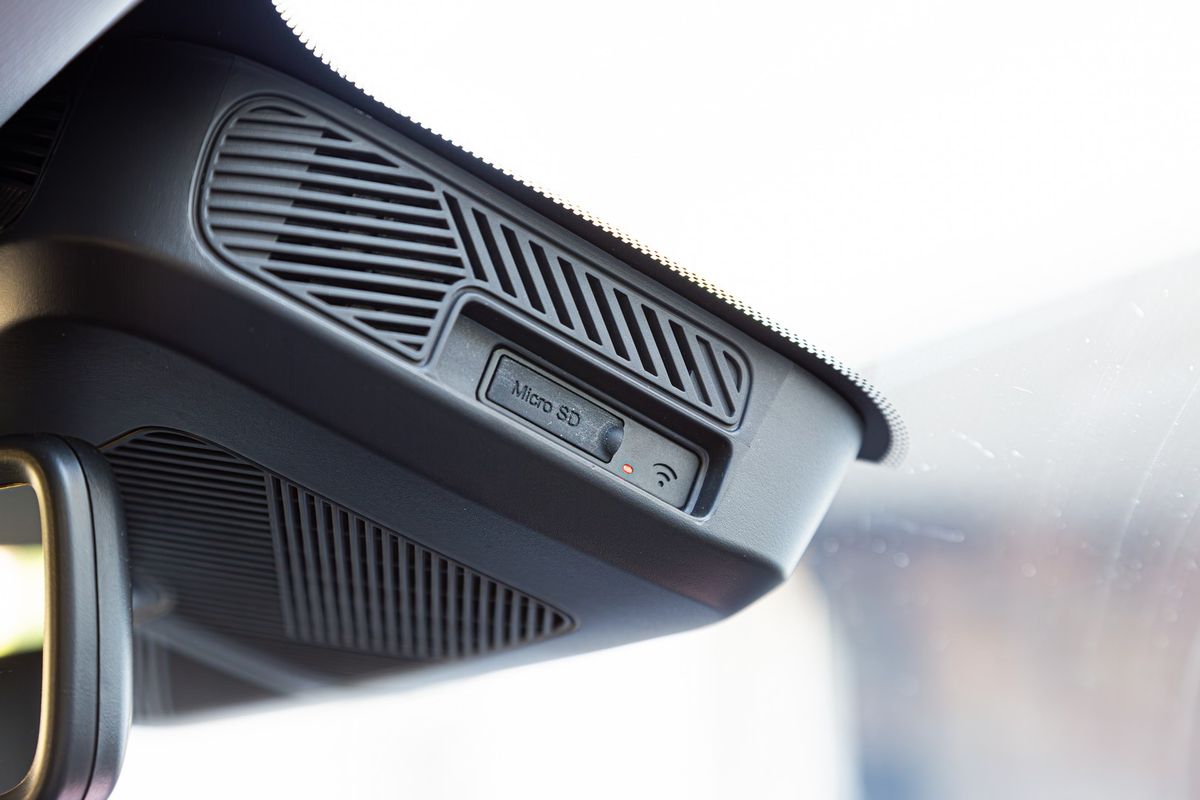
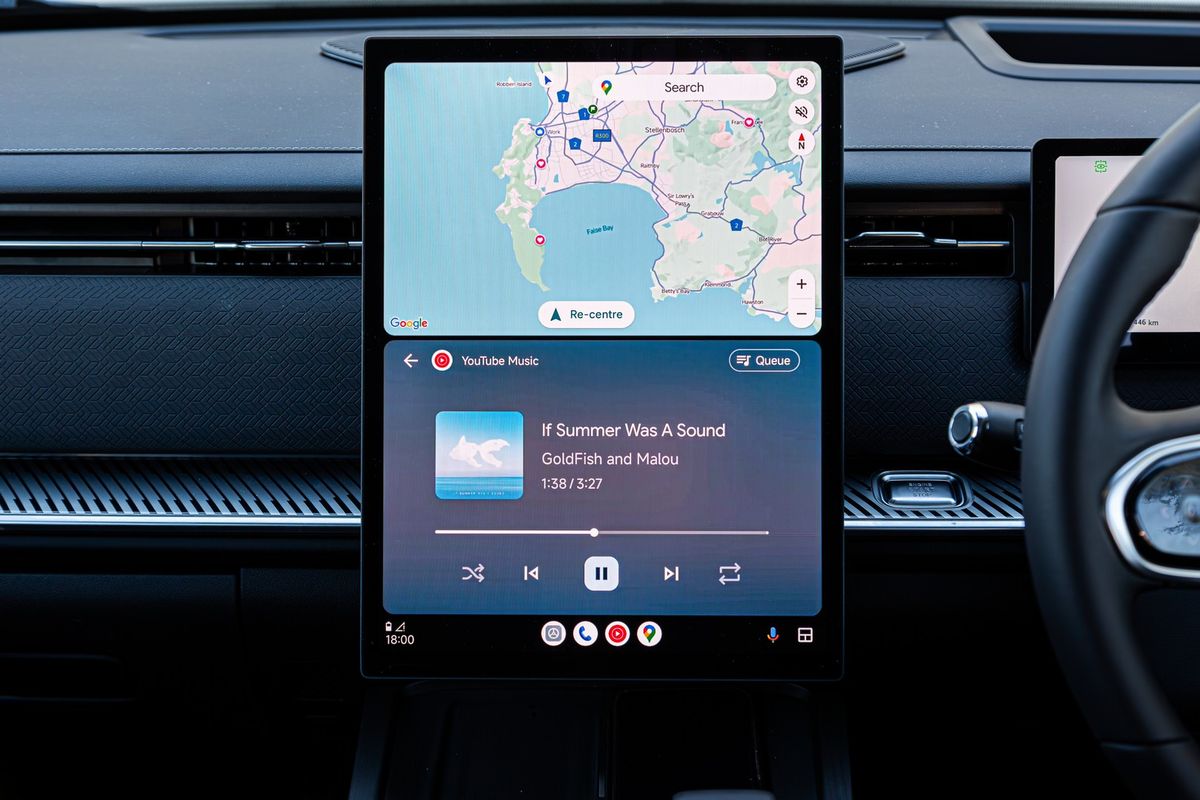
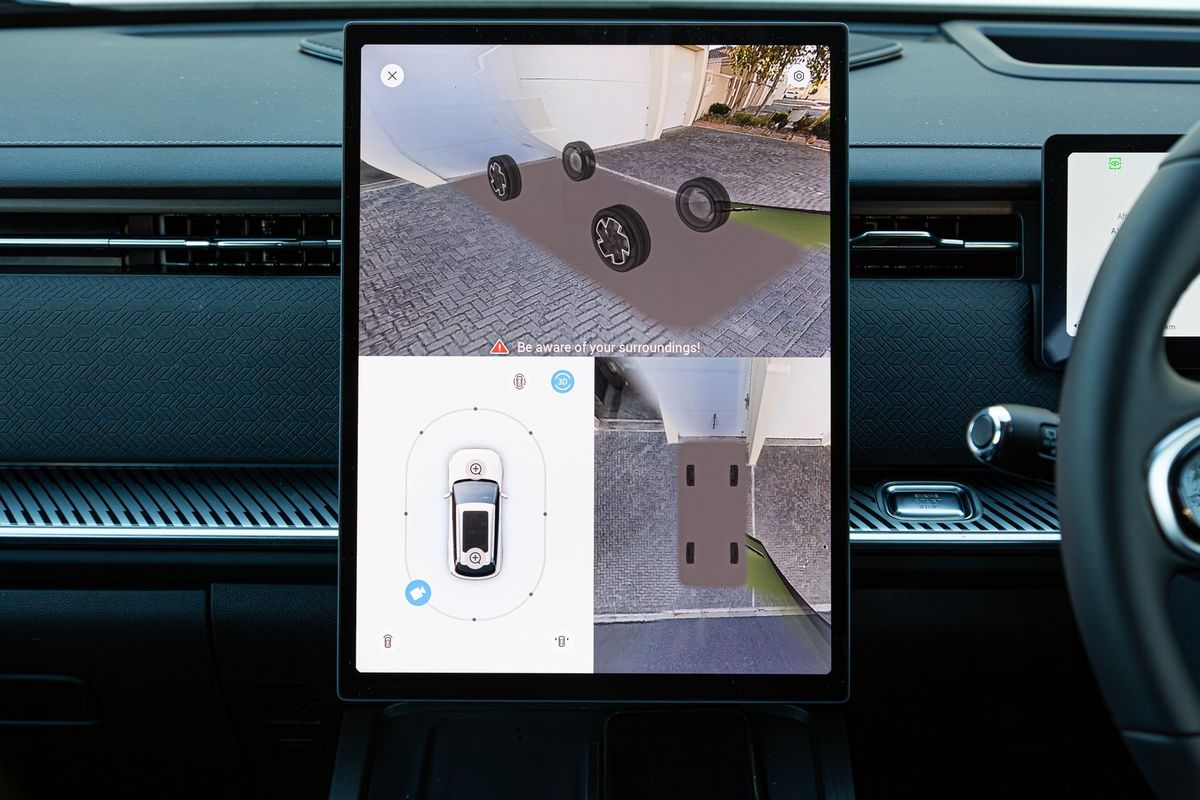
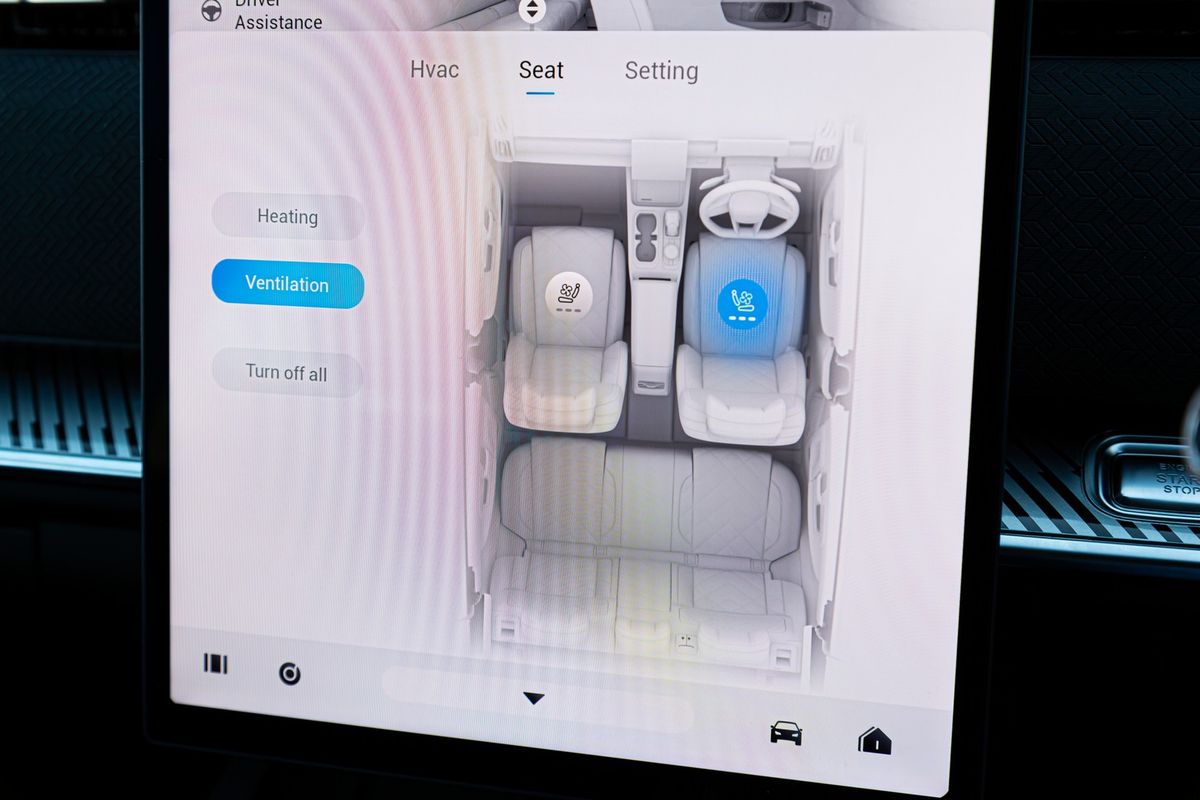
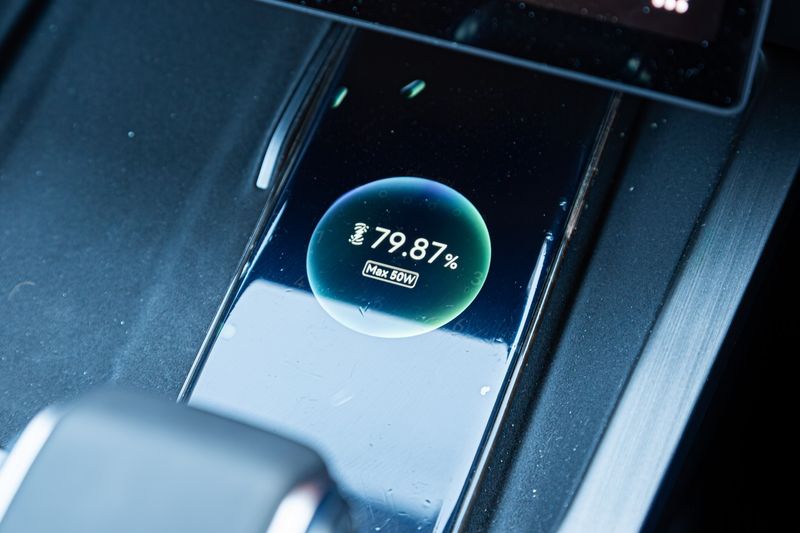
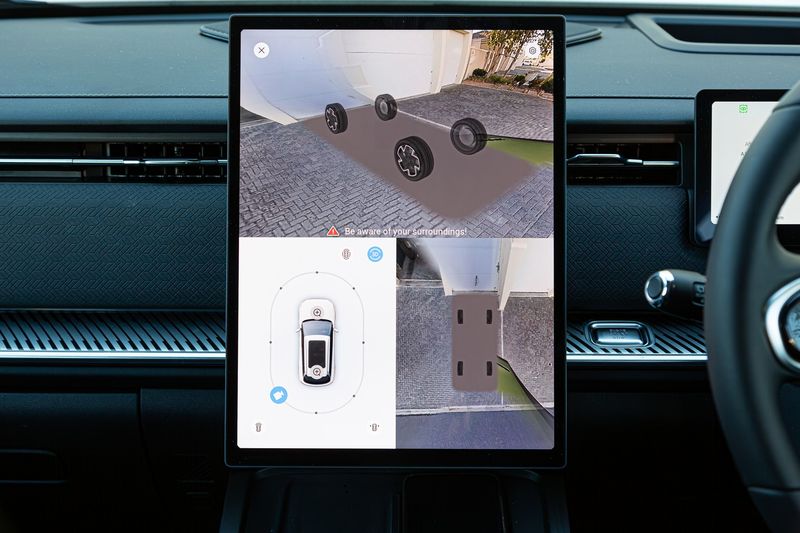
Highlights (features we used extensively) include the ventilation function for the front seats (they can also be heated) – it was very welcome on hot summer days, integrated dashcam, head-up display, 360-degree parking camera, wireless Android Auto and Apple Carplay, Sony audio system, 14.8-inch portrait touchscreen, and 50W wireless charging (which is genuinely effective, not all cars’ inductive pads are).
Eager performance
Under the bonnet is a 145 kW/290 Nm 1.6-litre 4-cylinder turbopetrol engine mated with a 7-speed dual-clutch automatic transmission. Those peak outputs suggest the J7 should be brisk in a straight line, but seeing as the test unit arrived with very few kilometres on its odo, we delayed the 0-100-kph test a while.
But once the odometer nudged past 2 000 km, we hooked up our test gear for 1st first acceleration run of 2025. The 1.6T Glacier bucked its name by zipping to 100 kph from a standstill in a spirited 8.04 sec; Jaecoo doesn’t state an acceleration time for the J7, but it feels punchy for a not-so-small crossover.
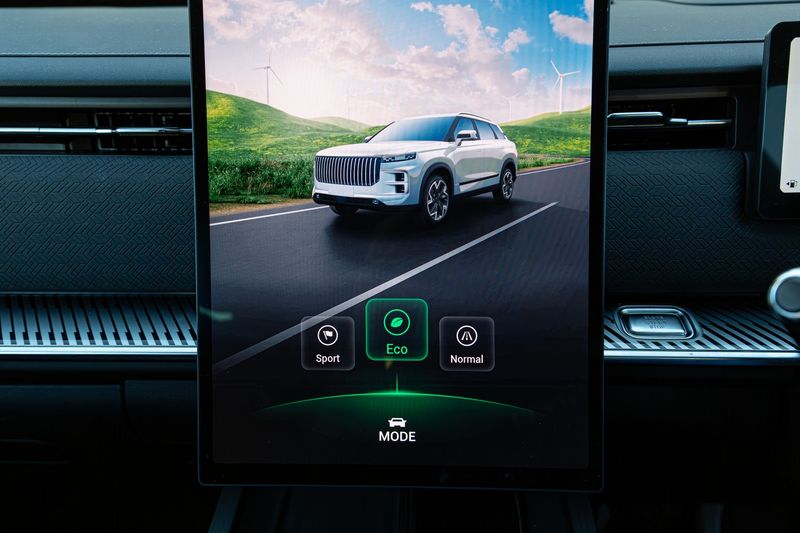
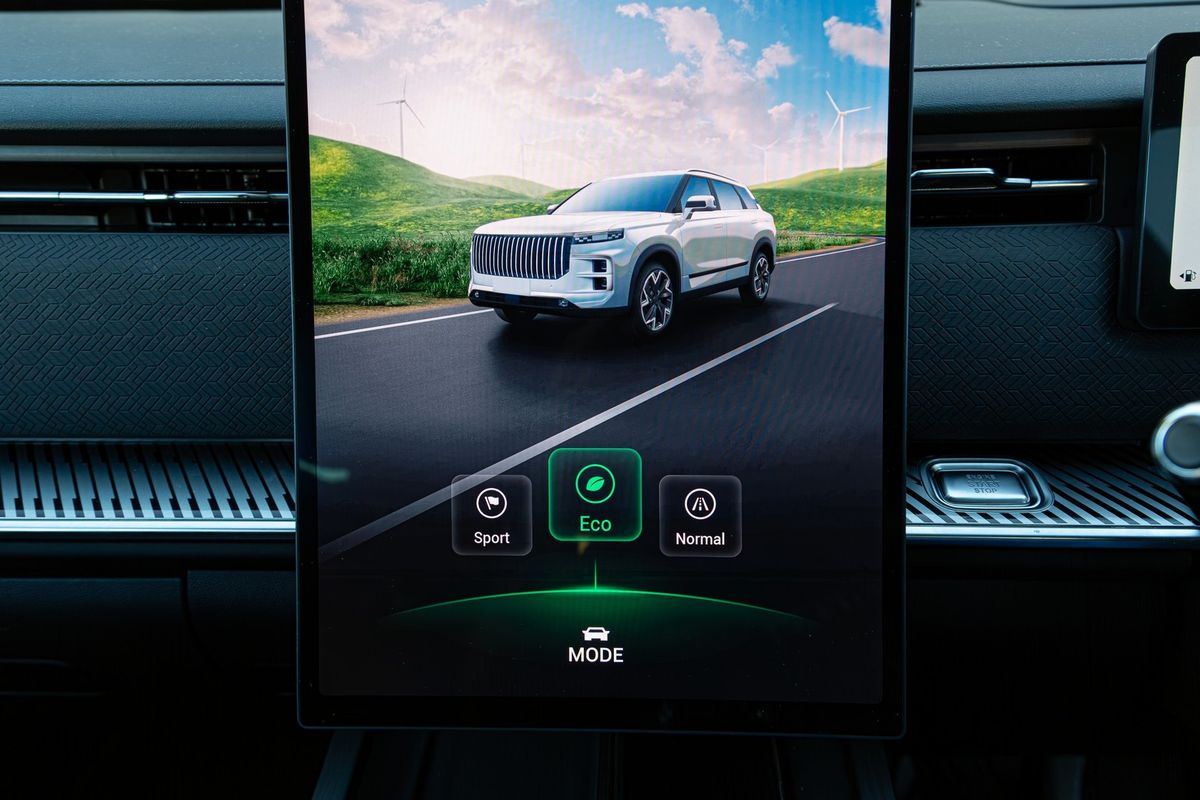
Like in other Chinese brands’ models, the throttle calibration isn’t perfect – we found the J7’s powertrain tended to respond to gentle (to firmer) accelerator pedal inputs with nothing, nothing again, and then all of the torque at once (often accompanied by a chirp from the front tyres), but we solved that by driving exclusively in Eco (the other drive modes are Normal and Sport), which is smoother and more relaxed.
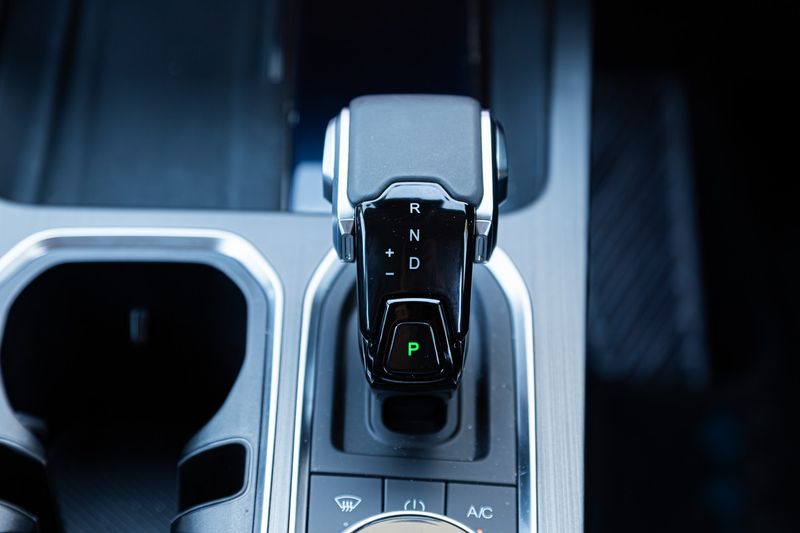
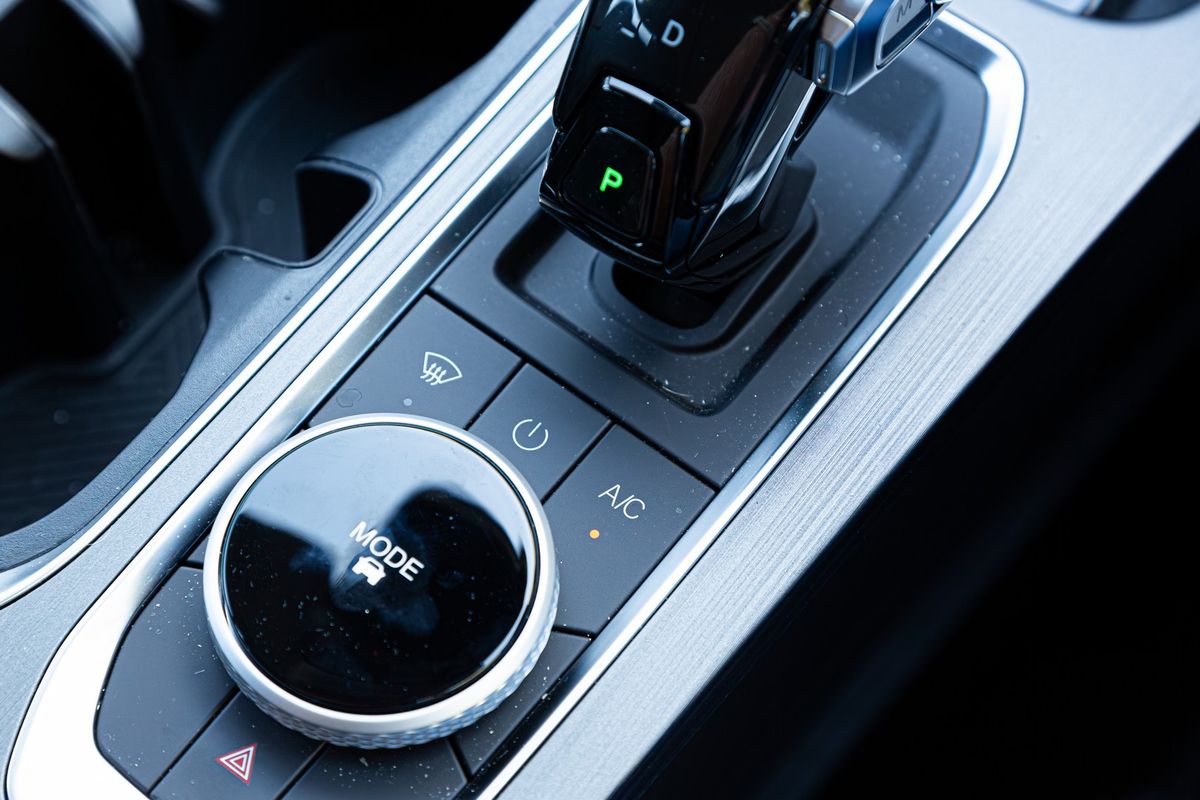
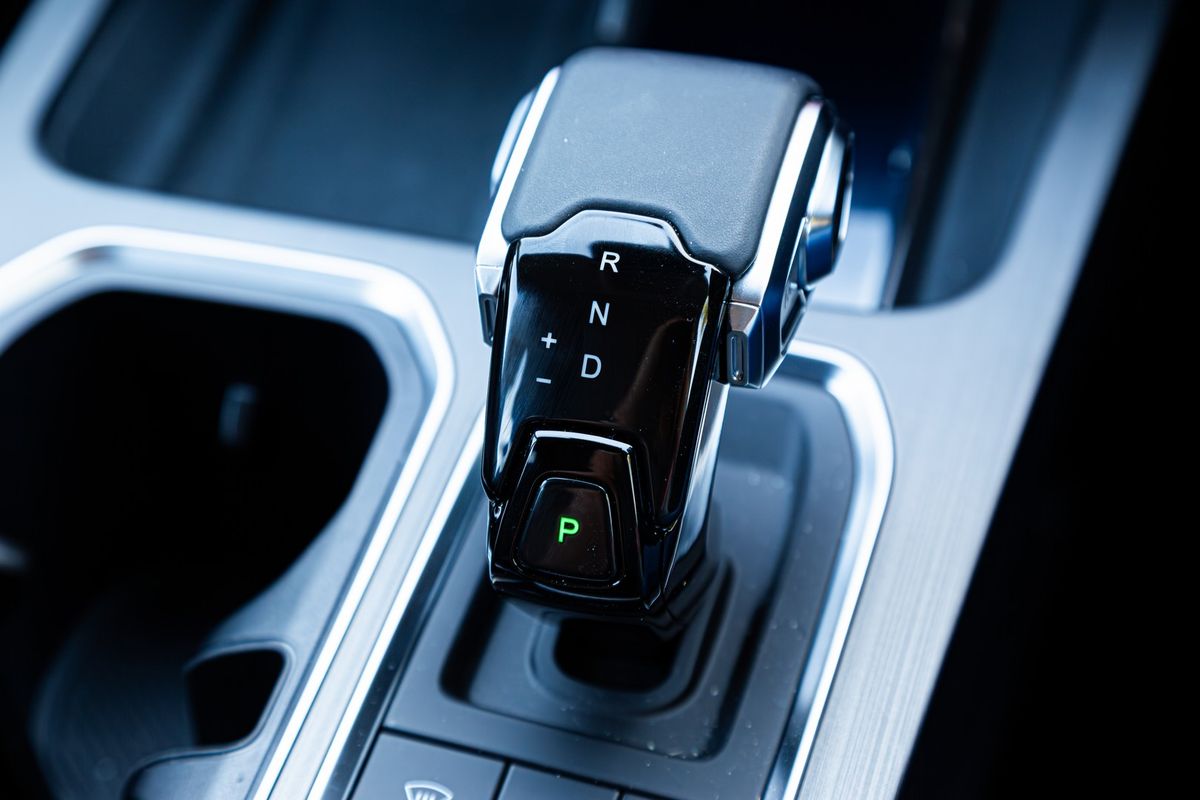
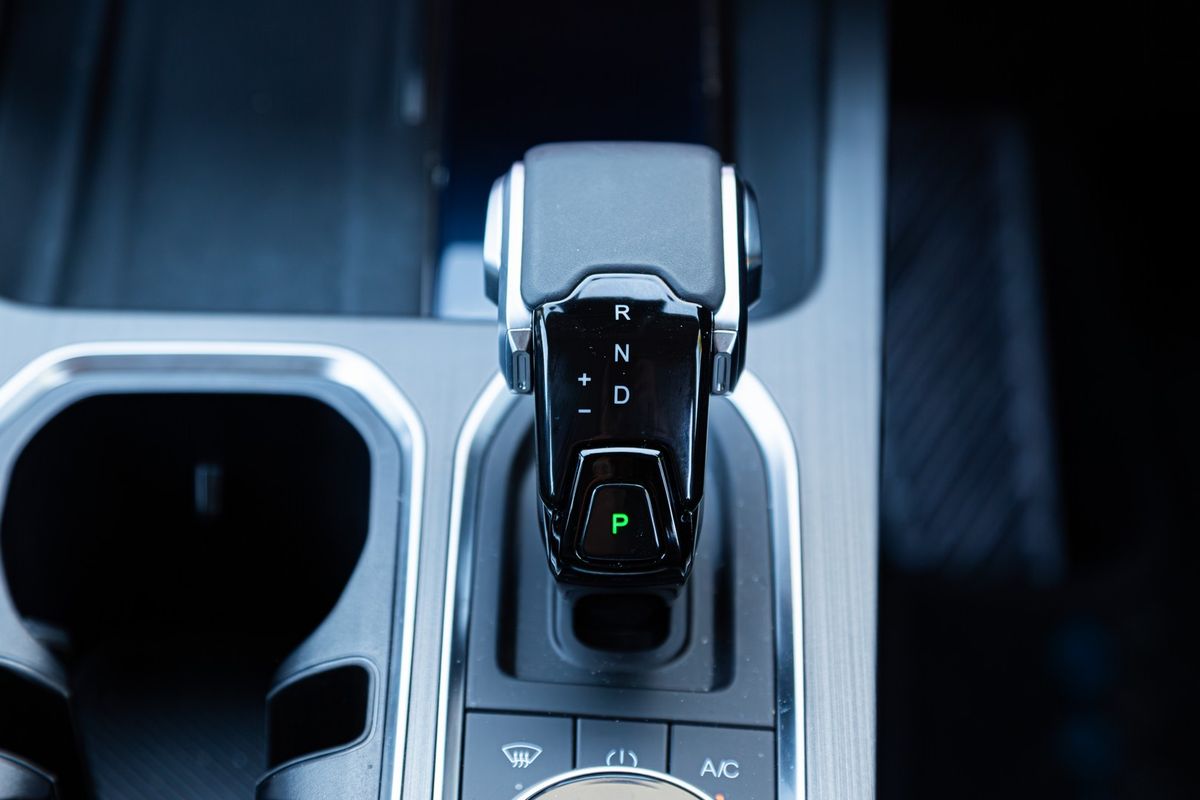
The transmission, which shifts smoothly and exactly when you expect it to, is excellent. Granted, there are no ‘shift paddles on the ‘wheel and the manual override function is unconventional because you use the standard shift movement from Park-Reverse-Neutral-Drive to change up/down, which is quite novel.
Safety Features
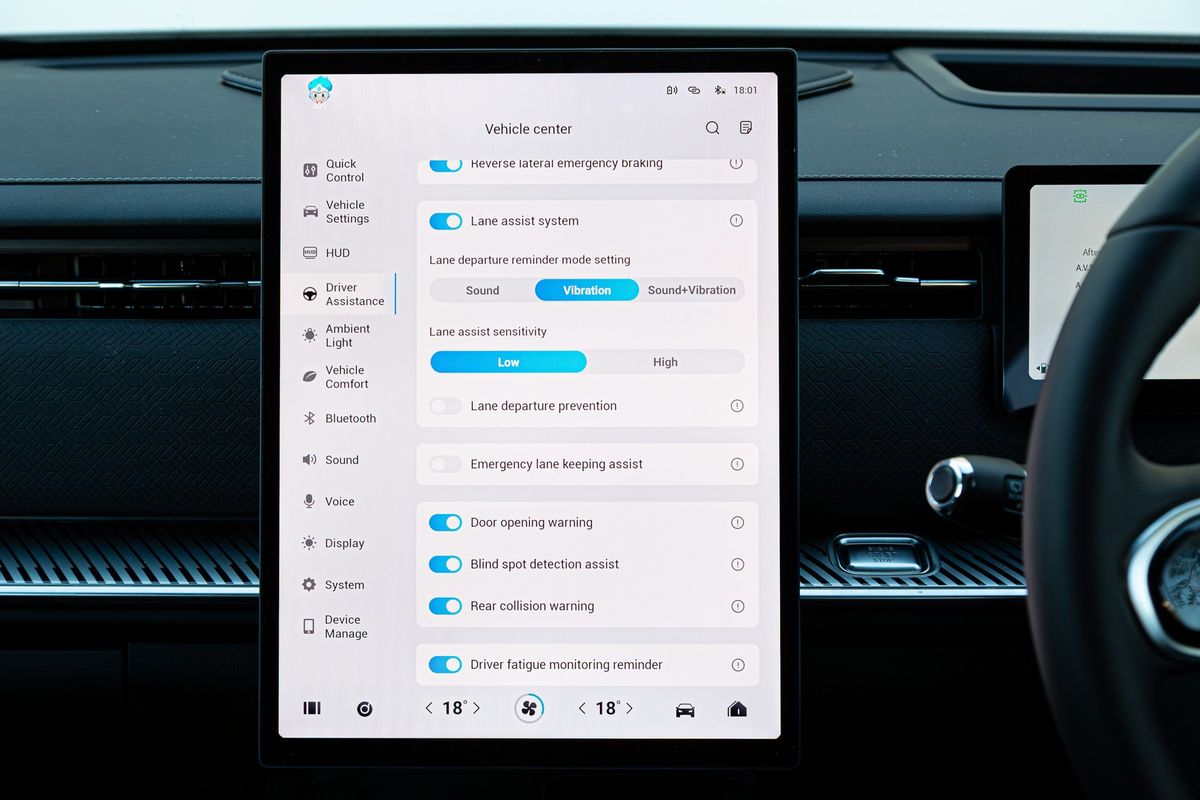
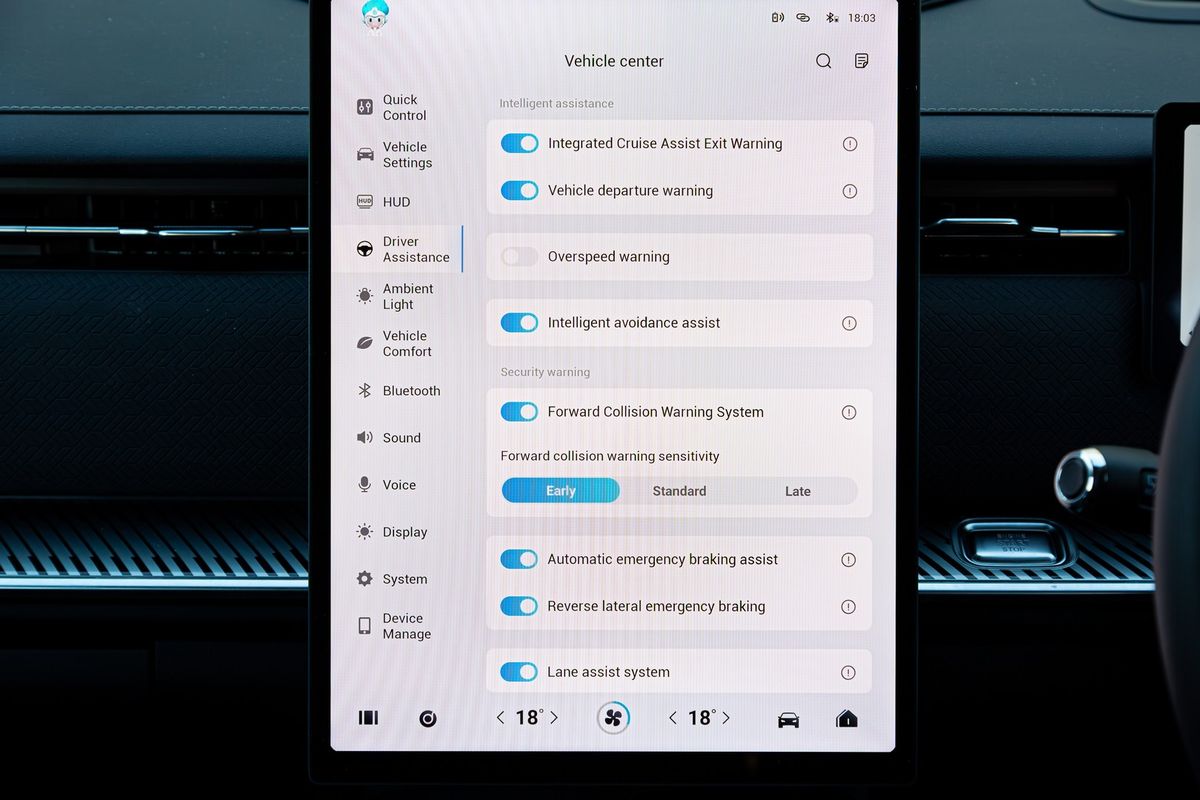
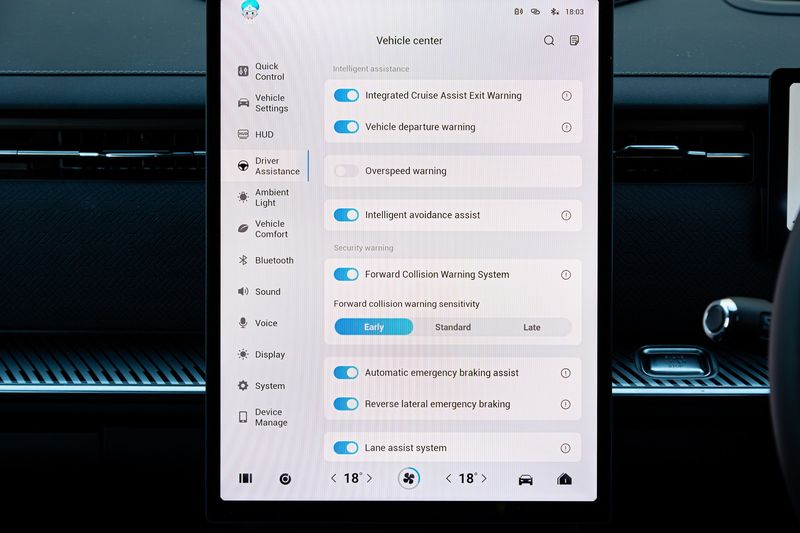
Considering the 1.6T Glacier’s price point, it’s fitted with a staggering (but impressive) level of safety equipment. In Glacier trim, the Jeacoo J7 comes fitted with 8 airbags (including a driver’s knee bag and 1 positioned between the seats), autonomous emergency braking, adaptive cruise control, traffic-jam assist, lane-departure warning/prevention, rear cross-traffic alert/assist, and much more.
We also discovered a pair of interesting features. First, the blind-spot assist works in conjunction with the rear passenger doors when the Jaecoo is standing still. If a vehicle is approaching, a subtle warning light will flash to alert passengers that it is unsafe to exit the vehicle. Second, when you’re sitting in traffic and not paying attention, the 1.6T Glacier will beep to let you know the car in front of you has moved. Clever!
Dislikes?
Iffy electronics
Because an increasing number of new-car buyers are more concerned with new vehicles’ packaging than their mechanical configurations, most car manufacturers now endow their products with a bristling assortment of high-tech features… but getting them to work together seamlessly is no easy task.
Software specialists often talk about UX (user experience, including intuitiveness, efficiency, utility and so on) and it’s a bit frightening to think about how much computing power new cars have. But even if cars have become increasingly connected, bugs/glitches commonly occur – especially on new models.
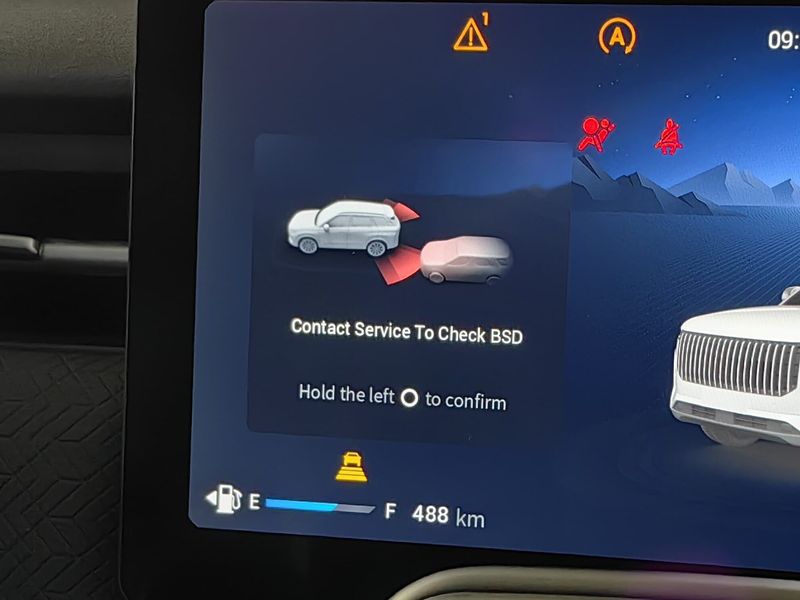
In our case, a week before the J7 was due to be collected, its blind-spot detection system stopped working. A quick reset (turning the car off and on again) didn’t resolve the problem. We drove to the office and a few hours later, when we returned to the car to drive home, the glitch had vanished. It was weird, but such issues are becoming common – another car in our December fleet had a similar problem.
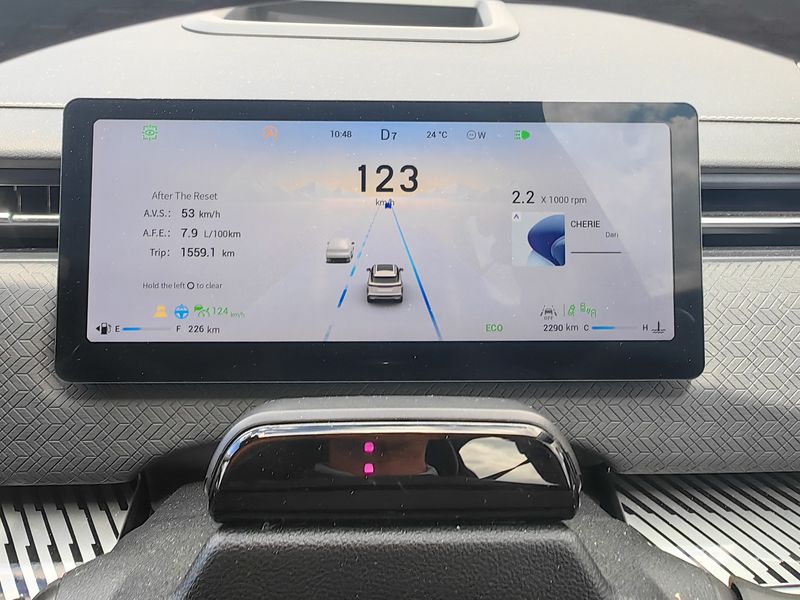
Integrated Cruise Control is Jaecoo’s propriety name for its assisted-driving program, which utilises adaptive cruise control and lane-keep assist to perform semi-autonomous driving. You have to keep your hands on the wheel – if you don’t, the car will detect a lack of resistance on the rim and sound an alert.
The system works adequately, but there were a few times when the integrated cruise control actuated overly harsh steering inputs and applied automatic braking force VERY late, so some fine-tuning or polishing is required. For what it’s worth, if you crave this sort of tech, then look to Volvo’s Pilot Assist.
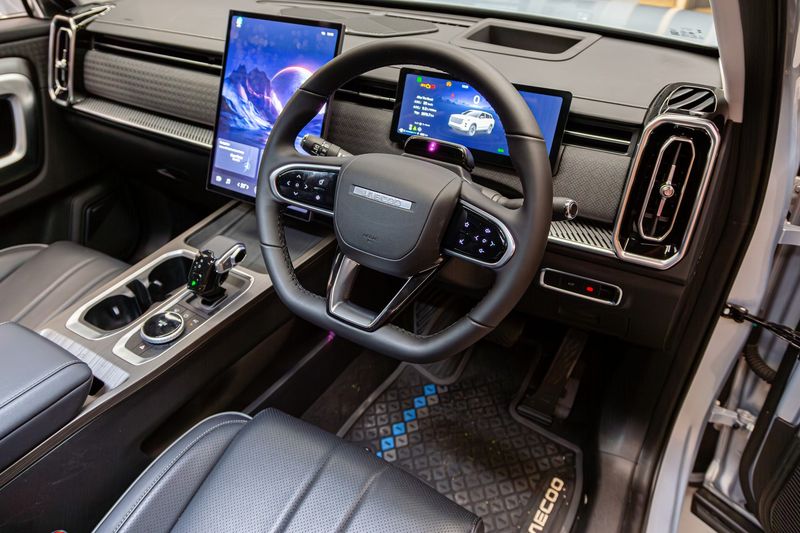
Located atop the steering column is a small rectangular sensor, which tracks your eye moment. If you’re not paying attention to the road in front of you, an alert will sound. It quickly becomes overbearing – and intrusive. It CAN be switched off, yes, but it will reactivate itself once you restart the vehicle.
Clumsy ergonomics
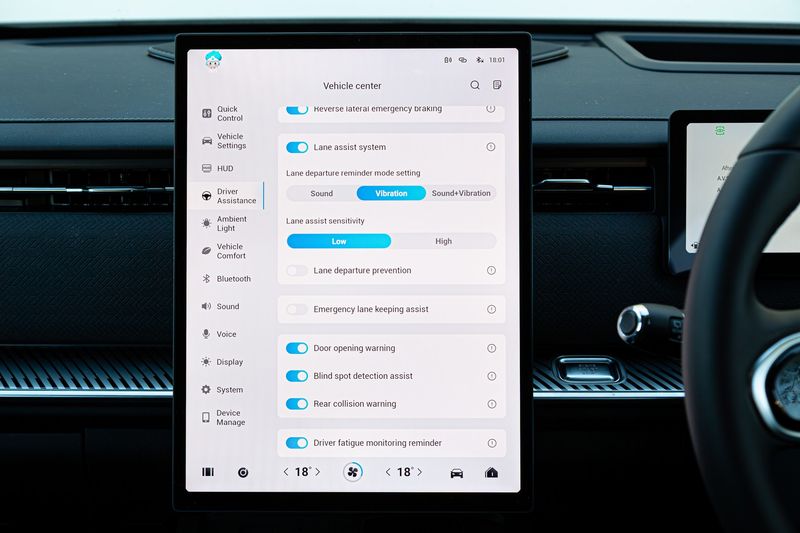
Yes, the sizeable portrait-orientated touchscreen boasts excellent graphics and visibility (day and night, in all types of weather), but it does seem as if Jaecoo has impeded the user-friendliness of the J7’s infotainment system by integrating, no, jam-packing way too much functionality into it.
Here’s an example of digital clunkiness: if you want to change the cabin temperature while Android Auto is running, you have to exit that application, push the home screen button, open the climate control menu (to make the adjustment), then push the home button, before you can open Android Auto again.
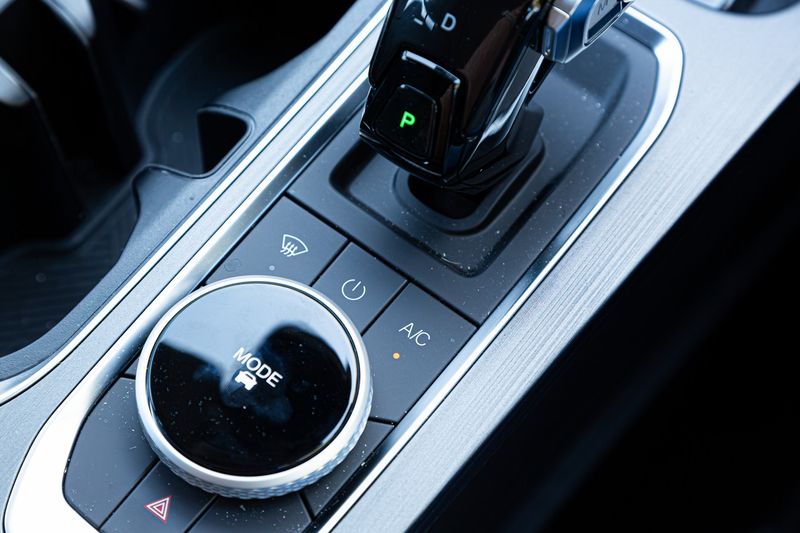
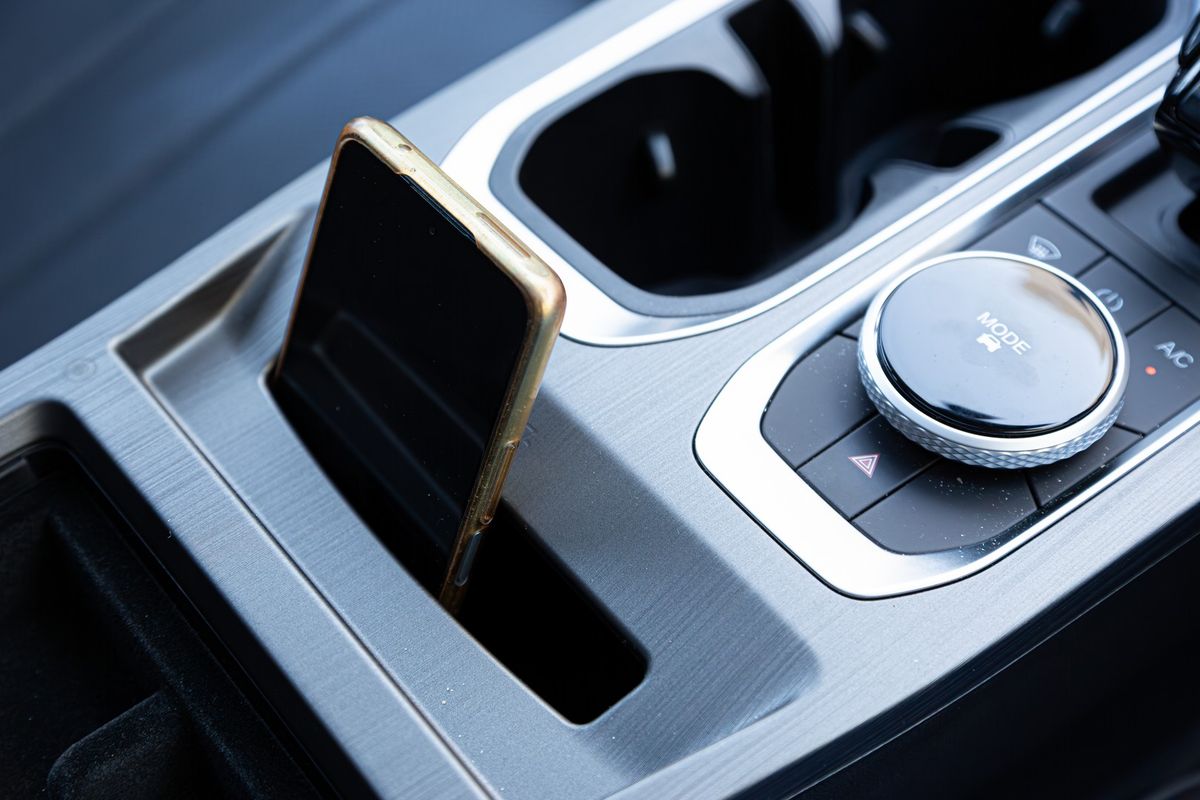
All that faff, just to change the cabin temperature? A simple climate control shortcut button would solve that, but to be fair, so would more familiarisation: there is a discreet AC on/off button located adjacent to the drive-mode selector, which will call up the climate menu. The rest of the screen’s ergonomics are quite un-car-like – they incorporate a smartphone- or tablet-esque user flow with swipes and flicks.
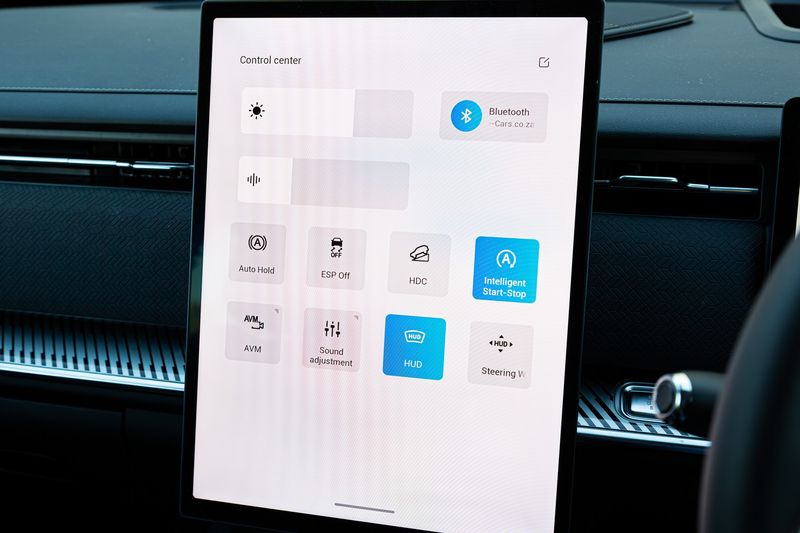
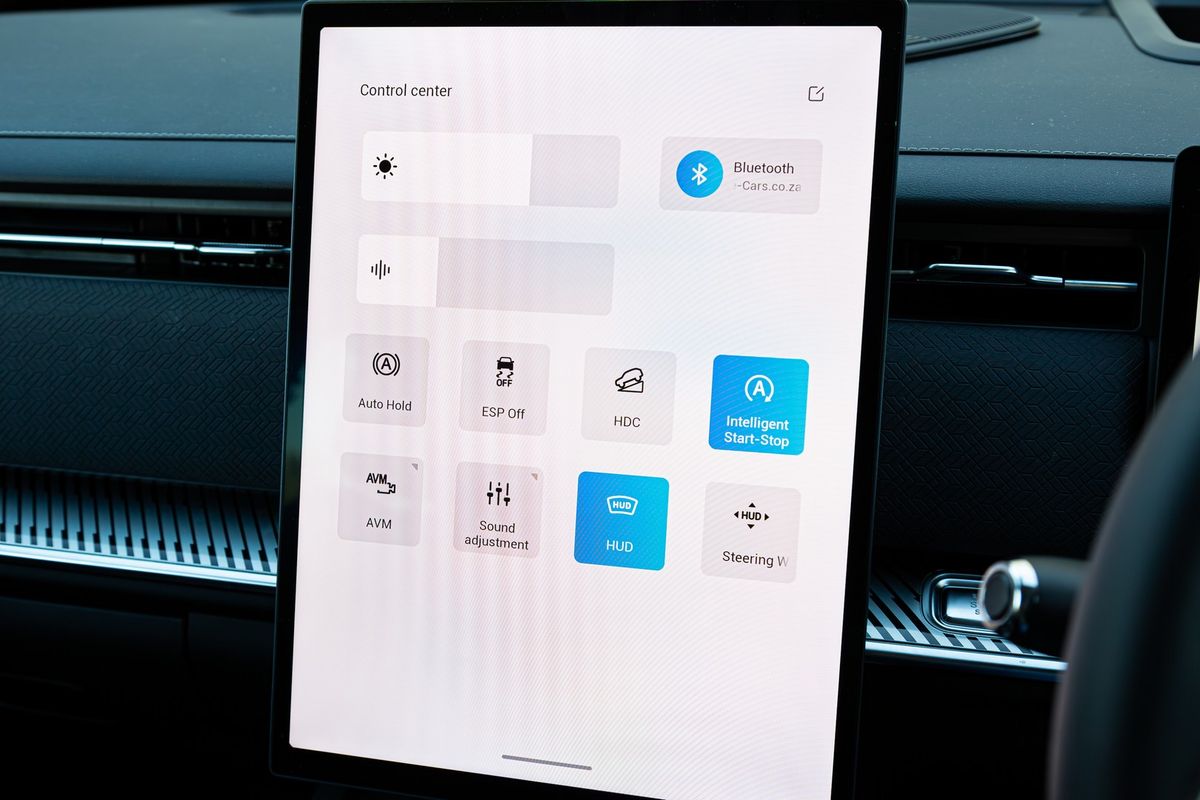
If you swipe downwards from the top of the screen, you get access to the menu shown above, from which you can deactivate the start-stop system – it took us 10 days to find that setting! You’ll notice that you can also adjust the screen brightness and volume with sliders, much like a smartphone/tablet. Great for the younger generation, but it’s likely to be a steep and intimidating learning curve for older buyers.
Mediocre fuel economy
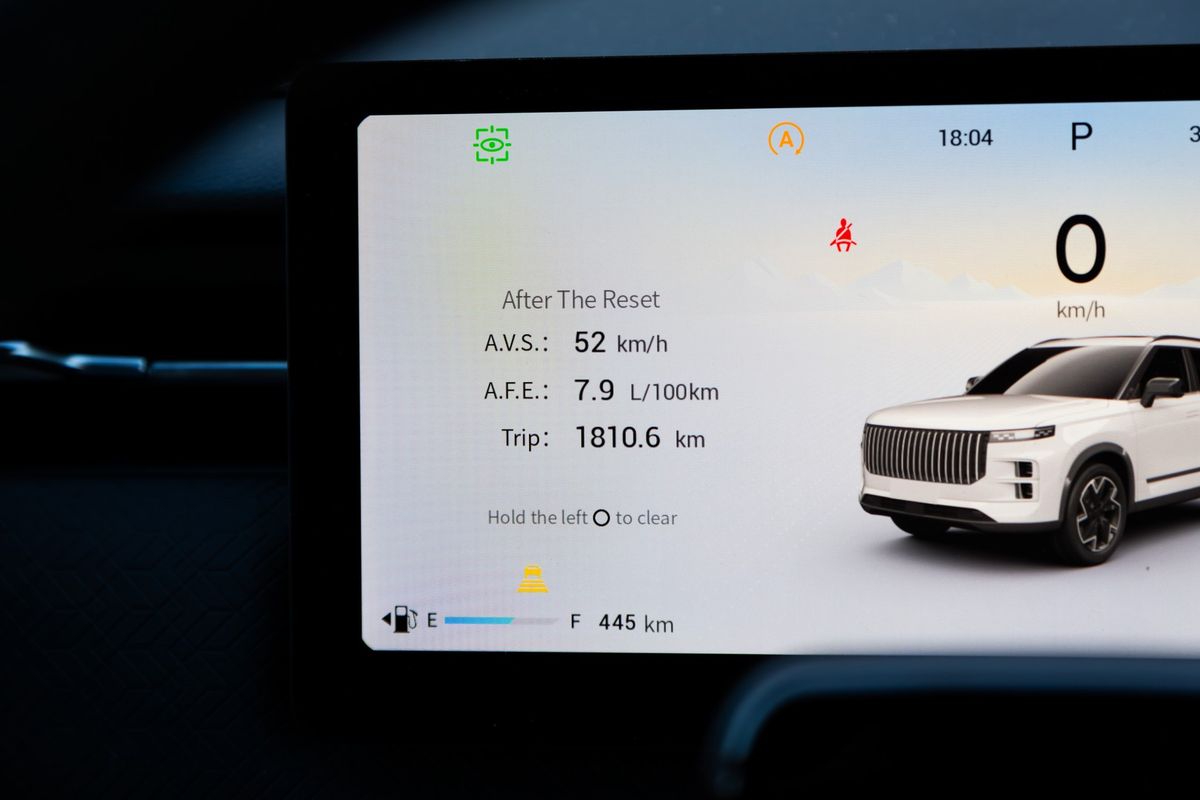
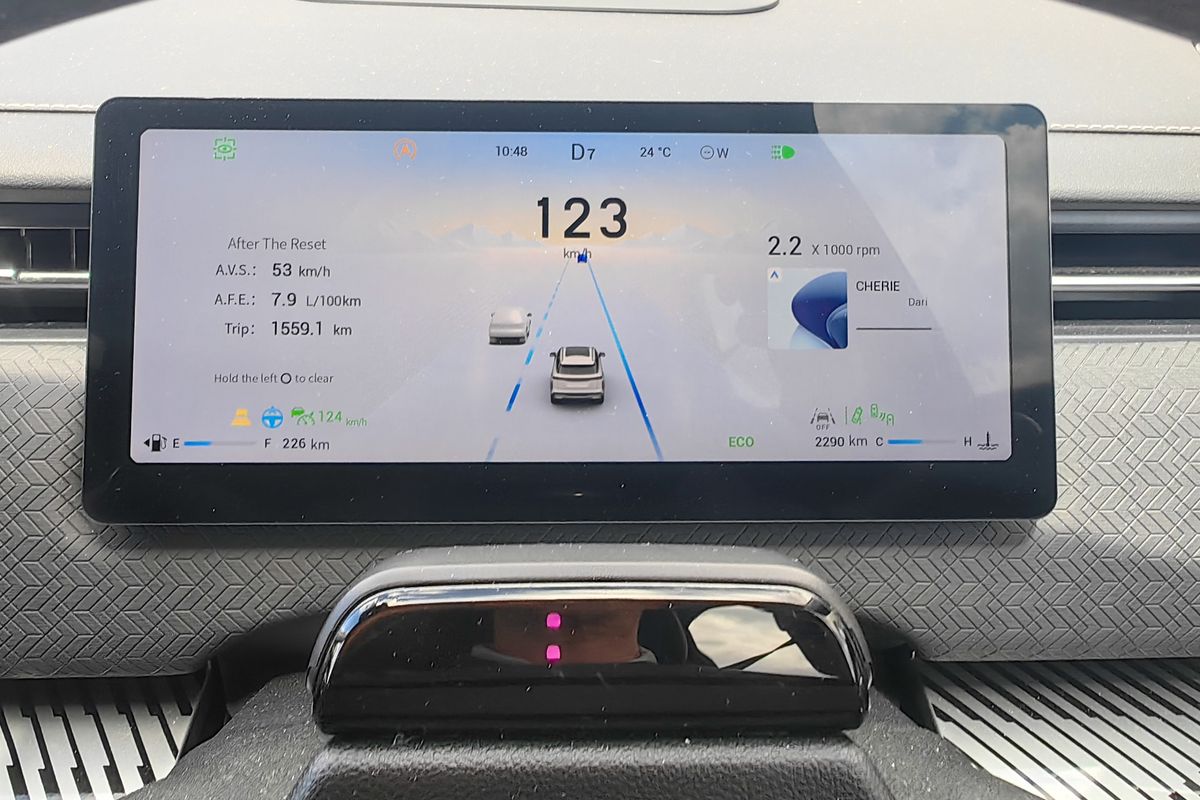
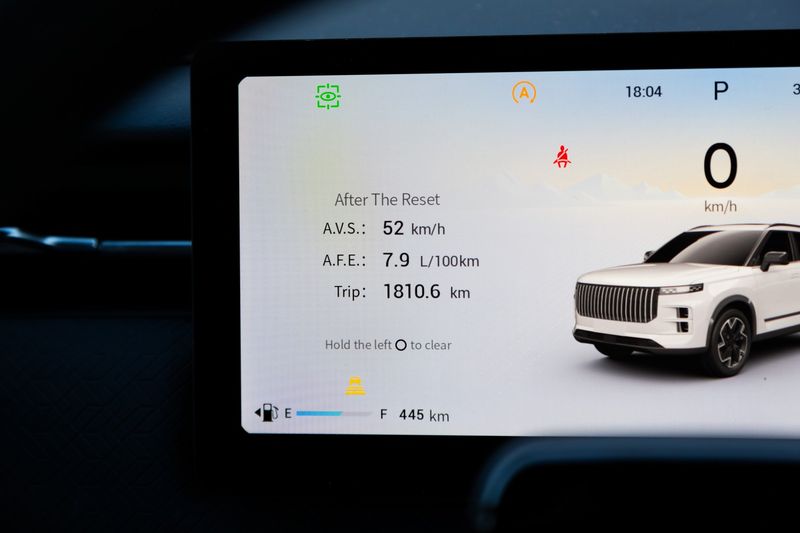
Even when we utilised the most conservative drive mode (Eco) frequently and adopted a measured driving style while travelling long distances with the 1.6T Glacier, we couldn’t get the test unit to consume less than 7.9 L/100 km (Jaecoo claims 7 L/100 km and we travelled about 2 500 km). In our opinion, when compared with similarly-sized rivals, the J7 is on acceptable. We expect that if you drive with a care-free attitude in Normal or Sport mode, the average consumption will nudge – or eclipse – 9 L/100 km.
The Jaecoo J7 range will gain a plug-in hybrid version in 2025, which should address any fuel economy concerns. It’s likely to be the priciest derivative (due to its more sophisticated powertrain), but tests in China have claimed an average consumption of 3.3 L/100 km, as well as a pure electric range of 125 km.
Price & after-sales support
| Jaecoo J7 1.6T Vortex | R549 900 |
| Jaecoo J7 1.6T Glacier | R599 900 |
| Jaecoo J7 1.6T Inferno AWD | R679 900 |
Prices include a 5-year/70 000 km service plan and a 5-year/150 000 km mechanical warranty, as well as an “additional engine warranty valid for 10 years/1 000 000 km,” Omoda & Jaecoo South Africa says.
Summary
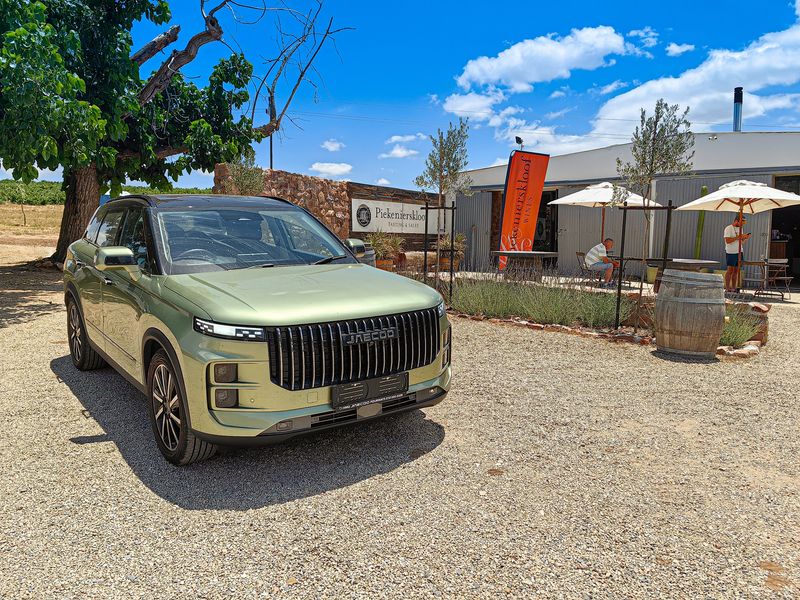
Jaecoo (and parent company Chery) is well aware that it has no legacy (and therefore, little brand cachet) in South Africa and is in the early stages of building a reputation in the local automotive market.
Buying a new car isn’t a cheap exercise – there are precious few bargains out there – and convincing potential customers to look past legacy brands to choose something brand new – and unproven – is a tough ask. Yet, when you look around on our roads, the uptake of new Chinese brands’ cars is high!
First impressions count for a lot. The keen pricing, extensive after-sales support, abundance of standard equipment, impressive infotainment screen and punchy driving performance outweigh the drawbacks.
Happily, these issues can, and should, be resolved with running updates and given the Chery Group’s rapid pace of manufacturing, short lifecycles and vast parts bin, we won’t have to wait long. The devil is in the details: better English grammar and syntax in the menus will also bolster the brand’s credibility.
Overall, despite its quirks, we enjoyed getting to know Jaecoo’s J7 and can understand why it is selling as strongly as it is (soon there will be more Jaecoos to choose from, which will also benefit the model). It offers ample space for families, plenty of performance and more gadgets than you’re ever likely to need.