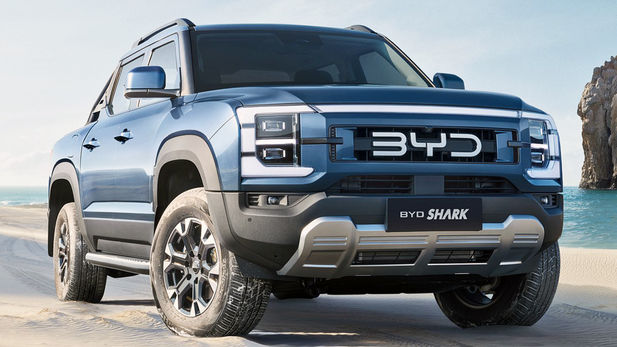


The new BYD Shark is scheduled to launch in South Africa in 2025 and could potentially beat Ford’s electrified Ranger to market as Mzansi’s first PHEV bakkie…
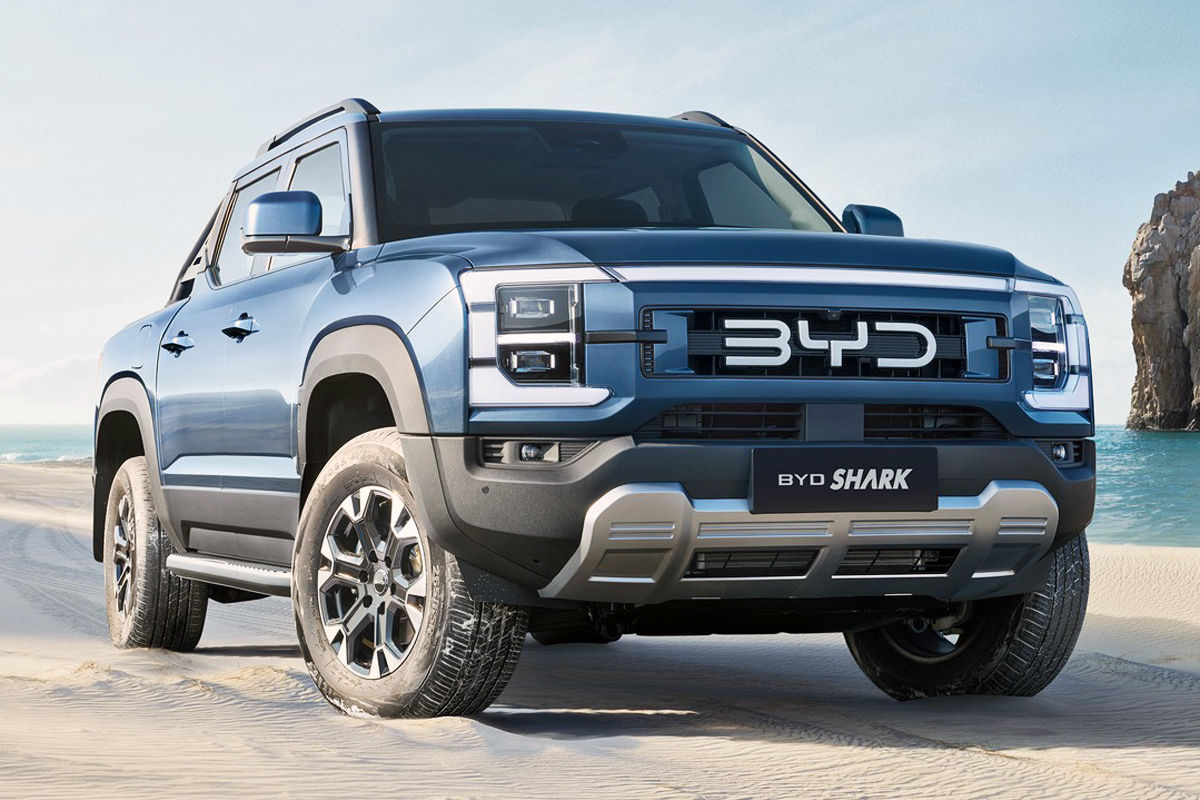
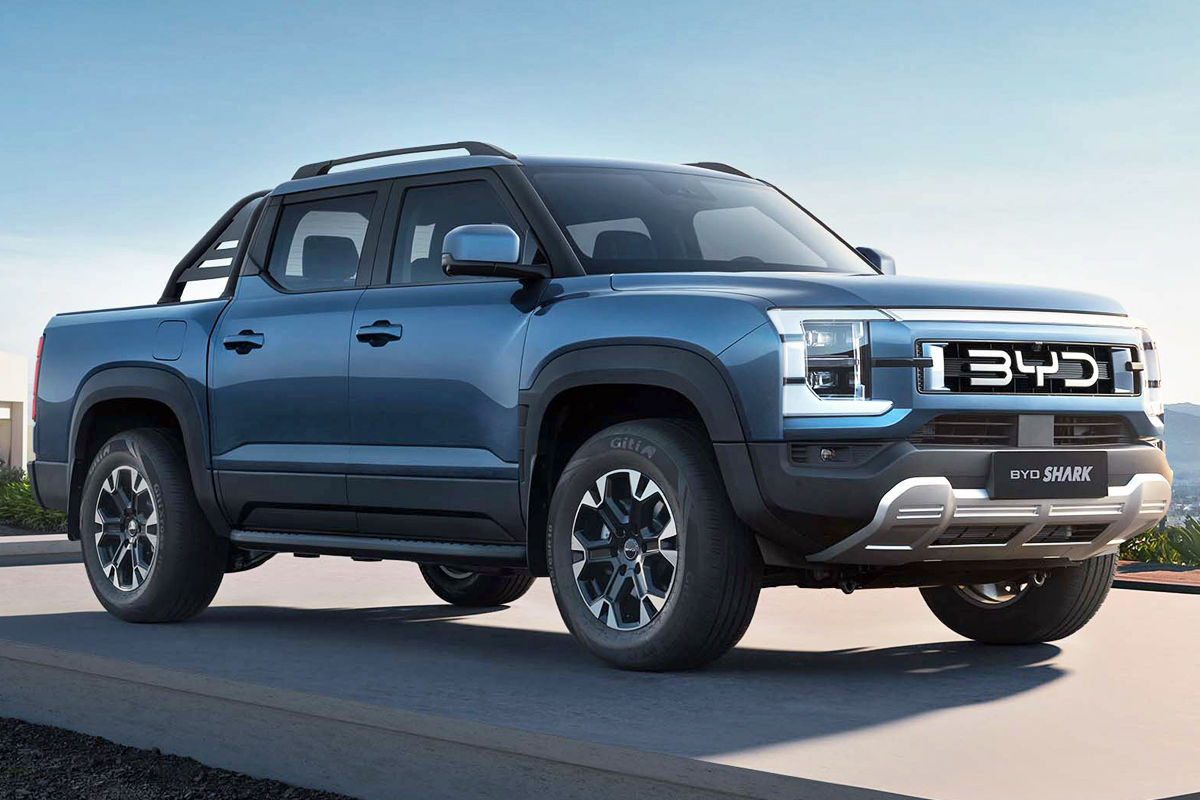
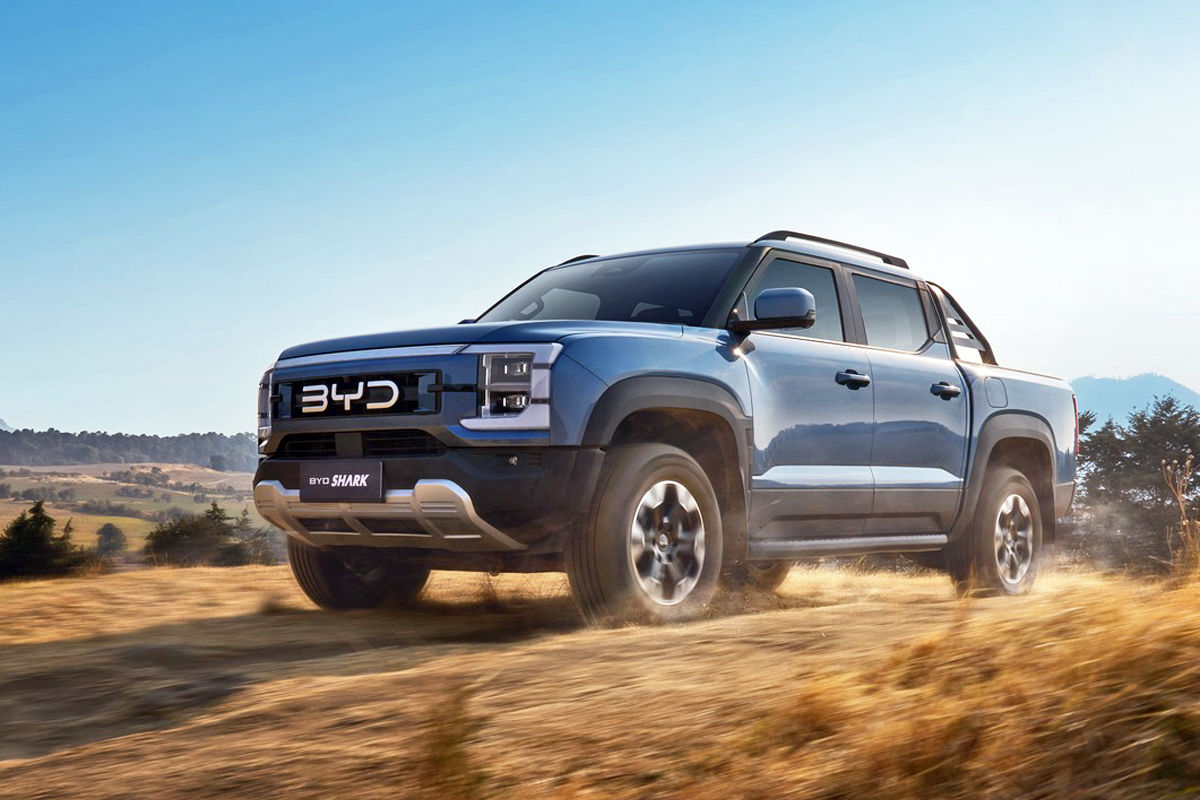
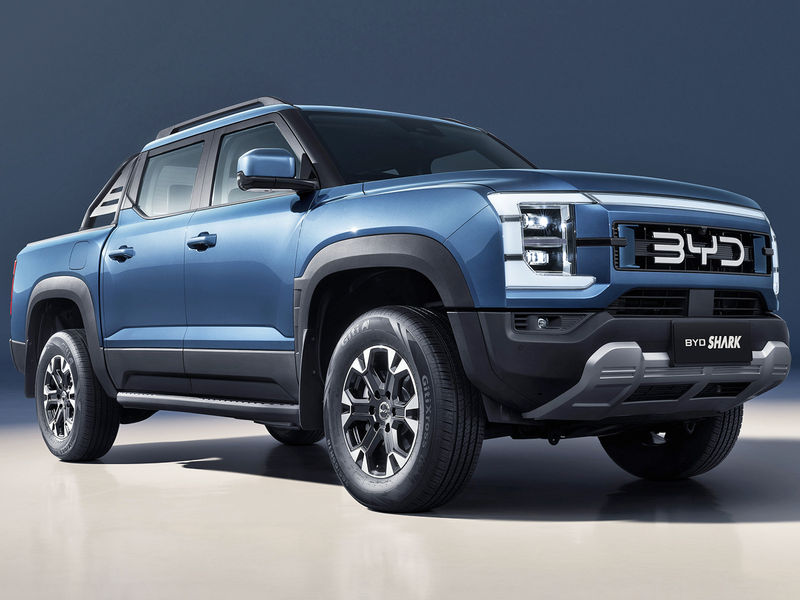
Yes, it’s official: Cars.co.za can confirm that the new BYD Shark double-cab bakkie is scheduled to launch in South Africa at some point in 2025, arriving with a plug-in hybrid electric vehicle (PHEV) powertrain boasting as high an output as 320 kW.
That would, of course, make the BYD Shark the most powerful bakkie on the local market, a title currently held by the 292 kW Ford Ranger Raptor. In addition, this fresh-faced Chinese contender could potentially beat the Blue Oval brand’s upcoming electrified Ranger to market as Mzansi’s first PHEV bakkie.
As a reminder, the 205 kW Ranger PHEV will be built at Ford’s Silverton assembly plant in South Africa, with a launch in initial European markets expected to take place in the opening half of 2025. As yet, Ford SA has technically not confirmed the plug-in Ranger for the local market, though it’s surely only a matter of time.
Meanwhile, BYD South Africa told Cars.co.za that the Shark “will be offered in the local market in the upcoming year”, without specifying exactly when. For the record, the Chinese automaker’s local range currently comprises only fully electric vehicles (the Dolphin, Atto 3 and Seal), which means the Shark could arrive as its first PHEV.
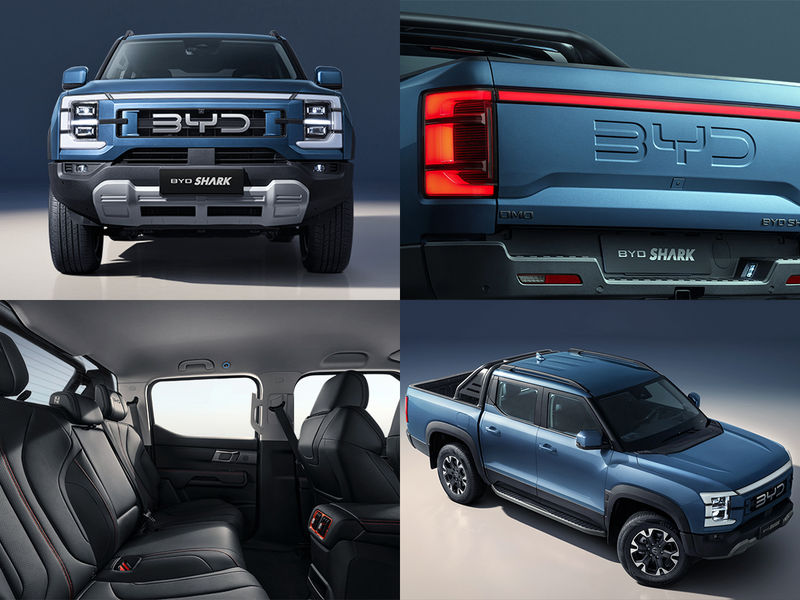
As we reported earlier, the Chinese new-energy automaker applied to register the “BYD Shark” trademark in South Africa at the end of January 2024. Since this model is set to launch in Australia (where it will be badged as the “Shark 6”) towards the end of October 2024, right-hand-drive production has obviously already commenced.
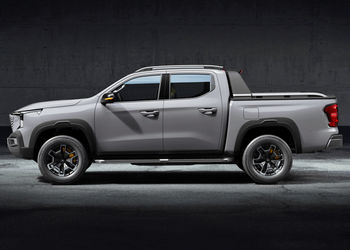
Revealed in May 2024, the BYD Shark employs a ladder-frame chassis and is the brand’s first attempt at a bakkie. It features independent suspension at each corner (rather than traditional leaf springs at the rear), while the battery pack is integrated into the platform.
The powertrain comprises a turbocharged 1.5-litre, 4-cylinder petrol engine combined with a plug-in hybrid system featuring a 29.6 kWh battery pack and electric motors. Peak system outputs stand at 320 kW (170 kW and 310 Nm up front, and 150 kW and 340 Nm at the rear), while 3 terrain modes are on offer, along with a so-called “virtual” differential lock.
As a result, BYD claims the new Shark can complete the obligatory 0-100 kph sprint in 5.7 seconds, before topping out at 160 kph. According to the Chinese firm, the lithium-iron phosphate battery pack offers an all-electric NEDC range of up to 100 km, which pushes the combined range to a claimed 840 km. BYD says the battery’s state of charge will move from 30 to 80% in approximately 20 minutes when using a 55 kW DC fast charger.
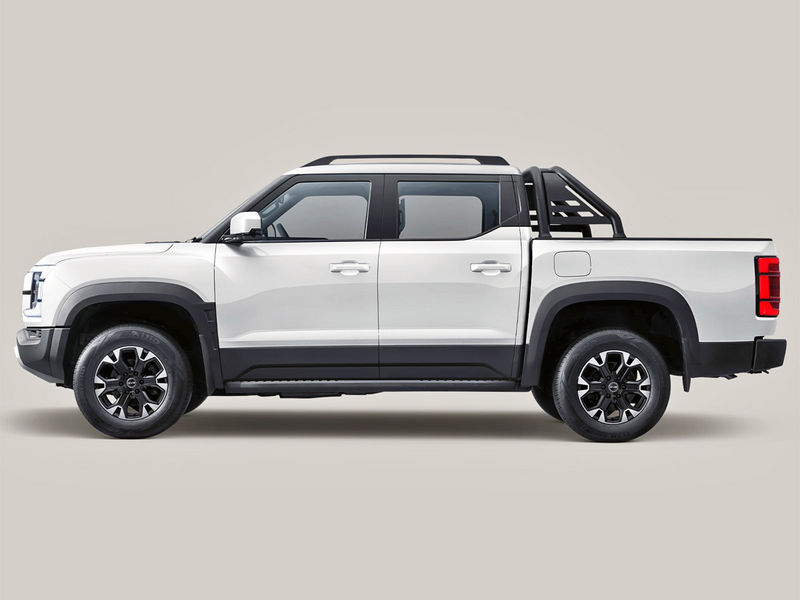
According to the international press material, the 5-seater plug-in bakkie has a payload of 835 kg (with the load bed measuring 1 520 mm by 1 500 mm by 517 mm), a towing capacity of 2 500 kg and a ground clearance (with maximum load) of 210 mm. The listed approach, departure and breakover angles are 31, 19.3 and 30 degrees, respectively.
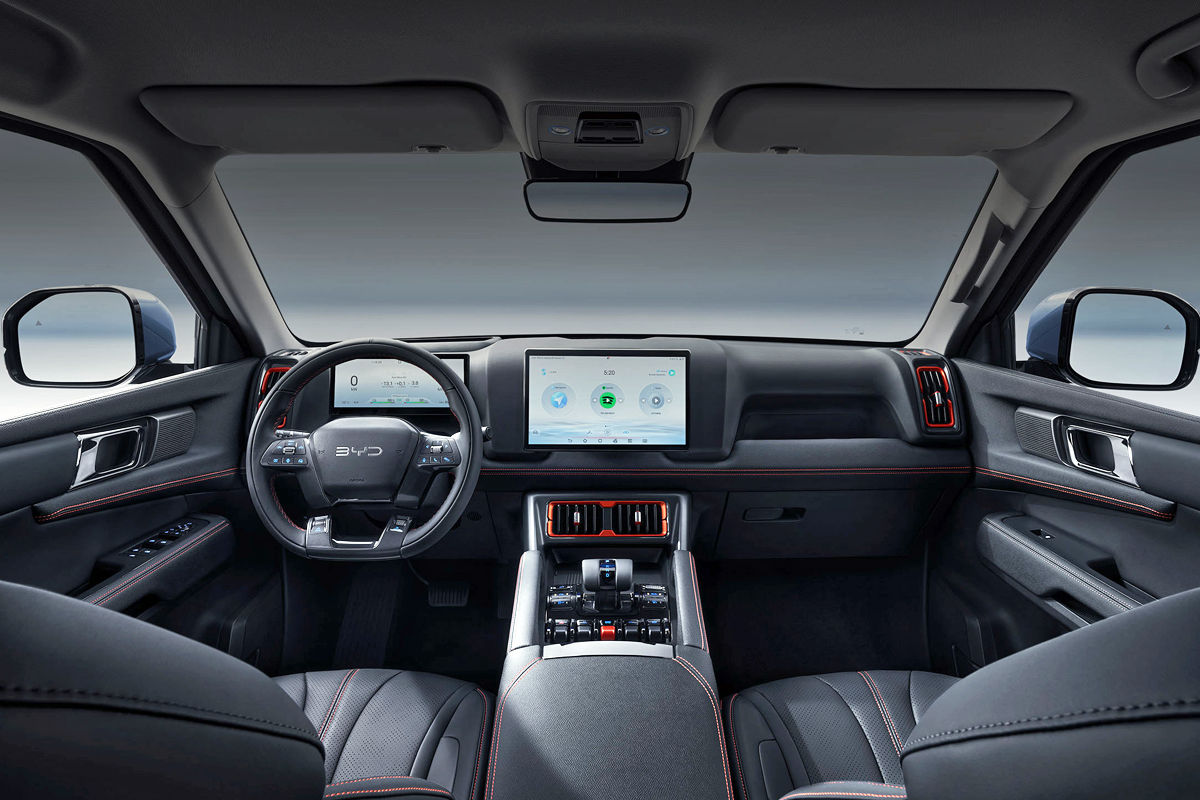
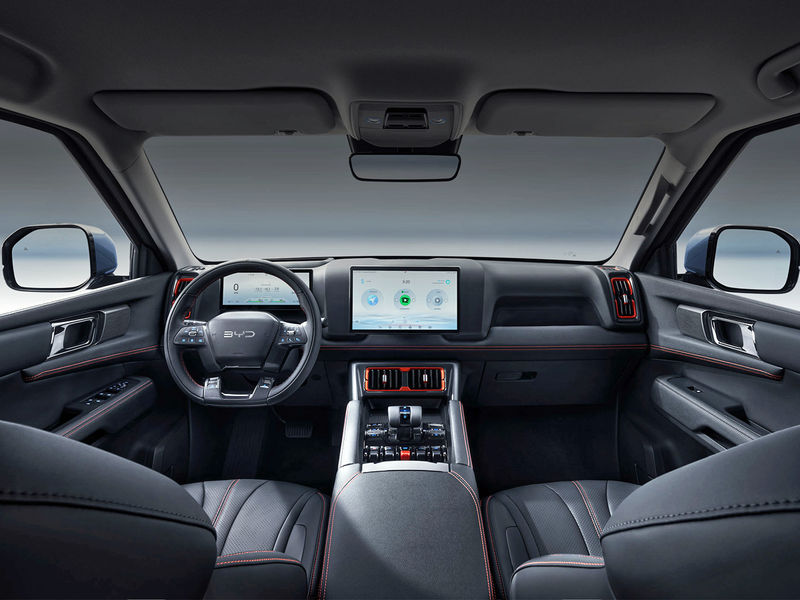
Measuring 5 457 mm from nose to tail, the BYD Shark – which stands 1 971 mm wide and 1 925 mm tall – is a considerable 107 mm longer than a Ranger double cab, while featuring a 10 mm shorter wheelbase (at 3 260 mm) than that of the Blue Oval bakkie. Inside, you’ll find a 12.8-inch multimedia rotating screen and a 10.25-inch LCD instrument panel, along with a 12-inch head-up display and wireless smartphone charging.
Related content
P-Series rises! SA’s 10 best-selling bakkies in Sept 2024
Ryan Bubear

Having written about everything from sport and politics to crime, Ryan eventually settled on motoring. For well over 15 years, he's been penning articles – both online and in print – about the broader automotive industry, though he's particularly fascinated by vehicle-sales statistics. A freelance writer and editor, Ryan has owned a 1971 Austin Mini Mk3 for 20-plus years.