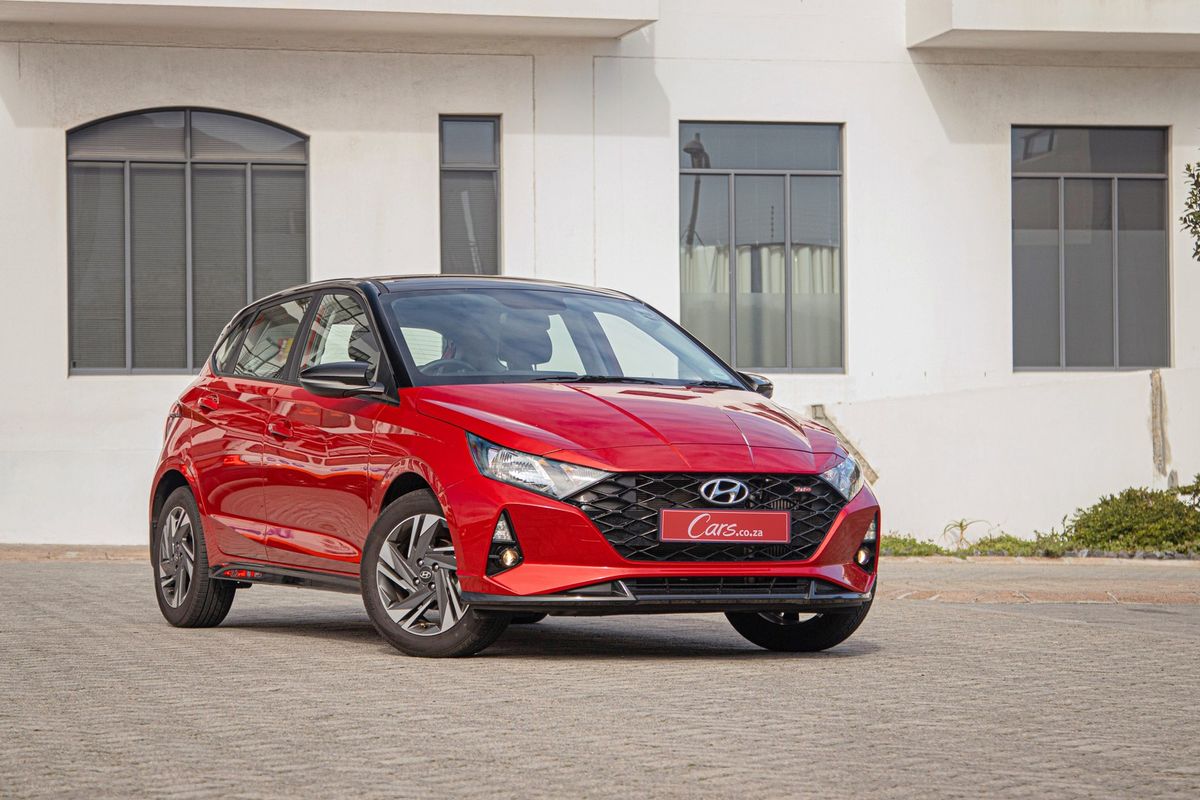
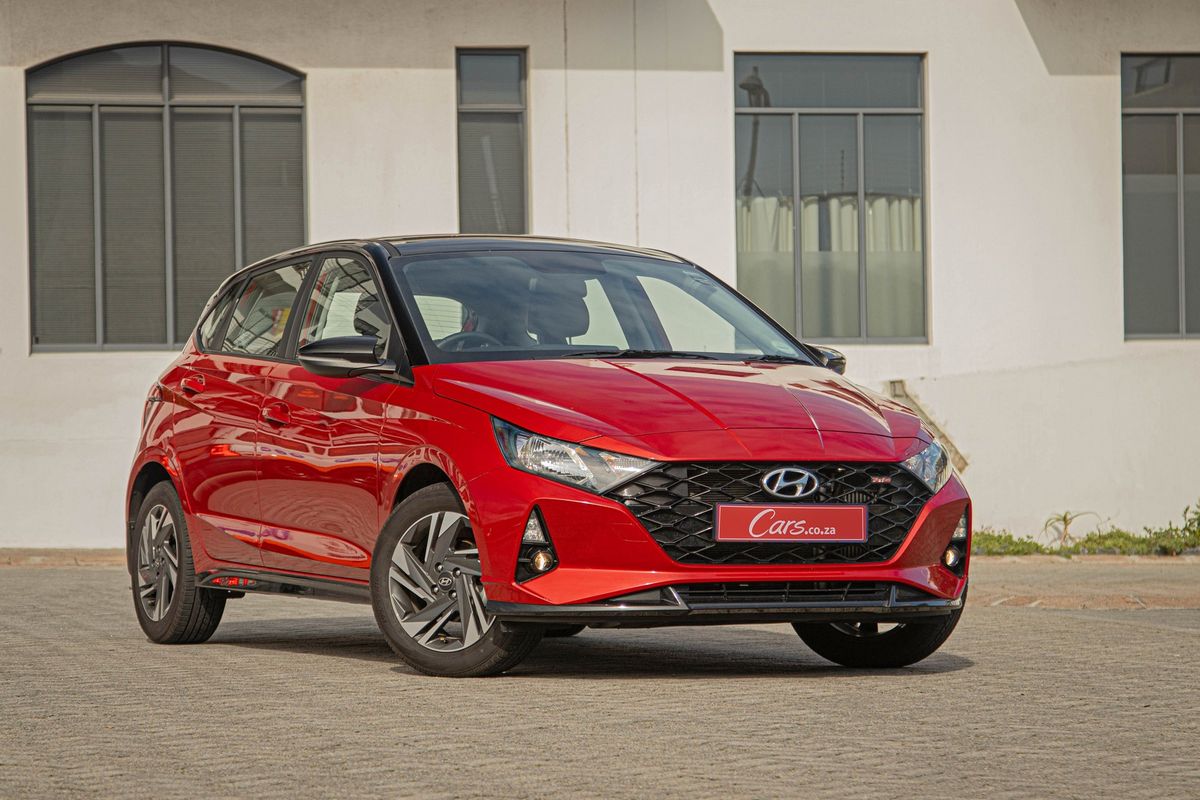
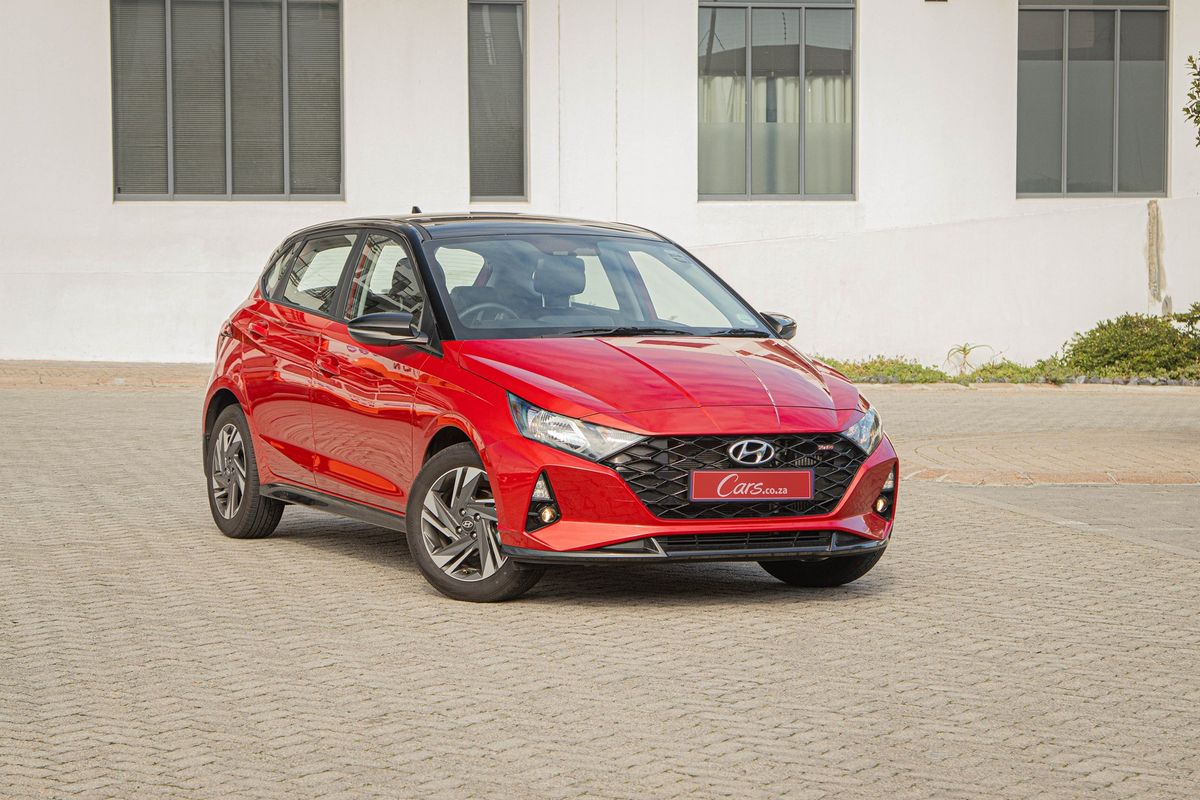


The 3rd-generation Hyundai i20 was recently launched in South Africa, replete with a modern turbopetrol engine and a generous specification list. However, apart from stiff competition in the compact hatchback segment, the newcomer is also under threat from a horde of new small, budget-oriented crossovers…
We like: Punchy performance, good fuel efficiency and standard spec, engaging to drive, comprehensive backup
We don’t like: Some obvious evidence of cost-cutting in the cabin finishes, driver’s seat position
Fast Facts:
- Model Tested: Hyundai i20 1.0T Fluid
- List Price: R330 900
- Engine: 1.0-litre 3-cylinder turbopetrol
- Power/Torque: 90 kW/172 Nm
- Transmission: 6-speed manual gearbox
- Fuel efficiency: 6.5 L/100 km (claimed)
- Performance: 0-100 kph in 9.7 sec (claimed)
- Load capacity: 311 Litres
What is it?
The i20 is Hyundai’s perenially popular compact hatchback offering… Since 2009, when the first-gen model was released in our market, more than 106 000 units have found homes in the Republic. When the 2nd-gen model reached the end of its lifecycle, however, Hyundai gave the i20 a substantial overhaul and introduced a plethora of modern conveniences, as well as a punchy turbopetrol engine.
The new, 3rd-gen Hyundai i20 is therefore available with a choice of naturally-aspirated or turbocharged petrol engines mated with either a manual gearbox or an automatic transmission. There are two levels of trim in the range: Motion and Fluid. Physically, the new Hyundai i20 is longer, wider and offers a bit more ground clearance than its predecessor. Hyundai has also reworked the cabin dimensions to allow for more shoulder room and rear legroom for passengers, plus the load bay has been enlarged.
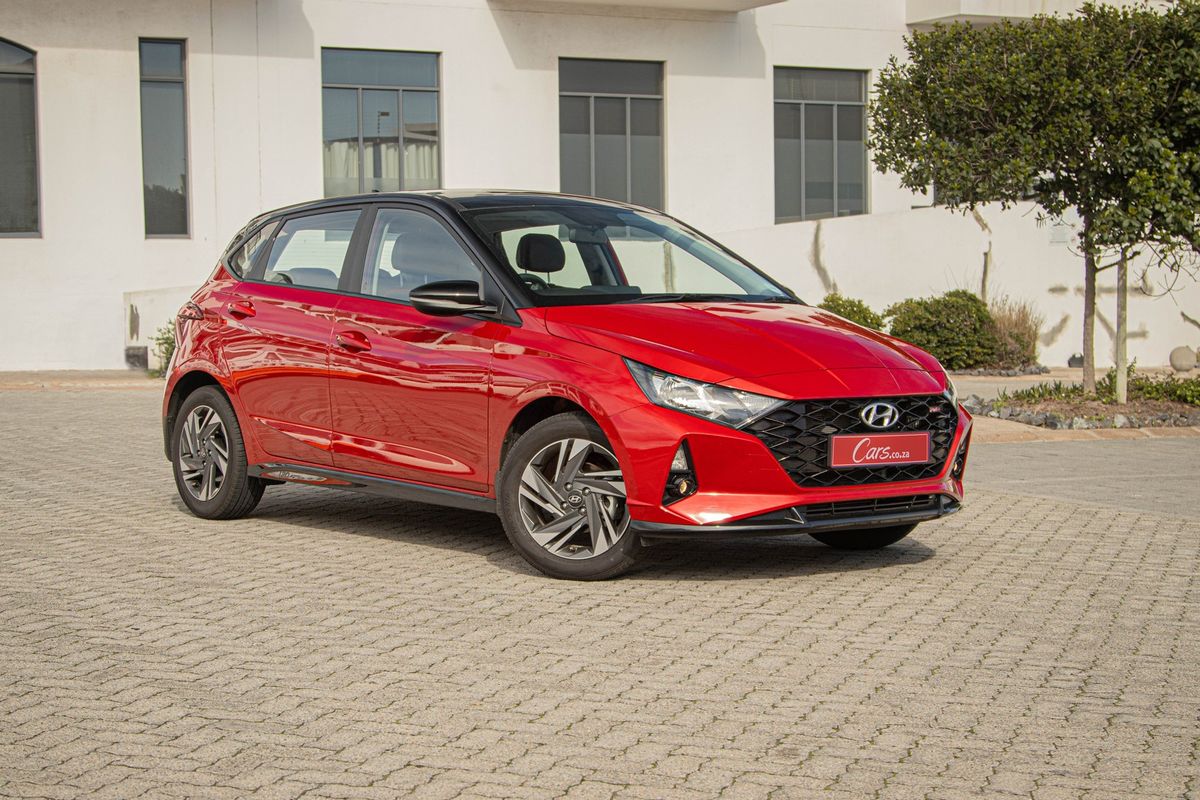
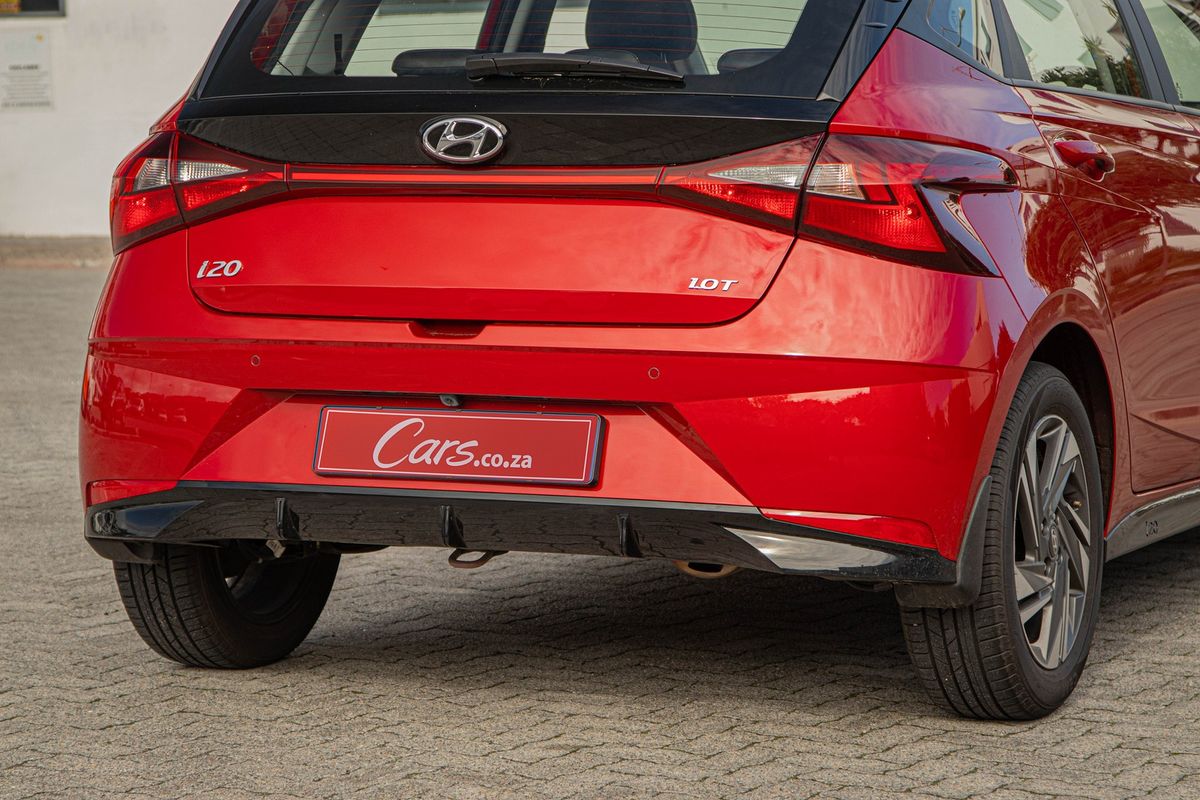
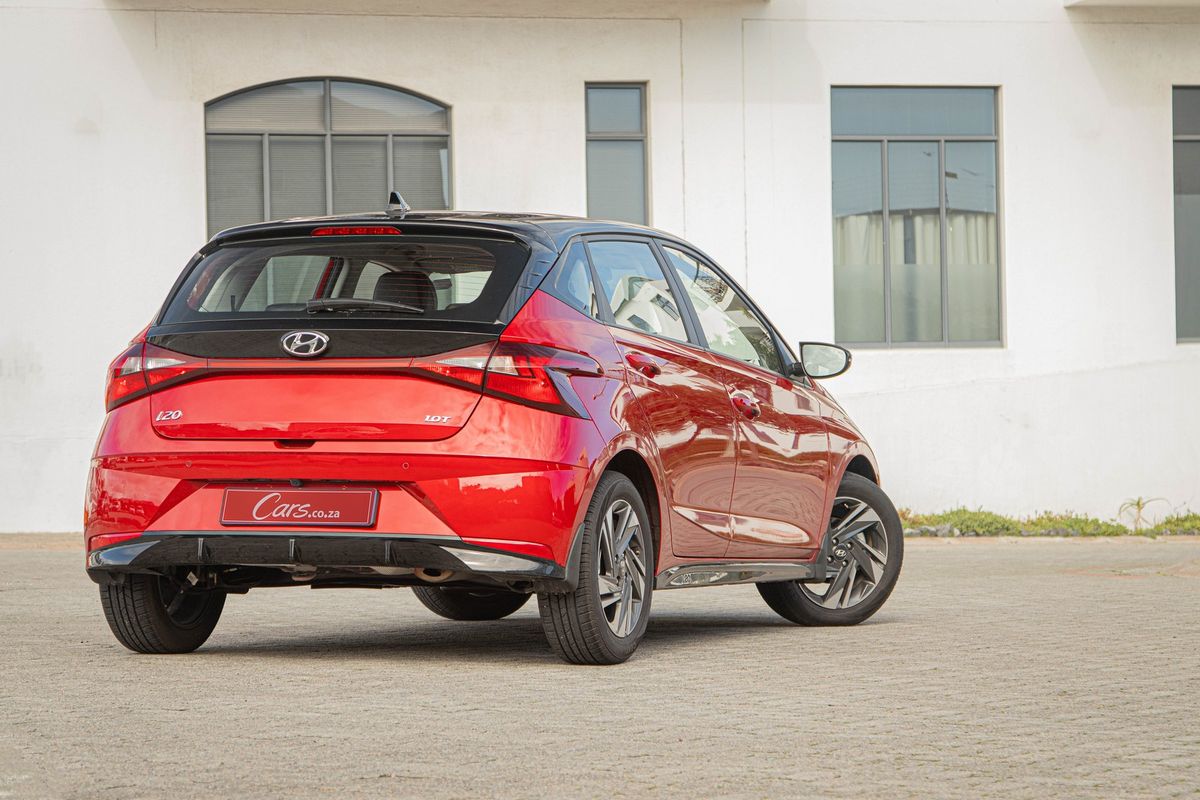
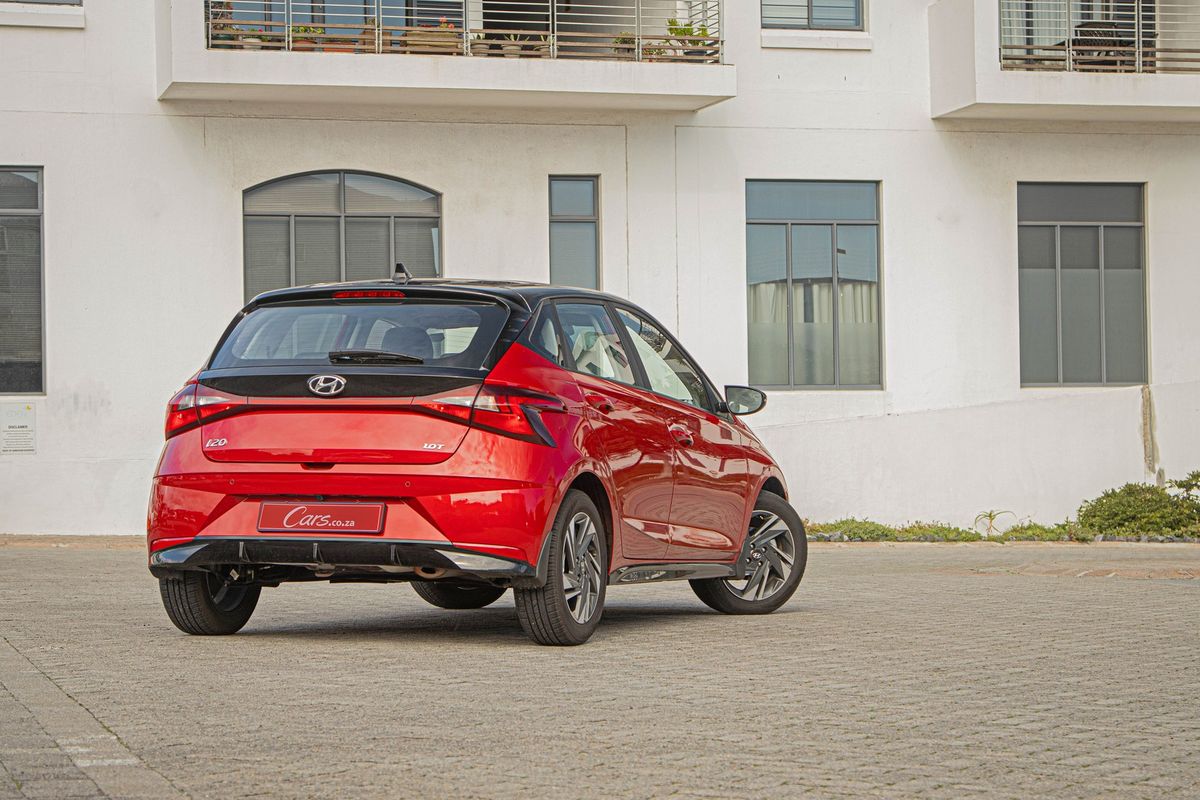
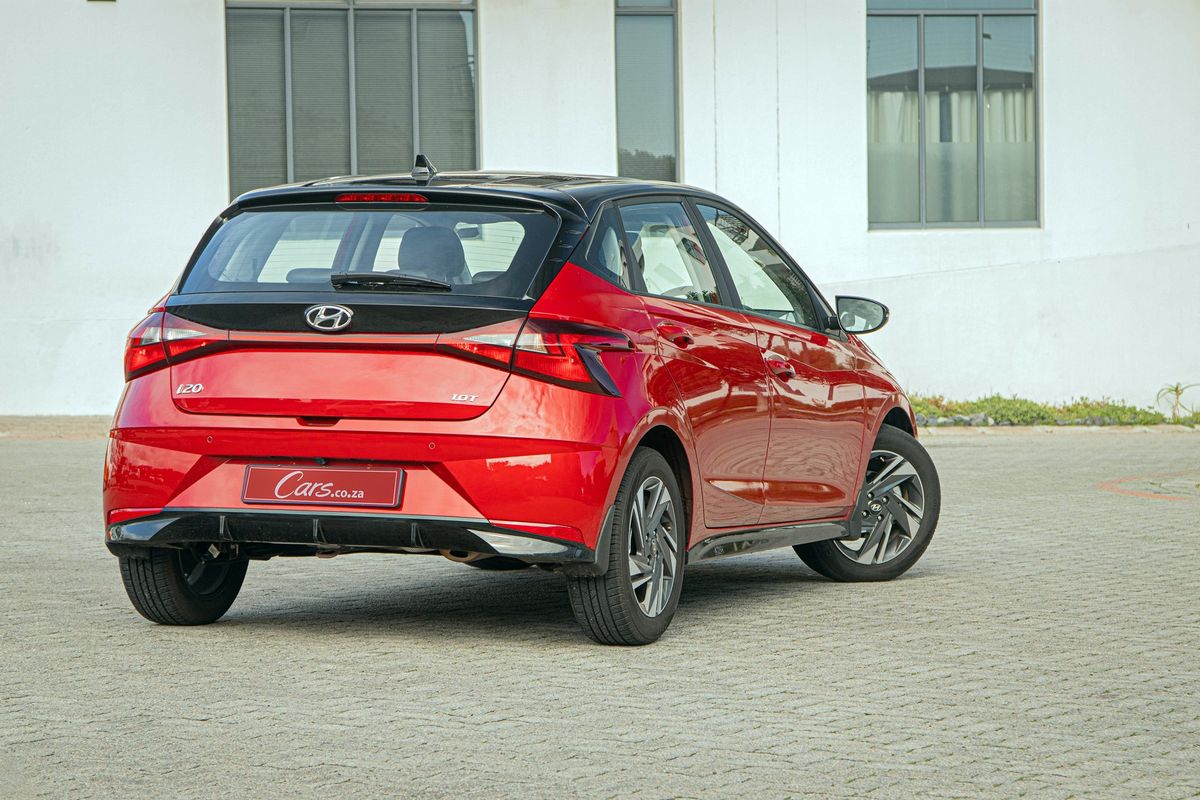
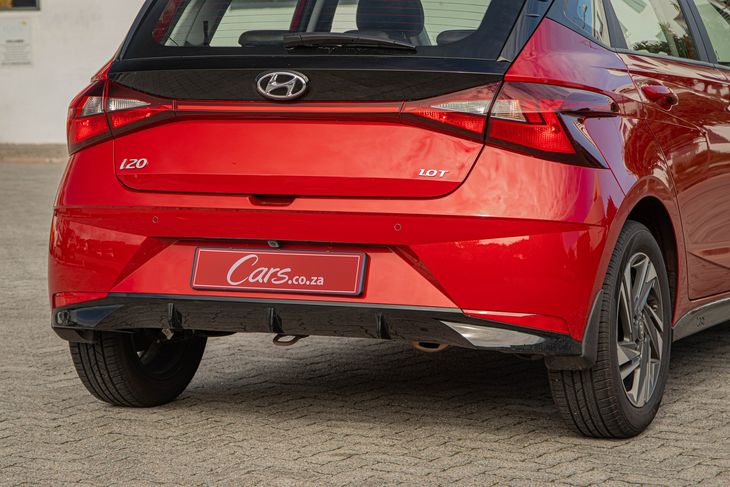
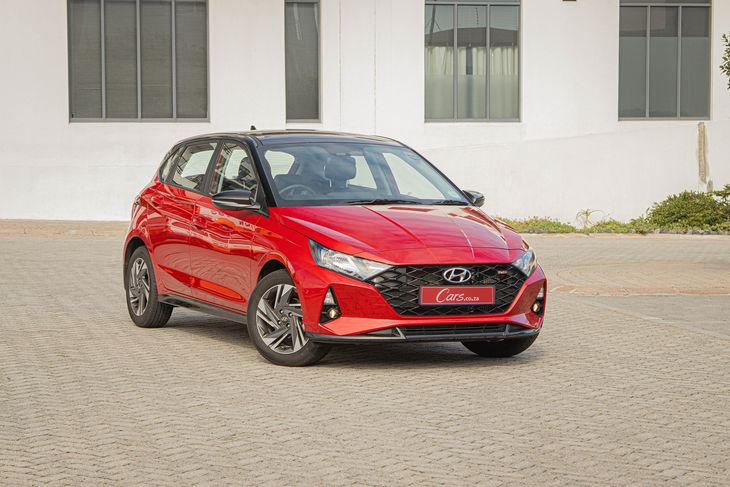
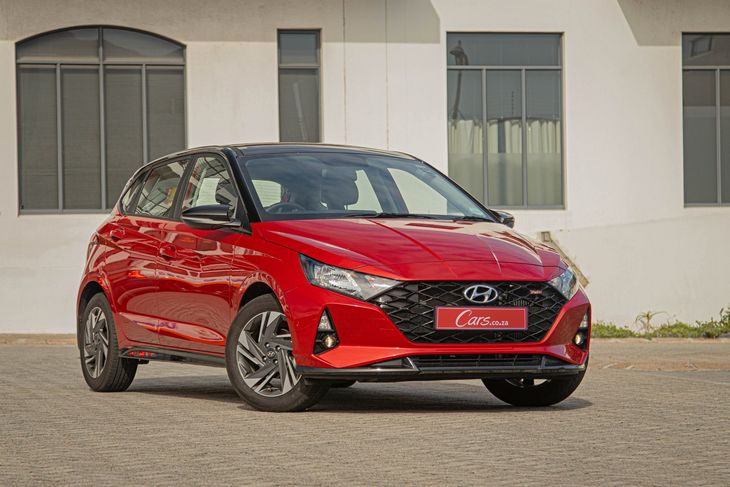
Previous generations of the i20 sported rather generic hatchback exterior designs, but the 3rd iteration is quite distinctive by comparison… Yes, indeed, what you see here is a sleek and modern-looking compact hatchback with a Hyundai badge on its grille and tailgate! The look is bold and assertive and, based on social media reactions, people either love or loathe it. Us? We try to avoid getting drawn into design debates (taste is, of course, subjective), but we can only commend Hyundai for going with something radical. It could have played it safe design-wise, yet this product makes a statement.
Hyundai i20 (2021) Specs & Price
Which models are its rivals?
The compact hatchback segment has certainly been impacted by the rising popularity of crossovers, but not terminally – this portion of the market still commands serious sales volume. Despite Volkswagen’s foray into the SUV domain with products whose names start with a T, it’s the humble Volkswagen Polo that brings in huge numbers and is the most obvious rival to the Hyundai i20.
The Ford Fiesta, Honda Fit, Mazda2, Kia Rio, Nissan Micra, Toyota Starlet and upcoming Renault Clio are notable rivals, as well as the French/German Opel Corsa, Citroen C3 and Peugeot 208 triplets.
As far as the burgeoning budget crossover segment is concerned, the Kia Sonet, Nissan Magnite, Suzuki Vitara Brezza and Toyota Urban Cruiser are some of the competitors to Hyundai’s newcomer.
What is it like to drive?
Previous iterations of the Hyundai i20 were powered by workmanlike naturally aspirated (non-turbocharged) petrol engines, which were reasonably fuel-efficient, but lacked punch and refinement (there was admittedly a turbodiesel derivative in the 1st-generation model’s line-up… for a while). The locally-developed 2nd-gen 1.4 Sport attempted to woo performance enthusiasts to the brand, but nice wheels, stickers, and a booming exhaust did not a warm hatchback make. In comparison to rivals’ modern and engaging turbocharged engines, Hyundai i20 powerplants have tended to be bland.
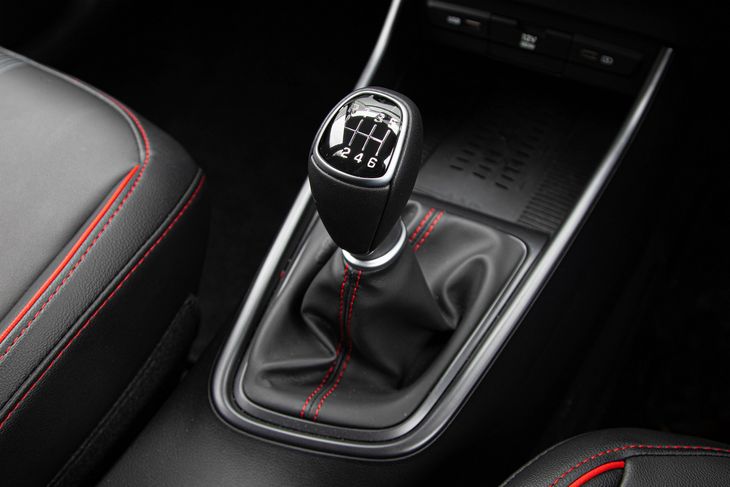
This 3rd-generation Hyundai i20’s headlining powertrain addresses previous versions’ shortcomings, not only in terms of outputs – drivability too. The new 1.0-litre 3-cylinder turbopetrol engine produces 90 kW and 172 Nm and is offered in combination with either a manual ‘box or a dual-clutch (automatic) transmission. Our test unit was a manual example and we found the clutch pedal and shift action light and straightforward to use. There were times we found ourselves forgetting the vehicle came with a 6th gear, such was the motor’s refinement (and the cabin’s insulation from mechanical and road noise).
In comparison with its 1.4-litre naturally aspirated predecessor, the 1.0T Fluid’s engine is notably punchier and more responsive. After exhibiting a hint of lag at pullaway, the i20 darts around effortlessly (its low kerb weight of 990 kg certainly helps). The motor emits a pleasant rumble under hard acceleration and because peak torque is available from 1 500 to 4 000 rpm, you don’t even need to rev it hard to get the most out of it. The Fiesta and Polo’s 1.0-litre turbocharged engines are down on power, but offer matching torque outputs. They can’t match the i20 when it comes to engine eagerness, however.
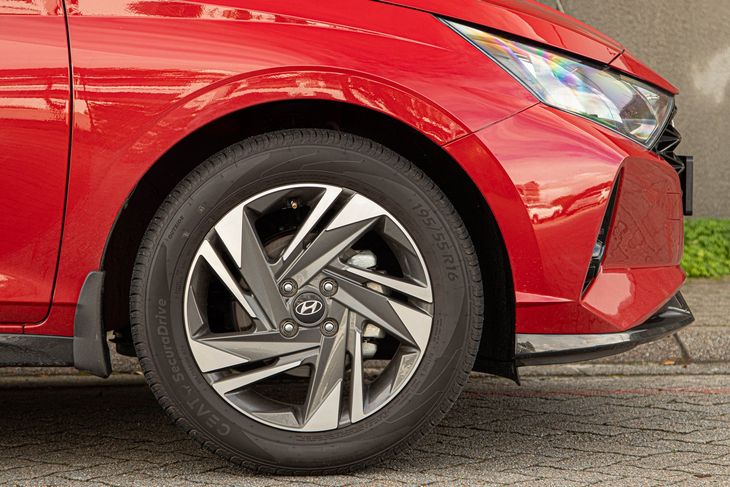
Meanwhile, the 1.0T Fluid rides on smart-looking 16-inch alloys wrapped in 195/55 tyres, which suggests the newcomer should have a firmer ride quality than its predecessors. However, the ride quality has, in fact, been stepped up. Granted, the damping is on the stiffer side of pliant, but added agility has not come at the cost of comfort. The i20’s suspension is quite forgiving when traversing bad roads; there’s none of that “thudding through” you’ll experience in some of the sportier models in this segment. The steering setup is good, with a light-but-positive action that is a boon in tight parking situations.
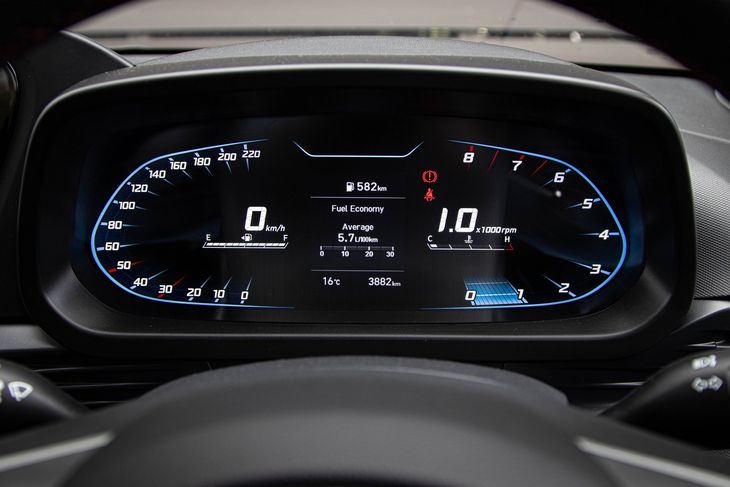
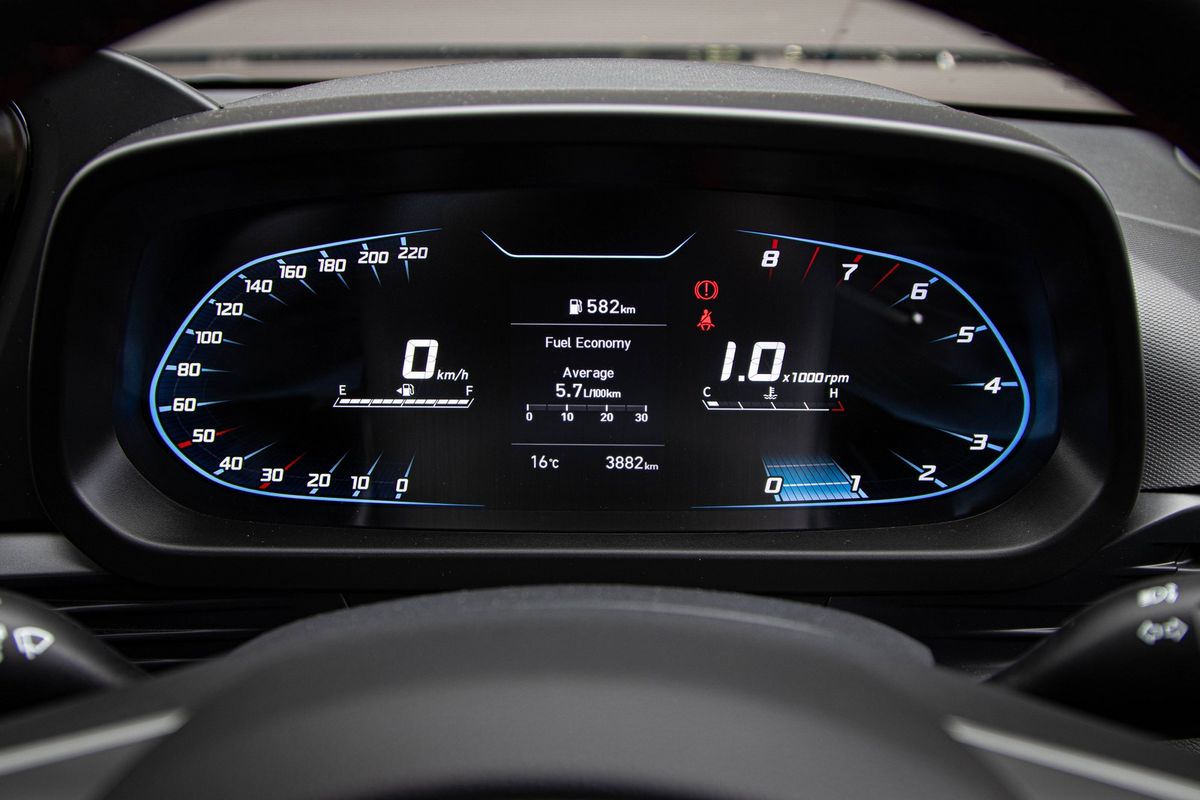
The i20’s smaller-capacity, but turbocharged, powerplant (with its improved potency and responsiveness) has not disadvantaged the Korean model’s fuel economy, at least not in our experience. Given our extensive testing and eagerness to explore exactly how much sportiness Hyundai has instilled in its new offering, we saw an indicated return of 5.7 L/100 km at the end of our test, which was even lower than the manufacturer’s average claim of 6.5 L/100 km.
With such a radically different driving experience when you compare it to the older model, the new Hyundai i20 represents a big leap forward – it’s more than a match for its rivals when it comes to driving manners. Dare we say it, this newcomer approaches the “warm hatchback” territory and we can only begin to imagine what the upcoming i20 N performance variant will be like to drive…
What’s the interior of the updated i20 like?
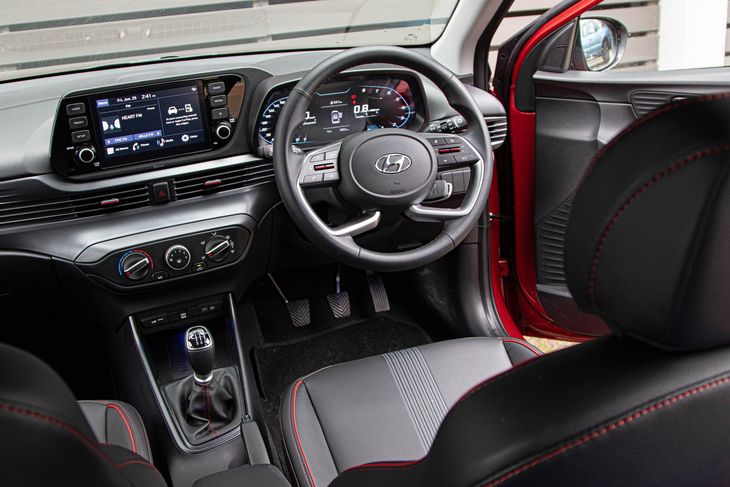
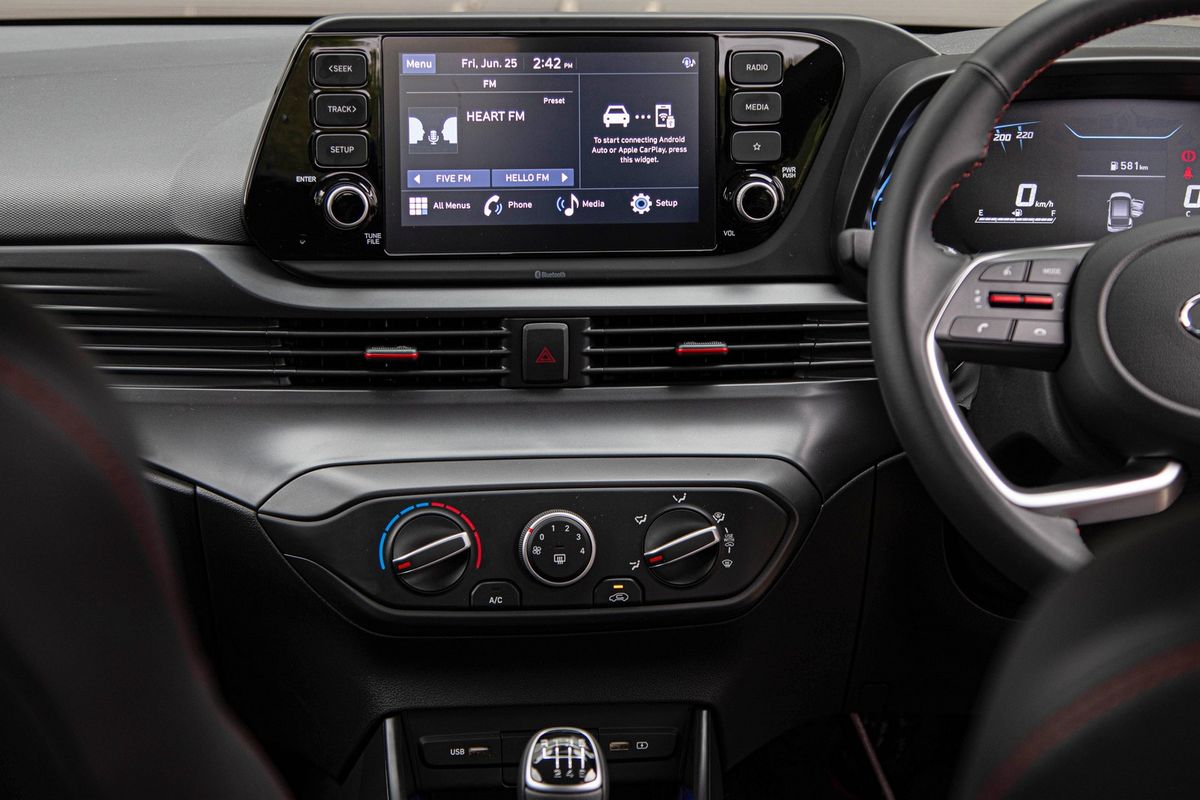
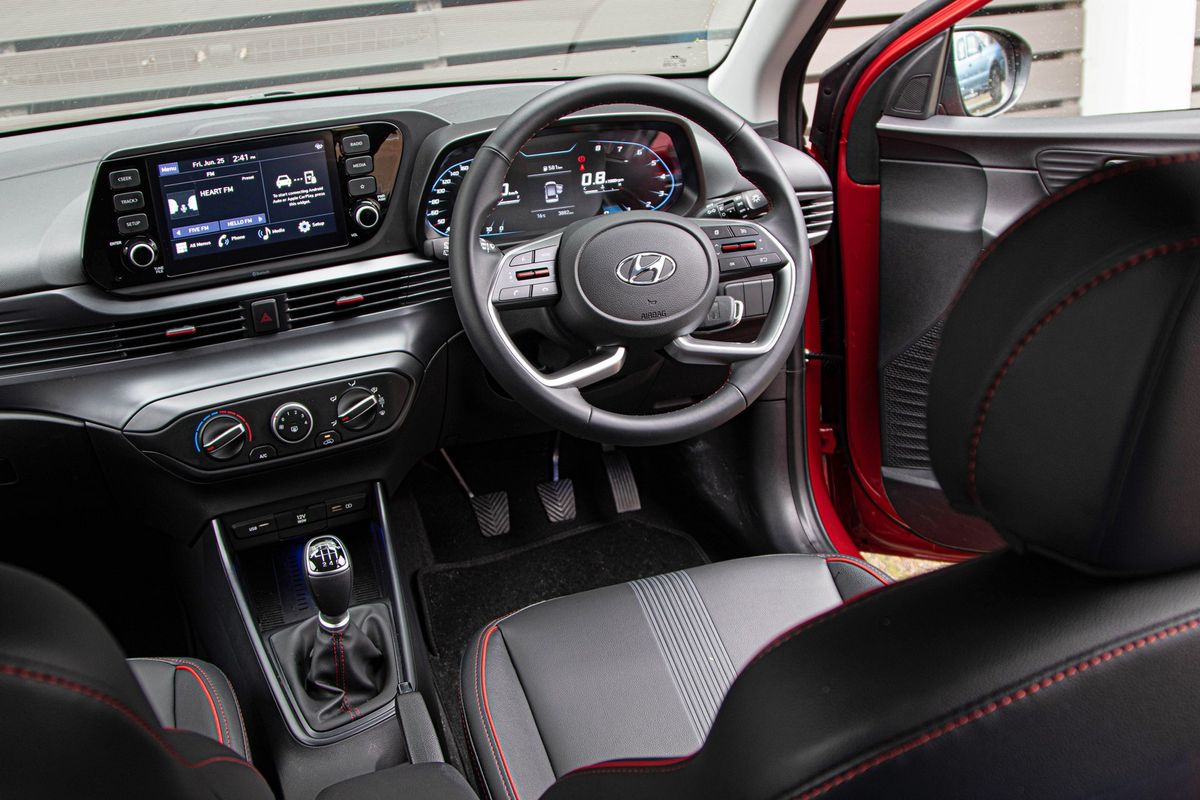
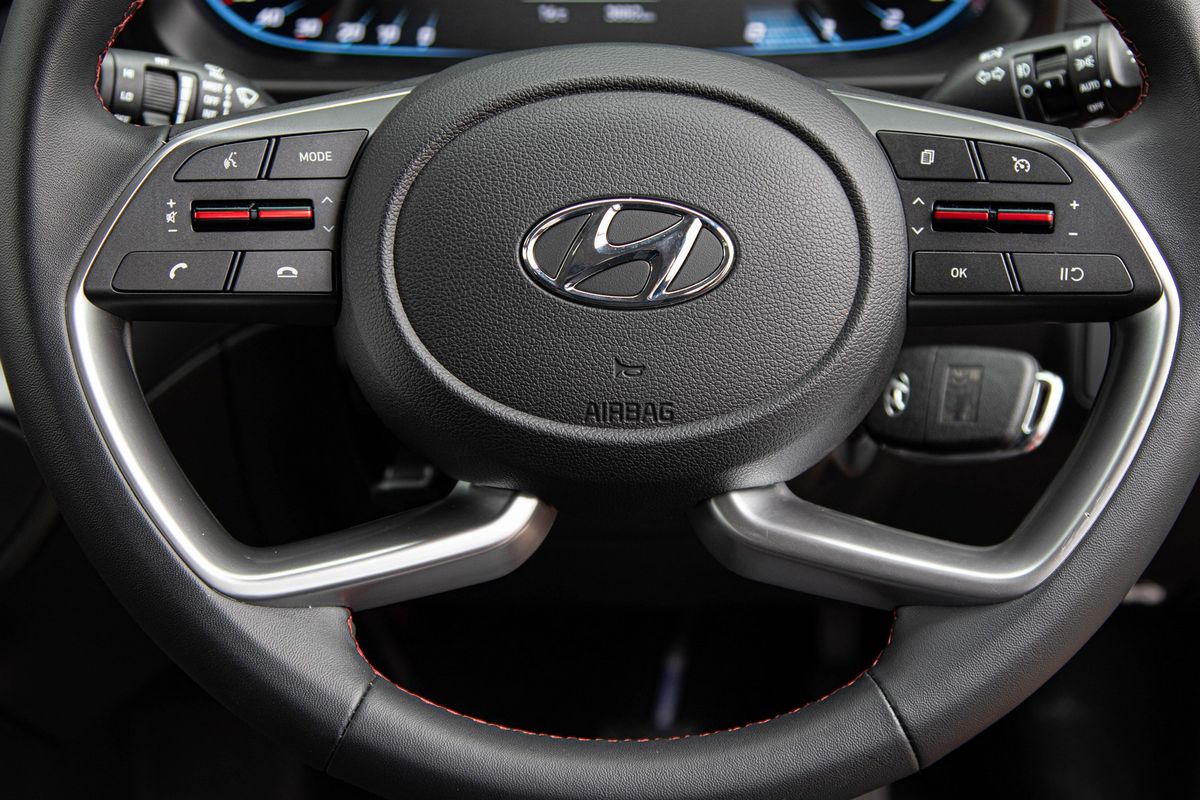
The all-new i20’s cabin is also a significant step up from that of the older model. Previously, it lacked emotional appeal – functionality and ergonomics were more important than aesthetics and upmarket finishes. In the new model, you’re greeted by a sharp-looking dashboard with crisp colours, plus there are some subtle sporty touches like the red stitching on the steering wheel, gear-lever boot and seats.
Speaking of the seats, it did take us longer than usual to get comfortable in them. Perhaps it was this author’s tall frame, but a number of small adjustments to the backrest angle and squab were required to find an acceptable driving position. Other Cars.co.za testers reported similar issues. The rest of the Hyundai i20 interior is neat with an all-black theme with red accents in the turbocharged derivatives.
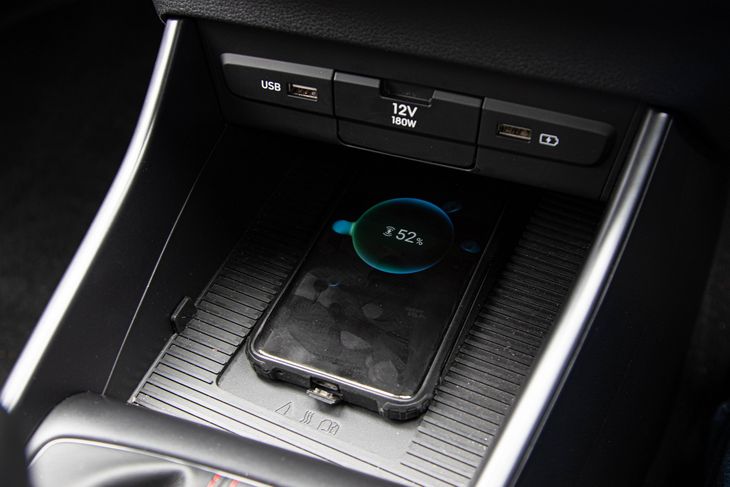
If we were to nitpick, the overall fit-and-finish is as good as one would expect in a modern Hyundai product, but hard plastics abound in the cabin. In fact, some of the surfaces feel a trifle cheaply made. That being said, the interior seems solid and hard-wearing. Given how car pricing has progressed over the past few years, customers’ expectations tend to be high when they’re forking out upwards of R300k for a small hatchback and some of the i20’s interior finishes aren’t quite up to the Polo’s standard. That being said, spec-for-spec, the Hyundai has its German rival licked in terms of standard spec.
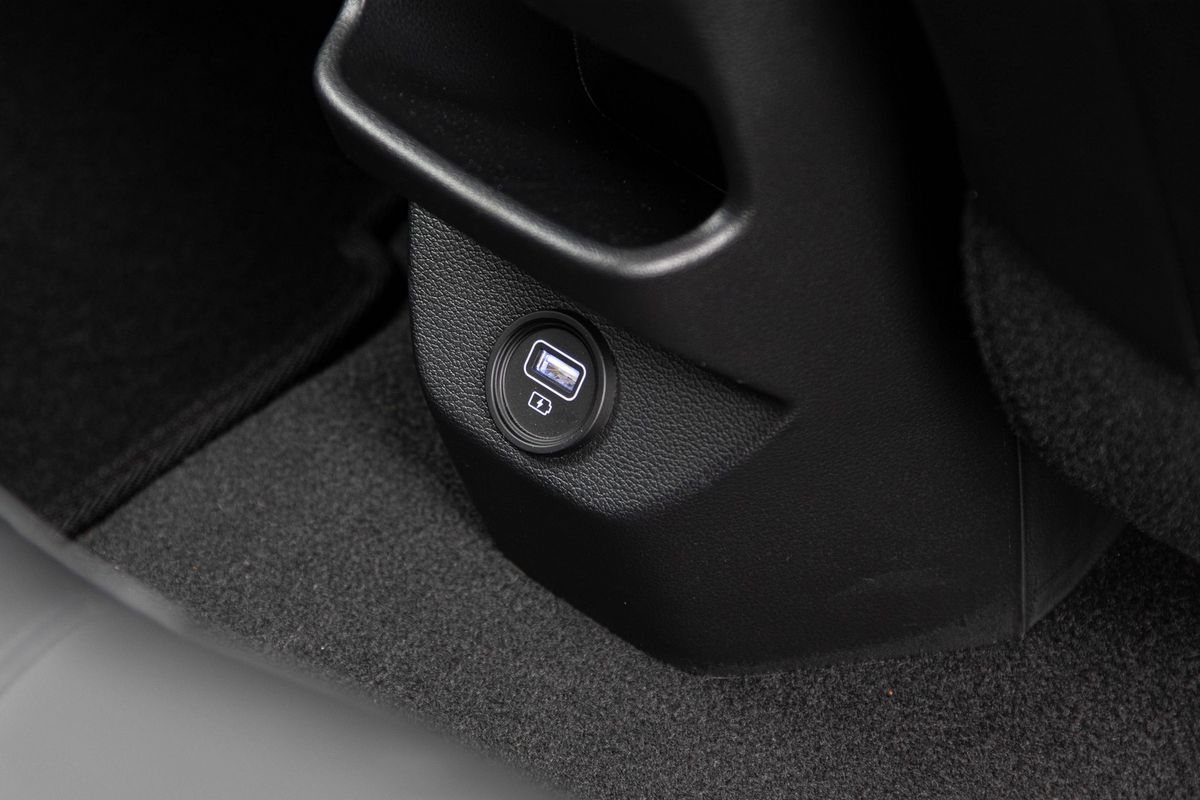
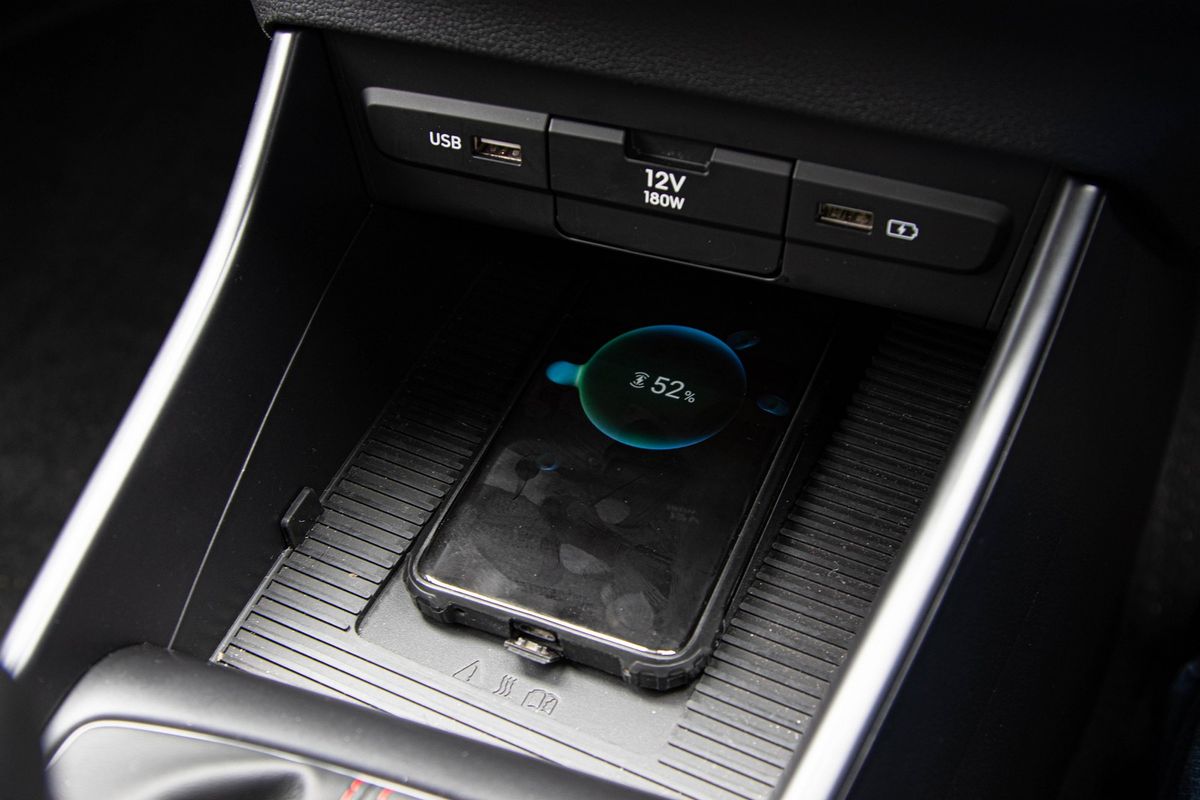
In 1.0T Fluid guise, Hyundai’s compact hatchback incorporates numerous features and gadgets as standard – some of which its rivals either offer as optional extras… or not at all. Here are a few of the highlights: a wireless charging pad, a touchscreen infotainment system that’s Apple CarPlay- and Android Auto compatible, 2x USB ports for the front, 1x USB for the rear passengers, electric windows, electrically adjustable and auto-folding side mirrors, air conditioning (although not automatic), auto lights and -wipers, central locking, cruise control, rear park assist and a reverse-view camera.
When it comes to safety, electronic stability control is unfortunately omitted. The rest of the safety suite, which includes ABS with EBD and 6 airbags (driver, passenger, side, curtain), is sufficient.
Is the new Hyundai i20 practical?
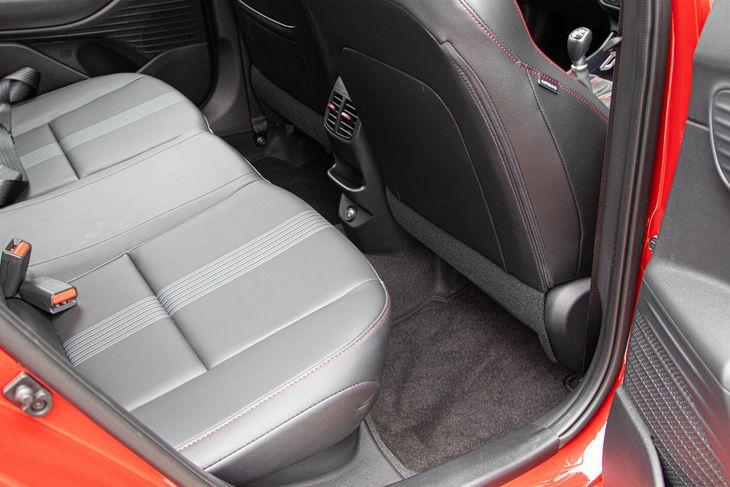
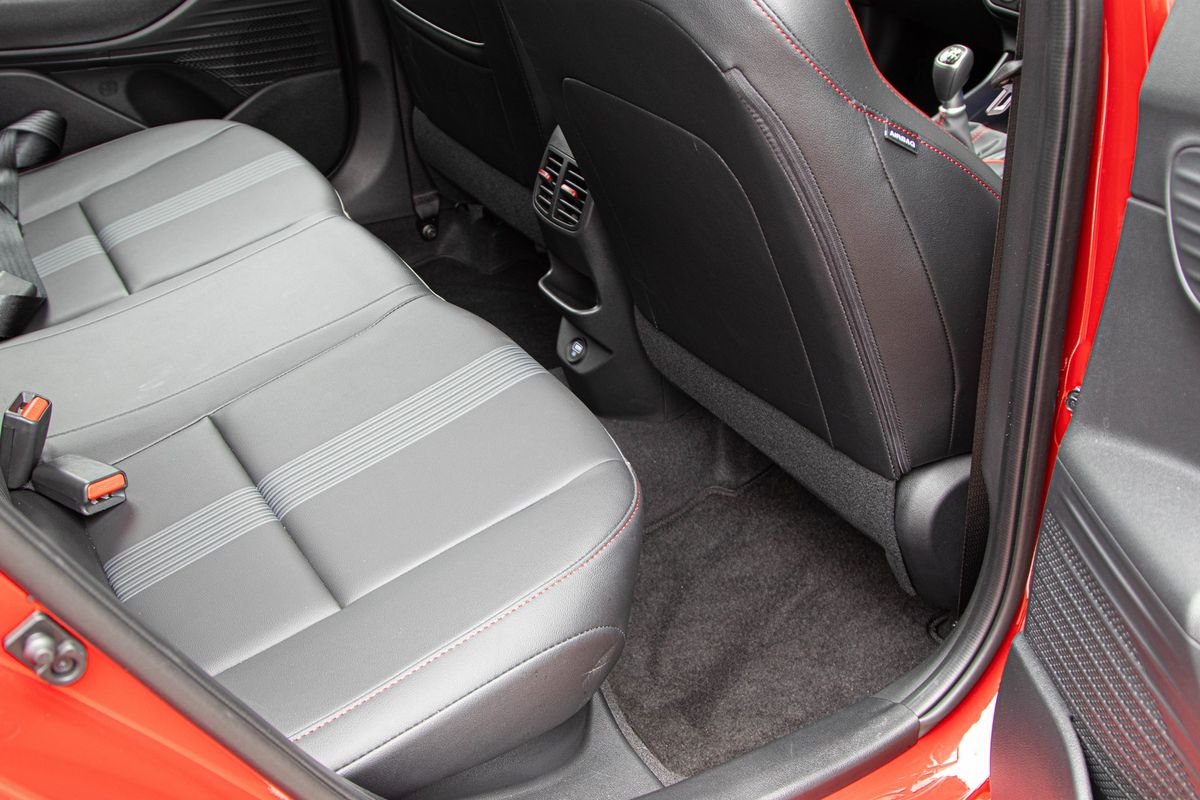
As mentioned earlier, the all-new Hyundai i20’s exterior dimensions have grown – the compact hatchback is notably wider and longer than its predecessor. As a result of its revised packaging, the newcomer offers more interior space, which is certainly welcome. Hyundai claims there’s more leg- and shoulder room for rear occupants and, when this taller-than-average tester conducted the sit-behind-yourself test, he found the aft accommodation more comfortable than before (most adults felt cramped in the back of the previous i20). Rear passengers will also appreciate the USB port to charge devices.
There are plenty of storage solutions dotted around the cabin, ideal for stashing keys and so on. There are also two cupholders up front and recesses to store bottles (one in each of the rear-door linings).
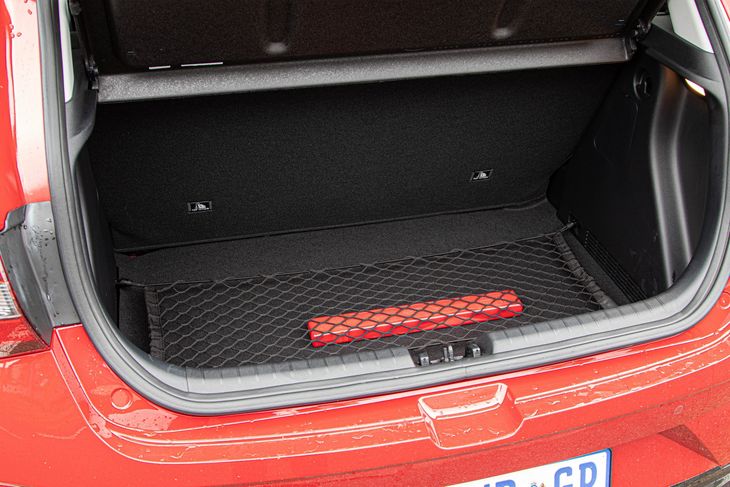
The load-bay has grown too, with a claimed 311 litres of space on offer – the 2nd-gen model’s luggage capacity was, by comparison, only 285 litres. Hyundai also offers a luggage storage net for its new i20 and, if you need more carrying capacity, the rear seatback can be folded down, but it’s a single-piece unit (in other words, it does not split in a 60/40 configuration).
How much does the Hyundai i20 cost in South Africa?
You can get behind the wheel of the new Hyundai i20 from R275 900. This turbocharged 1.0T Fluid derivative retails for R330 900 and its automatic counterpart costs R355 900. Every Hyundai i20 sold comes with a 5-year/150 000 km manufacturer’s warranty and an additional 2-year/50 000 km powertrain warranty, a 5-year/160 000 km perforation warranty, 7 years (or until 150 000 km) roadside assistance, as well as a 4-year/60 000 km service plan with intervals at every 15 000 km.
New Hyundai i20 Specs & Prices in South Africa
Verdict
With the 3rd iteration of the i20, Hyundai has addressed the major shortcomings of the previous-gen model – and quite effectively so. Not only does it boast a powertrain that’s more than a match (in terms of performance and, seemingly, efficiency) for the segment’s best, it offers good on-road refinement, a reasonably pliant ride quality, as well as an engaging driving experience.
Plus, don’t forget about the glut of standard features: in 1.0T Fluid guise, the Korean firm’s newcomer comes fitted, as standard, with nearly every convenience that one would expect a compact hatchback cabin to offer. Even if some of its interior plastics seem a bit harsh to the touch, when you factor in Hyundai’s comprehensive warranty and service plan, the new i20 makes a very compelling case for itself.
Should you buy one? If you’re shopping for a compact hatchback, you’d be forgiven for being overwhelmed by how much choice is out there. With its potent engine, modern interior and after-sales offering, the new i20 has leapfrogged many offerings in the segment and is jostling, once again, for best-in-class honours. Ignore the polarising looks and give it a test drive, you may be pleasantly surprised.
Book a test drive of the new Hyundai i20 here
Further Reading
David Taylor

Having contributed to multiple motoring titles as well helping run the public relations machine of the Johannesburg International Motor Show, Dave has experience in both sides of the motoring industry. He's based in the Western Cape and is responsible for the performance testing, photography & weekly YouTube news for Cars.co.za.