Why nobody ever mentions the world’s best-selling car.
You can talk about vehicle marketing merits and test data, but nothing is more transparent than cold, hard new-vehicle sales figures.
A model can have the cleverest design and slickest functionality, but that counts for little if the product sells poorly. And each year, the world’s most popular model range is subject to analysis.
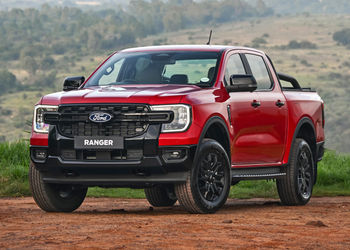
For many years it has been an article of faith that Ford’s F-Series bakkie range is the world’s best-selling vehicle. But that’s no longer the case.
With all the data from 2021 collated, the model that outsold all others was a Toyota… but it’s not the one you think. The Corolla has been Toyota’s true “global car” for many decades, but demand for the traditional sedan (and its hatchback equivalent, for that matter) is waning dramatically. In 2021, Corolla sales were flat, globally.
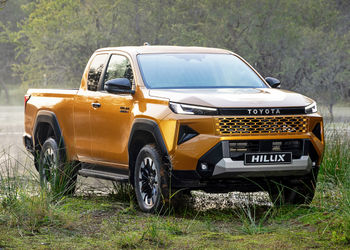
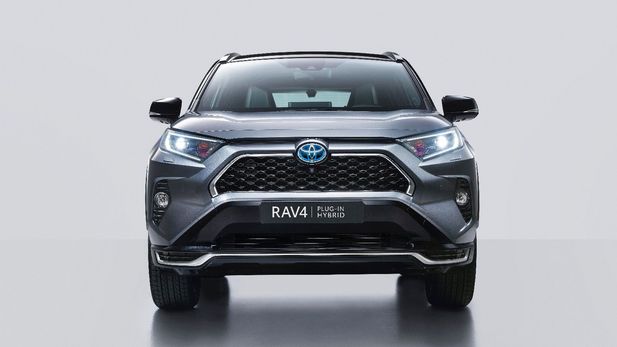
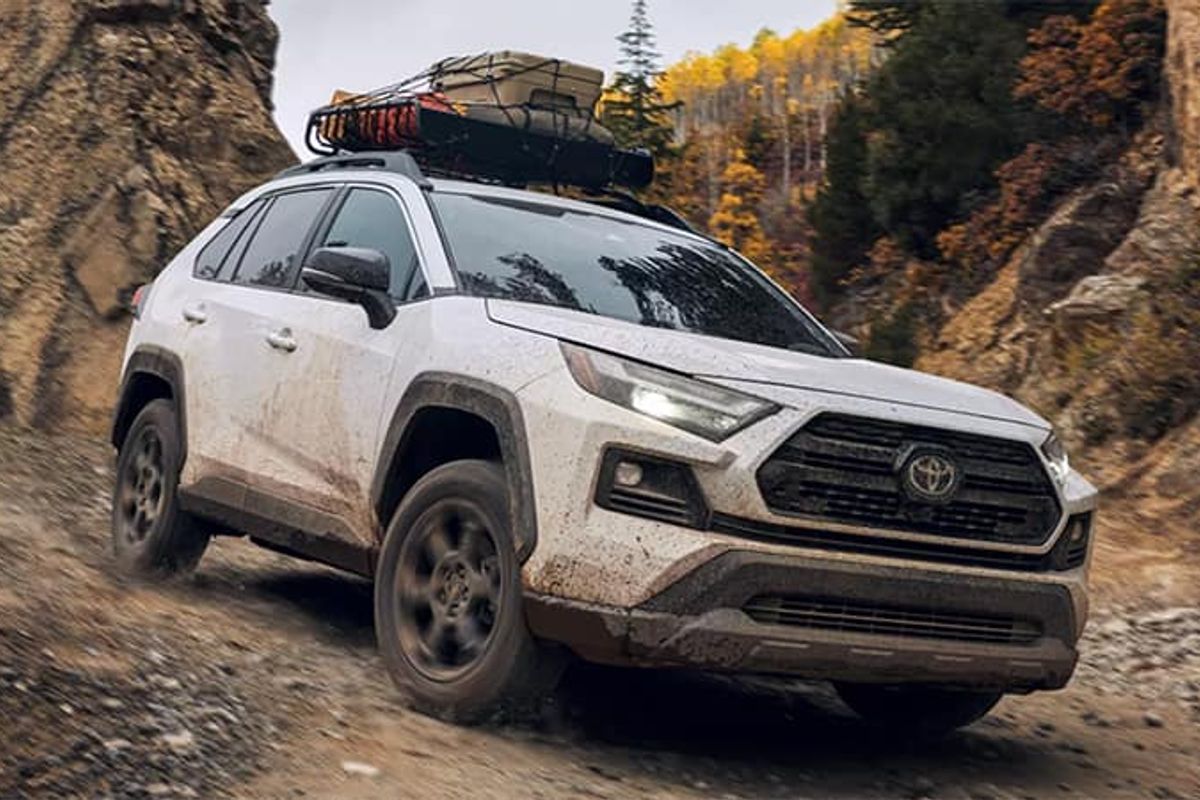
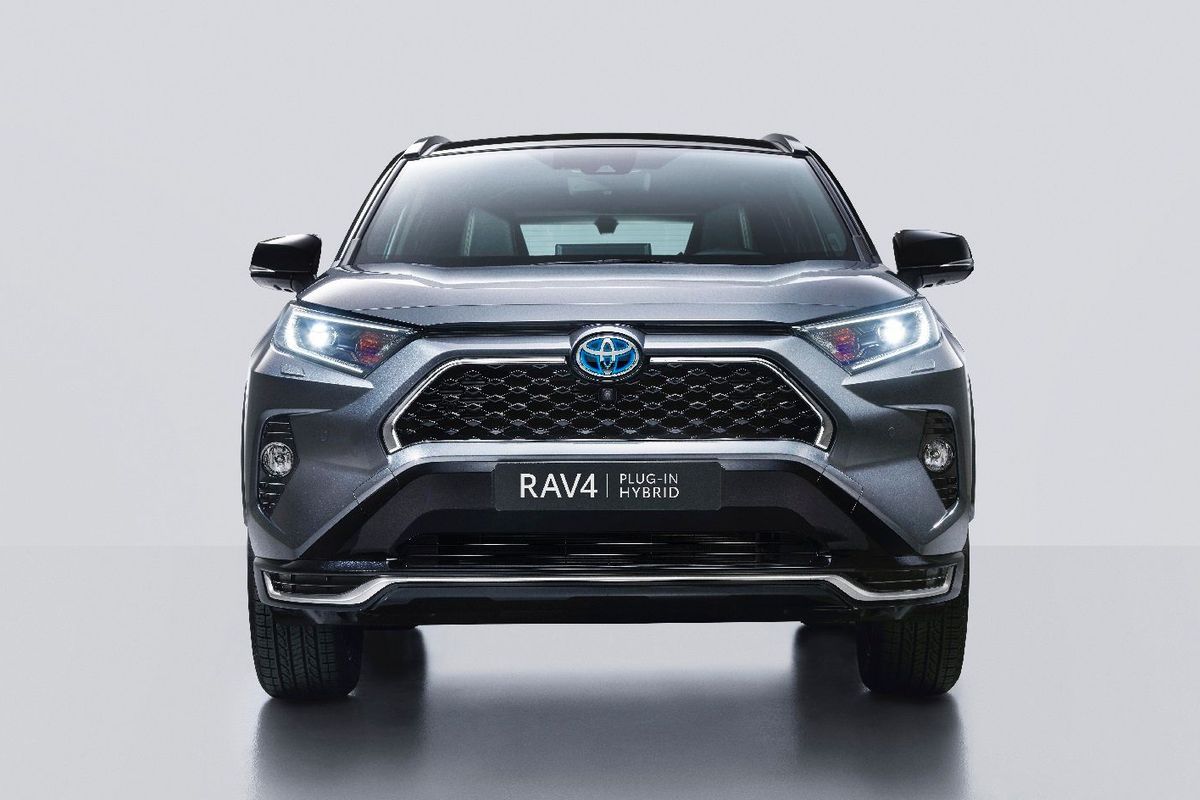
If any Toyota was most likely to be the world’s most popular vehicle in 2021, it must be the Hilux, right? With its huge cluster of variants and derivatives (it’s sold in virtually every country and territory), Hilux enjoyed 22% sales growth. But it was bested by Toyota’s most stealthy success: the RAV4 medium SUV.
No vehicle illustrates Toyota’s product acumen better than the RAV4. As buyers of mid-sized cars disengage from hatchbacks and sedans, crossovers and SUVs have benefitted. It’s a trend that’s unlikely to change soon.
Even in the early to mid-1990s, Toyota foresaw that Camry and Corolla would eventually succumb to all-terrain vehicle popularity.
How Toyota saw the future
Virtually all manufacturers now produce a crossover or SUV of some kind. Even Ferrari has relented and resigned itself to sacrificing brand values at the altar of profitability (its upcoming SUV will be called the Purosangue).
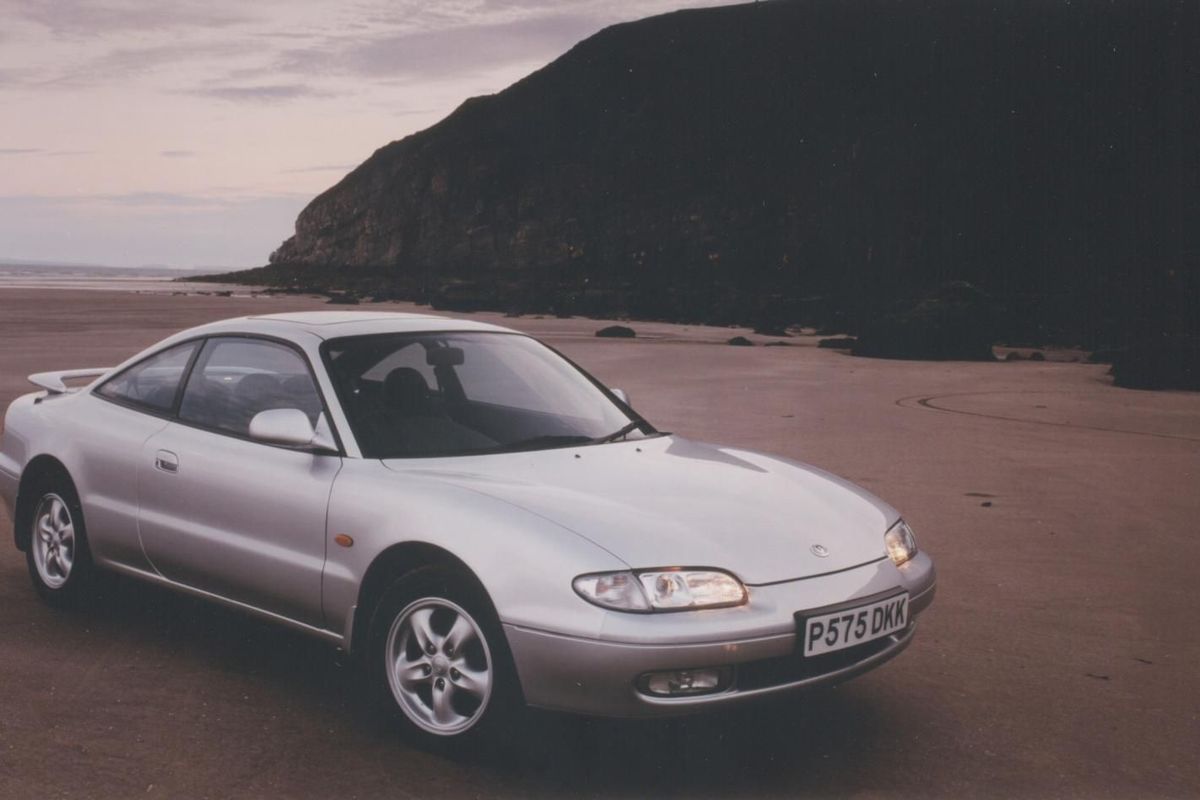
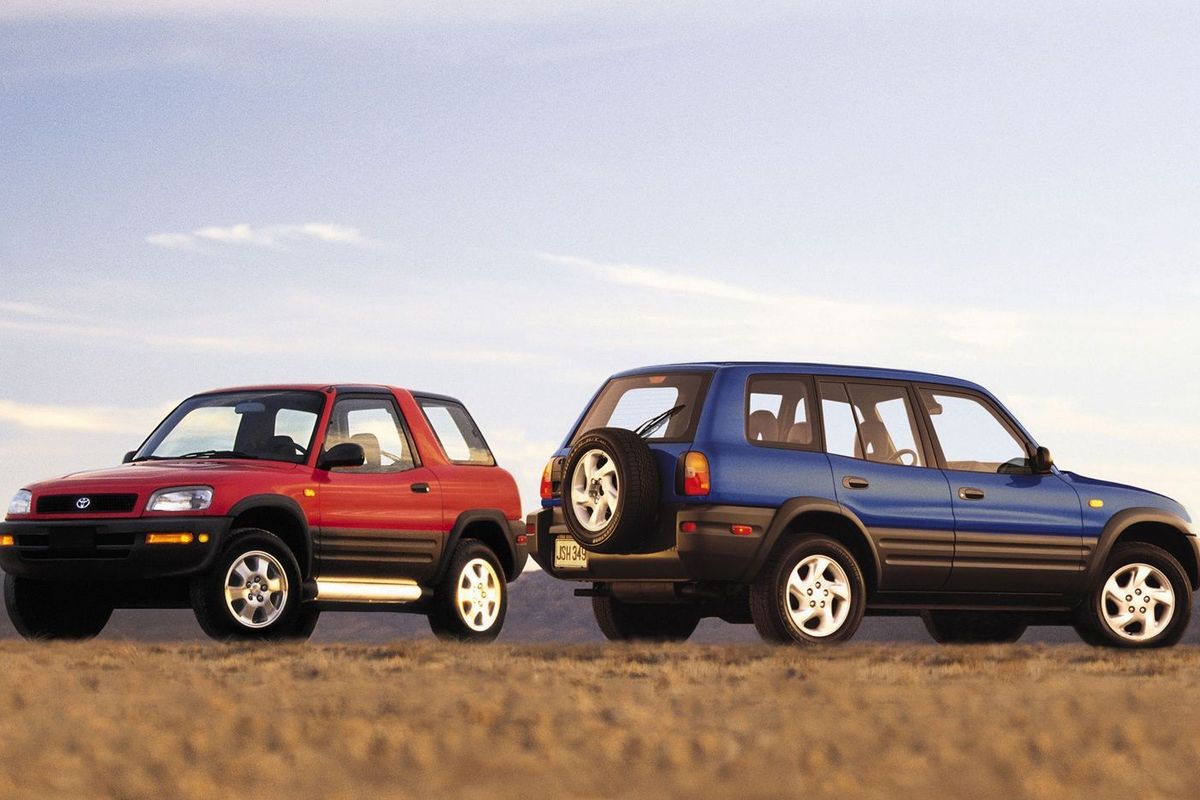
Toyota was way ahead of the trend and laid the foundation for its success in 1994. That year, it launched the RAV4, when most rival brands invested in compact luxury coupes and MPVs. This was the era of Renault’s Scenic and a collection of affordable coupes that South Africans mostly missed out on, but for the Opel Calibra and Mazda MX-6.
Toyota realised that a 1990s-era “affordable” coupe was very compromised as a long-term ownership proposition. The moment coupe owners had kids, their cars became deeply impractical.
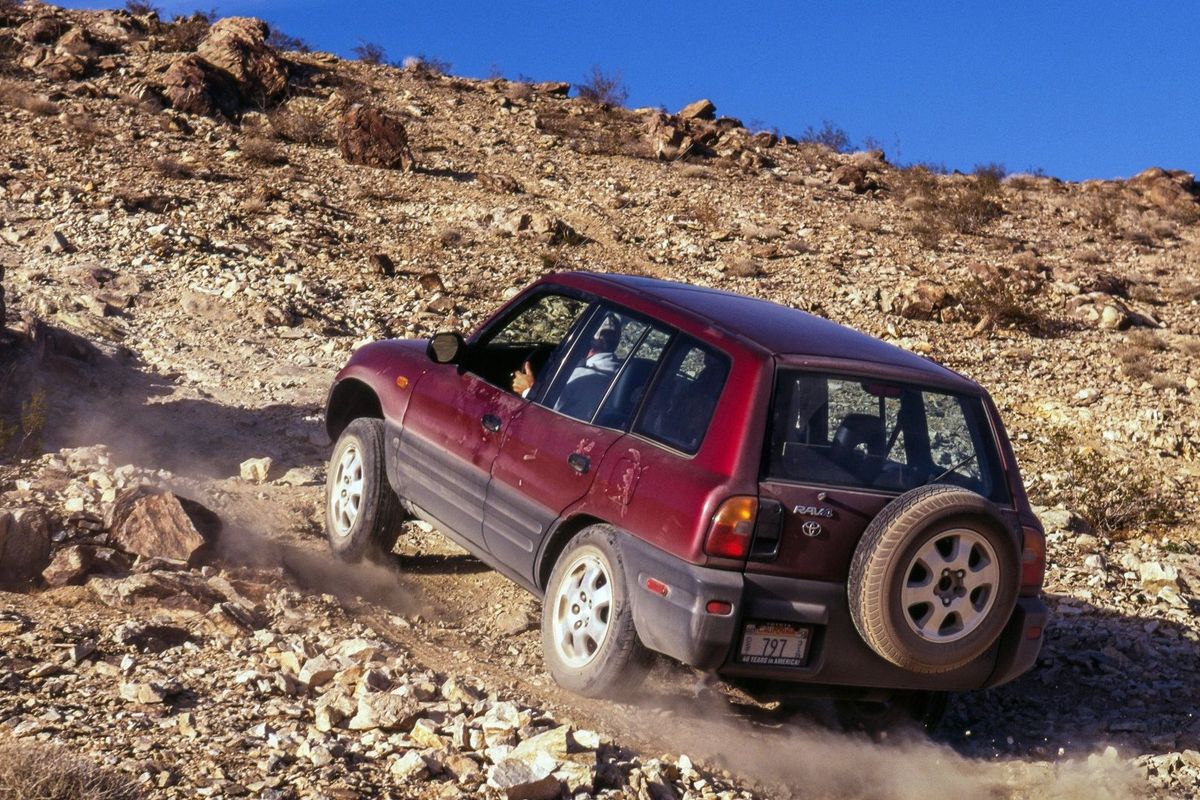
Toyota’s original RAV4 proved that you could go sensibly and mildly off-road, without low range. Now it’s widely accepted, but many considered the notion laughable in the mid-1990s. Most automotive study groups and brands could not imagine significant demand for a compact SUV that didn’t have extreme gradient climbing ability. How wrong they were.
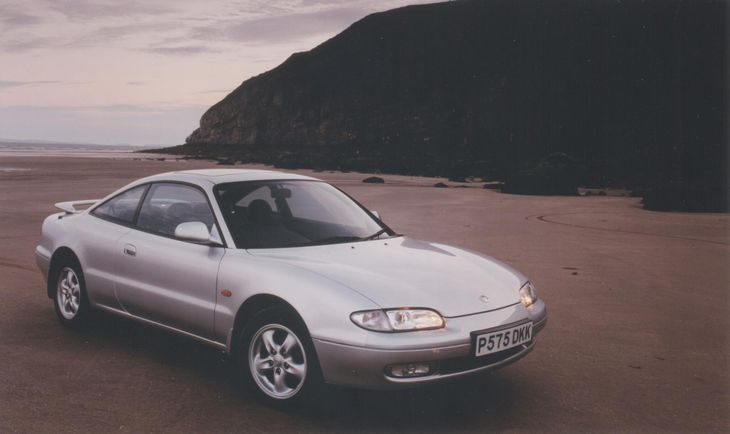
At the time most brands were launching FWD coupes, like Mazda with its MX-6, Toyota brought the RAV4 to market.
Why the mild all-roader won
While many of its competitors were investing in MPVs and front-wheel-drive coupes, Toyota saw the future with the RAV4. Ford and Nissan both had similarly sized vehicles to the first-gen RAV4, but they were ladder-frame-based off-roaders with low-range transfer cases. However, the Maverick and Terrano had too much off-road ability for their size; they were too small to be stacked with Overlanding gear and too unwieldy to serve as passenger cars on the daily commute.
Toyota recognised passenger-car switchgear and ride quality, combined with enhanced ride height and confident gravel touring ability, was what the market wanted.
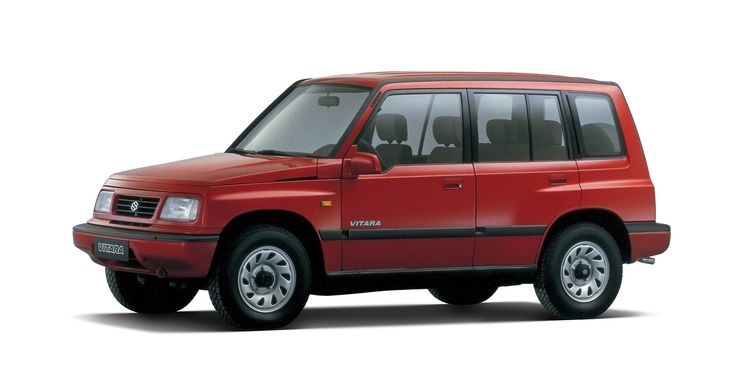
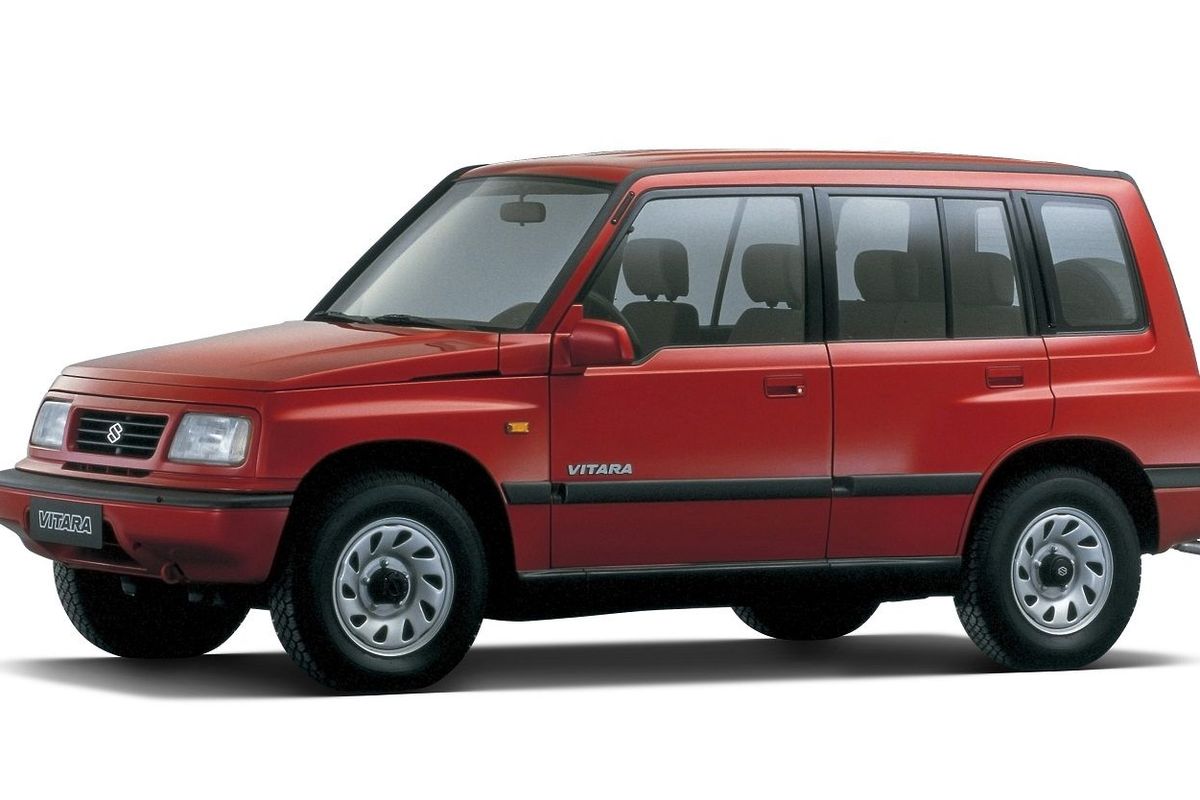
Vitara did much to establish the Japanese compact all-terrain vehicle market globally. But it was too rugged, and unrefined, compared with a RAV4.
The RAV4 entered a market with few rivals. In truth, there was only one. Suzuki’s Vitara predated the RAV4 by nearly six years, but Toyota’s SUV was immediately more successful. The reason was simple: the Aicho-based brand recognised that even the most ardent outdoorsy person would still spend most of their time driving their compact SUV on tar.
RAV4 is capable as it needs to be. I’d know, I’ve travelled in convoy through Botswana in a RAV4. With Prados and Fortuners, trailing… and the RAV4 incurred no damage.
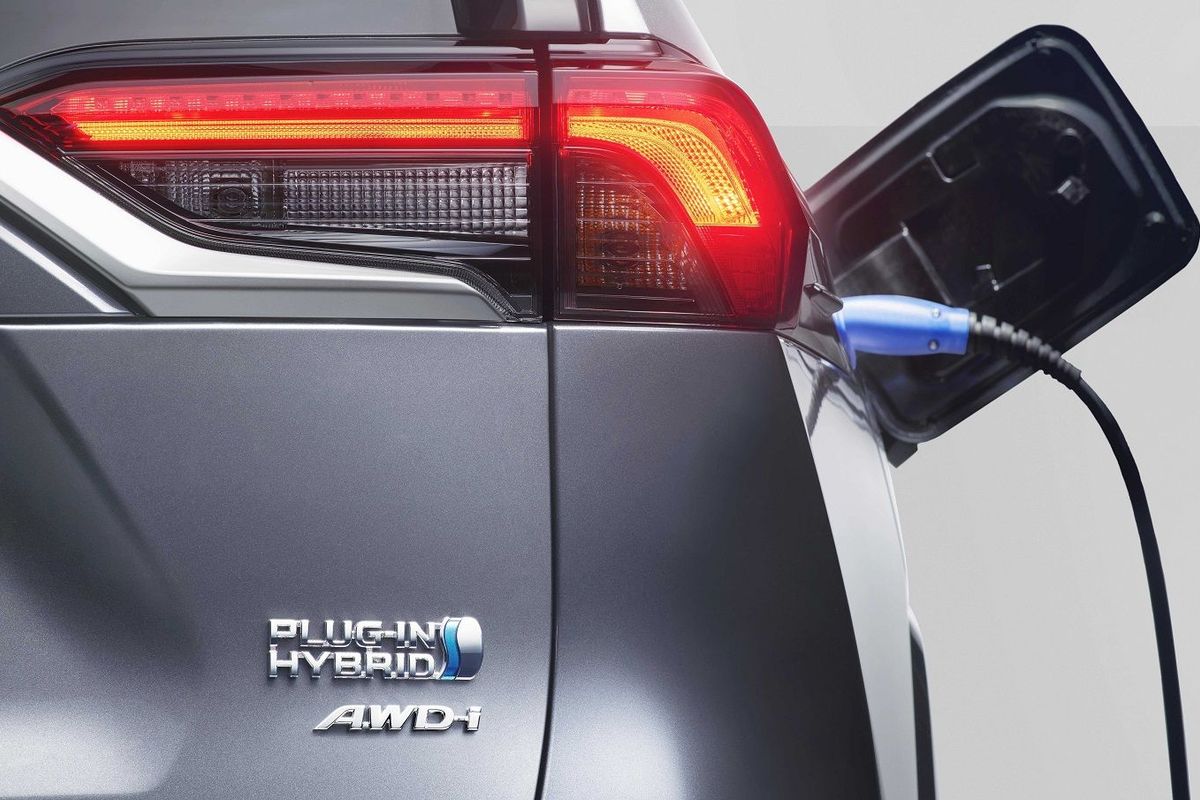
The success of the RAV4 says much about engine preference, too. Toyota offers mild-hybrid RAV4s, but no pure EVs or turbodiesels. Within the Toyota product matrix, there’s more hybridisation happening than what the brand crows about.
For decades, Lexus and Prius have allowed Toyota to run a parallel hybrid development and product integration programme. The moment diesel engines became too toxic for most markets, Toyota had mild hybrids ready to power the RAV4.
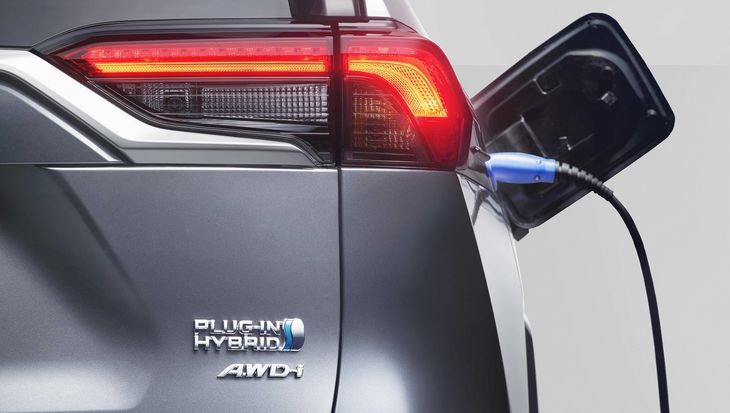
Toyota has managed the disengagement from diesel – and pivot to hybridisation – better than most carmakers.
While many of its rivals struggle with the cost implication of tapering diesel sales, and sourcing expensive petrol-hybrid replacements to futureproof their products, Toyota has much less of an issue.
In South Africa, the Hilux is revered, hence its best-seller status. When the conversion trail turns to Toyota, it’s imagery of rugged adventure vehicles that forms in the mind: Land Cruiser 70 and 300 Series. Hardly anyone mentions RAV4.
Perhaps this has been Toyota’s most remarkable achievement with the model. It’s a vehicle that nobody lists as a primary consideration in conversation, but it outsells everything.
The “real world” is that most euphemistic place, where people actually buy and own cars, instead of merely pondering them. And for most global real-world buyers, Japanese vehicles, specifically Toyotas, retain a lot of premium appeal.
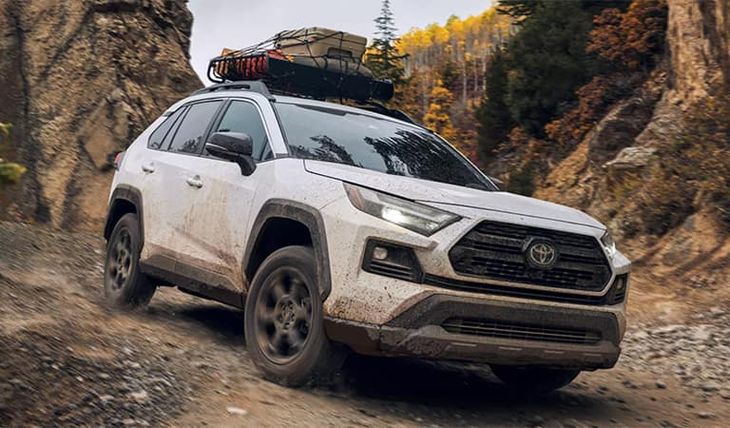
With off-road specification tyres, the RAV4 can do more than most of its owners would ever need.
Does RAV4 prove that Japanese cars rule the world?
A telling aspect of the RAV4’s status as the world’s reigning best-selling vehicle, is that it is Japanese. The broad view is that Japan’s automotive industry peaked just after RAV4 was launched in the mid-1990s.
For the last two decades, German brands have dominated the luxury car market, but we forget that luxury cars make up but a fraction of total vehicle sales. As the German car companies recognise themselves to best navigate a challenging transition from high-profitability luxury vehicles to EVs, few have paid mind to Japan.
The assumption is that German dominance is inarguable. And any Asian automotive entity capable of world domination will be either Korean or Chinese. Not Japanese. But the RAV4 proves that between marketing perception and the actual “real world” market, there’s a significant underappreciation of Japanese automotive legacy – and customer loyalty.
Eight of the top-ten best-selling vehicles in 2021 were Japanese… and not one of them was a budget model.
The RAV4’s best-seller status is not a happy accident for Toyota. Or a coincidence. Or pandemic supply-chain related. Now in its 5th generation, the RAV4 has an endearing heritage. Throughout nearly three decades, it has offered a near-ideal blend of passenger-car driveability and all-terrain ability. Not too much of the latter, and not too little of the former.