South Africa’s new-vehicle market suffered a 4.1% year-on-year drop in sales in September 2024. Here’s your market overview, including Mzansi’s most popular brands…
Though there’s still hope of improvements in the final quarter of the year, South Africa’s new-vehicle market didn’t manage to return to growth in September 2024, with sales falling 4.1% year on year to 44 081 units. Still, at least that tally represented a (marginal) 1.1% increase compared with August 2024’s effort.
Exports, meanwhile, fell a considerable 38.1% year on year in September to 21 964 units (the 2nd lowest total of 2024). Year to date, exports stand at 289 198 units, a significant drop of 19.7% compared with the same 9-month reporting period in 2023. Local domestic sales are also behind in the year-to-date race, with that tally currently sitting at 401 169 units (5.8% down).
Out of the total reported industry sales in September 2024, Naamsa estimated that 79% represented registrations via the dealer channel, while a hefty 15% were sales to the vehicle-rental industry, 3% to government and 2% to industry corporate fleets.
Again bucking the general market trend, the new passenger-vehicle segment grew 2% year on year to 30 218 units in September 2024, with the rental industry representing a whopping 28% of that total. Meanwhile, the light-commercial vehicle segment slipped 17.1% year on year to 10 914 registrations (a decline no doubt amplified by the discontinuation of the Nissan NP200).
Brandon Cohen, National Chairperson of the National Automobile Dealers Association (NADA), said September 2024’s sales figures offered “hope that the market may be slowly turning”.
“Passenger-car sales are a key indicator of consumer sentiment and the positive growth in this segment for the 2nd consecutive month is encouraging. While the Reserve Bank’s first interest-rate cut in 4 years will take time to fully impact the market, we are already seeing other positive factors, including a stronger exchange rate, lower inflation, a positive 100-day performance by the Government of National Unity, increased foreign investment, 190 days without load-shedding and lower fuel prices. These are all promising signs,” Cohen said.
- ALSO READ: Bronco in RHD? Ford CEO drops huge hint
Lebo Gaoaketse, Head of Marketing and Communication at WesBank, added that though the interest-rate cut wasn’t quite enough to stimulate new-vehicle sales during September, it could potentially signal the “start of a cutting cycle over the next 18 months”.
“Cumulatively these cuts will begin to impact indebted consumers over time and provide some level of relief in expensive debt. However, the immediate effects are practically small; but philosophically provide a stimulus to the market in sentiment,” Gaoaketse explained.
New-vehicle sales summary for September 2024
- Aggregate new-vehicle sales of 44 081 units decreased by 4.1% (1 889 units) compared to September 2023.
- New passenger-vehicle sales of 30 218 units increased by 2.0% (112 units) compared to September 2023.
- New light-commercial vehicle sales of 10 914 units decreased by 17.1% (2 257 units) compared to September 2023.
- Export sales of 21 964 units decreased by 38.1% (13 535 units) compared to September 2023.
10 best-selling automakers in SA in September 2024
For the 6th time in 2024, Toyota – which includes the Lexus and Hino brands – cracked 5 figures in a single month, selling 10 890 units in September. As such, the Japanese giant again found itself way out in front. Meanwhile, the Volkswagen Group (including the Audi brand) grew its sales 4.3% month on month to 5 885 units, retaining 2nd place and stretching its lead over Suzuki (5 023 units), which again grabbed the final spot on the podium.
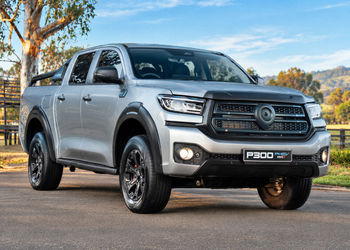
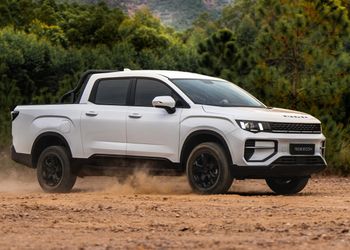
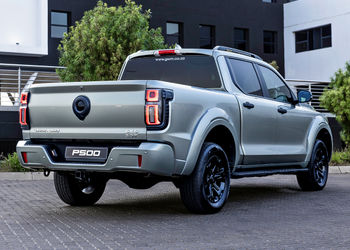
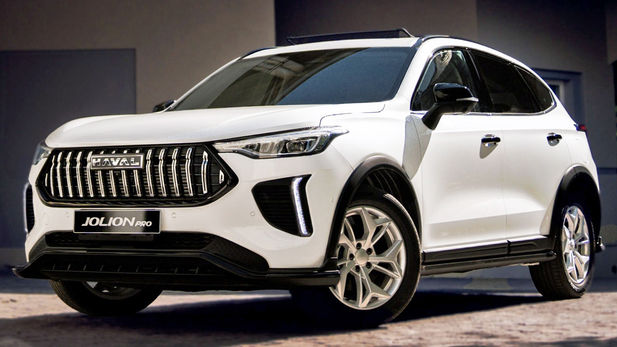
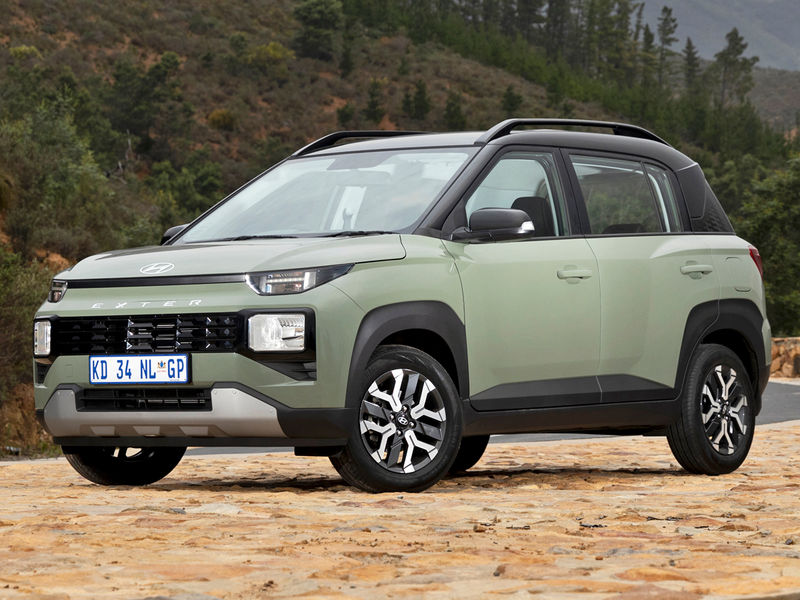
With its best sales performance of 2024 thus far, Hyundai (2 841 units) gained a ranking to finish 4th, pushing Ford (2 823 units) down a place to 5th. Isuzu held steady in 6th spot with 1 960 registrations, while GWM (including the Haval brand) climbed 2 positions to 7th, finishing September 2024 on 1 740 units. That, too, was a 2024 best for the firm as well as its highest placing of the year so far.
Fellow Chinese company Chery (1 614 units) thus slipped a spot to 8th, while Renault (1 426 units) gained a place to end the month in 9th. Meanwhile, Nissan – just a single registration behind its alliance partner on 1 425 units – fell 2 more positions to close out the table, enduring its lowest sales tally of the year so far.
Kia (1 284 units) was once again bubbling under in 11th place, finishing ahead of 12th-placed Mahindra (1 014 units). That meant the BMW Group (961 units) again found itself in 13th, with Mercedes-Benz (on a Naamsa-estimated 535 units) in 14th. Fascinatingly, Chery division Omoda & Jaecoo (506 units) completed the top 15, pushing Stellantis off the list.
1. Toyota – 10 890 units
2. Volkswagen Group – 5 885 units
3. Suzuki – 5 023 units
4. Hyundai – 2 841 units
5. Ford – 2 823 units
6. Isuzu – 1 960 units
7. GWM – 1 740 units
8. Chery – 1 614 units
9. Renault – 1 426 units
10. Nissan – 1 425 units
Sales outlook in SA for final quarter of 2024
Where to from here for South Africa’s new-vehicle market? Well, Naamsa is “optimistic that the tide for higher new-vehicle sales will turn”, saying economic indicators in September 2024 “showed positive trends, including the first interest-rate cut in 4 years”, a stronger rand and easing inflation below the mid-point of the central bank’s target range.
“Lower fuel prices further bolstered consumer confidence, offering relief to household budgets,” points out the industry representative body, adding that “the passenger-car segment has shown a positive trend in recent months, boosted by rental sales, currency strength and decreasing inflation”.
- ALSO READ: Toyota C-HR crossover officially exits SA
“As the country anticipates further interest-rate reductions, the costs of borrowing are expected to decline, which may stimulate economic activity, even though immediate improvements in vehicle affordability may be limited. Since the decline in new-vehicle sales began in August 2023, expectations are rising that the new-vehicle market could see improvement for the remainder of the year,” Naamsa concludes.
NADA’s Cohen adds that though the “economic environment remains challenging, with rising electricity prices expected to put further pressure on disposable income”, the industry remains “cautiously optimistic about potential improvements in the 4th quarter, driven by the introduction of new models, additional brands in the lower-price segments and aggressive dealer incentives”.
- ALSO READ: MG Motor is returning to South Africa
“We are not out of the woods yet, but the data is showing positive signs in the domestic market and sentiment continues to improve. This momentum will hopefully translate into stronger sales in the medium- to long term,” Cohen concludes.
WesBank’s Gaoaketse suggests that, thanks to likely “stimulated trading conditions over the next 18 months”, South Africa’s new-vehicle market “can be expected to perform better as consumers slowly reap the rewards of debt savings”.
“Sentiment is shifting more positively, which will provide good impetus for the country’s new-vehicle market. Volumes remain robust and demand remains high, all positive conditions for improving market performance,” says Gaoaketse.
Related content
Starlet Cross in top 5! SA’s best-selling cars & crossovers
Ryan Bubear

Having written about everything from sport and politics to crime, Ryan eventually settled on motoring. For well over 15 years, he's been penning articles – both online and in print – about the broader automotive industry, though he's particularly fascinated by vehicle-sales statistics. A freelance writer and editor, Ryan has owned a 1971 Austin Mini Mk3 for 20-plus years.