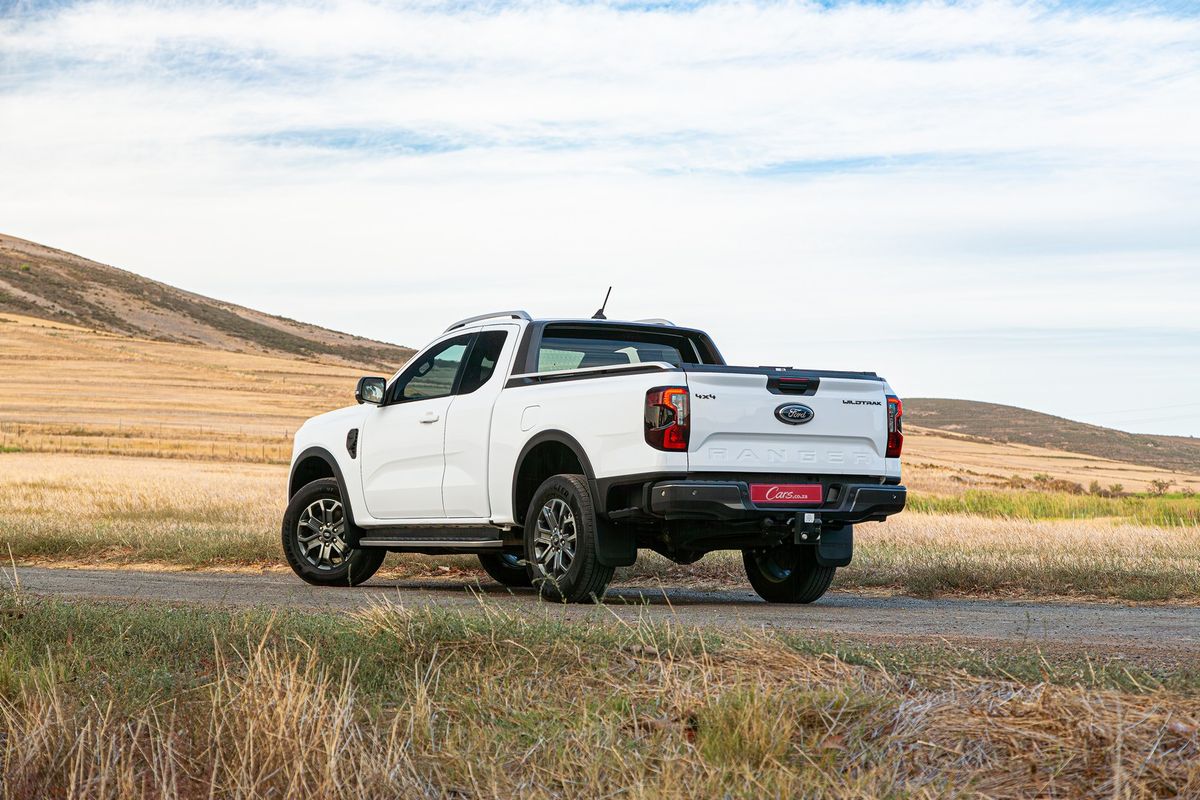
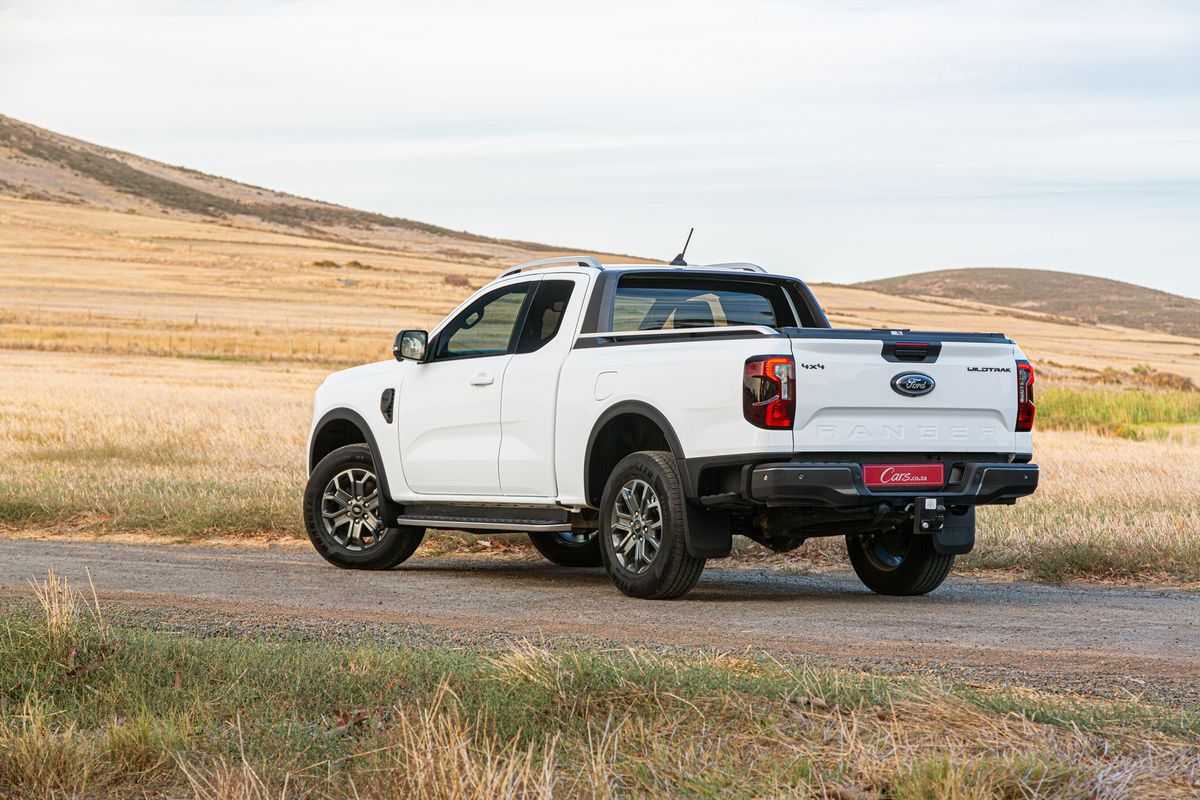
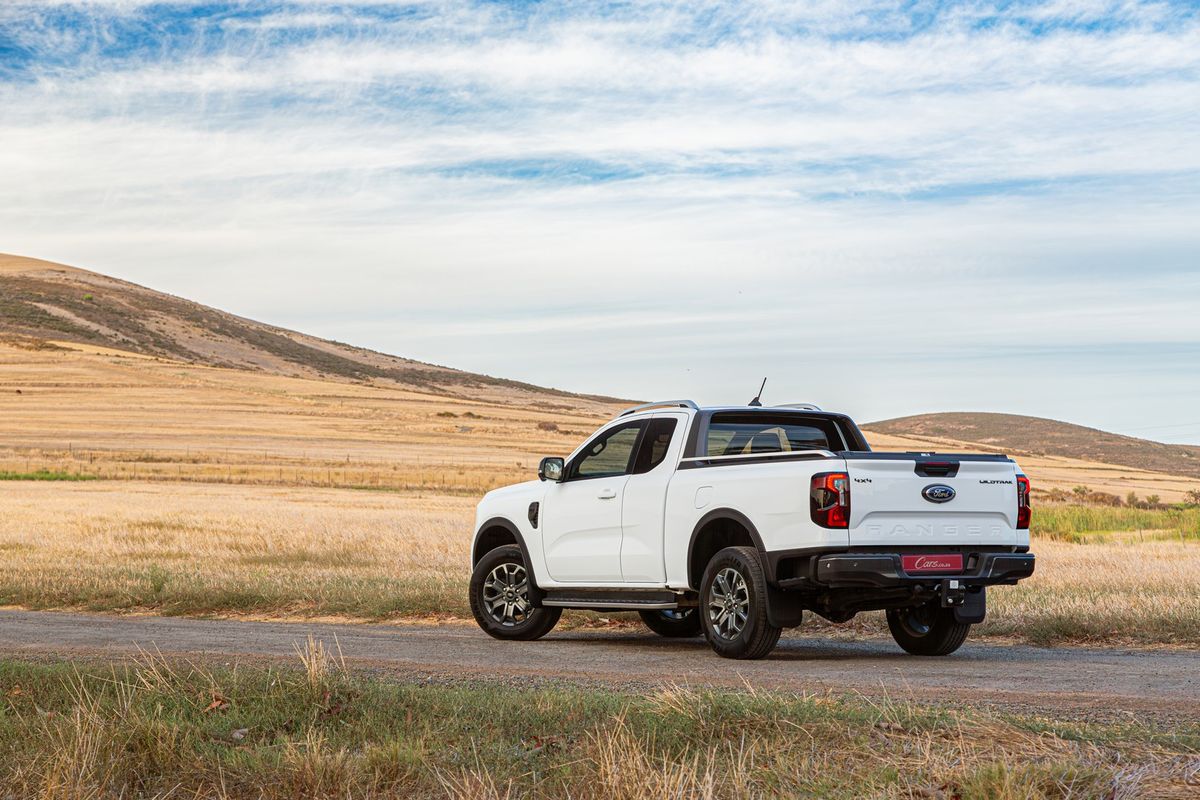
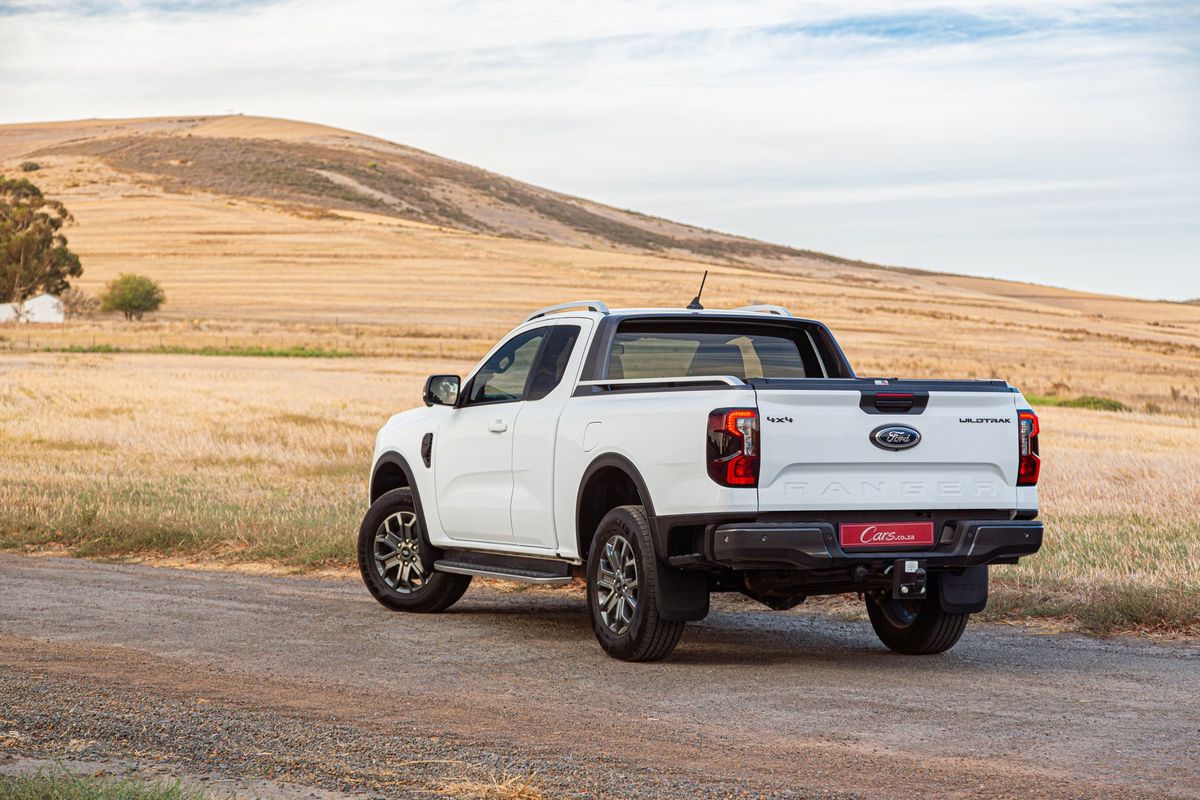
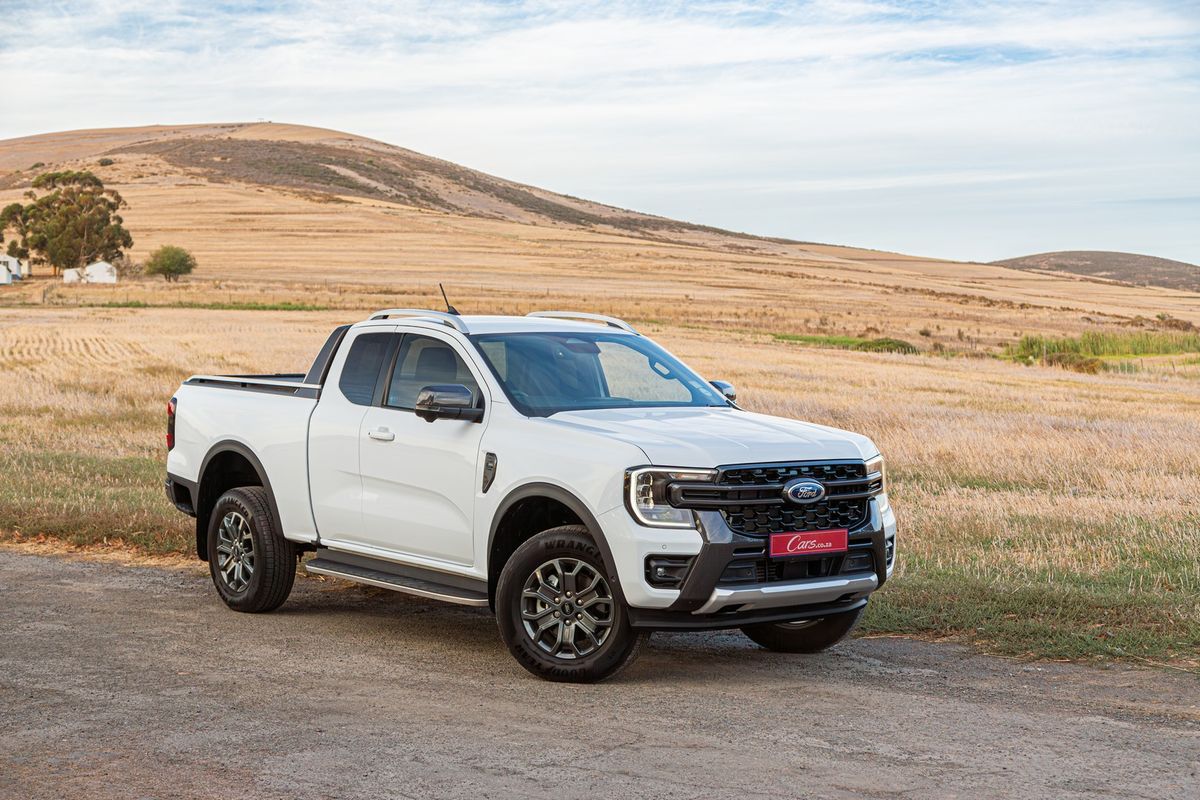
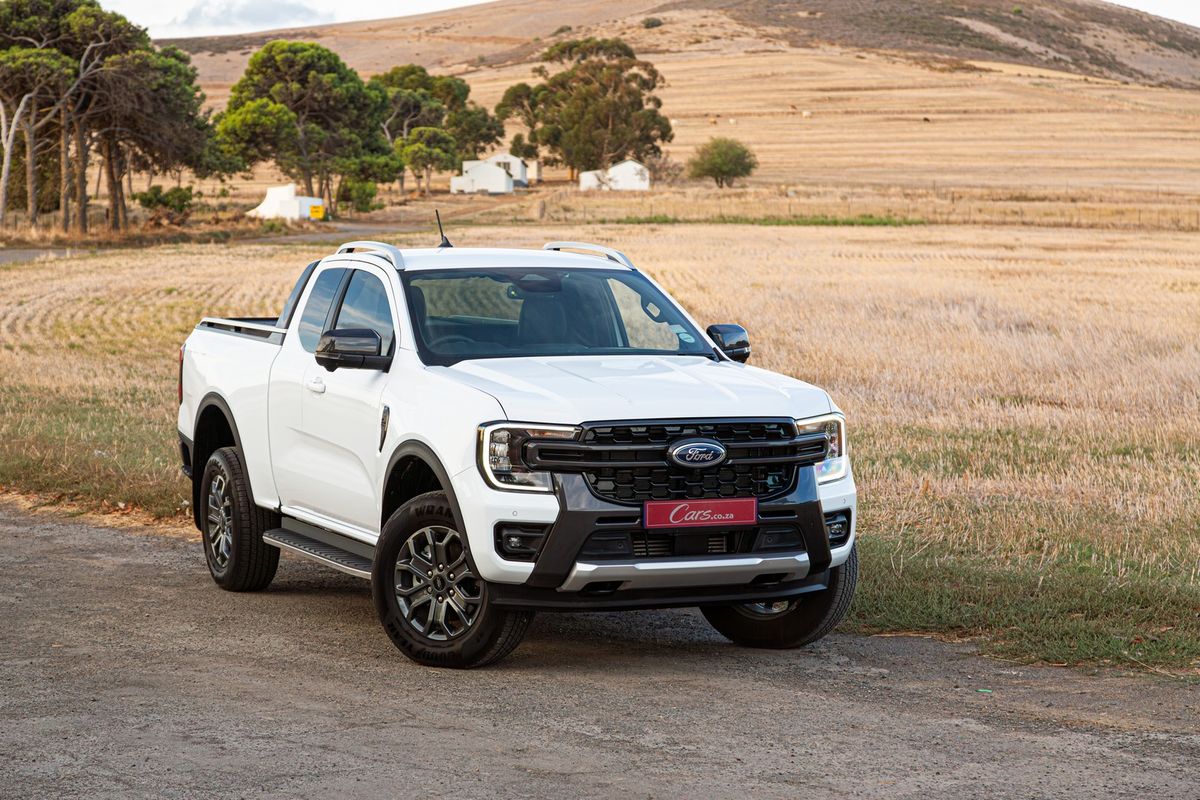
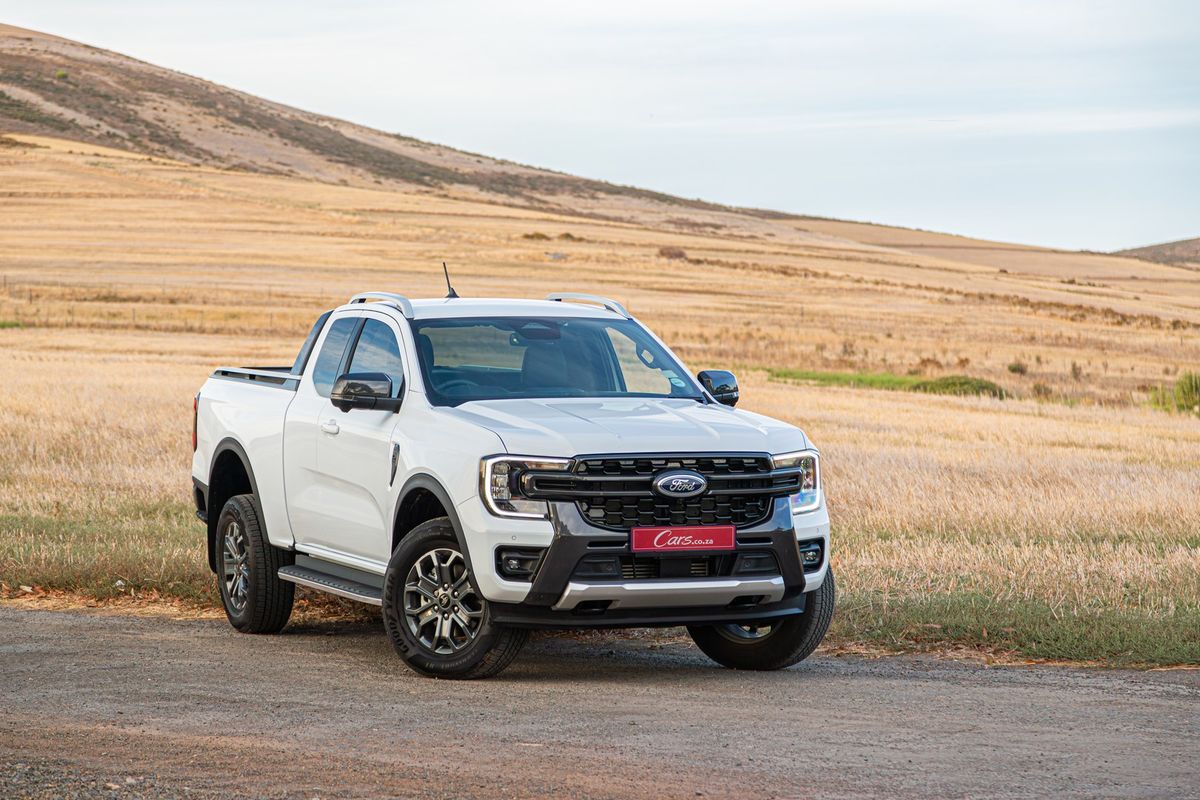
Whereas the Ford Ranger double-cab is an off-road-capable family vehicle with limited workhorse capability, its SuperCab variant offers a different skill set. It may only seat 2 occupants, but as a light commercial vehicle, it’s far more practical than a single cab.
We like: Excellent infotainment system, clever storage behind the seats, modern looks, punchy powertrain and excellent off-road capability.
We don’t like: has a very specific target market, transmission can hesitate, jittery ride when unladen
FAST FACTS
- Model: Ford Ranger 2.0 BiTurbo SuperCab Wildtrak 4×4
- Price: R788 300 (March 2024, before options)
- Engine: 2.0-litre 4-cylinder turbodiesel
- Power/Torque: 154 kW and 500 Nm
- Transmission: 10-speed automatic
- 0-100 kph: 9.58 seconds (Tested)
- Fuel consumption: 7.5 L/100 km (Claimed)
- Utility space: 995 litres
Serious about buying/selling?
Some dealerships regularly offer great deals. See our New Car Specials!
Looking to sell your car? Sell it on Cars.co.za for free
Where does the Ford Ranger SuperCab fit in?
In the land of the bakkie (ute, pickup or truck, if you’re reading this outside South Africa), the double-cab (DC) is king. What’s not to like? DCs offer seating for at least 4 occupants, a variety of passenger-car features, a reasonably sized load tub and 4×4 versions even have good off-road ability. The single cab, in turn, is often utilised as a workhorse for businesses such as plumbers, electricians and other service providers; accessories and assorted paraphernalia are usually stored under roller shutters or in canopies.
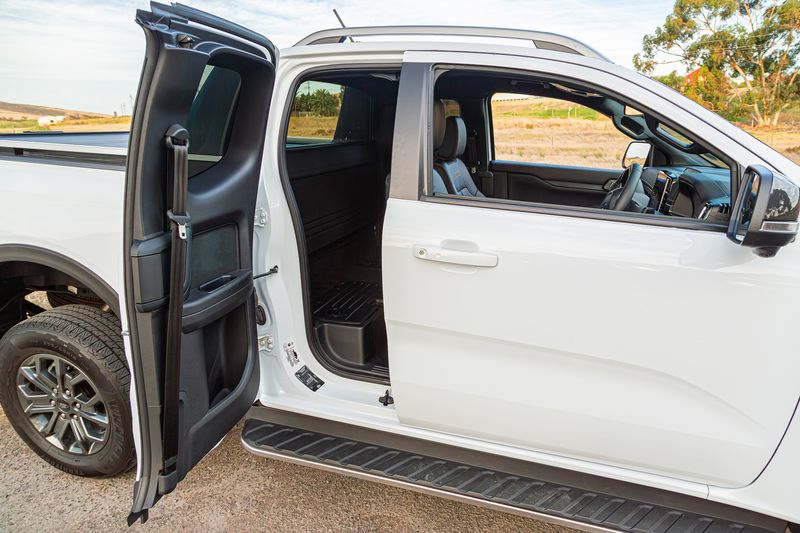
And, whereas a single cab lacks versatility due to its limited in-cab passenger capacity, the double-cab’s biggest drawback (as a family car) is its lack of secure storage space. That’s because if you need full use of the load tub, there’s only so much oddment storage space in the cab. And face it, leaving your laptop bag on one of the seats is not a smart idea, given the prevalence of opportunistic crime in South Africa.
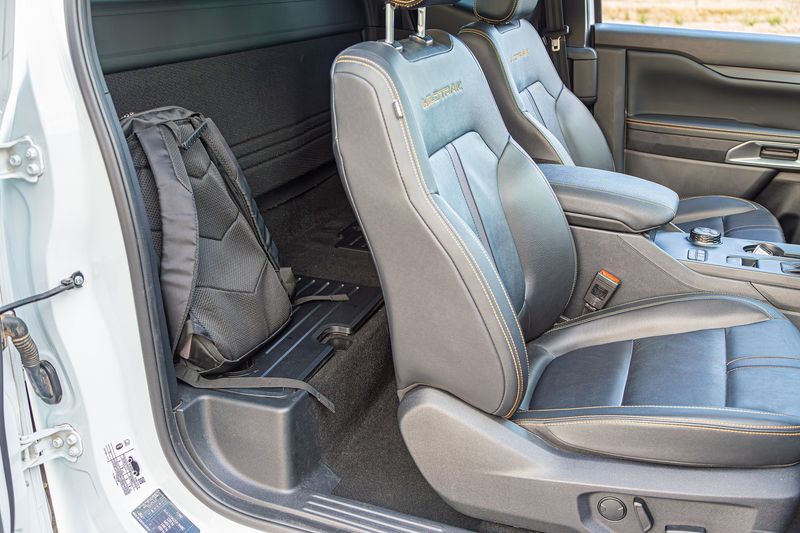
Enter the SuperCab, which is Ford’s extended cab variant of its Ranger bakkie. Essentially, it’s a single-cab bakkie that offers additional versatility by having generous storage capacity (located behind the seats). Tested here is the flagship Wildtrak derivative, which this author nicknamed the “Ranger coupe”.
Compare the Ford Ranger SuperCab with the Toyota Hilux Xtra cab and Isuzu D-Max Extended cab
How the Ford Ranger SuperCab fares in terms of…
Design and Packaging
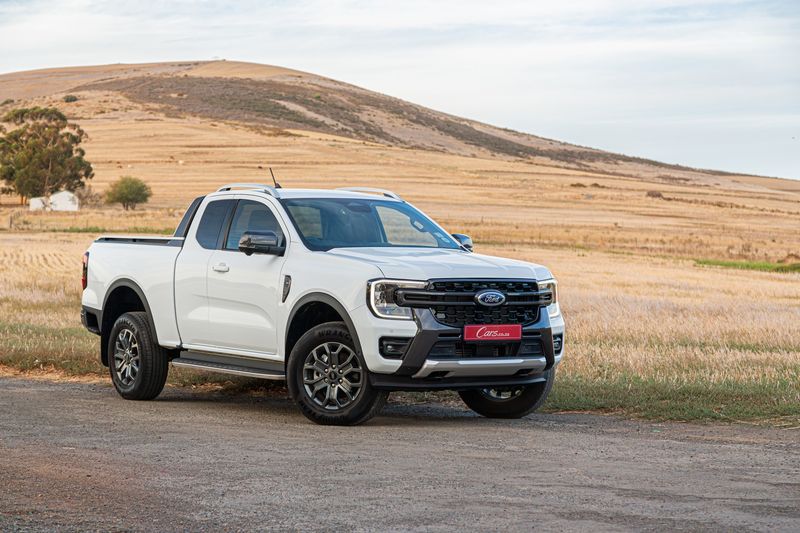
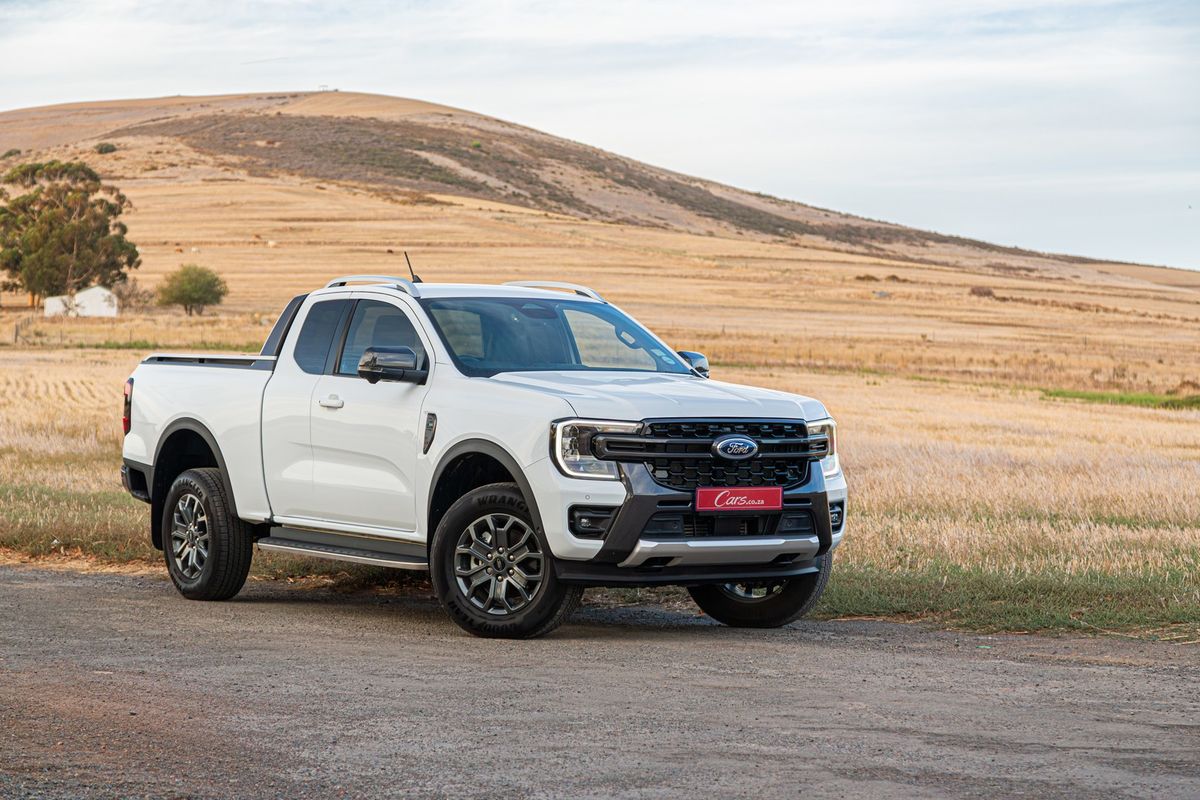
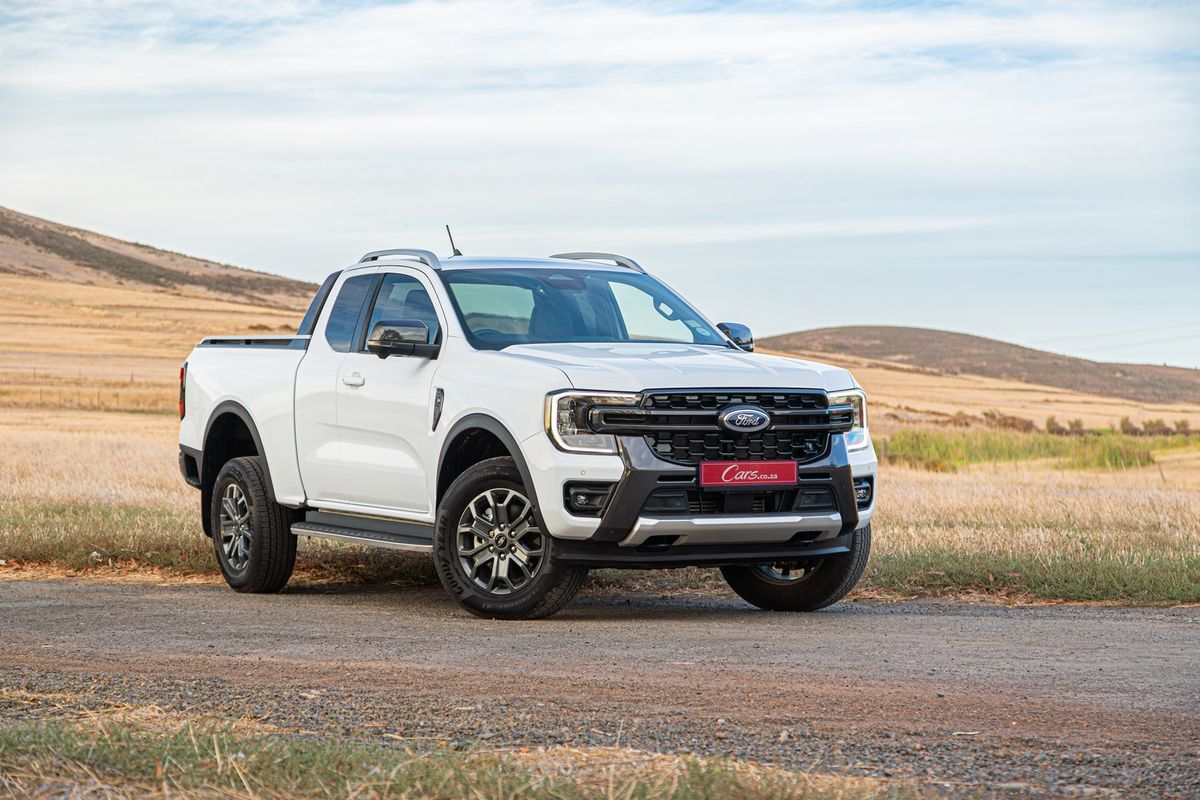
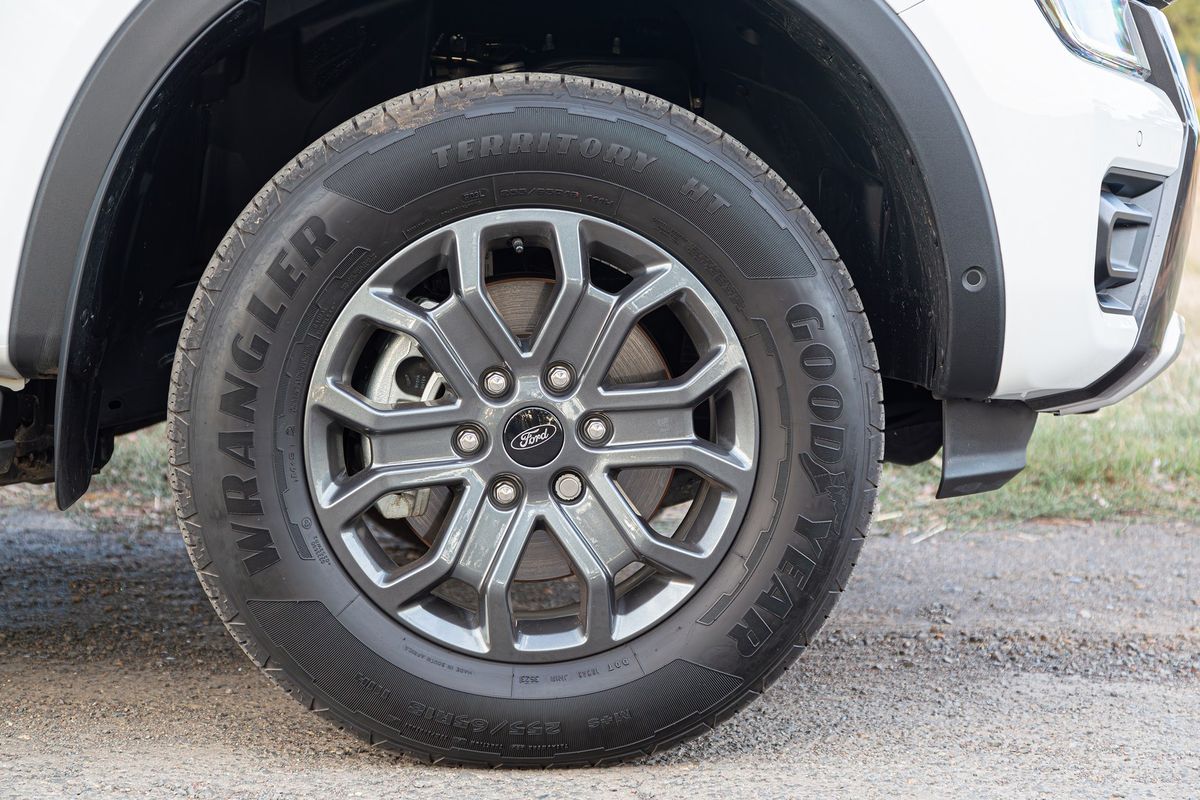
There has been much discussion about the P703-gen Ranger’s looks since the bakkie debuted in late 2022, but our test team remains enthralled by the model’s macho and muscular exterior design. It looks most impressive clad in the bold Cyber Orange finish, but that is admittedly not to everyone’s taste. Still, our test unit’s Frozen White paintwork contrasted nicely with its dark grey 18-inch alloy wheels…
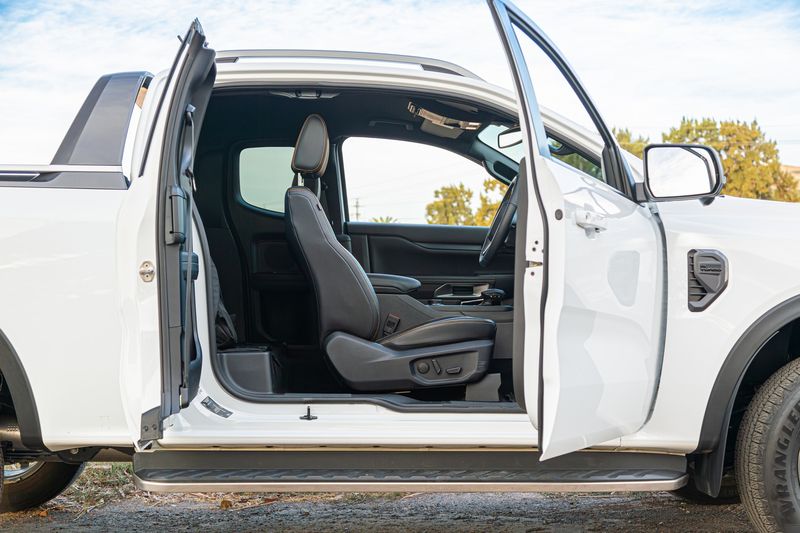
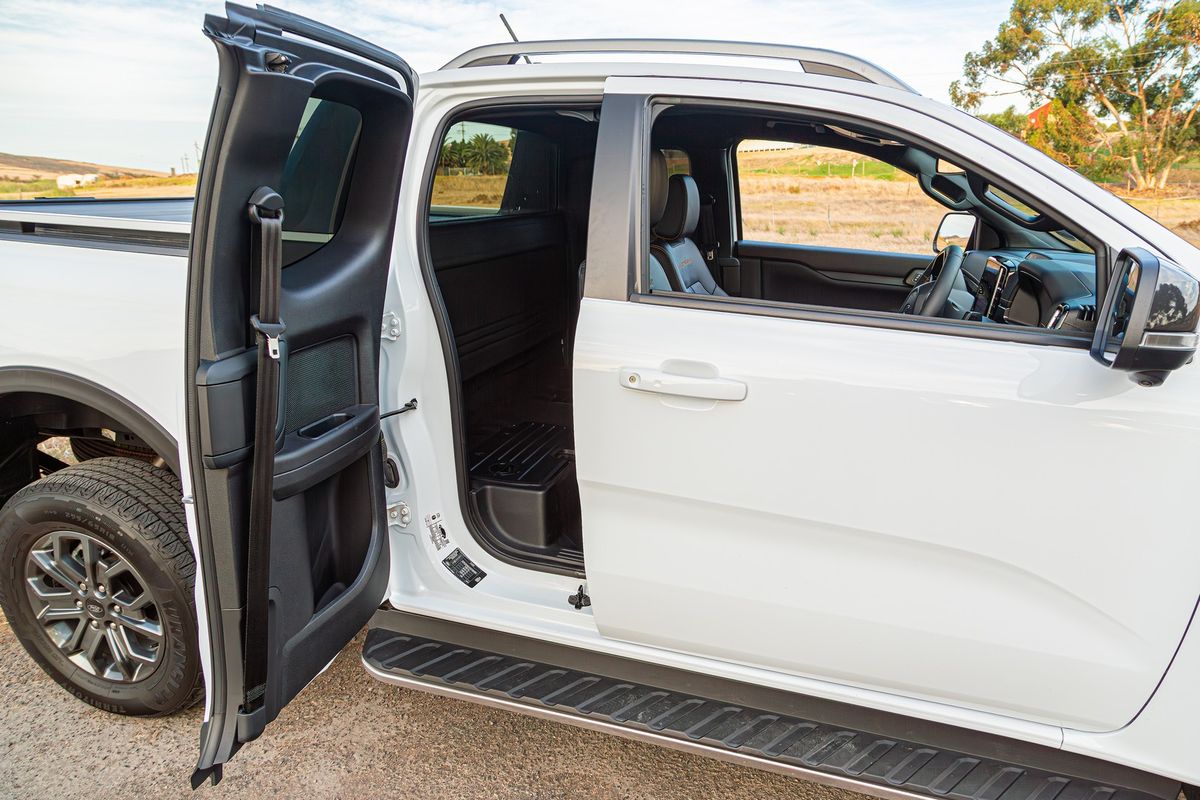
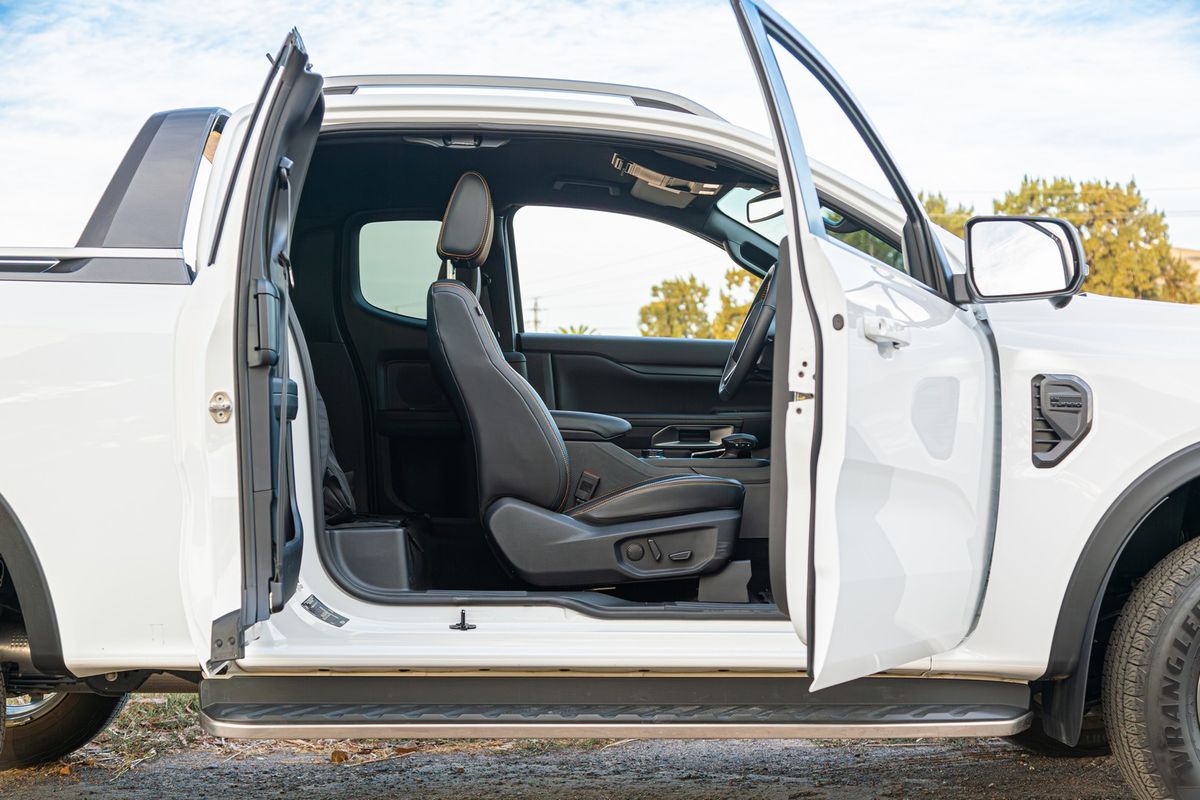
As a reminder, this generation of Ranger has a 50-mm longer wheelbase than its predecessor, which means it incorporates improved packaging and offers more practicality than before. Going the SuperCab route adds a pair of rear-hinged doors that allow easier access to the extra space behind the front seats.
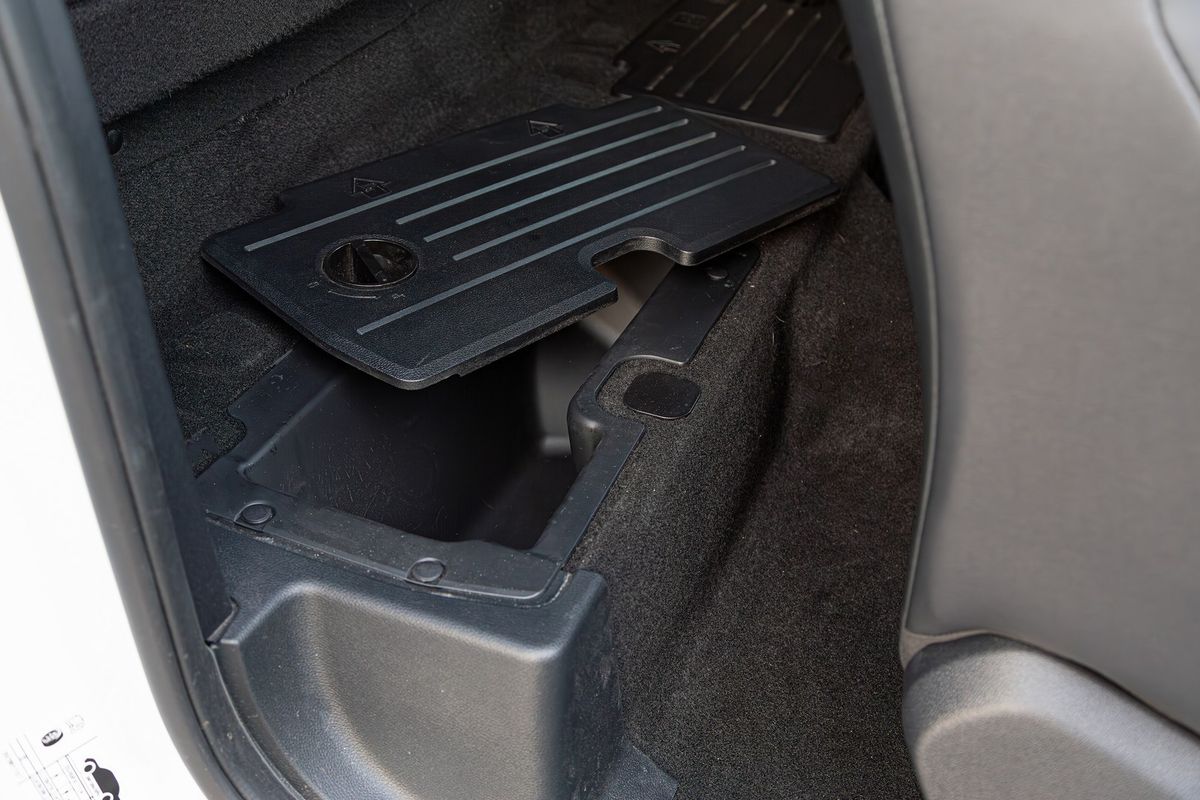
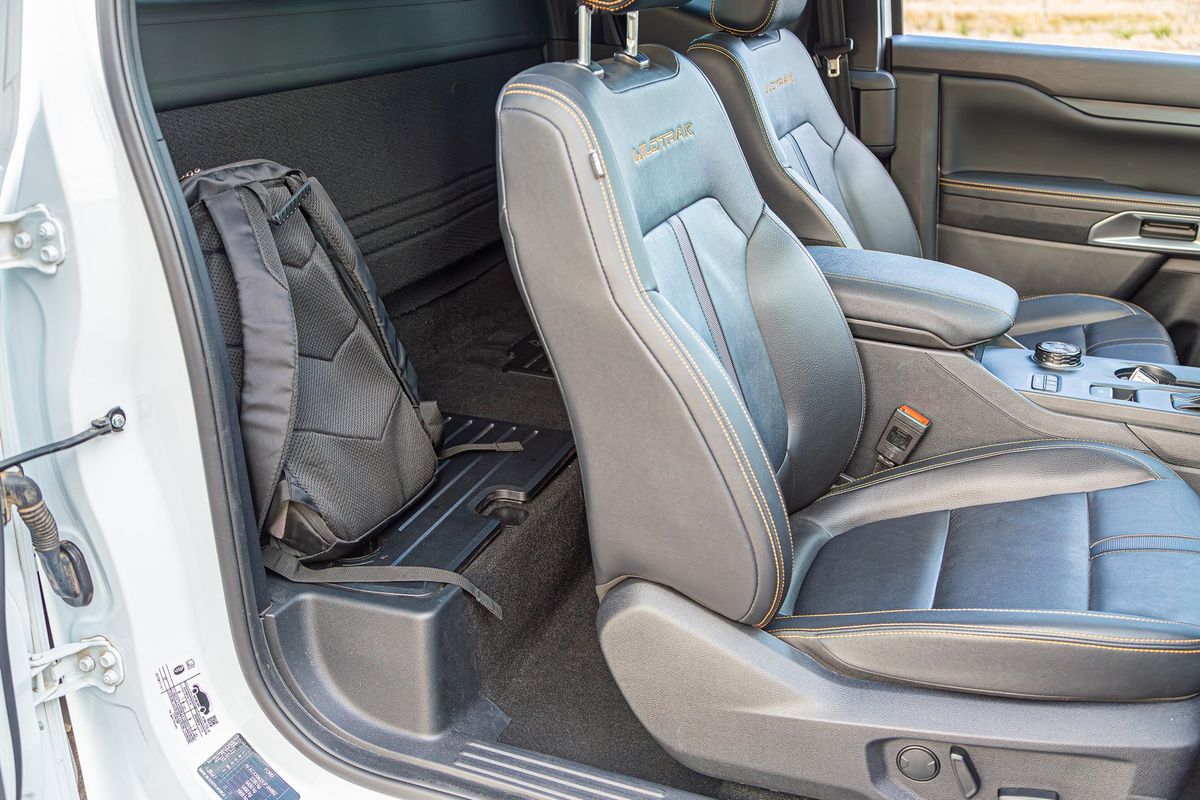
There are 2 neat storage bins: the one contains the vehicle’s jack and warning triangle, while the other is ready for your valuables. This author, for example, stored his camera gear and fishing tackle in the latter.
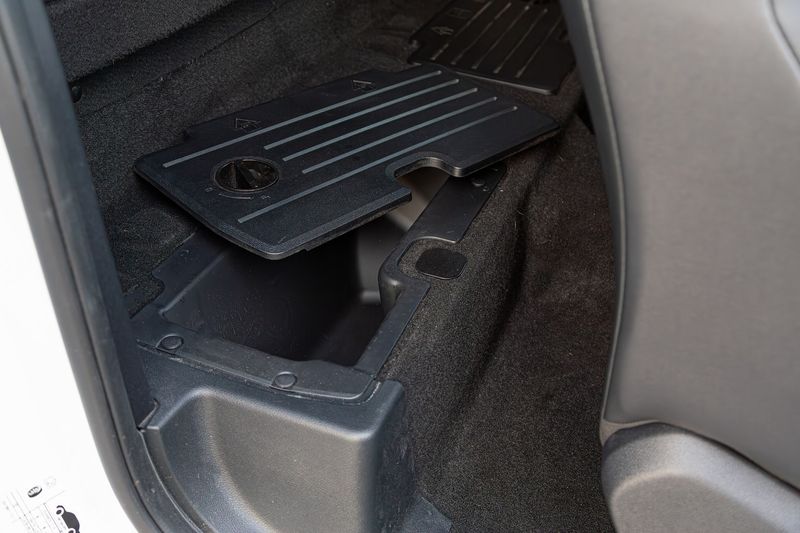
Even if you don’t use those bins, the area directly above them can hold quite a lot of incidental luggage too (it’s a perfect space to stack shopping- or work bags). Our fear of falling victim to a smash-and-grab incident was greatly reduced because the rear doors have tinted windows – there’s no way to see inside.
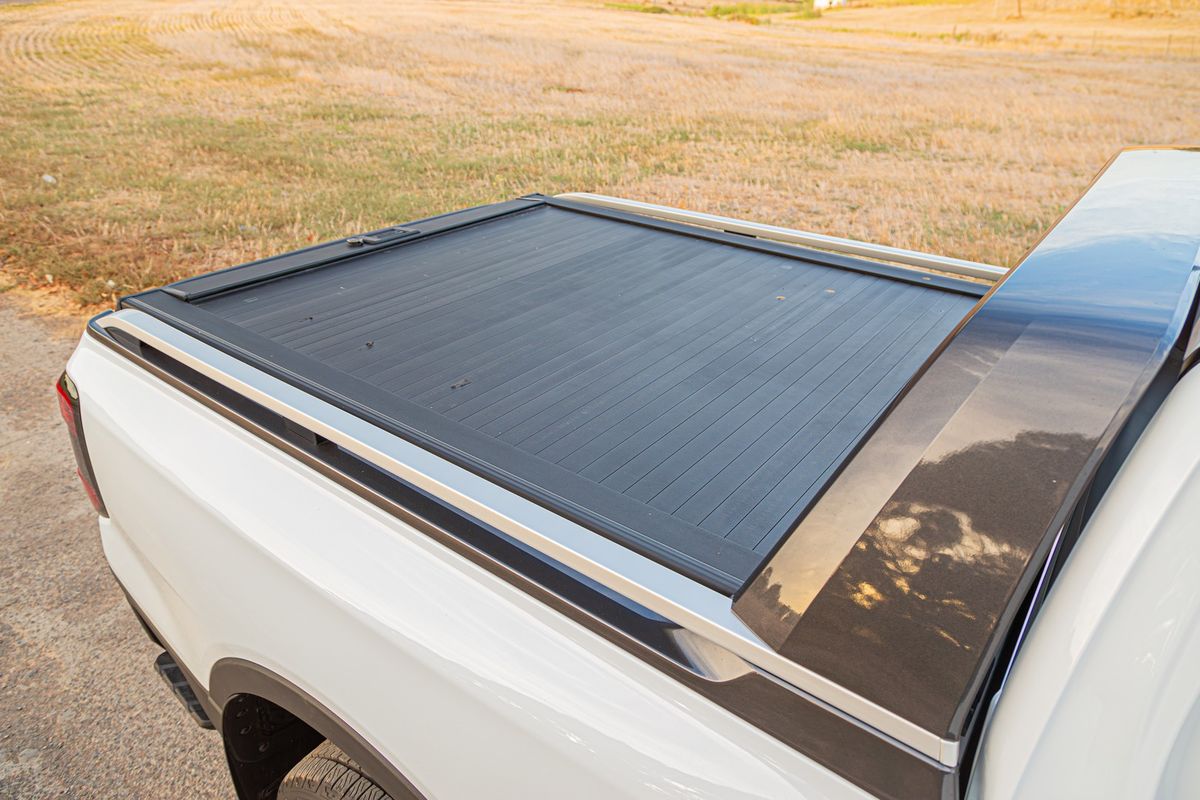
The 2.0 BiTurbo SuperCab Wildtrak 4×4 comes with a plastic-lined load tub fitted with clever C-clamp mounting points, an integrated ruler and a 400W inverter (with 12V and 240V plug points). If you’d like to secure larger cargo, Ford offers its Cargo Management System, which comprises an internal rail with spring-loaded, adjustable cleats on either side of the load tub, for an additional R2 910 (March 2024).
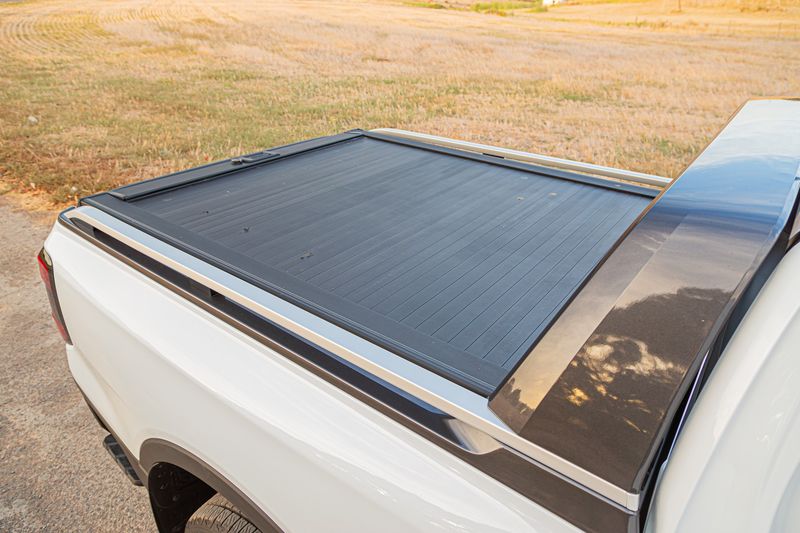
Our test unit came accessorised with a neat roller door that hid the load tub’s contents from prying eyes.
Performance and Efficiency
The flagship variant of the Ranger SuperCab needs a muscular engine to match its bold image but, even though this body style is unavailable with a brawny V6 (that motor is reserved for the headlining double-cab derivatives), the 2.0-litre 4-cylinder bi-turbodiesel engine is more than up to the task. With outputs of 154 kW and 500 Nm, the test unit dashed from 0 to 100 kph in 9.58 sec (according to our Dragy app).
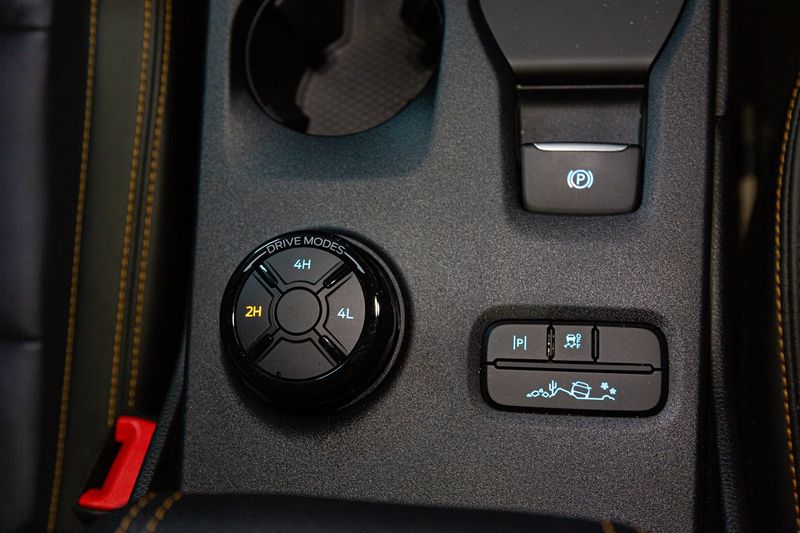
The 2.0 BiTurbo SuperCab Wildtrak 4×4 has a 10-speed automatic transmission that drives the rear wheels by default. If you turn the dial on the centre tunnel to 4H, you activate 4-wheel-drive and when off-road conditions get truly challenging, you can call on 4L (low range) and even a diff-lock. To engage the latter, you must select its function in the touchscreen menu (the same goes for hill descent control).
During the test, the auto ‘box tended to shift tardily around town at lower speeds (it seemed to hesitate) and some downshifts weren’t smooth, but the ‘changes improved markedly at freeway/cruising speeds.
As for the bakkie’s performance in cut-and-thrust driving conditions, it showed no shortage of grunt on the open road. Those 500 Newtons (from 1 750 rpm) came in very handy when overtaking slower traffic.
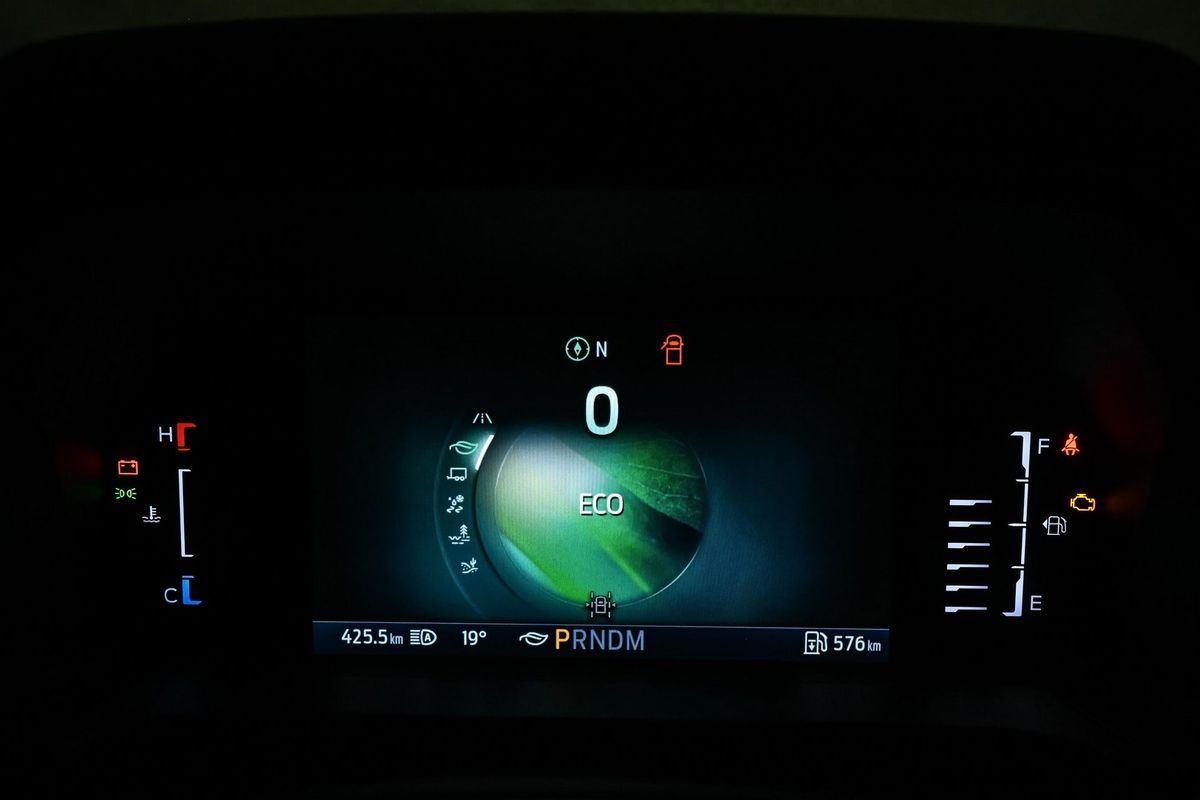
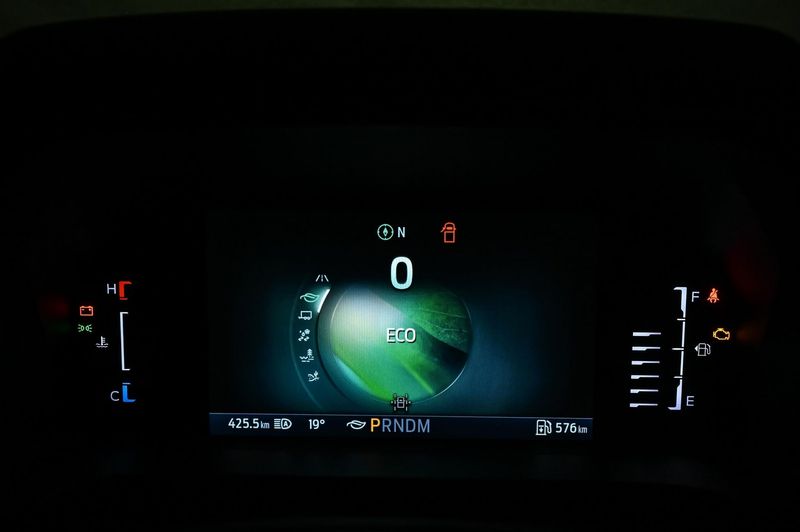
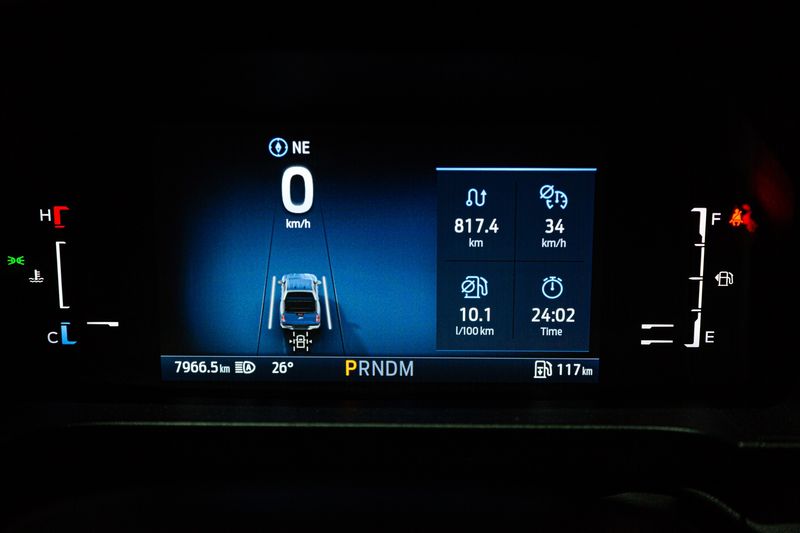
There are various drive modes, including Eco, which adjusts the powertrain to optimise fuel economy. With its 80-litre fuel tank, the 2.0 BiTurbo Wildtrak 4×4 has an estimated range of just over 1 000 km, but during its tenure in our test fleet, the SuperCab proved thirstier than expected. It indicated an average fuel consumption of 10.1 L/100 km, which was notably higher than its claimed figure (7.5 L/100 km).
Ride and Handling
While there’s not much of a kerb weight difference between this derivative and its double-cab equivalent (2 285 kg vs 2 334 kg), the SuperCab’s handling felt a little shaper (or less lumbering) by comparison, but the laws of physics still apply… This is a ladder-frame-based bakkie; it’s no corner-carving machine!
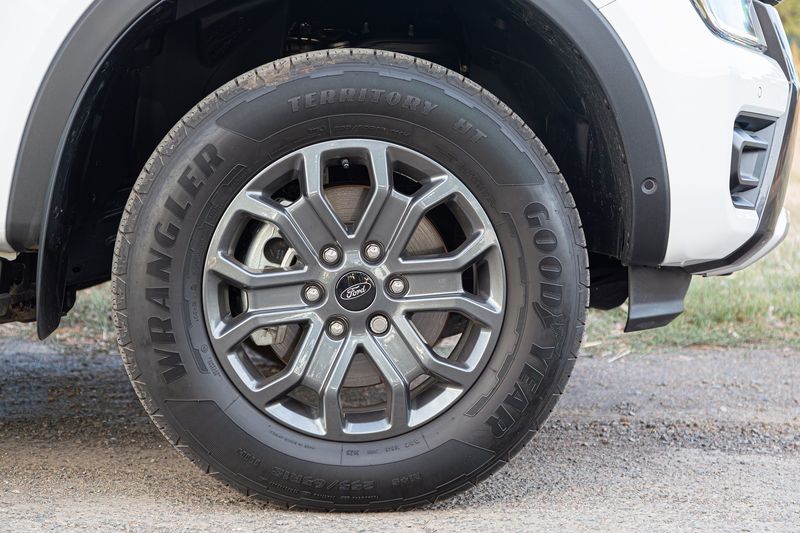
Our test unit came with its 18-inch alloy wheels wrapped in 255/65 all-terrain tyres (R2 180 to specify those), but Ford also offers eye-catching 20-inch aluminium wheels (R7 600) if you want maximum visual impact, even at the expense of some all-terrain ability (you wouldn’t want to damage those rims).
If off-roading is your passion, opt for the former. The plumper tyre offers a softer ride quality and despite it being a 4×4 tyre, road noise was minimal, which speaks volumes for the cabin’s noise suppression.
Like virtually all body-on-frame vehicles, the SuperCab’s ride quality is inconsistent. First, the bad news: when its load tub is unladen, the SuperCab rides nervously when it traverses bumps or dips in the road. When travelling on a poorly maintained road, such as one that’s been wrinkled by tree roots underneath it, the Ranger’s suspension feels unsettled, but that remark isn’t meant as an indictment of this particular model – to reiterate, most double-cab bakkie are afflicted by that characteristic to some degree.
The good news is that in terms of overall road manners, the Ranger offers the most resolved, reasonably pliant ride quality in its class. When cruising on the open road, it absorbs road imperfections adroitly.
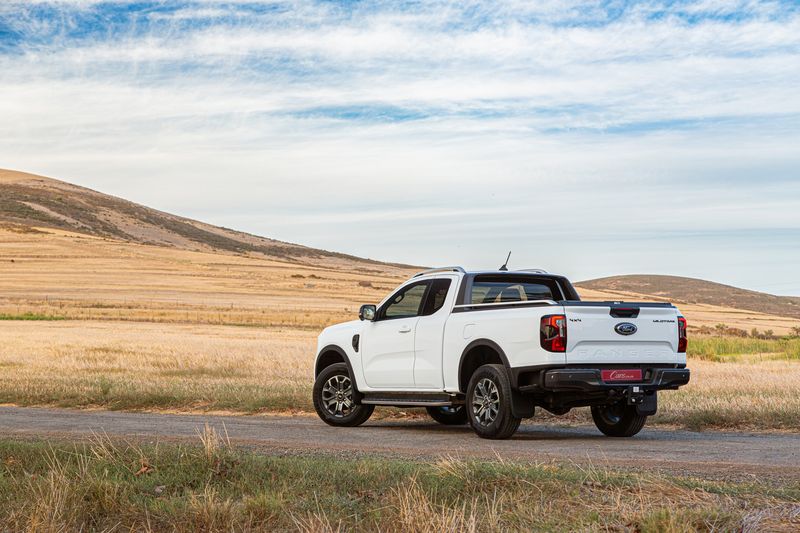
Of course, the compromise that a body-on-frame setup demands in terms of on-road refinement is made up for by added strength, rigidity and 4×4 capability when negotiating an off-road route or course.
What’s more, the Ranger has an arsenal of off-road drive modes, a low-range transfer case, 237 mm ground clearance, as well as an impressive 800-mm wading ability. We have considerable experience testing derivatives of the current Ranger model in off-road conditions, such as during the test days of the 2023/24 CarsAwards programme at the Gerotek last year; we remain impressed with its 4×4-ing talents.
Comfort and Features
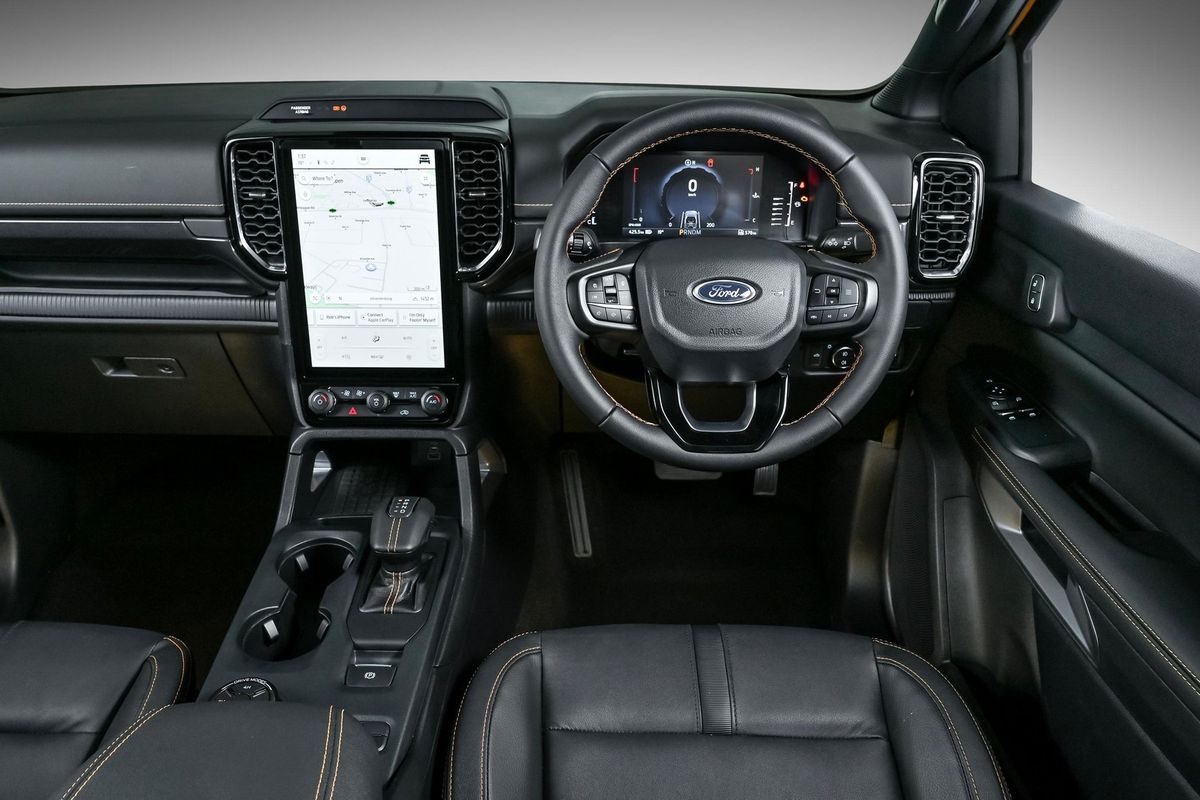
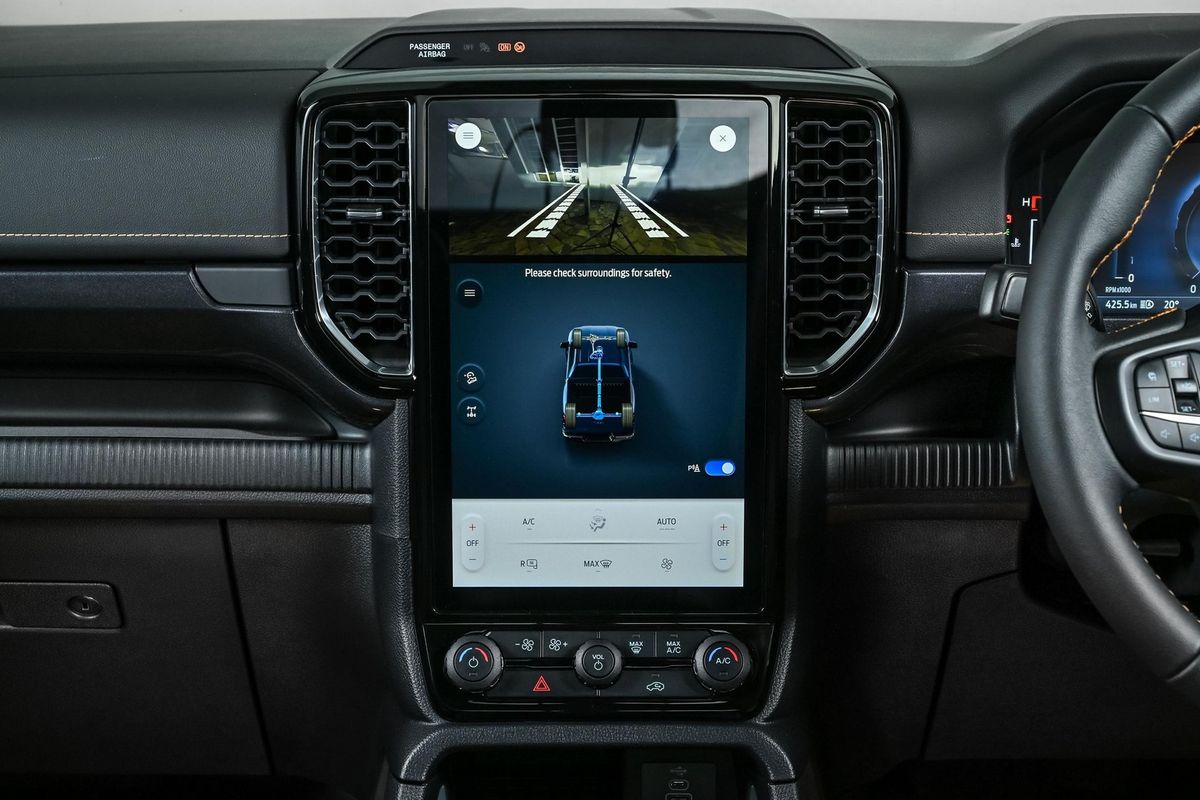
When you climb inside the SuperCab, the bakkie instantly delivers a class-leading in-car experience; most other bakkies’ cabins feel ancient in comparison to the Ranger’s state-of-the-art cockpit. The headline act is, of course, that portrait-orientated infotainment screen powered by Sync4A software.
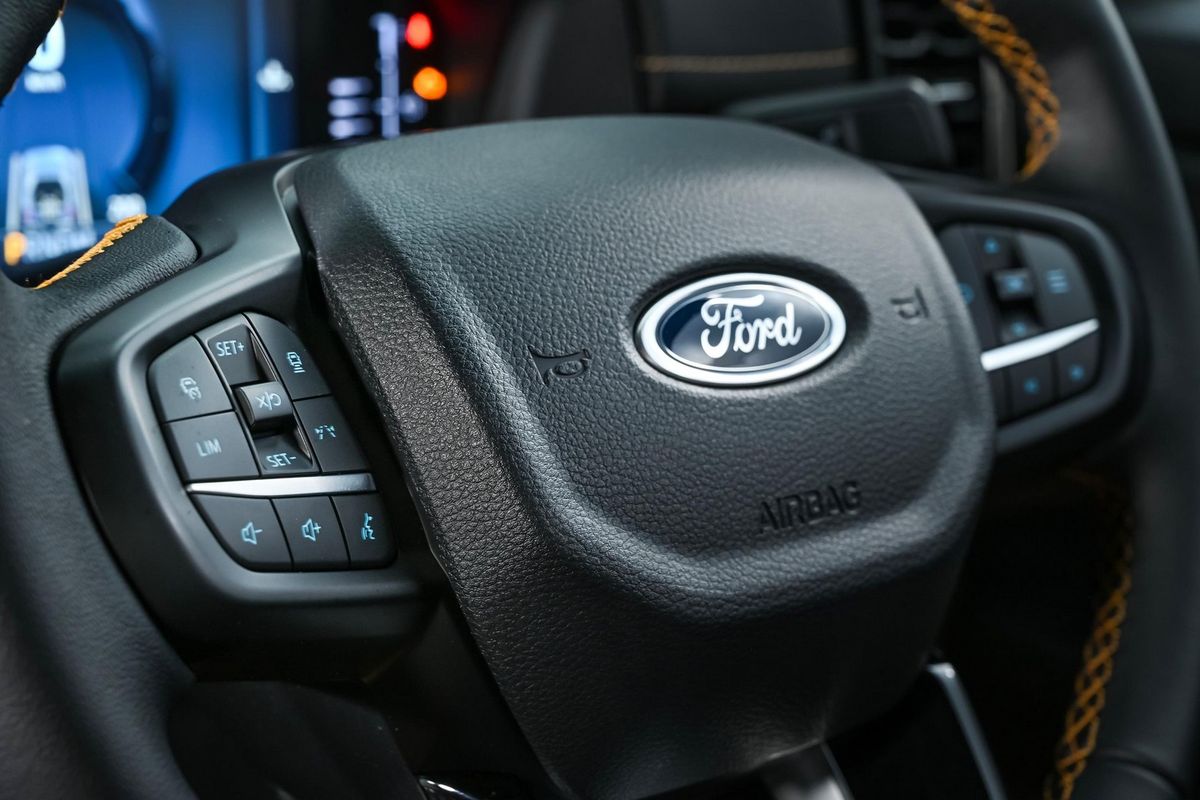
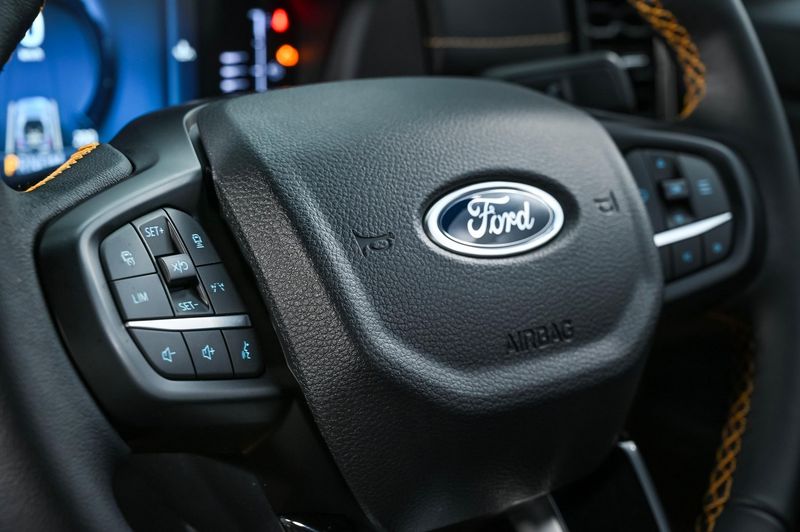
Not only does it boast impressive resolution, but its voice control functionality is some of the best, and the integration with Apple CarPlay and Android Auto is pretty slick. We also appreciated the smartly finished multifunction ‘wheel and the digital instrument cluster – they befit a flagship Ranger offering.
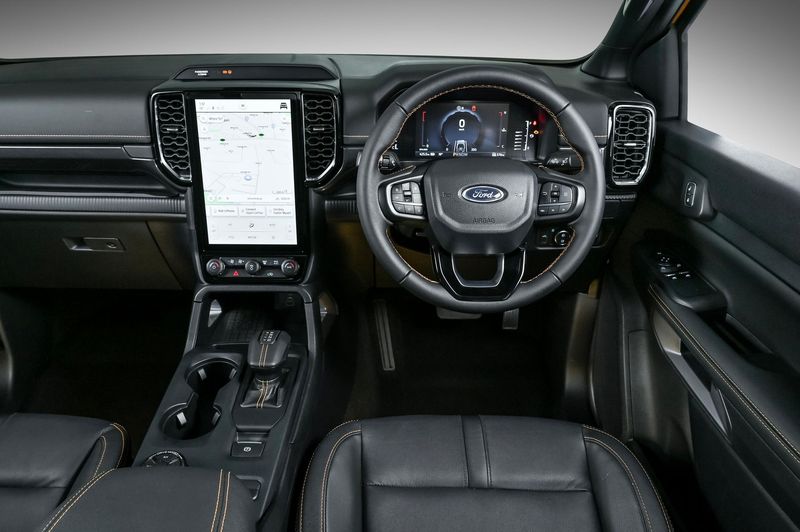
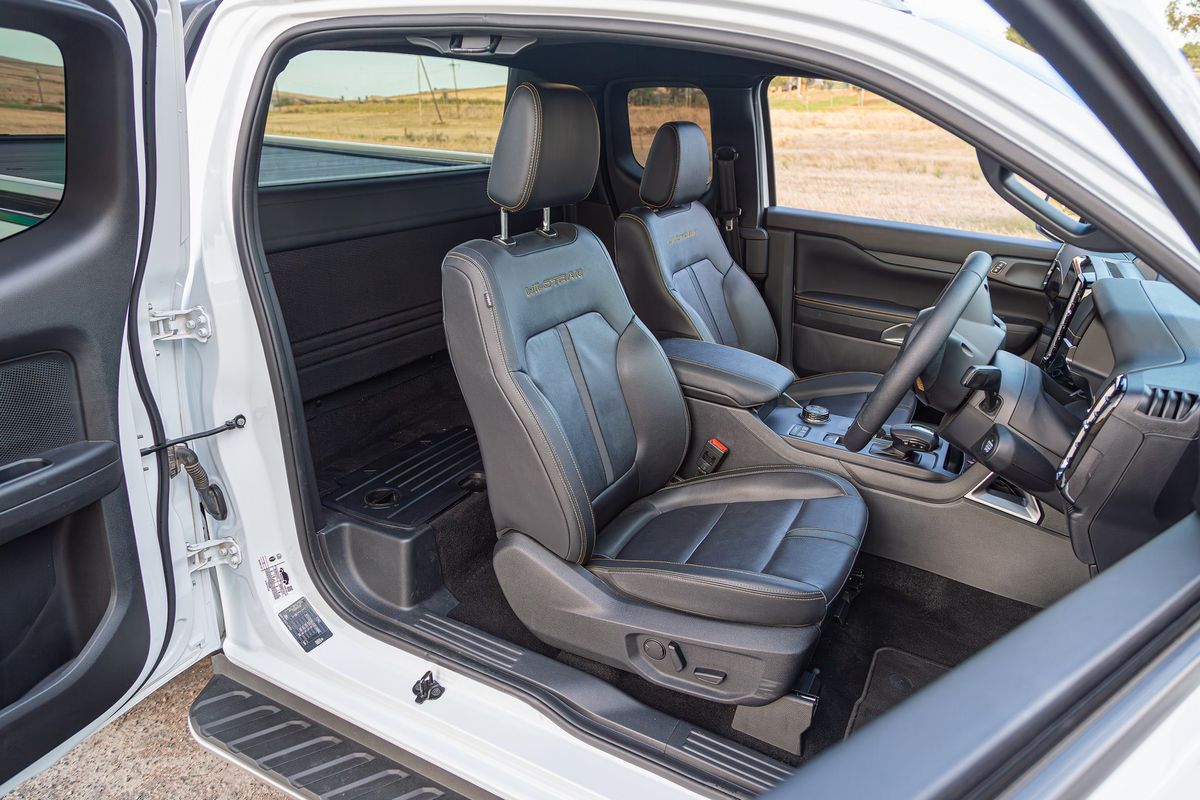
There’s a sporty theme to the leather-trimmed cabin, which stands out for its durable – yet nonetheless upmarket-feeling – build quality. The Wildtrak designation is stitched into the seats and you cannot miss the orange stitching on the steering wheel rim, seat edges and the transmission lever knob and -boot.

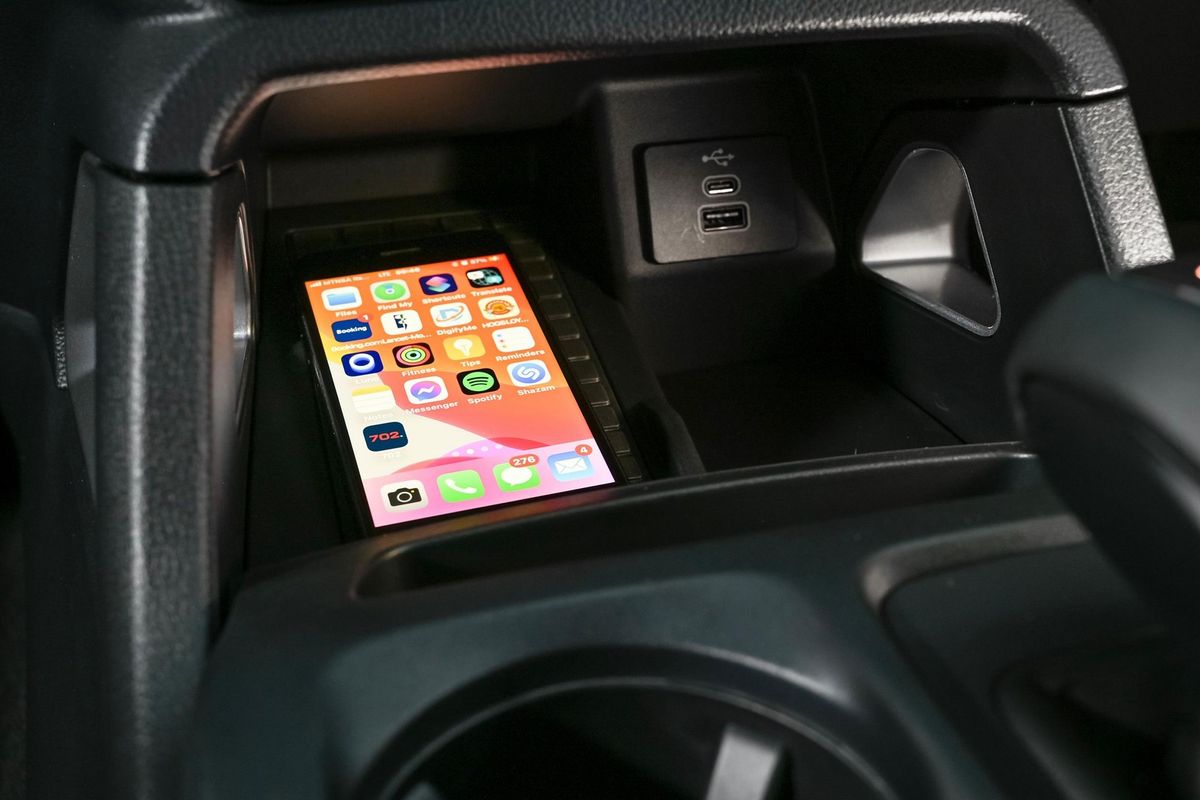
We’re also big fans of Ford’s focus on practicality and an intuitive user experience. The wireless charging pad, for example, is positioned neatly away from prying eyes (ahead of the transmission tunnel, beneath the fascia), while USB-A and USB-C charging ports are also conveniently positioned. The door handles are neatly integrated into the armrests and, you can open a door with one smooth motion of the hand.
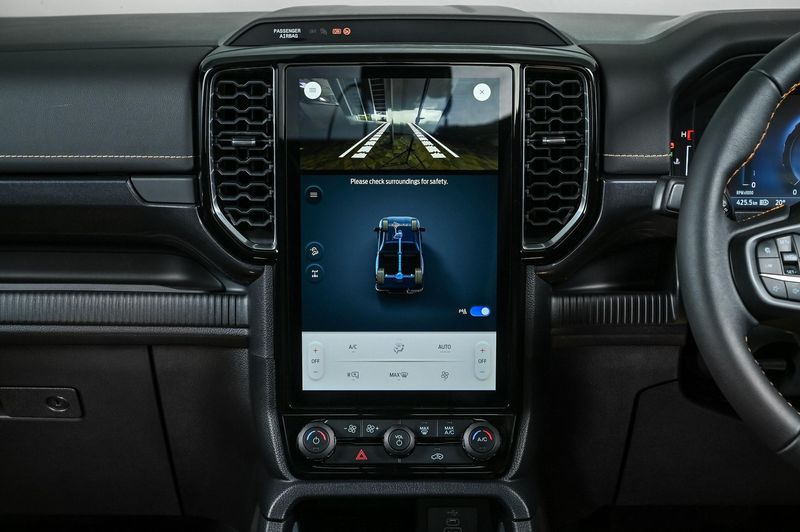
At this price level, buyers will expect the Ranger to be fitted with numerous semi-autonomous safety features and it is: emergency automatic braking, lane-keeping assist and adaptive cruise control are standard and a 360-degree camera system makes parking manoeuvres in tight spaces much easier.
What’s more, 7 airbags (front-, side-, curtain and driver knee ‘bags), ABS, dynamic stability- and trailer- sway control are fitted; for the record, the Ranger scored 5 stars in the 2022 Euro NCAP safety test.
Ford Ranger SuperCab price and After-sales support
Ford offers the Ranger SuperCab in manual and automatic, 4×2 and 4×4 and numerous trim levels. The range’s prices start from R504 900 and go up to R788 300 for the 2.0 BiTurbo SuperCab Wildtrak 4×4.
The SuperCab ships with a 4-year/120 000 km warranty, 4-year/unlimited km roadside assistance and a 5-year/unlimited km corrosion warranty. The recommended service interval is every 15 000 km/annually, whichever occurs first, but note that, unlike its rivals, the Ford doesn’t come with a standard service plan.
Instead, Ford Ranger SuperCab customers can purchase service- or maintenance plans that are valid for up to 8 years or 165 000 km. The warranty can be extended to (up to) 7 years or 200 000 km.
Verdict
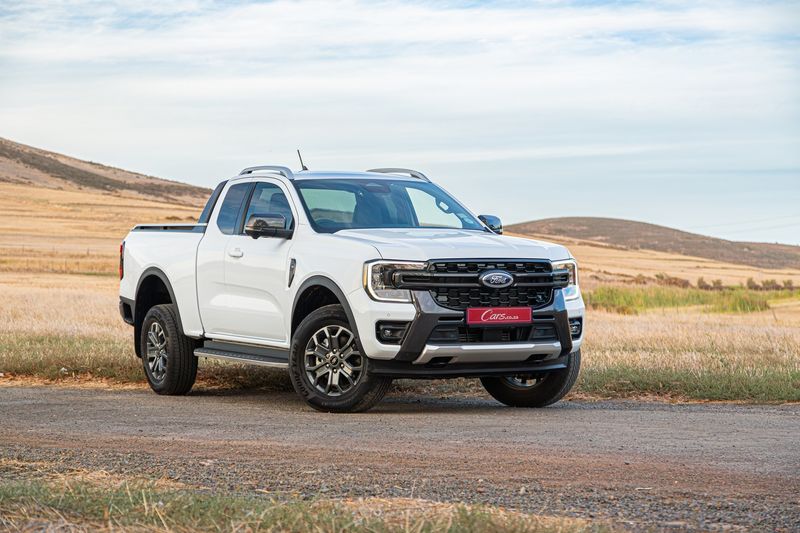
We thoroughly enjoyed our time with the SuperCab variant of the Ford Ranger. While most prospective buyers will aspire to buy the top-of-line double-cab derivatives, those bakkies are not within everyone’s purchasing power. However, the SuperCab Wildtrak is over R135k cheaper than its double-cab sibling.
Also, unlike a double cab, if the SuperCab is procured to serve a VAT-registered small business, for example, that company can claim back the value-added tax in the bakkie’s purchase price AND deduct at least a part (if not all) of the vehicle’s depreciation against income tax over a period (such as 3 years).
Beyond being a more user-friendly source of daily transport than a single-cab light commercial vehicle – the SuperCab Wildtrak comes equipped with the luxury appointments of a desirable lifestyle vehicle.
Should you buy one? If your budget can’t stretch to a new double-cab and you don’t have offspring to cart around, a Ranger SuperCab does make a lot of sense. Apart from its clever storage system behind the seats (where there’s more space than you’d expect), the Ford is a highly accomplished offering.
David Taylor

Having contributed to multiple motoring titles as well helping run the public relations machine of the Johannesburg International Motor Show, Dave has experience in both sides of the motoring industry. He's based in the Western Cape and is responsible for the performance testing, photography & weekly YouTube news for Cars.co.za.