The Changan Hunter Double-Cab competes in South Africa wearing an aggressive price tag and boasting a generous features list. But is that enough in such a crowded market rich with talent (and value)?
We like: Long features list, feels very rugged and well built, good warranty.
We don’t like: Lack of Apple CarPlay/Android Auto, runs out of puff at near the speed limit.
FAST FACTS
- Model: 2026 Changan Hunter 2.0TD Double-Cab 4×4 CE
- Price: R569 900
- Engine: 1.9-litre turbodiesel
- Transmission: 6-speed automatic
- Power / Torque: 110 kW/350 Nm
- Claimed fuel consumption: 9.1 L/100 km
- 0-100kph: 13.37 second (tested)
Where does the Changan Hunter 2.0TD Double-Cab CE 4×4 fit in?
Given the popularity of high-spec double-cab bakkies in South Africa, it makes sense that brands with such a product in their arsenal make these vehicles available in South Africa. The upshot for the public is that the fierce competition results in greater choice and aggressive pricing. It is particularly true for newcomers hoping to make a mark, and Changan is no different in that regard.
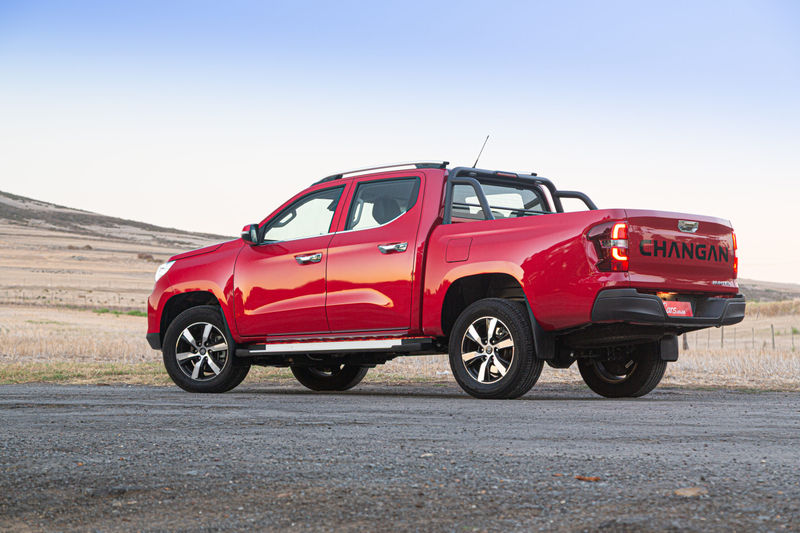
In a sense, however, the Hunter is perhaps not entirely “new” to the local market. It’s closely related to the Peugeot Landtrek and has been on sale in various global markets since 2019. At R569 900 in this range-topping (barring the REEV derivative) CE 4×4 Auto trim, it’s one of the most keenly priced automatic four-wheel-drive double cabs you can buy new in South Africa right now. In fact, the most affordable “mainstream” offering with four-wheel drive, an automatic transmission and reasonably luxurious specification (from Isuzu) is around R135 000 more!
We recently spent a considerable amount of time behind the wheel of this particular Hunter derivative – enough time to drive it in town, on the highway, and onto some genuinely demanding rocky off-road terrain. Impressions were, frankly, more positive than we had anticipated, but upon closer inspection of the vehicle’s positioning, and the offerings available around a similar price point, the Hunter’s value proposition is perhaps not as clearcut.
Compare the Changan Hunter to the GWM P300 and Isuzu D-Max 1.9 using our Comparison Tool
How the Changan Hunter 2.0TD Double-Cab 4×4 CE fares in terms of…
Design, Packaging & Features
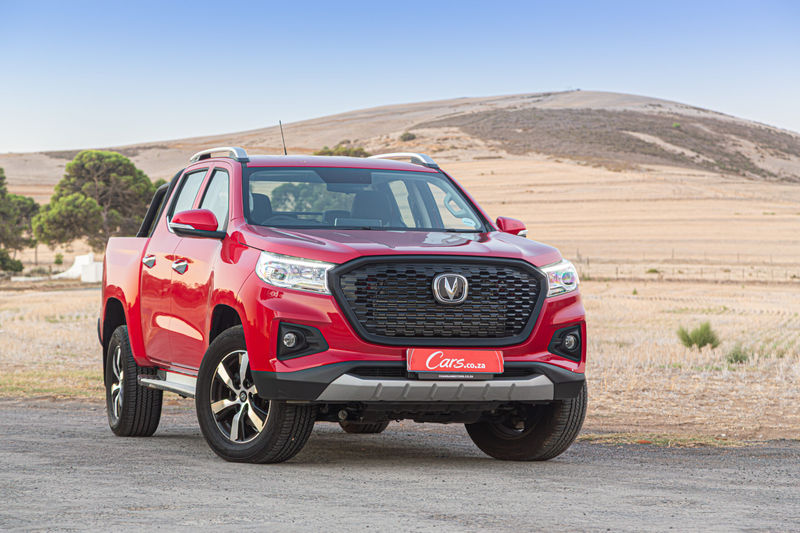
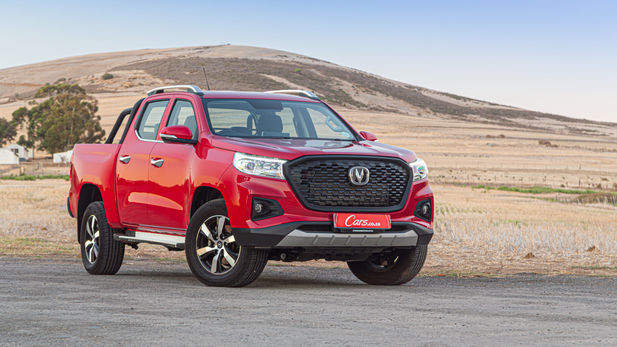
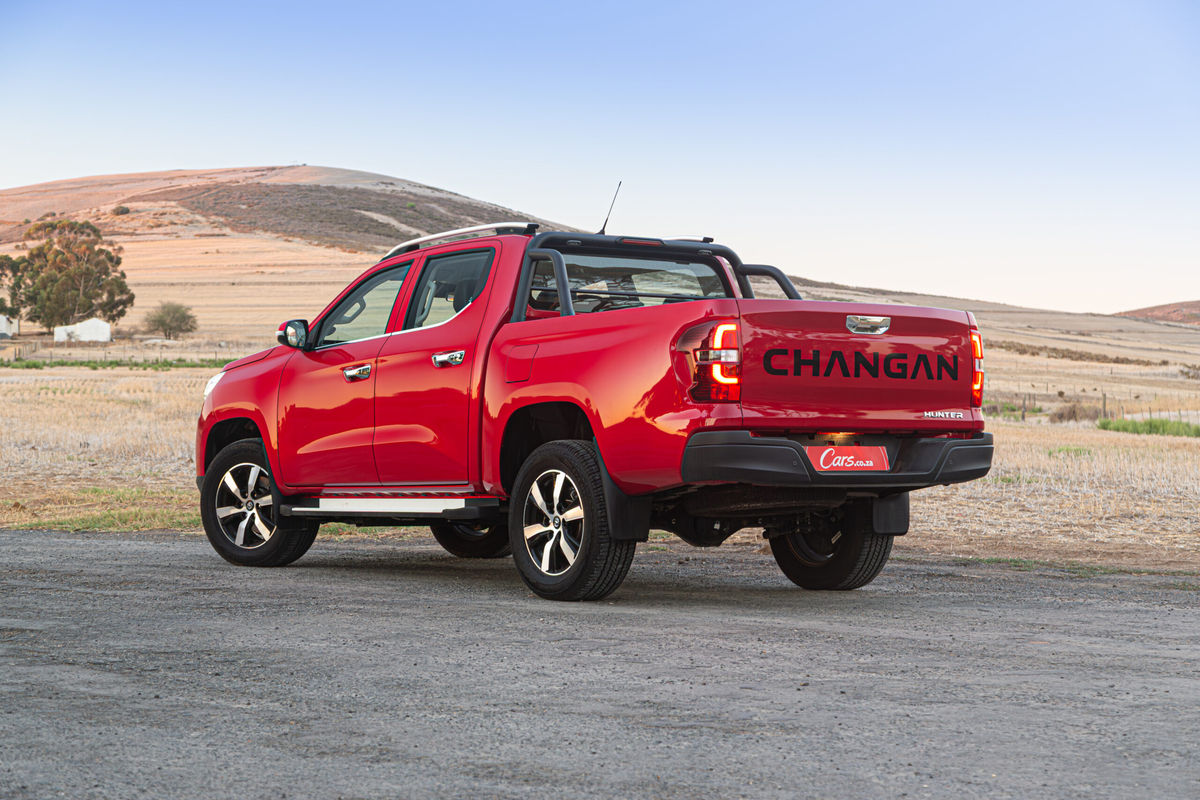
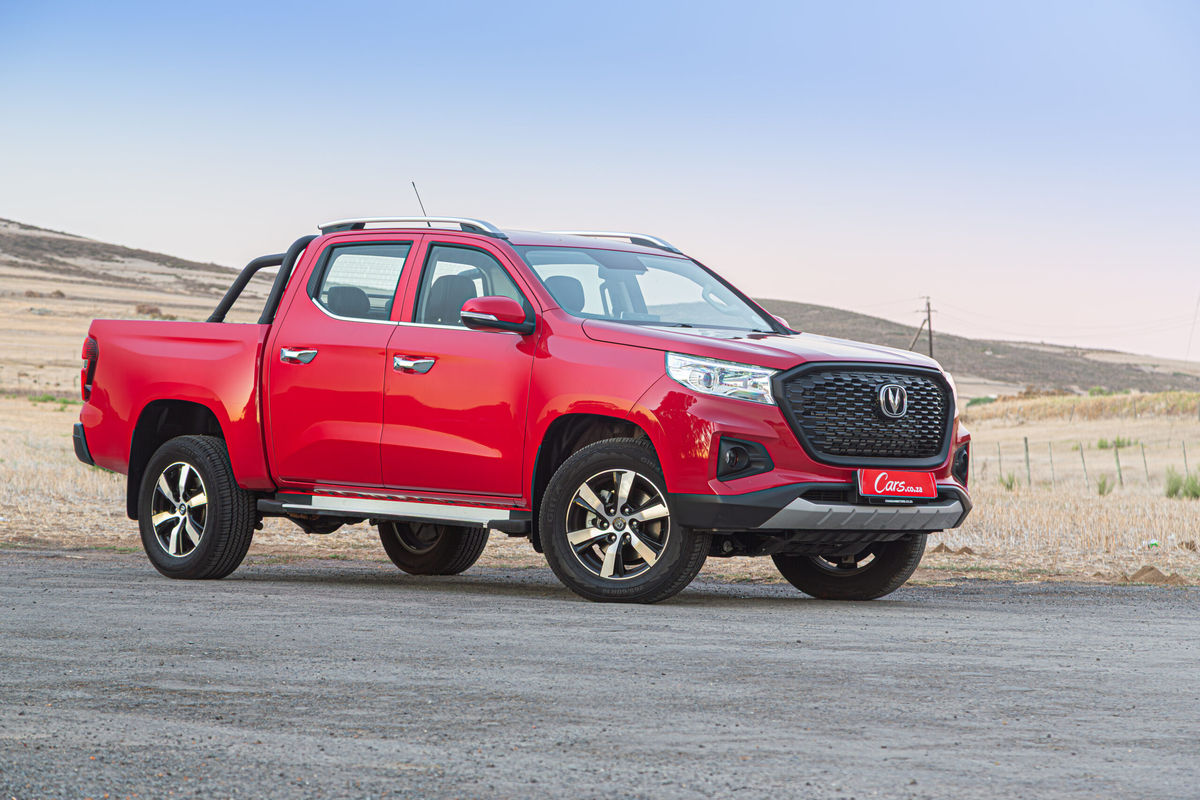
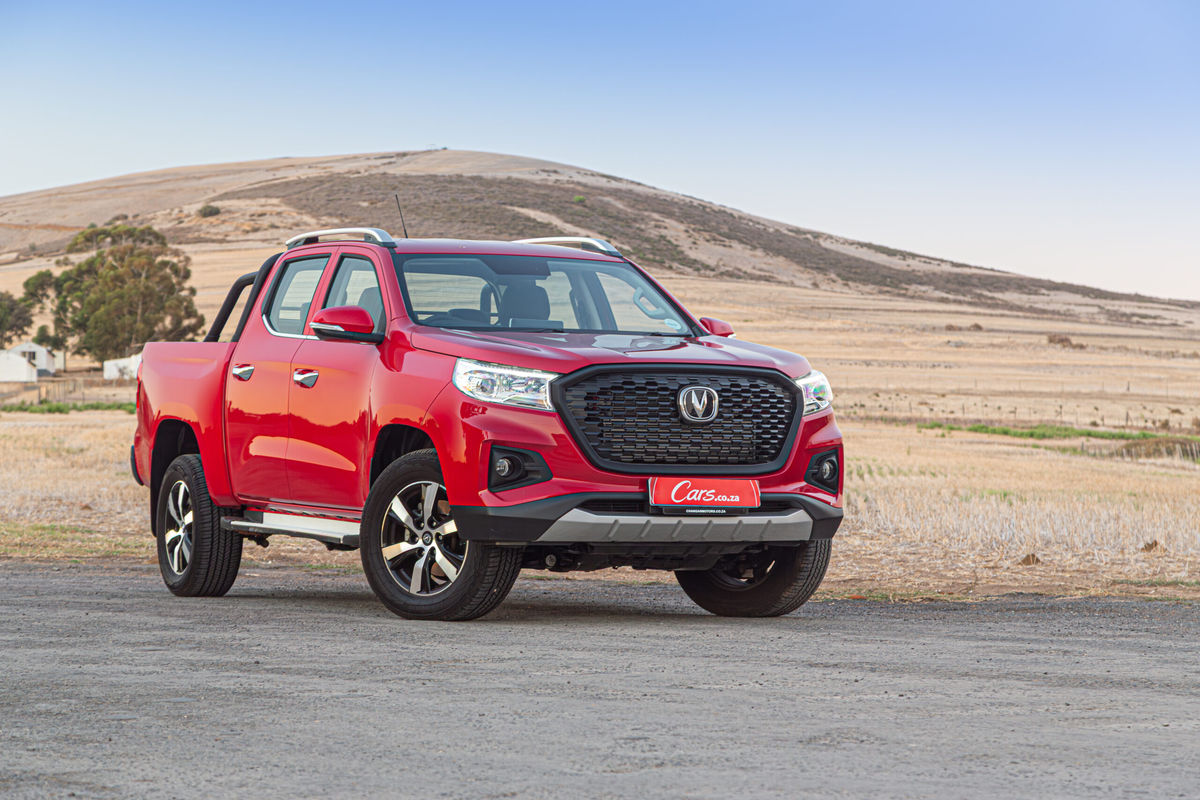
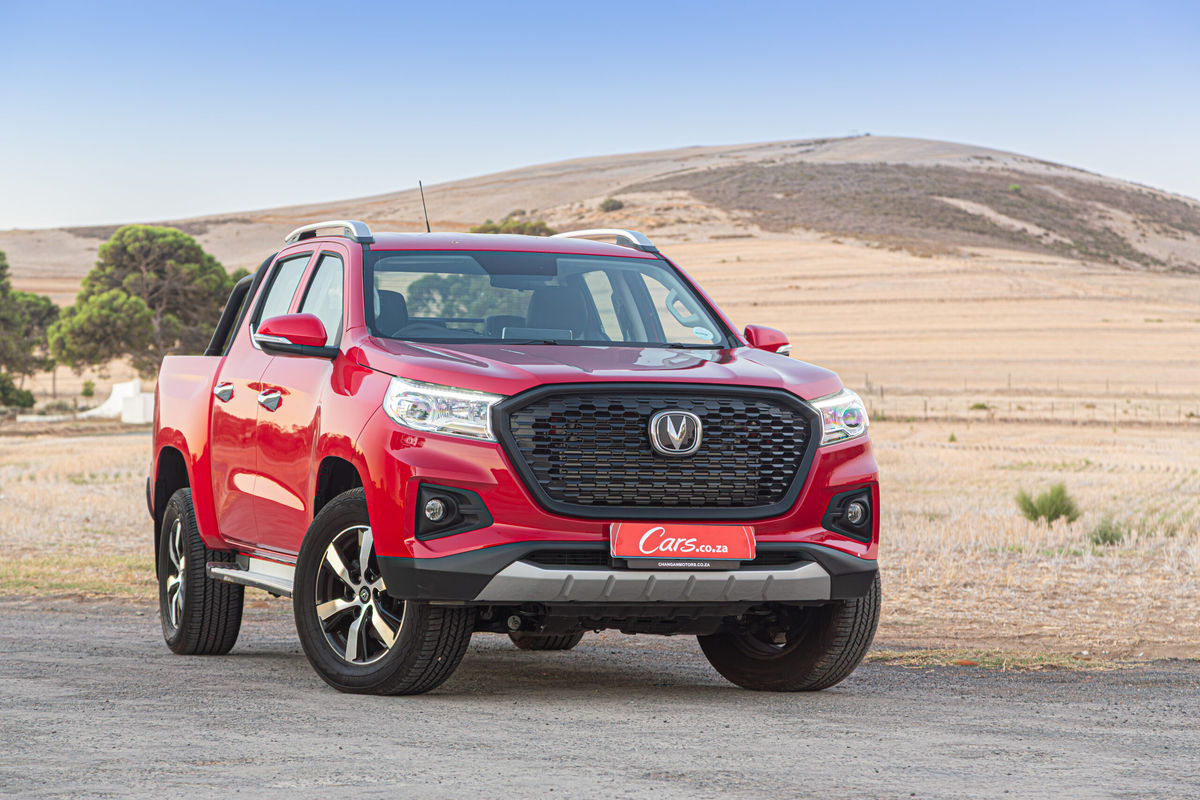
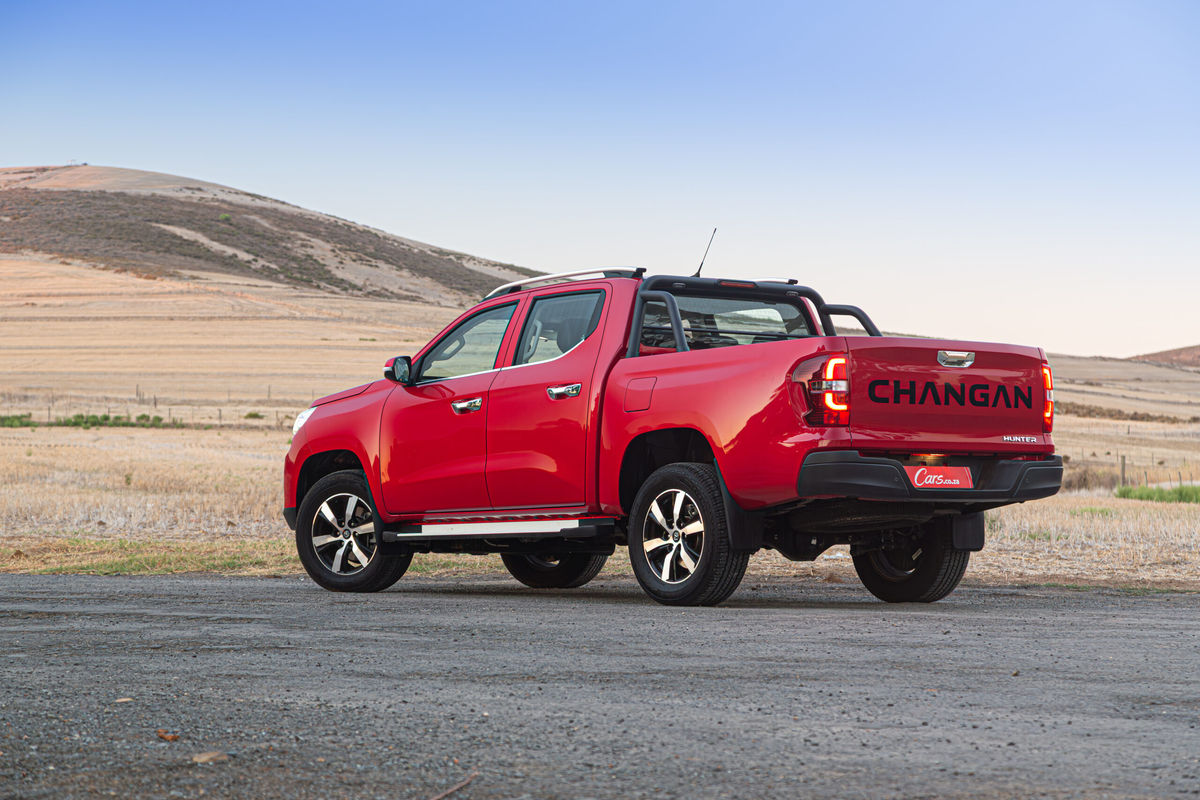
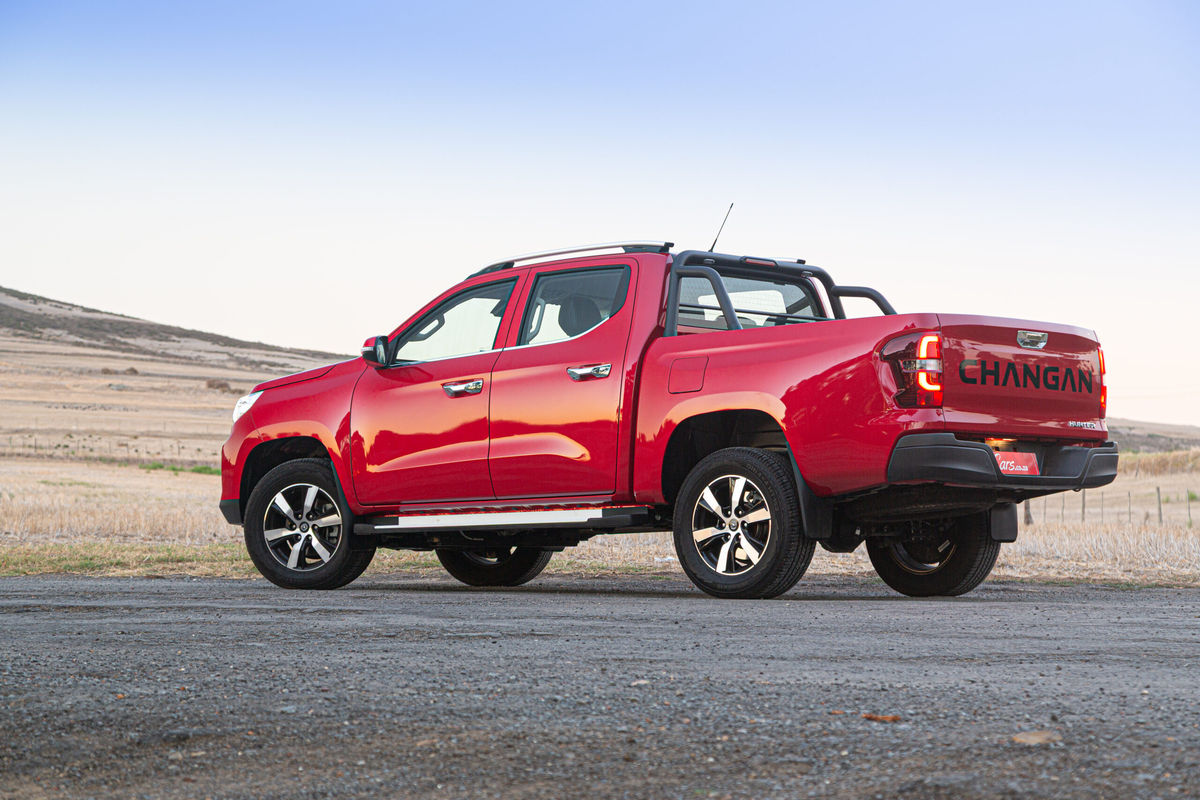
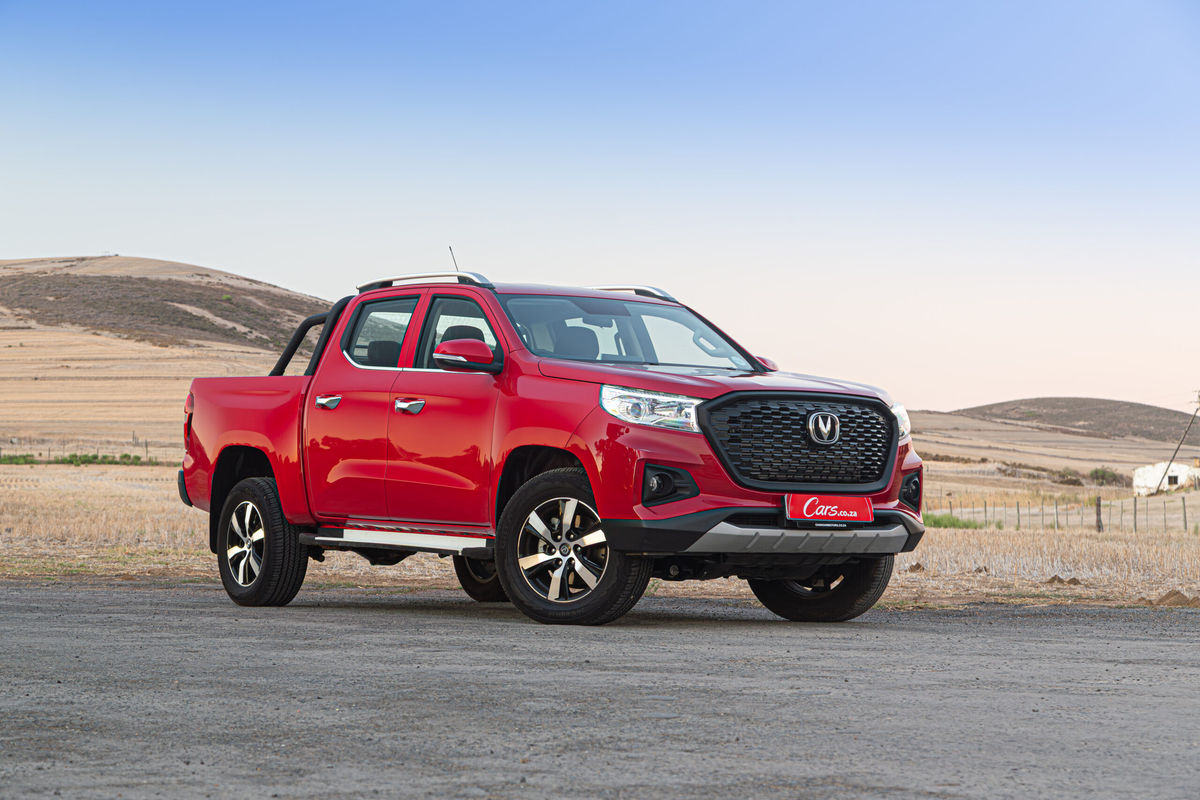
Our test unit was finished in an upmarket metallic red colour, which contrasted nicely with its chrome and blacked-out sections. The oversized grille is likely to be a talking point, but the rest of the design is pretty conservative and also to some extent reflects the vehicle’s design age.
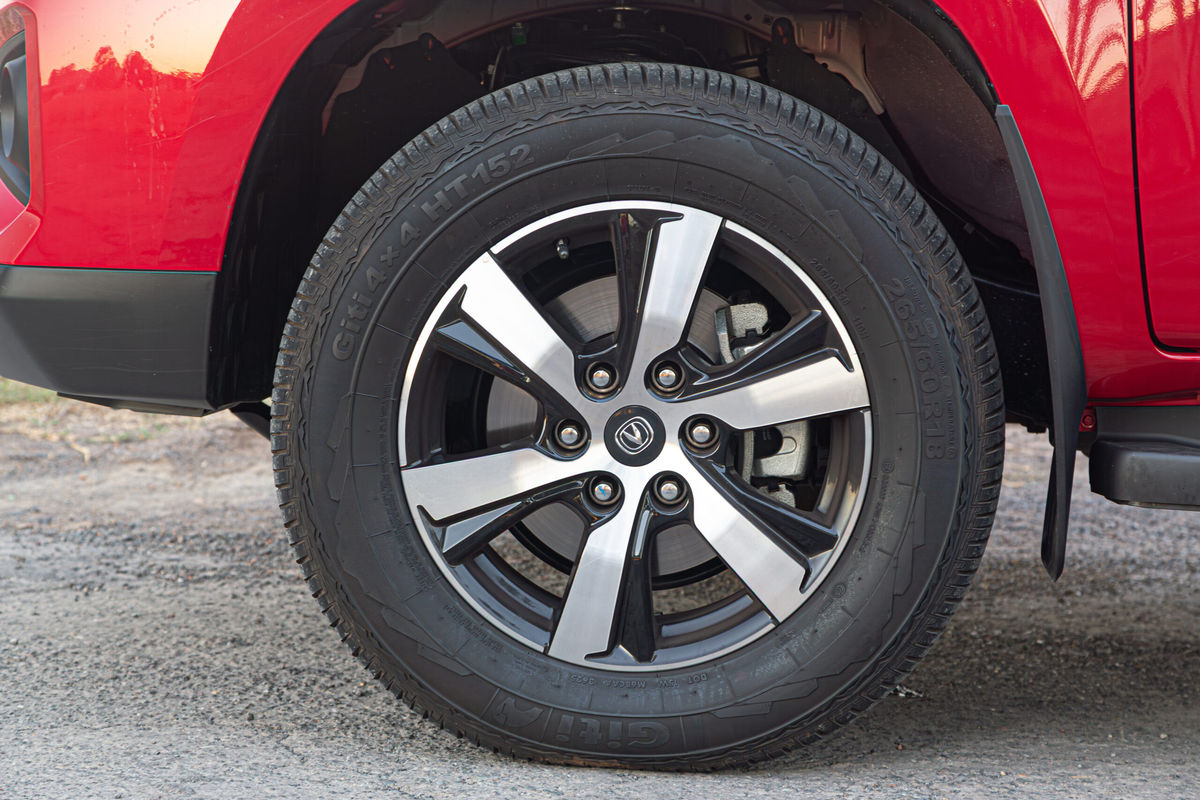
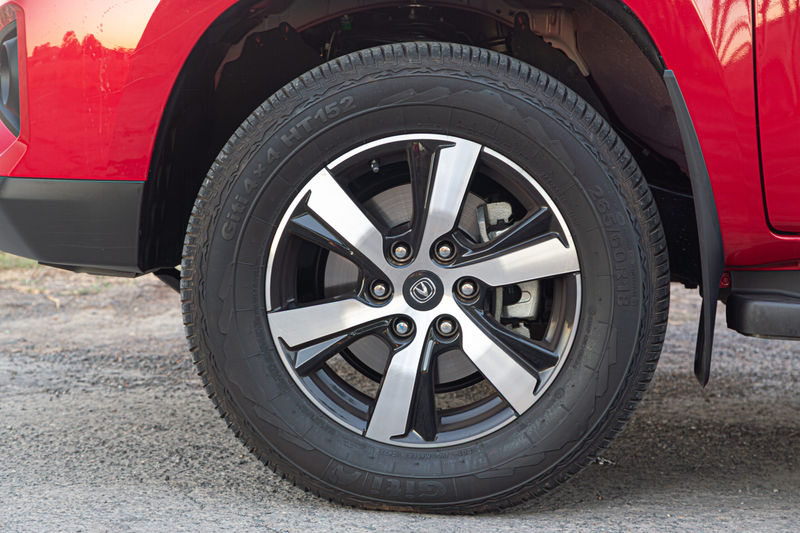
The 18-inch alloy wheels fill the arches well, and the chrome door handles, side steps and roof rails round off a package that looks considerably more expensive than it is. If there is a gripe with the exterior styling, it is the large “CHANGAN” stickering across the tailgate. It’s outdated and a bit “agricultural”.
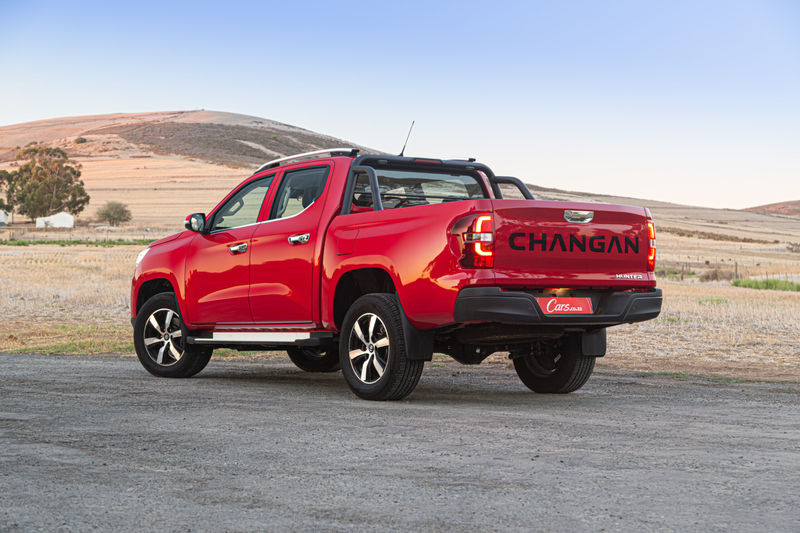
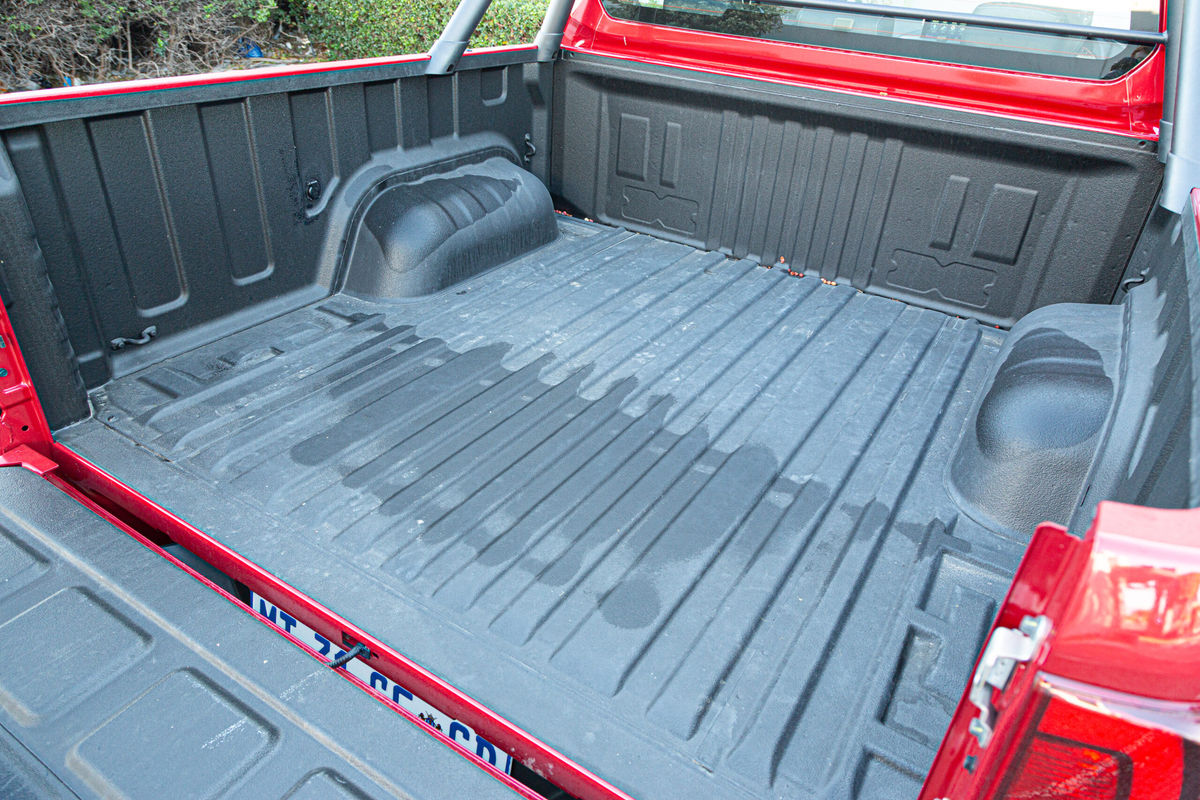
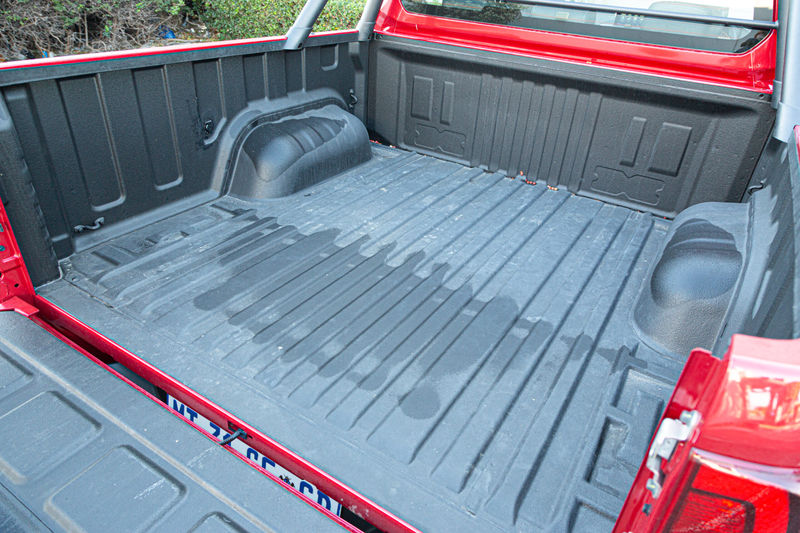
Size-wise, the Hunter fits somewhere between a GWM P300 and Isuzu D-Max. It is actually longer than the Isuzu in terms of both wheelbase and overall length. Its load bay can carry a tonne and our test unit featured a neat lining to protect the paint from scuffing. You’ll also find a 12 V power outlet in the load bay, in addition to cargo-bay lighting, which proved genuinely useful during our test period.
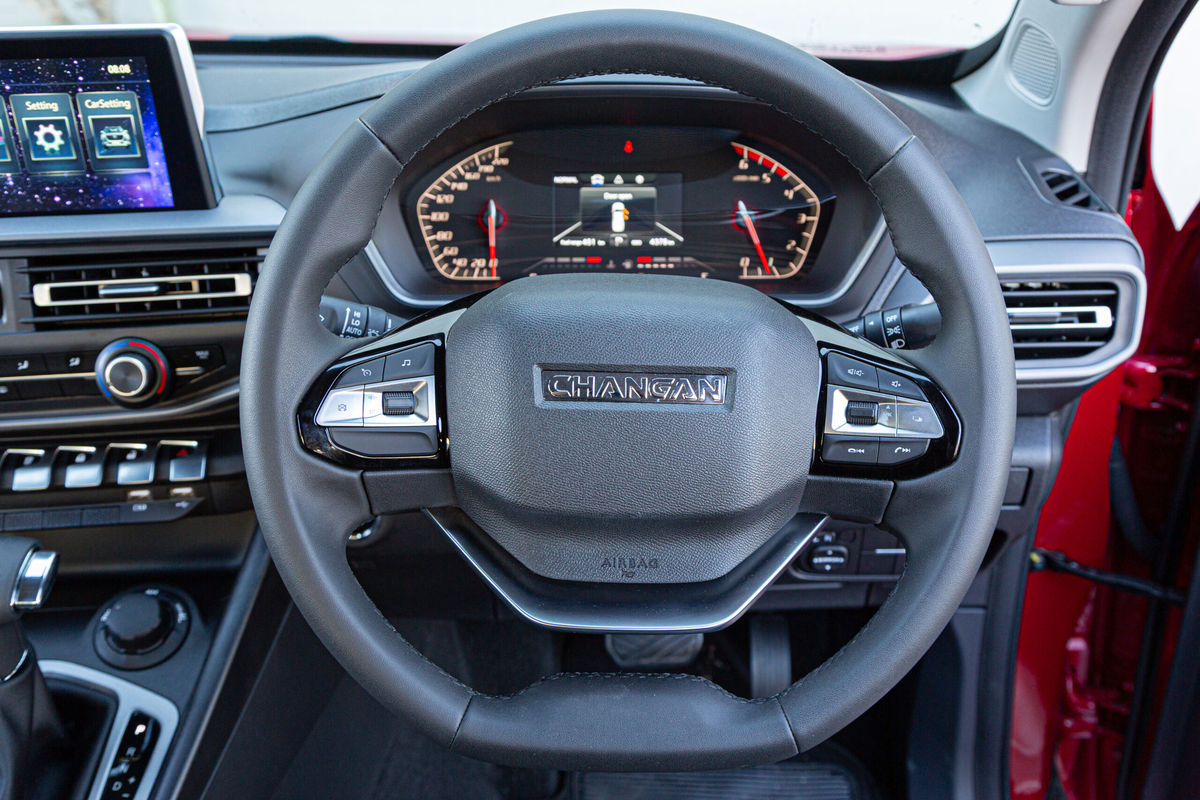
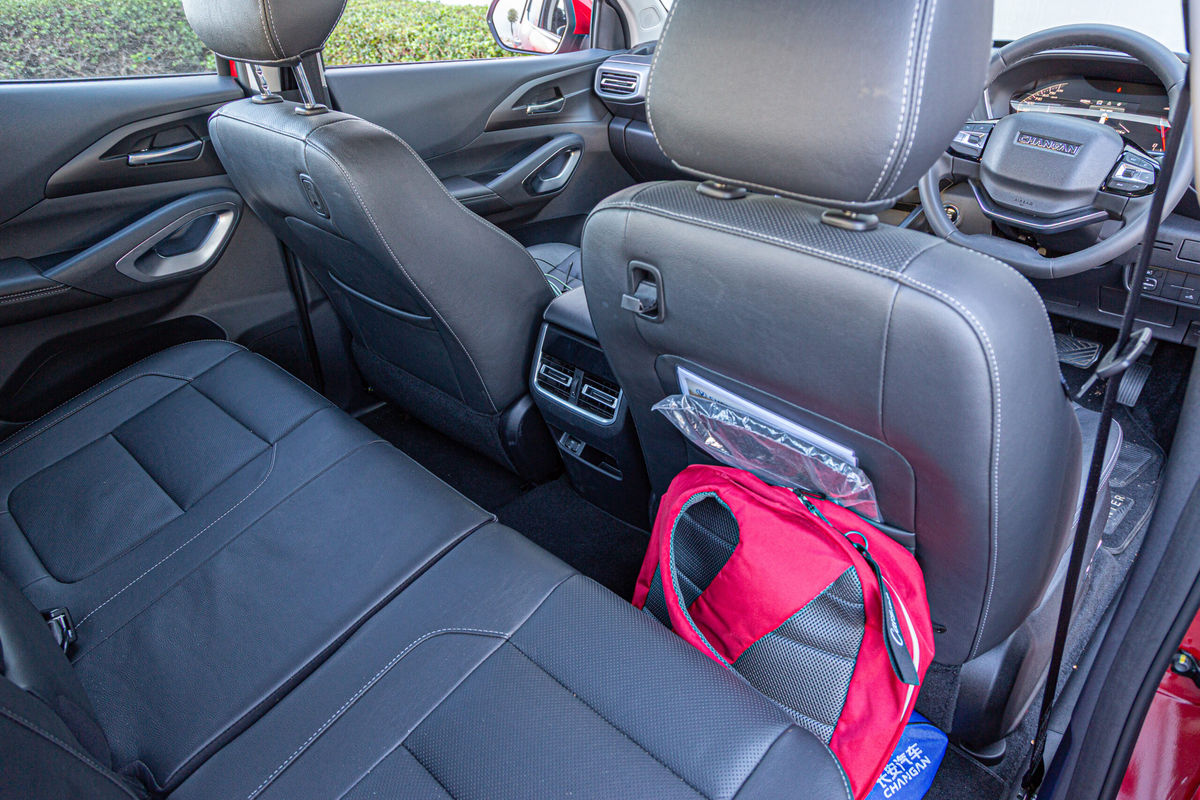
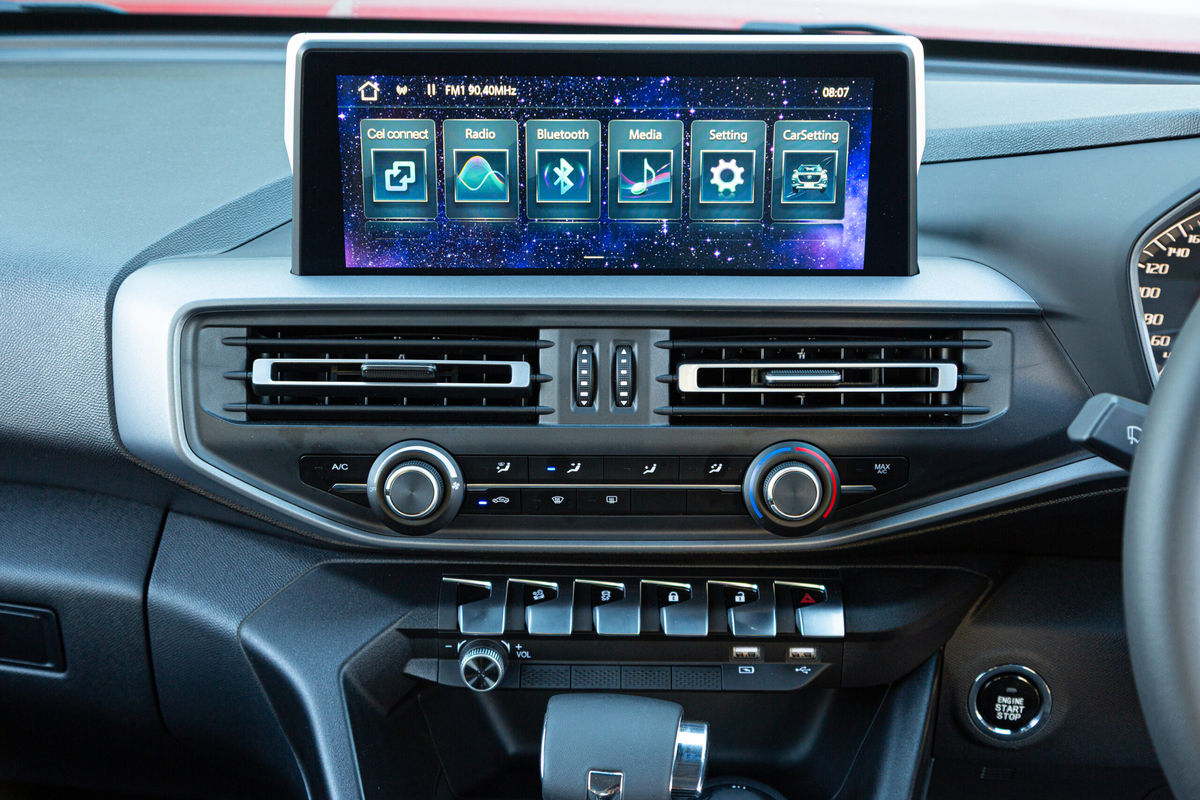
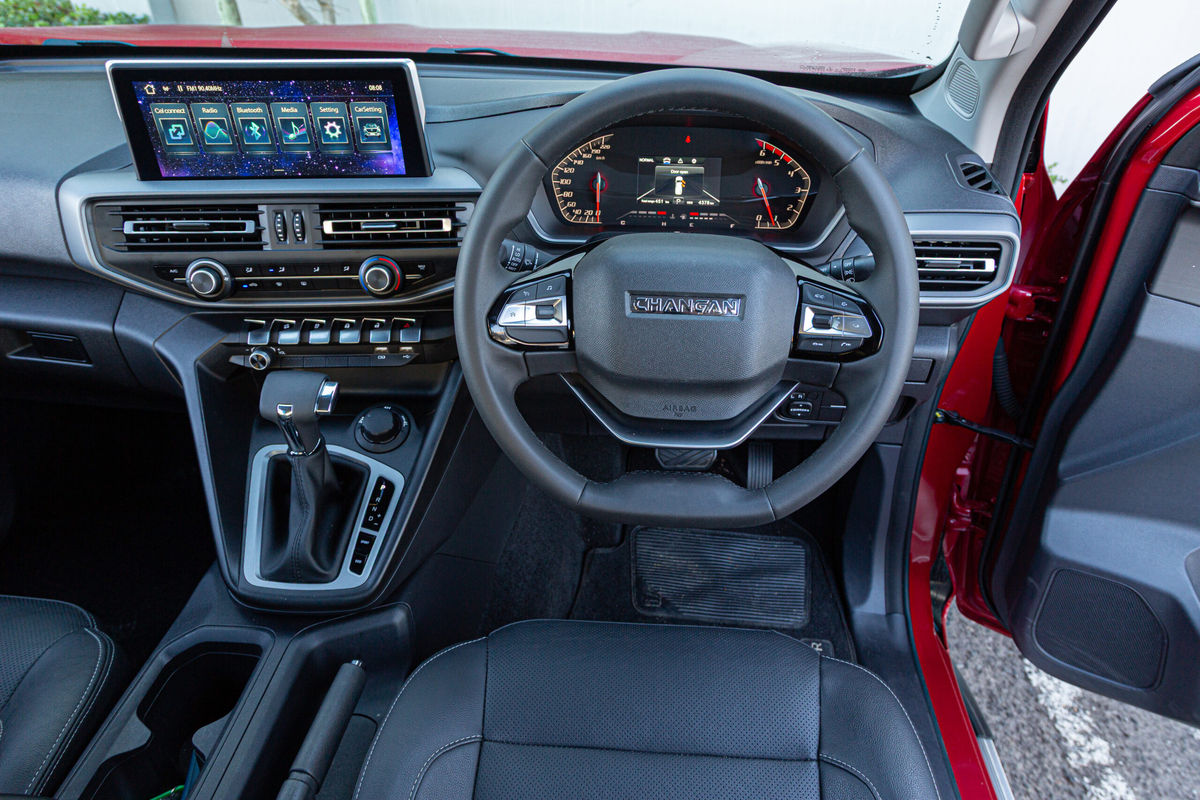
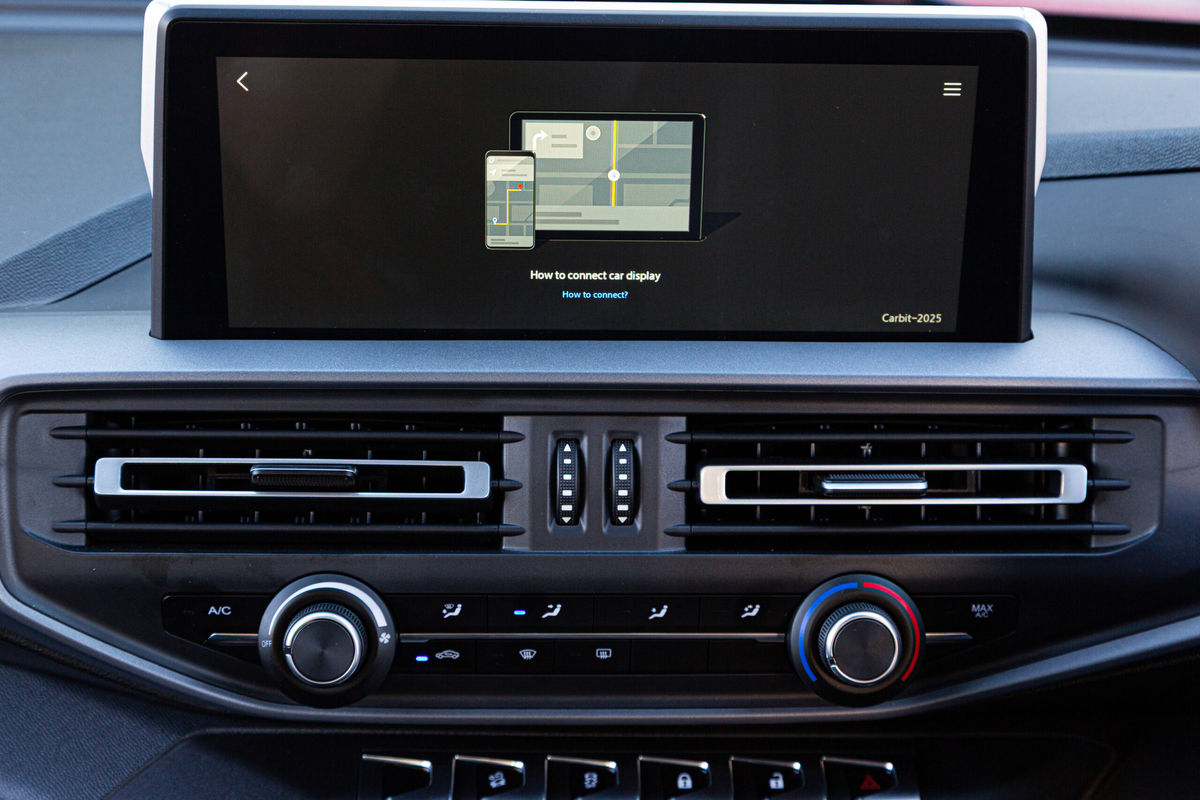
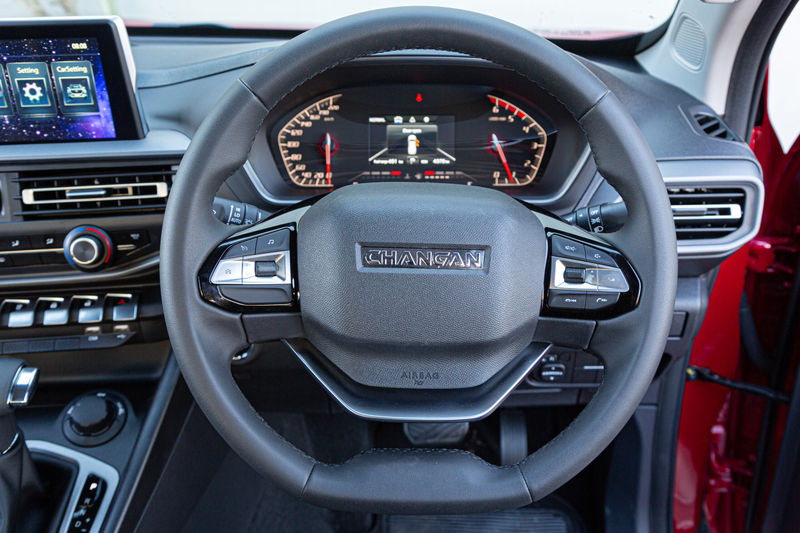
Step inside (via keyless entry) and you’re greeted by a cabin that is, in many respects, the Hunter’s strongest suit. The spec list for this CE grade is genuinely impressive at the price: electrically adjustable front seats, leather upholstery, cruise control, a 10-inch touchscreen infotainment system (plus 2 USB-A ports), a powerful air-conditioning system, a rear-view camera, rear parking sensors and six airbags. For the rear passengers, the inclusion of ventilation outlets, a USB charging port as well as swivelling hooks on the back of both front seats is a bonus.
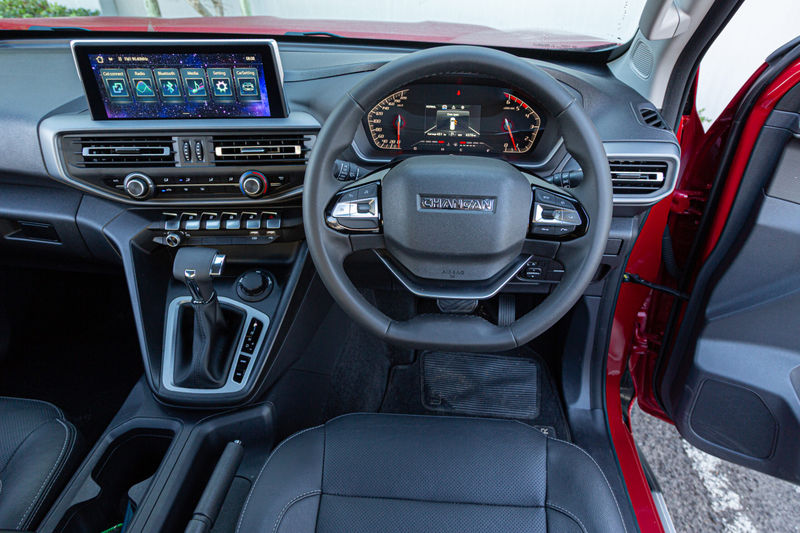
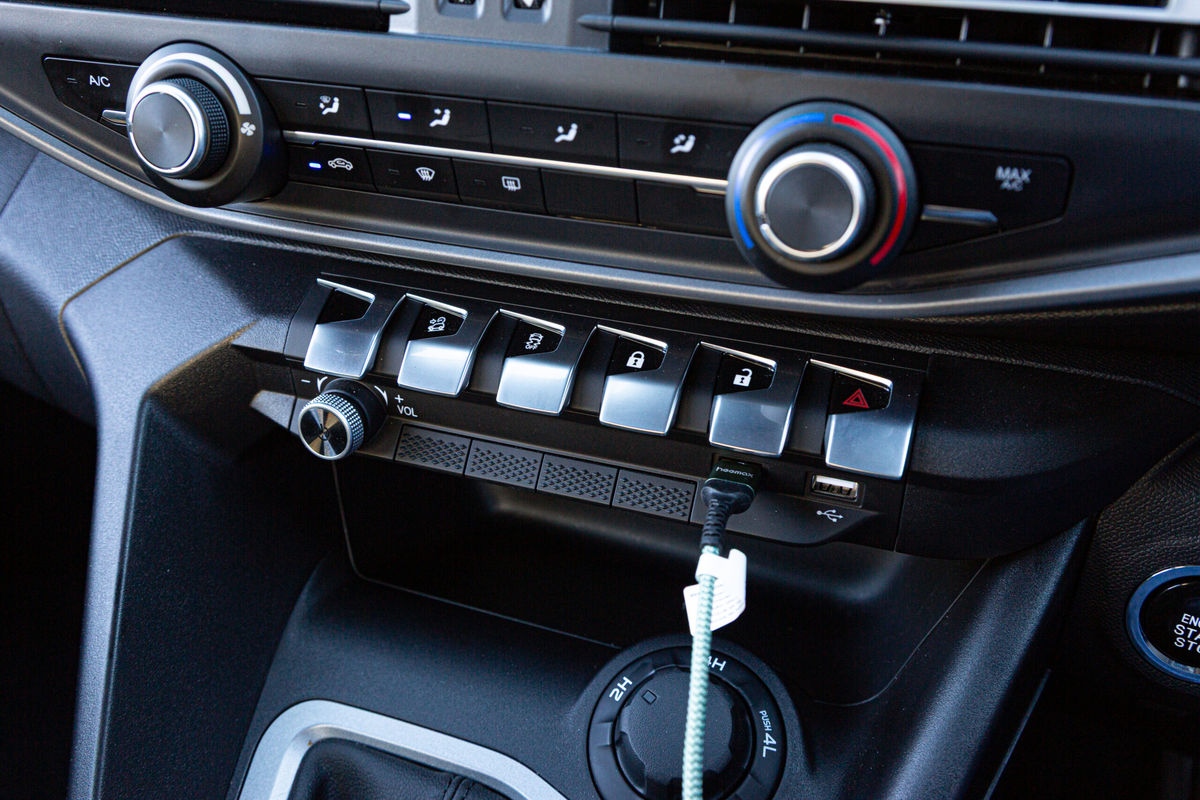
The cabin layout is sensible and ergonomically sound. Physical buttons and dials are retained for key functions – a feature that is becoming increasingly rare – and the dashboard design, while hardly setting new benchmarks for interior styling, is tidy and functional. The design and appearance of the row of physical switches are a strong reminder that we’ve experienced this vehicle before, dressed as the Peugeot Landtrek.
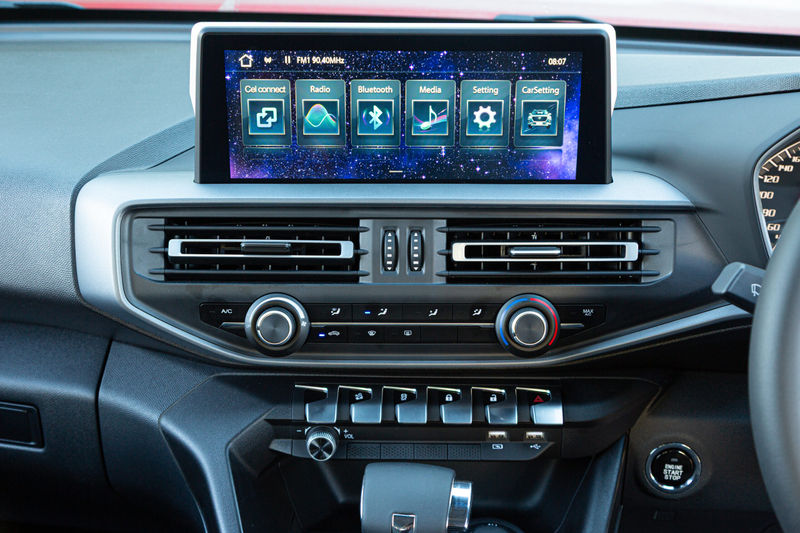
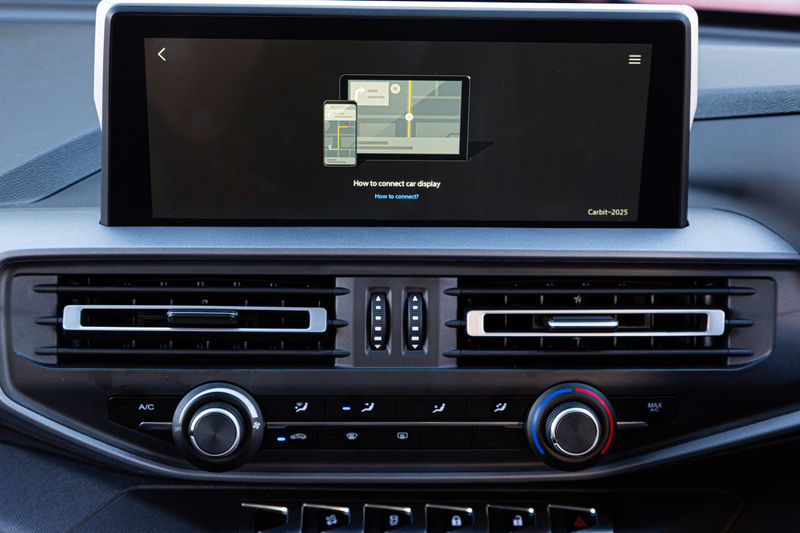
There is, however, one notable omission that might be a dealbreaker for some: the Hunter does not offer Apple CarPlay or Android Auto connectivity. In 2025, with smartphone integration now effectively standard across the competitive set, this is a significant oversight. It means that for navigation, music and hands-free communication, buyers are reliant solely on the built-in system and phone mirroring (or a clumsy 3rd-party app).
Perceived build quality is an area where the Hunter genuinely impressed during our test period. We took it onto some very rough and rocky terrain – the kind that would expose any structural weakness or poor fitment immediately – and there was not a squeak or a rattle to be found. The body feels solid and well-assembled. Whether that first impression will hold up over many years and many kilometres of South African roads remains to be seen, but the initial evidence is encouraging.
Ride, Handling & Safety
The Hunter’s ride quality is typical of the double-cab breed – acceptably comfortable when loaded but with that characteristic jiggle and initial firmness over rough surfaces when unladen. The Hunter doesn’t distinguish itself from its peers in this regard, nor does it embarrass itself. Steering is acceptably direct (if feeling a little “detached”) and the overall on-road composure is decent for a ladder-frame bakkie.
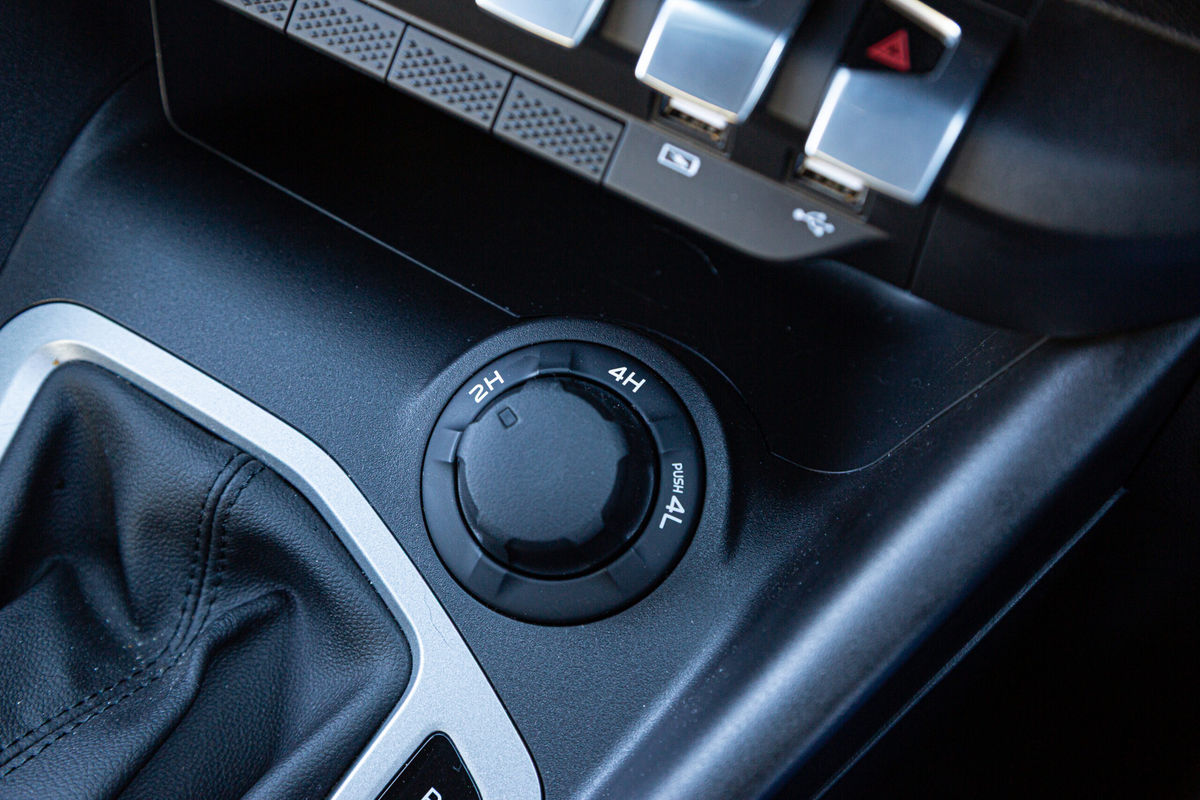
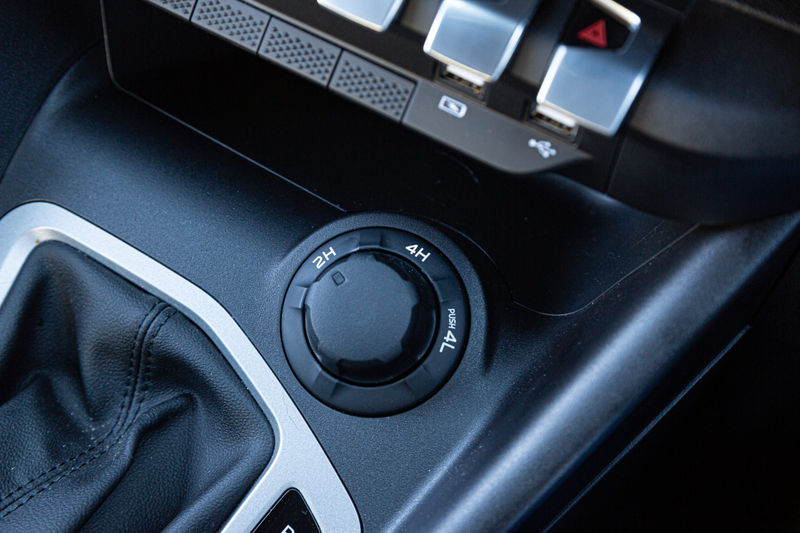
Where the Hunter earns its lifestyle vehicle credentials is when the tar runs out. On rocky and uneven terrain, the 4×4 system – switchable between 2-wheel and 4-wheel drive, with a low-range option and rear diff lock available – proved capable and confidence-inspiring. Ground clearance (226 mm) is sufficient for most off-road scenarios and the approach and departure angles are acceptable for the segment. Hill-descent control and hill-start assist are also part of the package. The Citi 4×4 265/60 R18 tyres are impressive across varying surfaces.
As mentioned previously in this review, the Hunter is equipped with 6 airbags, and the rest of the safety package includes ABS with EBD, electronic stability control, tyre-pressure monitoring and Isofix child seat anchors.
Performance & Efficiency
Under the bonnet sits what Changan describes as a 2.0-litre turbodiesel, but it’s the same 1.9-litre, 4-cylinder oil-burner shared with the Peugeot Landtrek. It produces 110 kW and 350 Nm, with peak torque available between 1 800 and 2 800 rpm. The engine is mated to a 6-speed automatic transmission.
In most everyday situations, the powertrain is more than adequate. There’s reasonable grunt on offer in the mid-range, and the automatic gearbox shifts unobtrusively. However, as speeds approach the national speed limit, the engine does run noticeably short of breath. Overtaking at higher speeds requires planning and commitment. This is where the Hunter reveals the limits of what is a modestly sized engine in a vehicle that is not especially light.
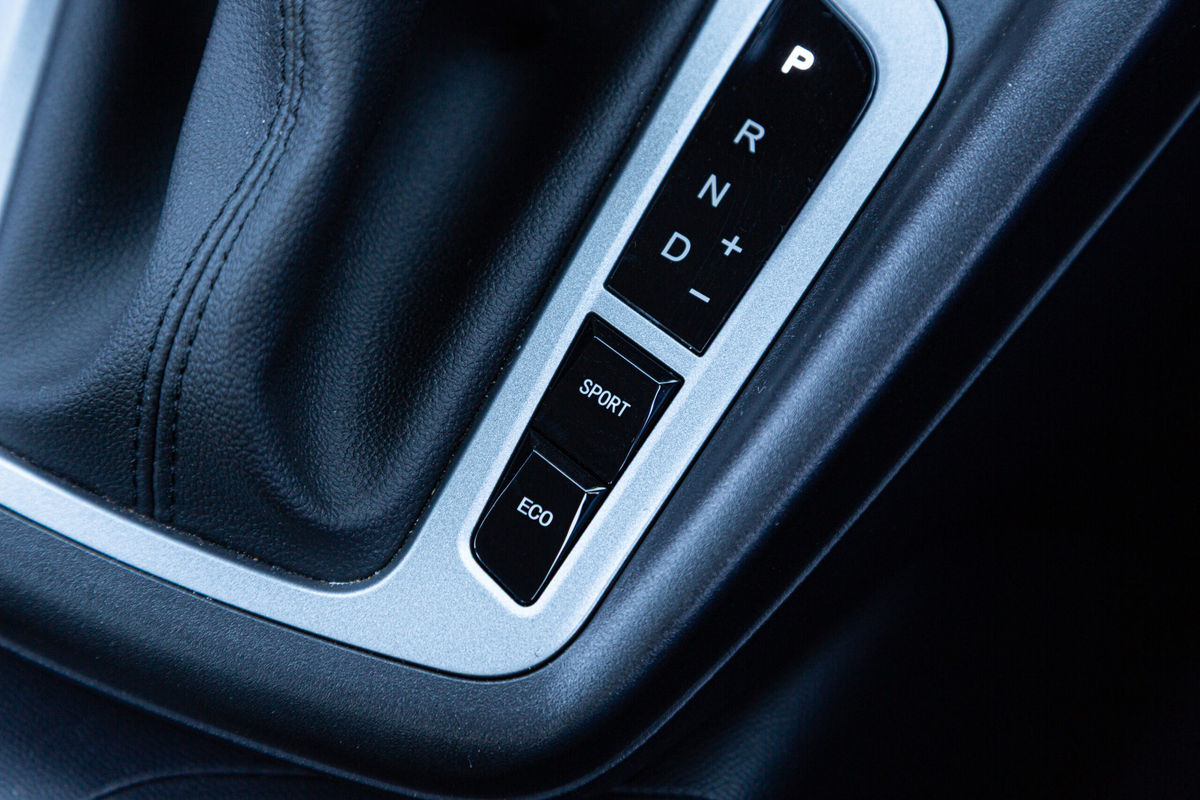
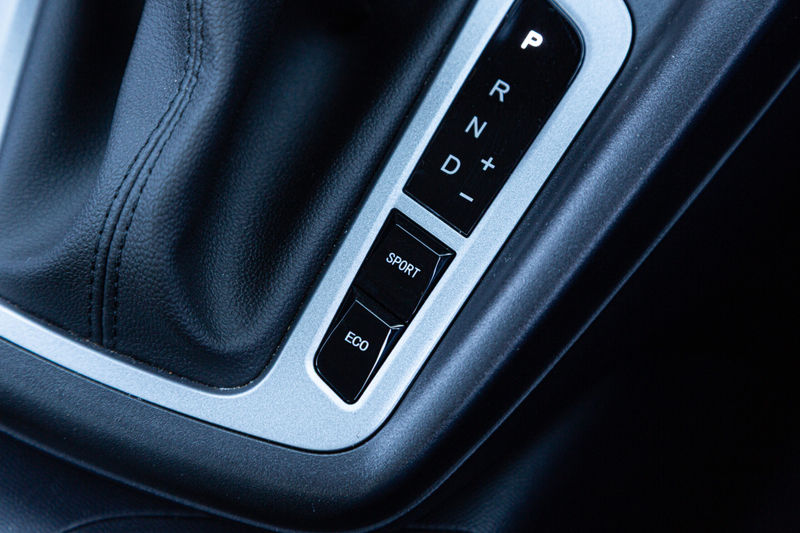
Interestingly, there are sport and eco mode switches next to the gearlever and they do have a noticeable impact on performance delivery, respectively sharpening or blunting throttle response markedly. To cancel either and go back to the normal mode requires pressing the same button again.
Changan has not released claimed acceleration times but our testing revealed a middling 0-100 kph time of 13.37 seconds. This will probably not be of much concern to the typical buyer, but the relatively low tow rating (braked) of 2 000 kg might be. That said, the significantly more expensive 1.9-litre Isuzu D-Max’s tow rating is only 100 kg more. The problem is the more powerful GWM P300 2.4TD that costs only R10 000 more has a rating of 3 500 kg.
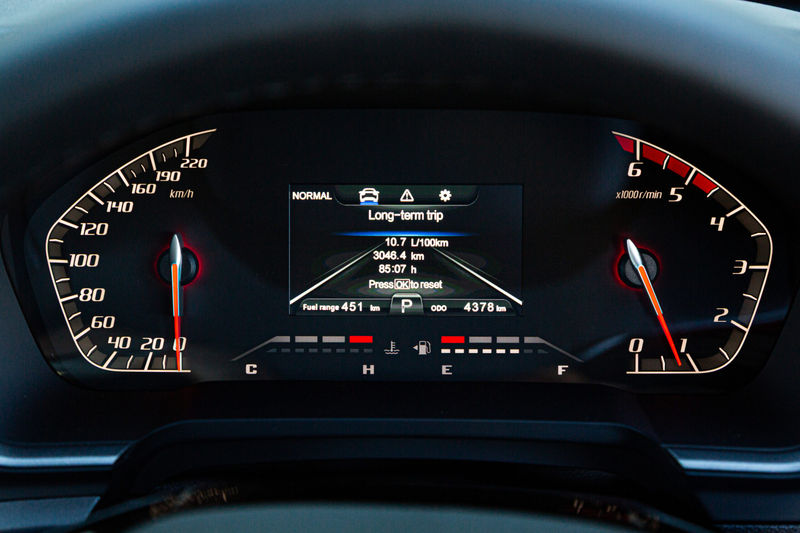
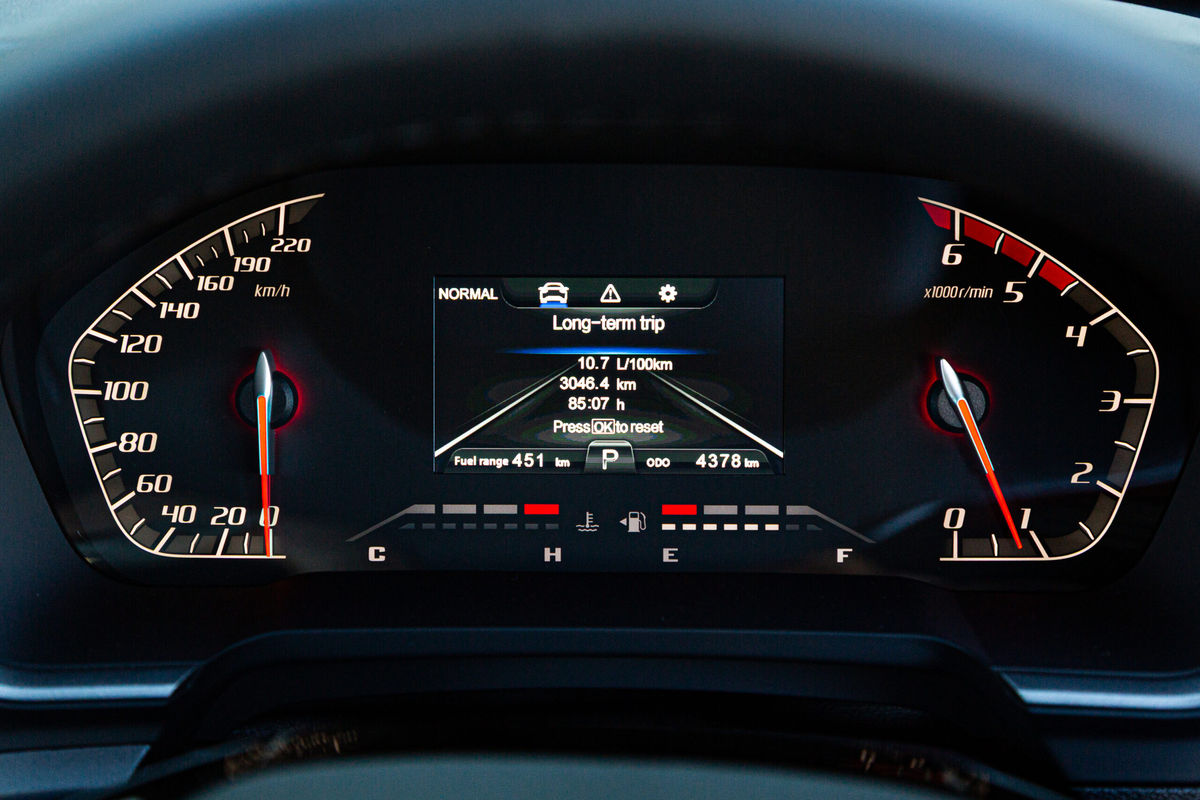
Fuel consumption in mixed driving came in at approximately 10.5 L/100 km somewhat higher than Changan’s claimed 9.1 L/100 km, but within the range of what one would expect from real-world bakkie use. The 80-litre tank offers a theoretical range of around 800 km on a full tank.
Changan Hunter 2.0TD Double-Cab 4×4 CE Price & After-sales support
This variant of the Hunter is very competitively priced at R569 900. Changan backs the Hunter with a 5-year/150 000 km warranty. It compares favourably with Isuzu’s 5-year/120 000 km warranty, though it falls short of GWM’s 7-year/200 000 km cover. The price of the Hunter CE, as tested here, also includes a 5-year/90 000 km service plan, which is optional on the manual derivative.
Long-term reliability is the question mark hanging over all newer Chinese brands in South Africa. The warranty is Changan’s best tool in addressing that concern, as is a fast-growing dealership network. It needs to be noted the Landtrek has been sold in South Africa for much longer and, as far as we are aware, there have been no major reasons for concern regarding reliability.
Verdict
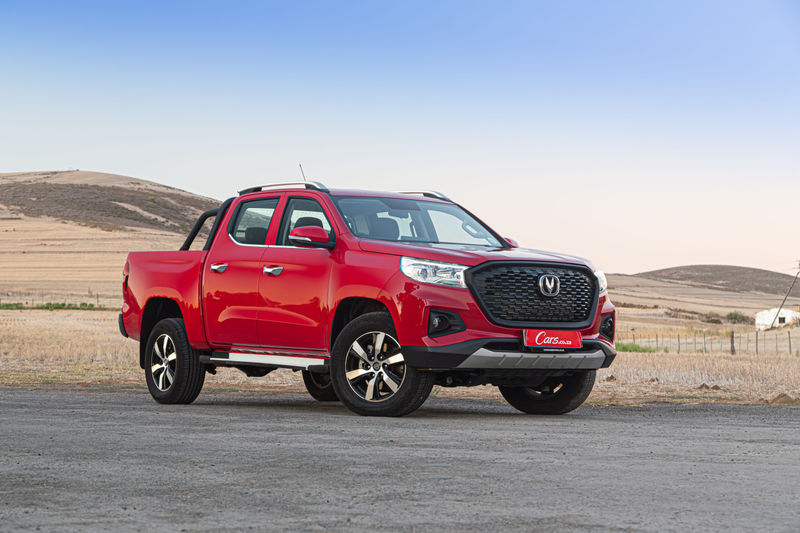
The Changan Hunter does not feel like a cheap vehicle. That is, in itself, a notable achievement for a brand launching at this price point in this segment. If the perception of quality and solidity that characterised our time with the Hunter is backed by real-world durability, Changan will have produced something genuinely worth considering.
As things stand, the Hunter makes most sense if your primary requirement is a new automatic 4×4 double cab at the lowest possible purchase price and you can live without modern smartphone connectivity. For those who can stretch R10 000 further, the GWM P300 2.4T LS 4×4 offers more engine, a better warranty and CarPlay/Android Auto.
There are other considerations, too. The more utilitarian (but proven) Mahindra Pik-Up can be had for even less money. And there is the pre-owned market where you could get into an older offering from a more proven brand.
All that said, the Hunter feels like a solid offering at a very good price and adds further variety to an already densely populated segment. It is not one to ignore.
Want to purchase a new or used Changan? Browse vehicles for sale
All the latest Changan news and reviews
Frequently Asked Questions
What is the price of the Changan Hunter diesel in South Africa?
As of April 2026, the Changan Hunter diesel range starts at R449,900 for the 2.0L 2WD Manual and reaches R569,900 for the top-spec 2.0L 4WD Automatic model.
What are the engine specifications of the Changan Hunter?
The Hunter is powered by a 2.0-litre four-cylinder turbodiesel engine that delivers 110 kW of power and 350 Nm of torque. It is available with either a 6-speed manual or a 6-speed automatic transmission.
What is the fuel consumption of the Changan Hunter diesel?
The claimed average fuel consumption for the Changan Hunter is 7.1 L/100 km for the 2WD manual variant and approximately 9.1 L/100 km for the 4WD automatic model.
What warranty and service plan is included?
The Changan Hunter comes with a 5-year/150,000 km warranty. The 4WD Automatic model includes a standard 5-year/90,000 km service plan, while this plan is optional for the 2WD Manual entry-level model.
Is the Changan Hunter related to the Peugeot Landtrek?
Yes, the Changan Hunter and the Peugeot Landtrek were co-developed as part of a joint venture. They share the same underlying chassis and platform, though they feature different exterior styling, interior finishes, and specific engine tuning.
Hannes Oosthuizen

With the ultimate goal of spending his life writing about cars, Hannes studied journalism at the University of Stellenbosch. A brief stint as a sports editor for Paarl Post followed, before he joined CAR magazine in 2001. He eventually became the (youngest-ever) editor of CAR in 2011, a position he occupied for two years. During his career at CAR he became a member of the WCOTY (World Car of the Year) panel, wrote a book (Cranked Up: Confessions of a Petrolhead) and was named by the Mail & Guardian as one of the Top 200 South Africans to take to lunch in its 2008 Youth Day supplement, and by The Media magazine as one of the most influential media professionals under 40 (2012). He left CAR in 2013 to experience the \other\" side of the industry