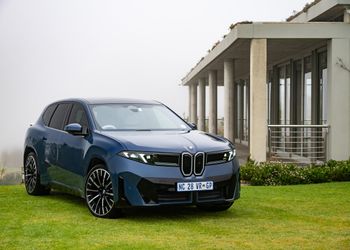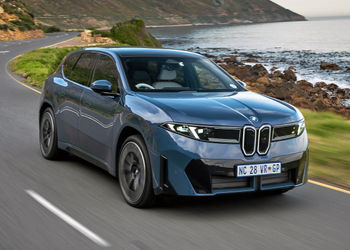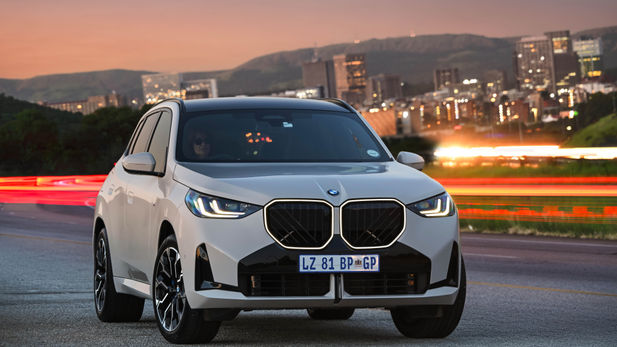
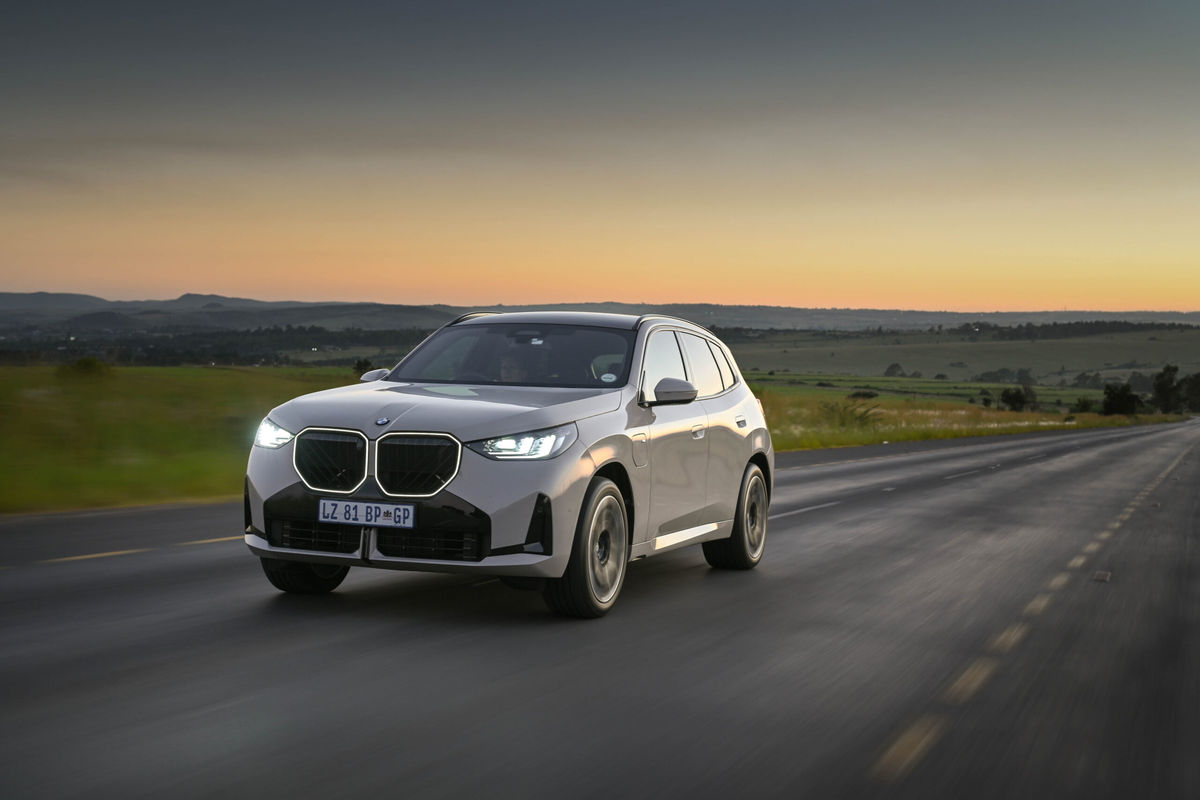
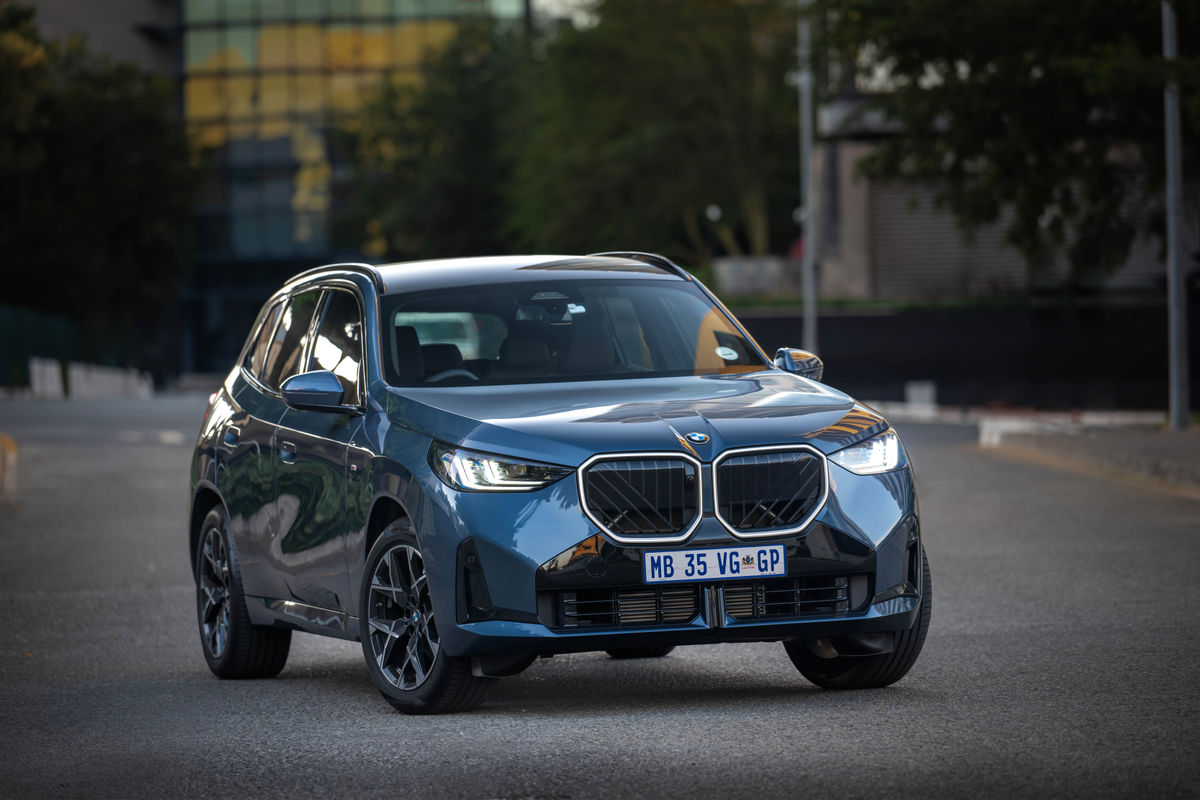
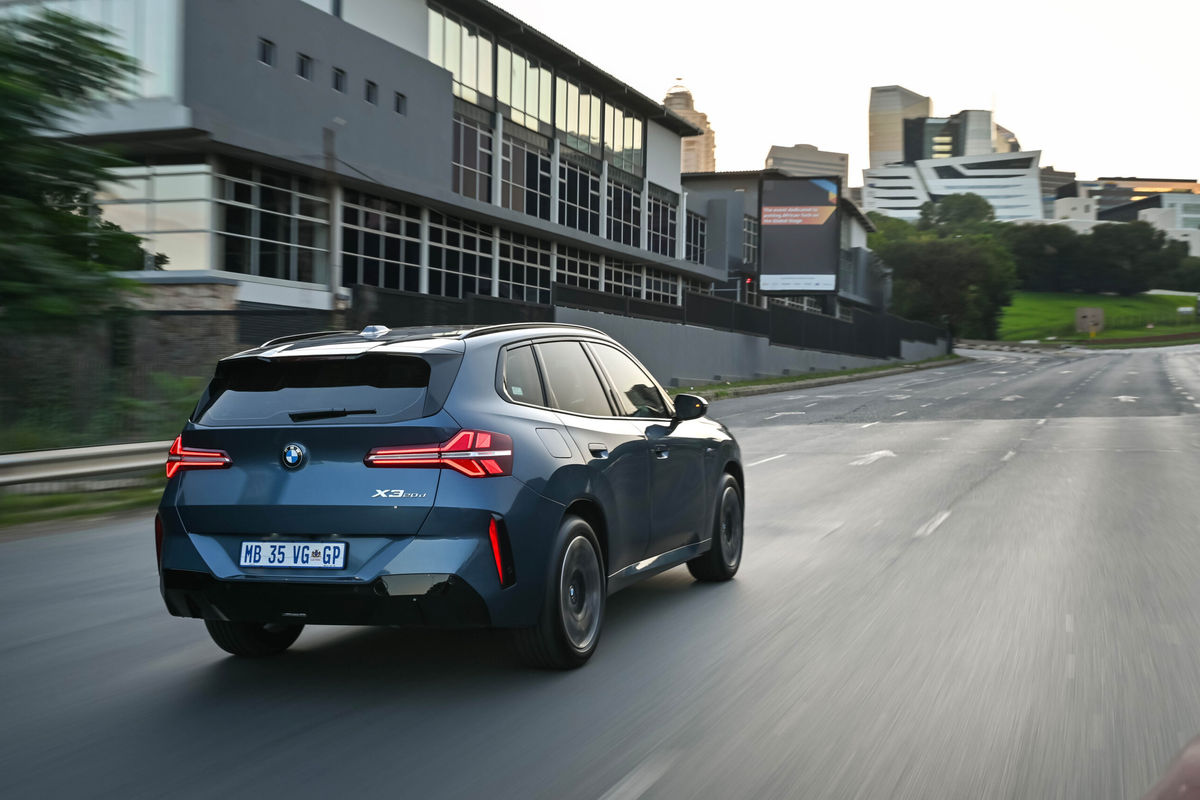
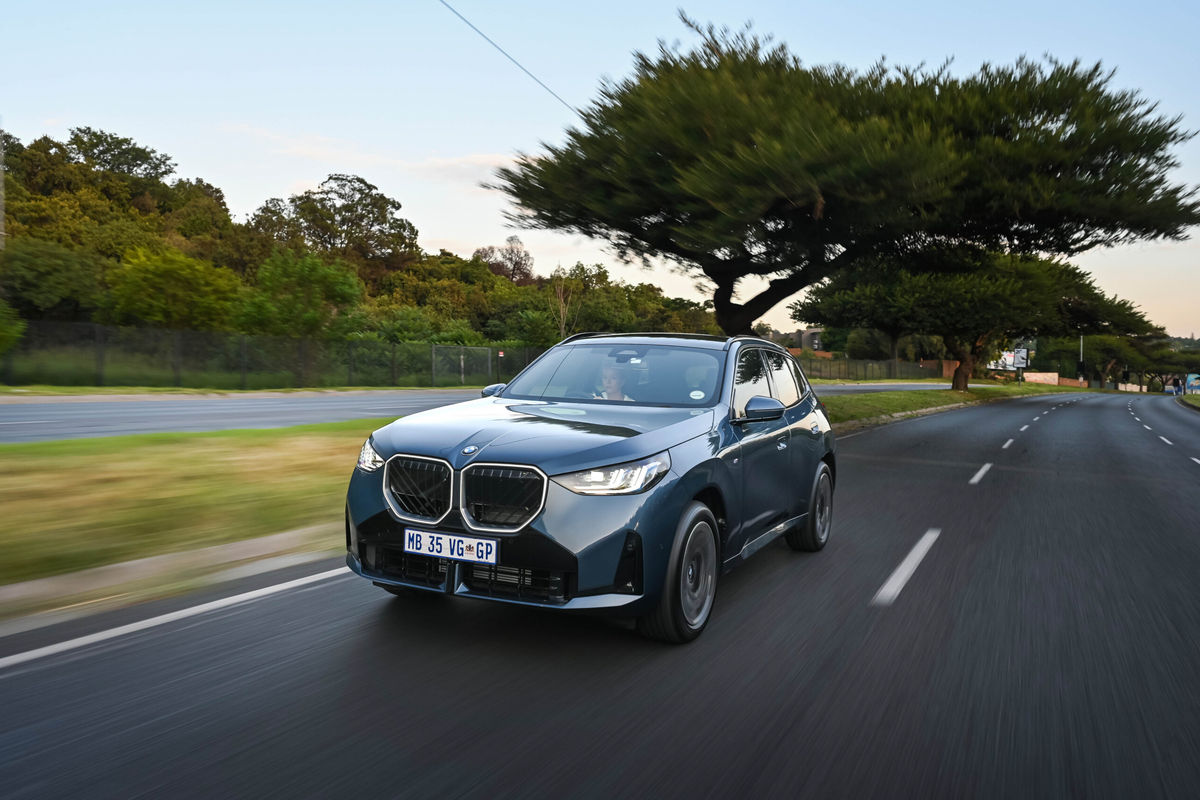
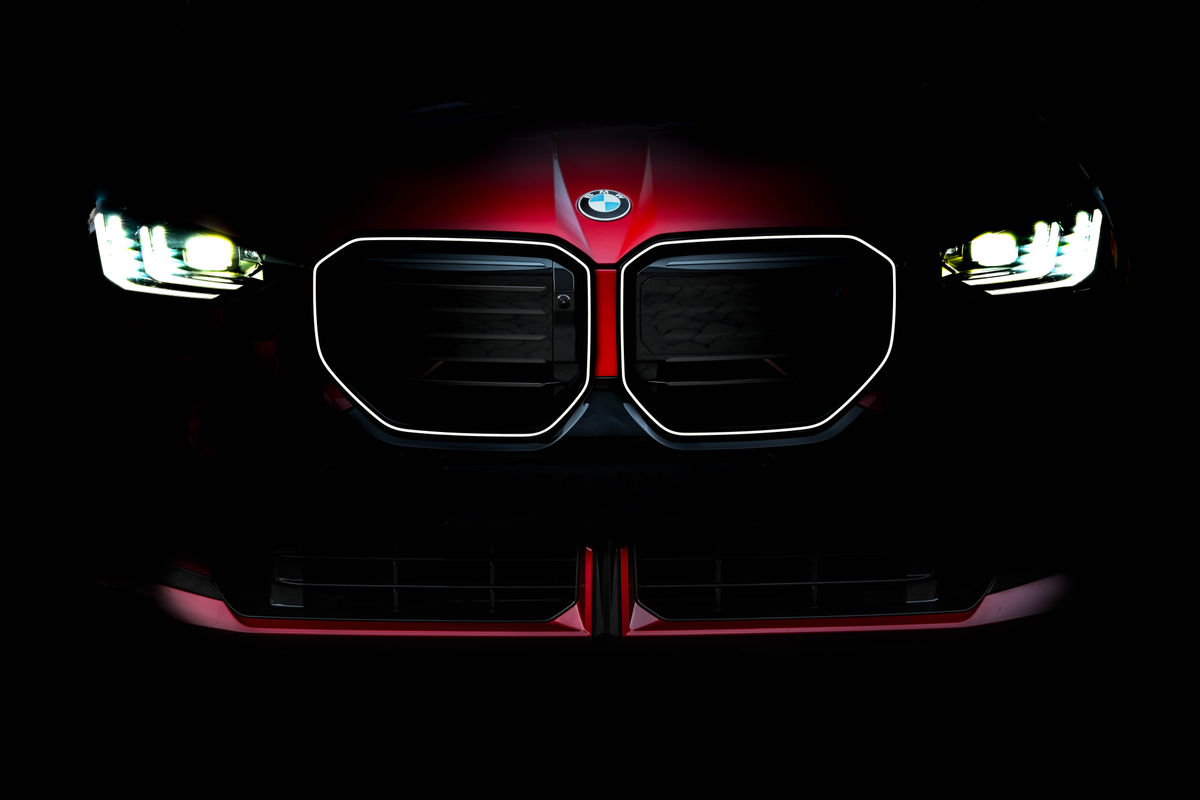
The G45 BMW X3 has been on sale in South Africa for a few months – the 1st units, which were pre-ordered, have already been delivered to customers. While BMW SA ramps up production of the model, we head to Gauteng to try out the newcomer.
What’s new?
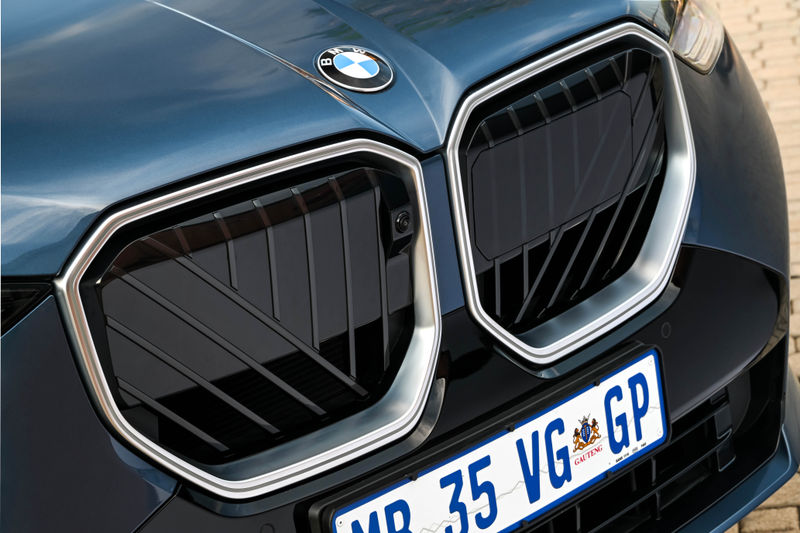
As a rival to models such as the Audi Q5, Mercedes-Benz GLC and Lexus NX, the 4th-gen BMW X3, codenamed G45, has been on sale in South Africa since late 2024. Seeing as its predecessor was the most popular BMW model globally (based on 2024 sales), its critical BMW continues the success story.
Read more: X3 30e xDrive M Sport is a 2024/25 CarsAwards finalist in the Executive SUV category
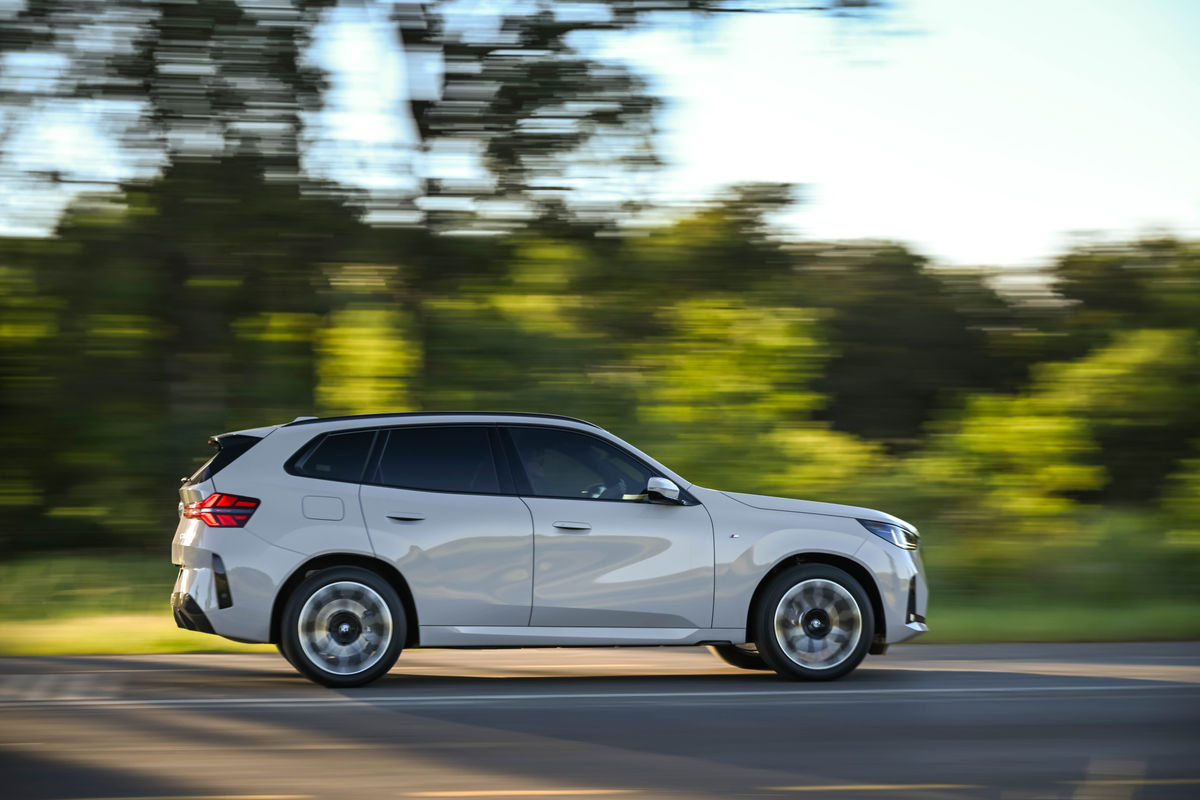
It may be a new-gen model, but at its core, it’s an evolution of the previous X3 – still based on the CLAR platform, but with a few enhancements. The newcomer sits wider and lower, and is physically longer, while the engine lineup is mostly carried over, but with the addition of 48V mild-hybrid technology.
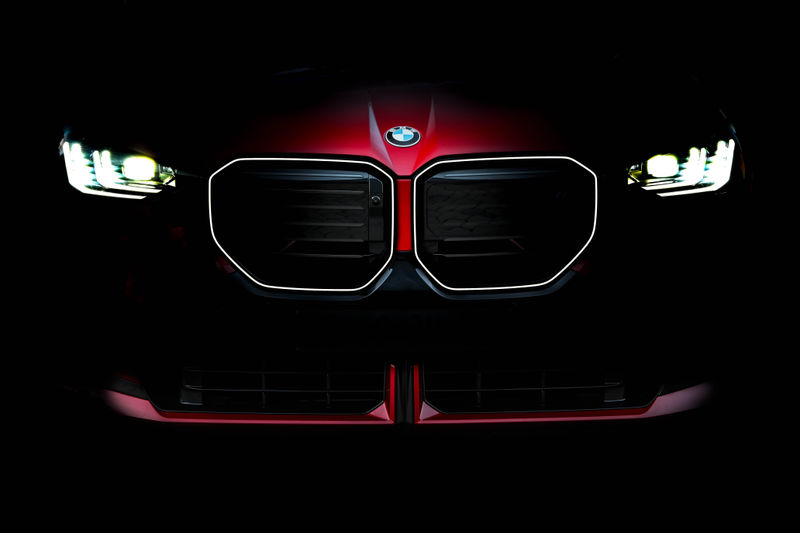
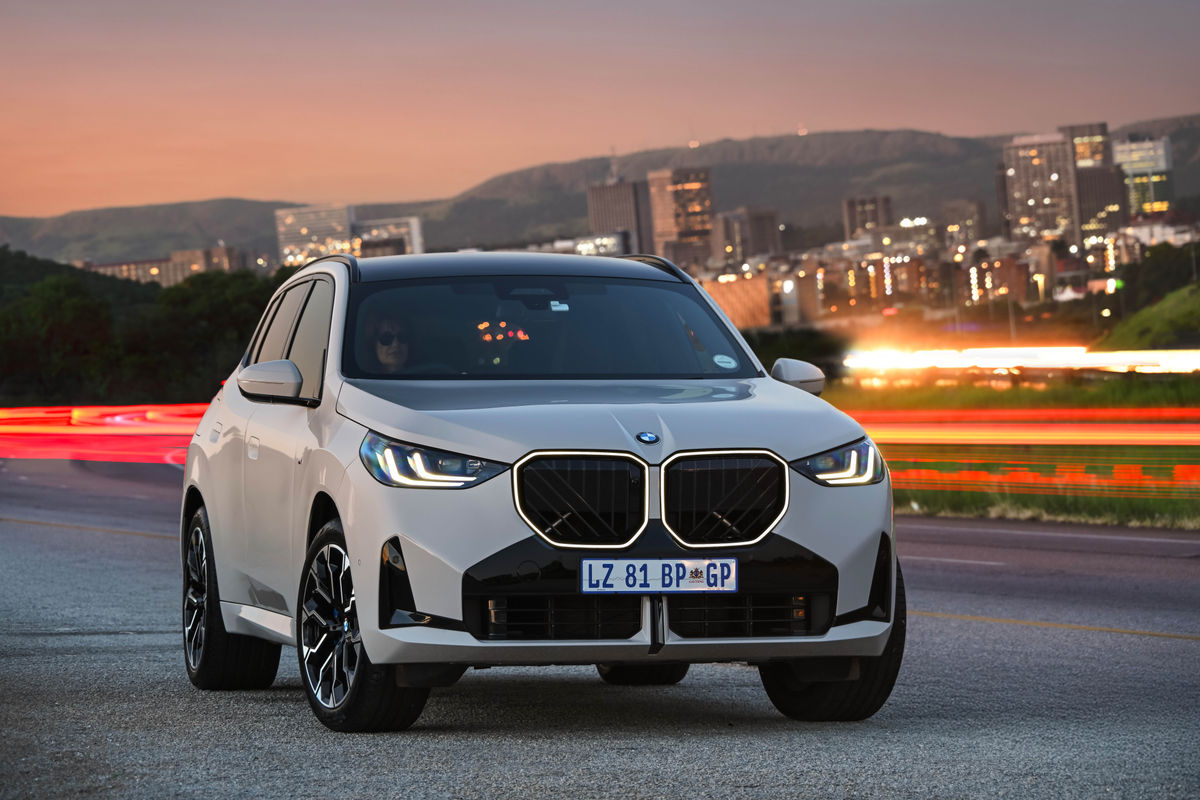
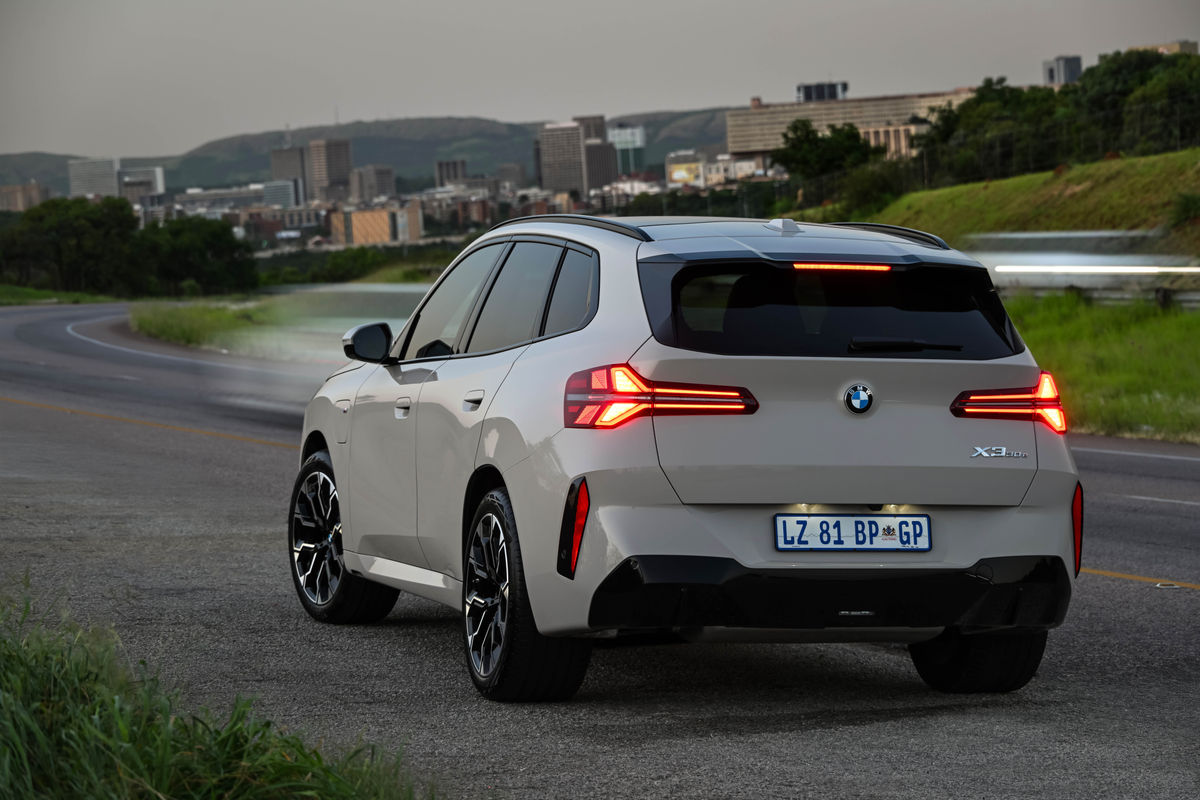
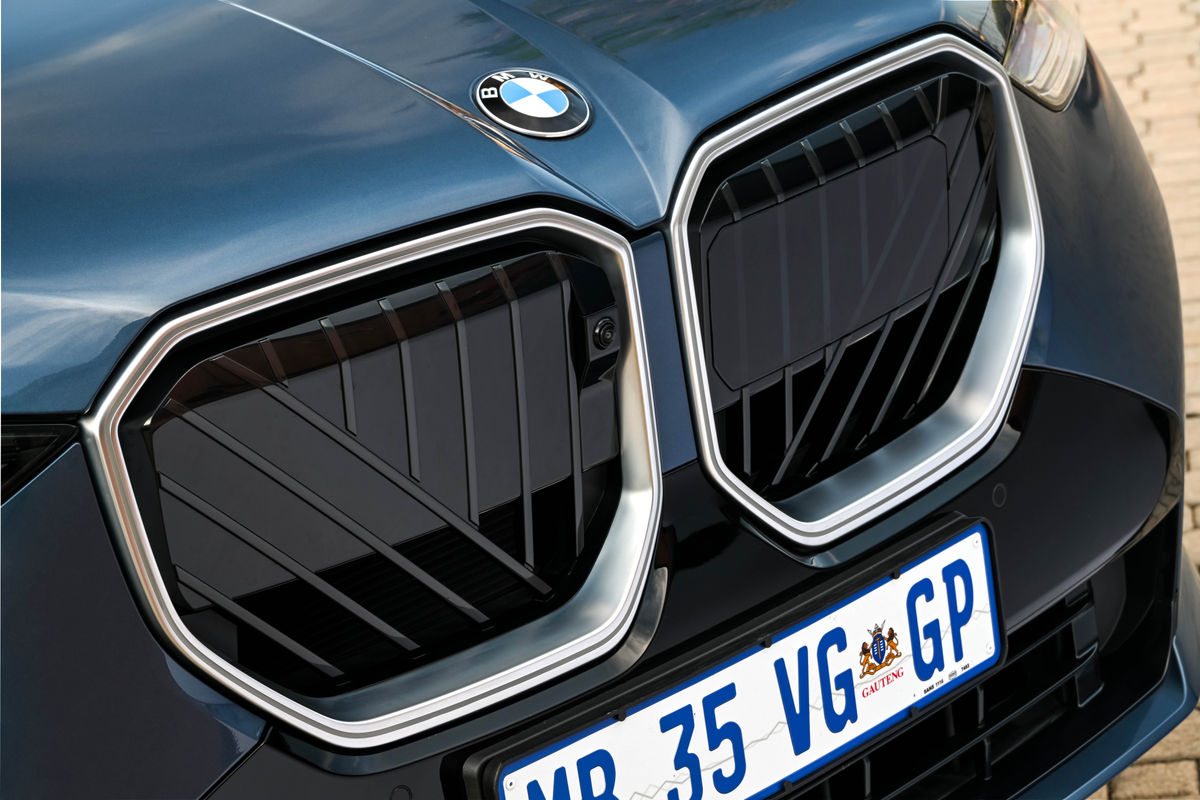
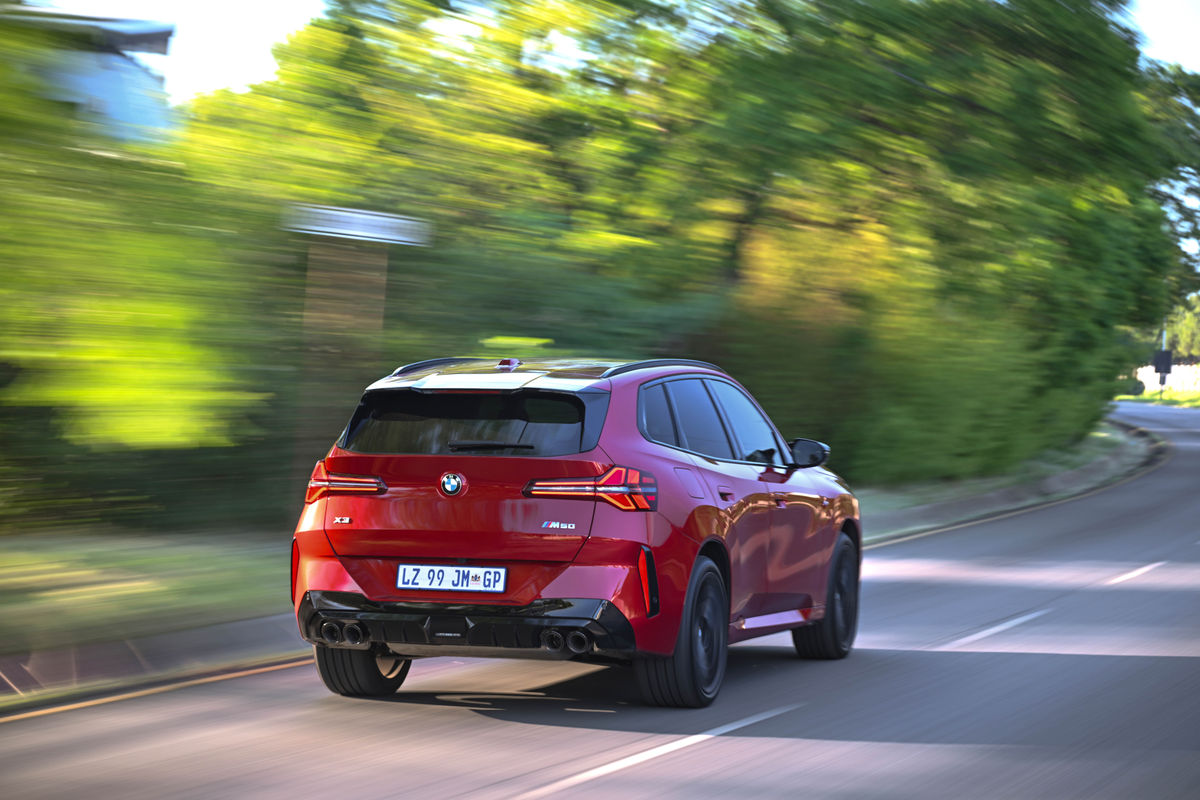
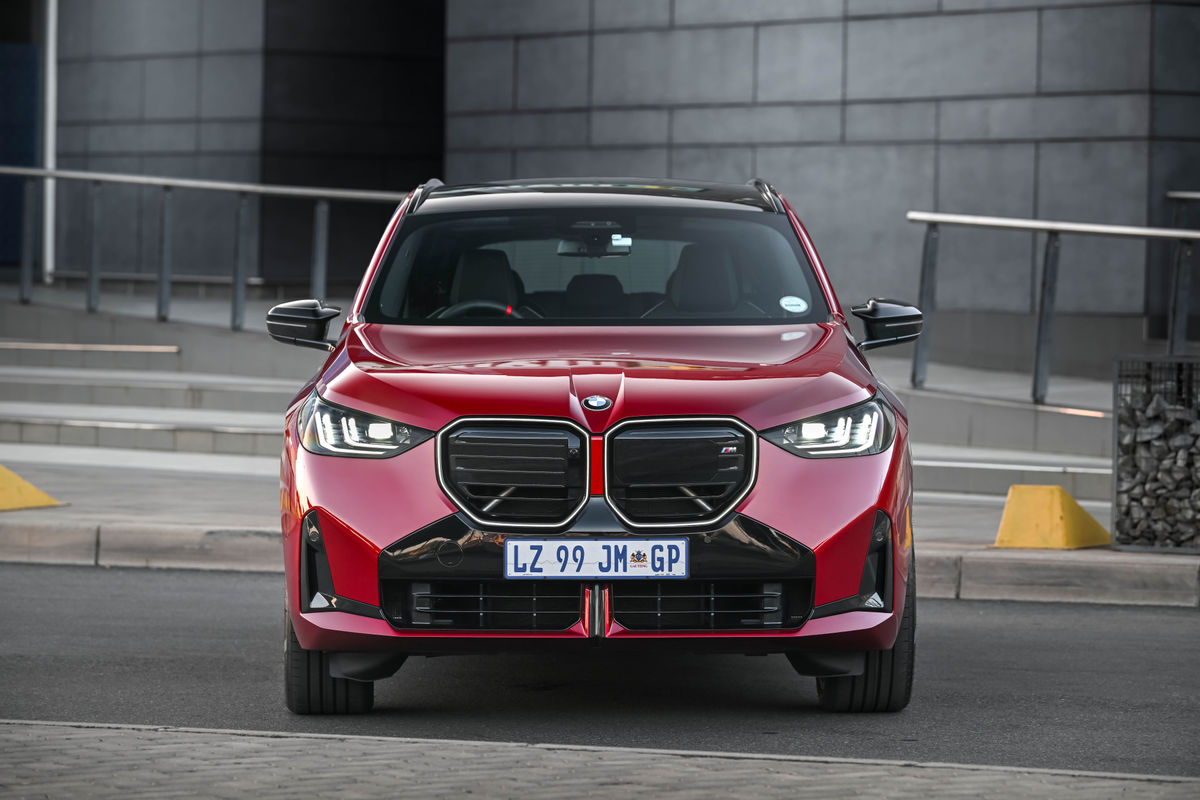
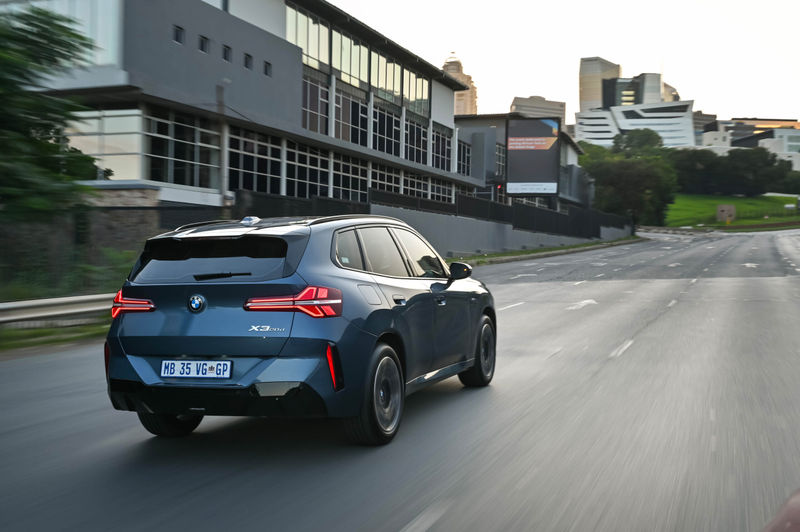
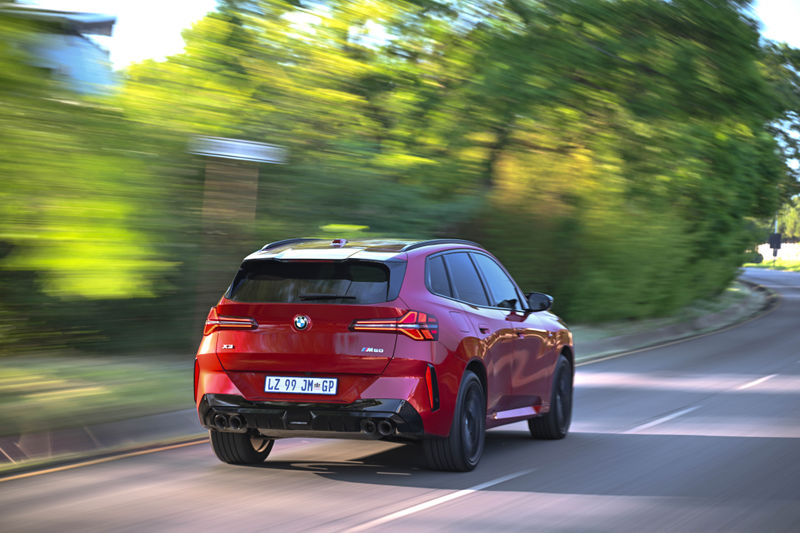
The styling is bold, yet – in the time-honoured BMW tradition – it polarises opinions. Perhaps we’re still enamoured with the outgoing G01’s muscular looks that have barely aged, but the new model is a touch fussy by comparison and photography doesn’t quite convey some of the more intricate design elements.
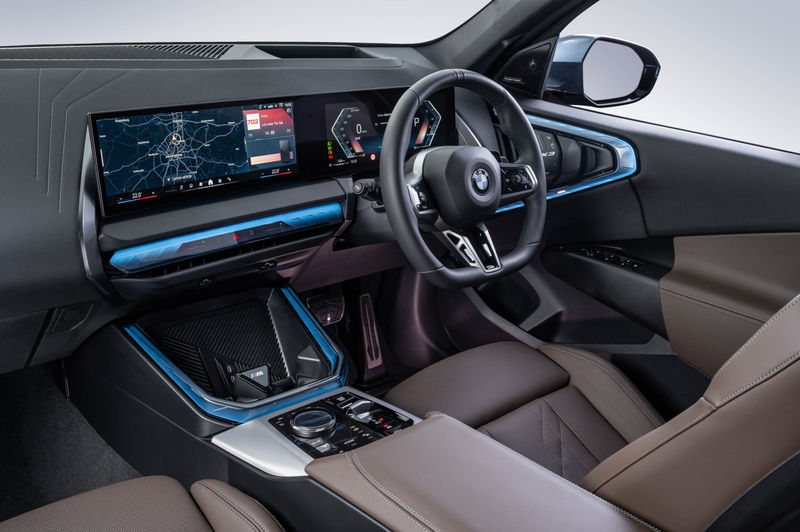
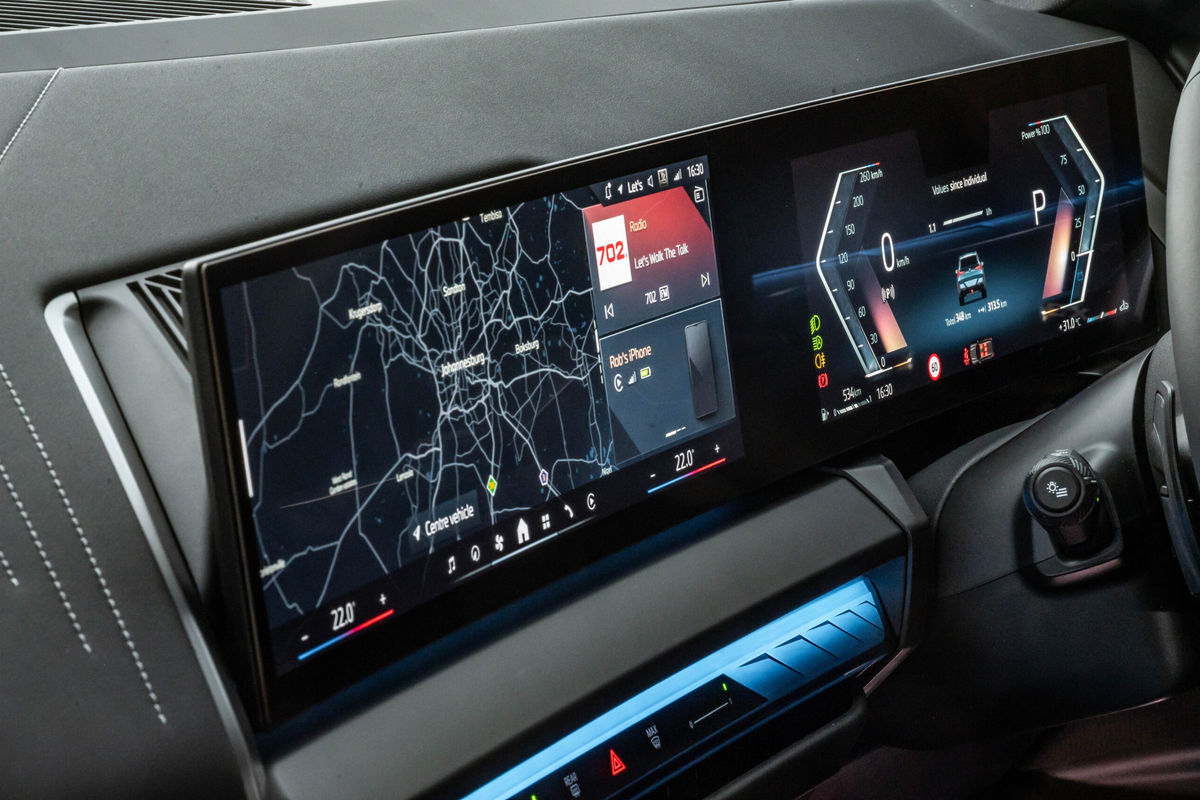
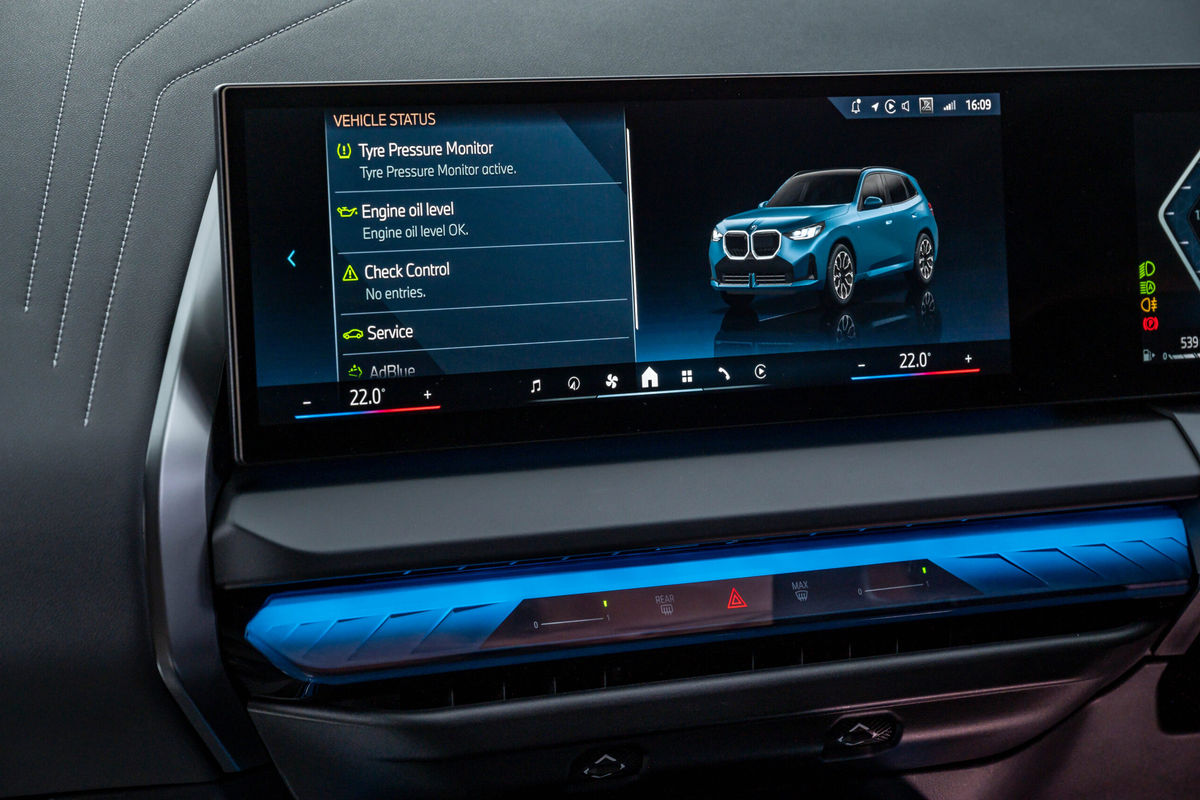
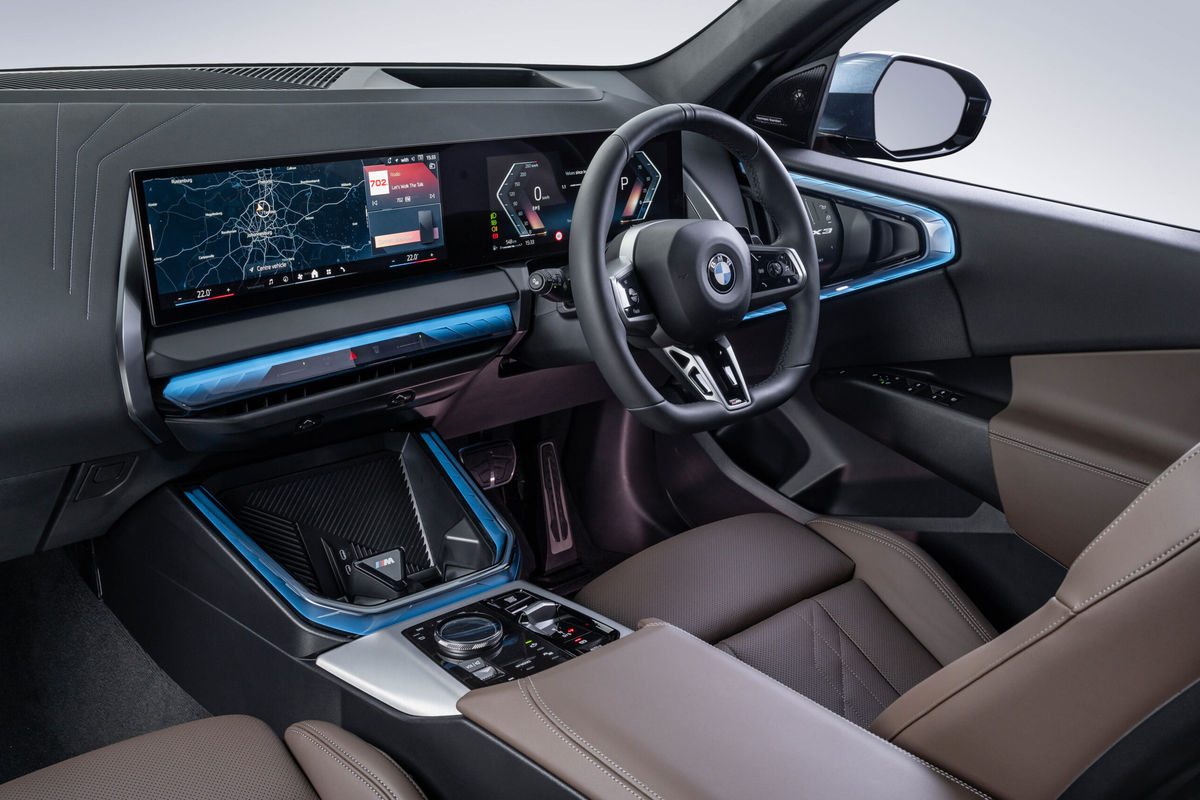
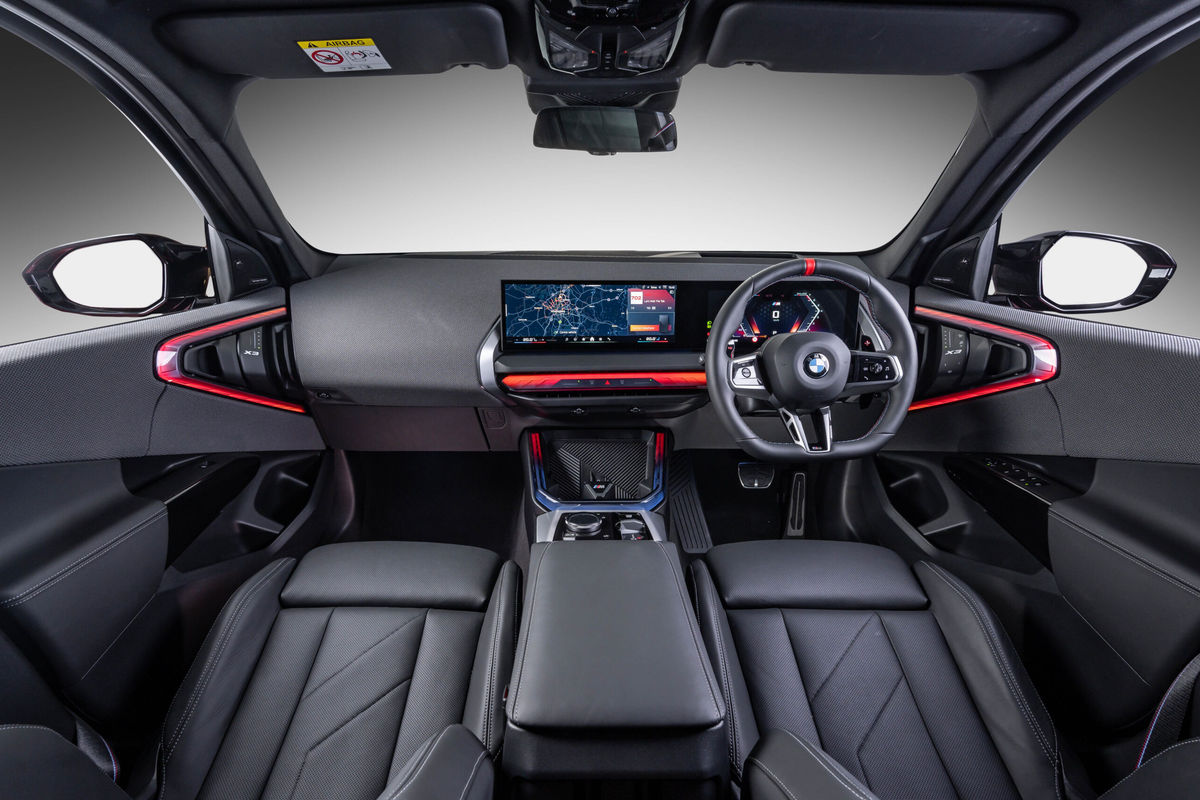
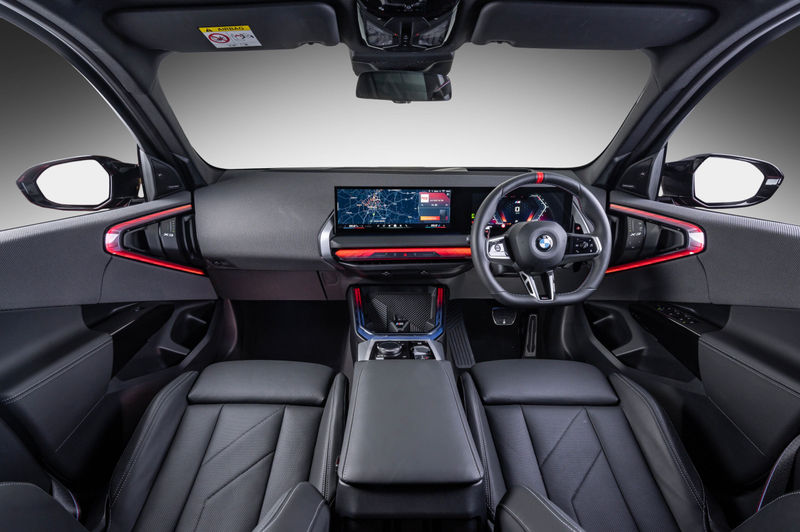
Meanwhile, the cabin layout of the 4th-gen executive SUV has been overhauled and features extensive use of recycled materials in its construction. As expected, the latest BMW Operating System is smartly integrated into the curved digital screen, which combines the instrument cluster and infotainment setup.
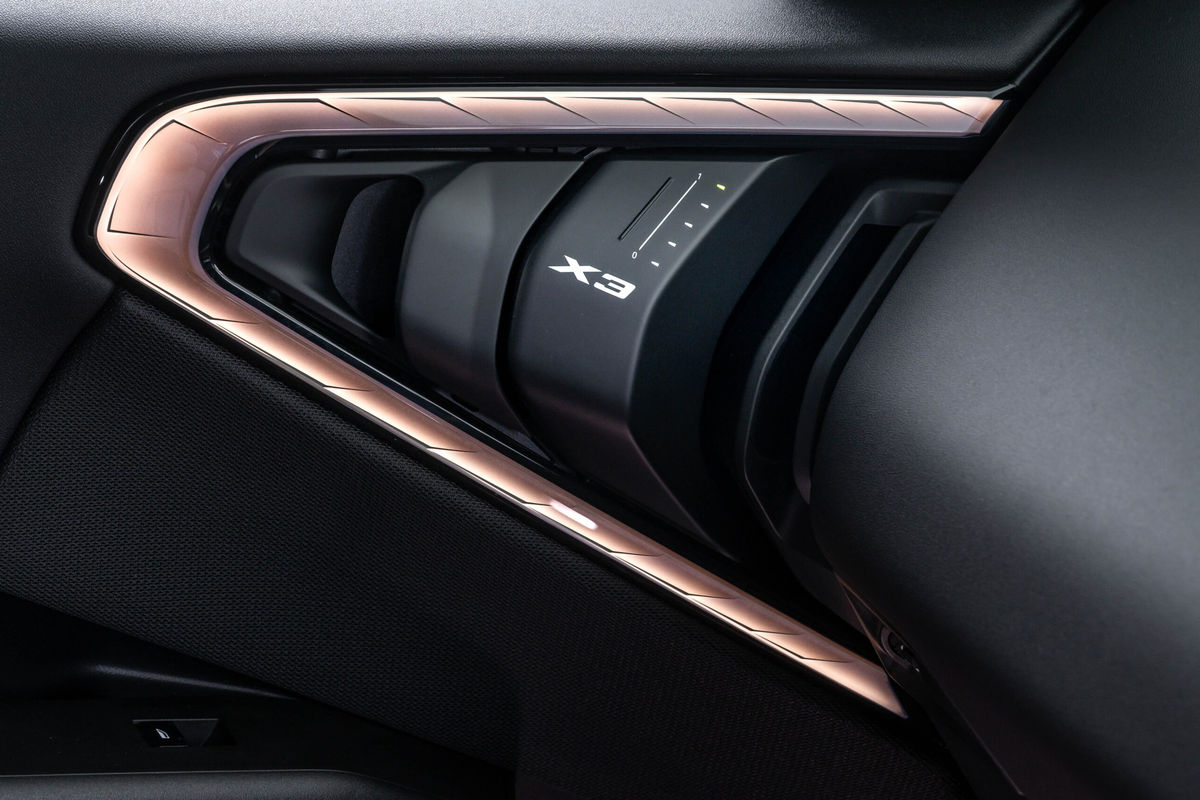
There’s fancy-looking lighting too (lifted straight from the 7 Series) and the colours and themes reflect the car’s drive modes. Sport mode sees a red tone flood the cabin, while Eco gets a gentle blue hue.
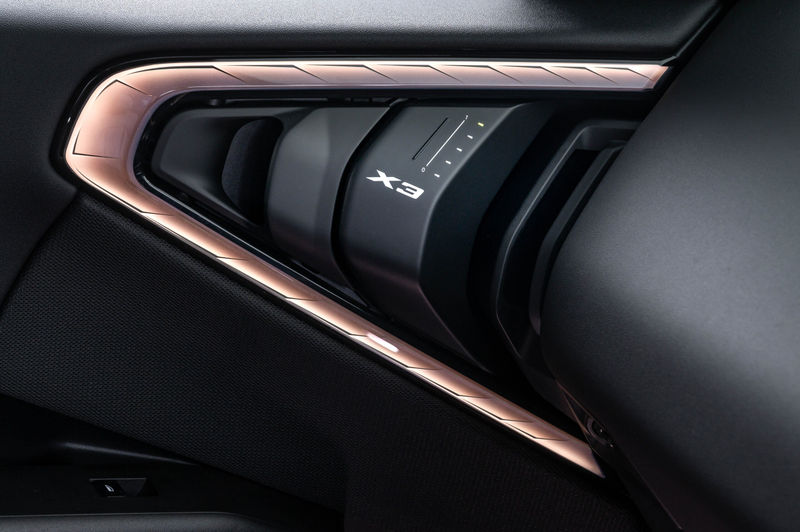
While this cabin looks desirable and tech-forward, we encountered a few issues. Some of the often-used elements, such as the door handles, don’t feel substantial or grand enough for a premium product (at least at this price point) and, despite BMW’s attempts to simplify the plethora of menu options, the infotainment system is less than intuitive – it requires practice and patience to navigate.
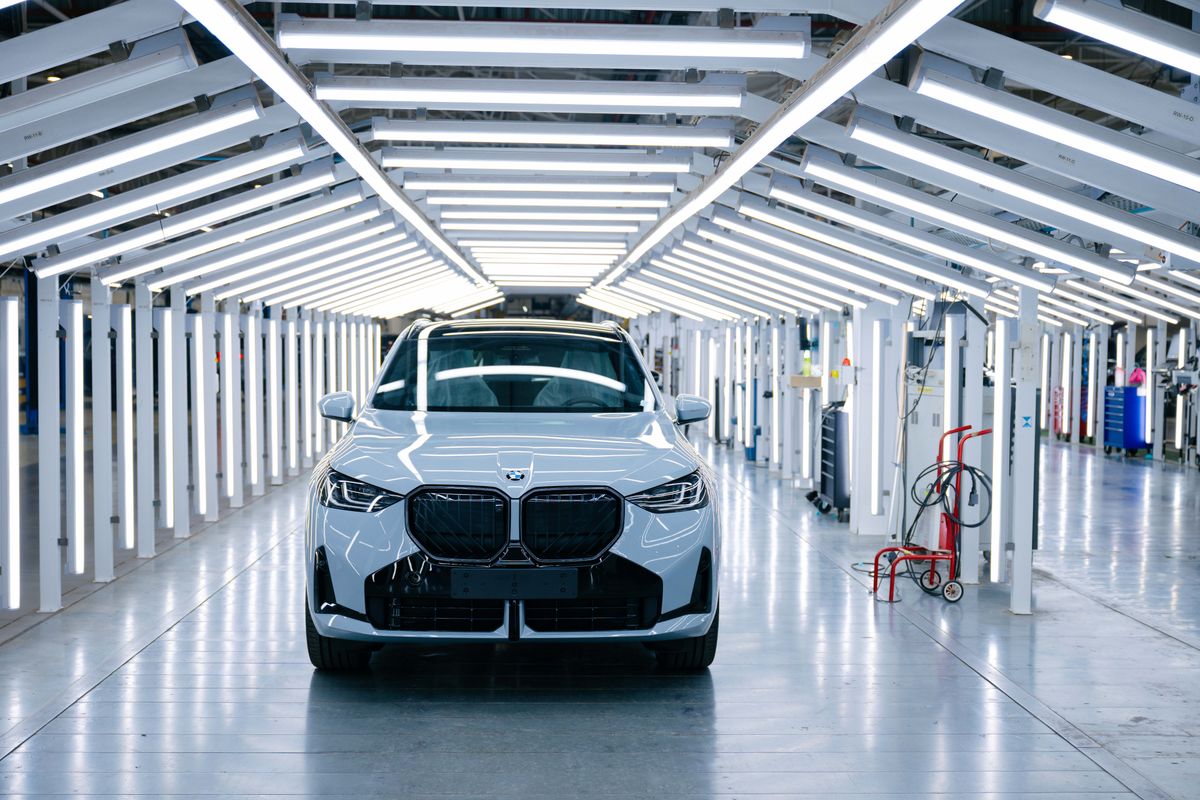
Part of our driving experience was a visit to the BMW Group Plant at Rosslyn, Pretoria, which has been building BMW vehicles since 1973 and employs around 5 700 people. Before this 4th-gen X3, the plant also assembled the 3rd-gen X3 and several generations of the 3 Series sedan, to name a few models.
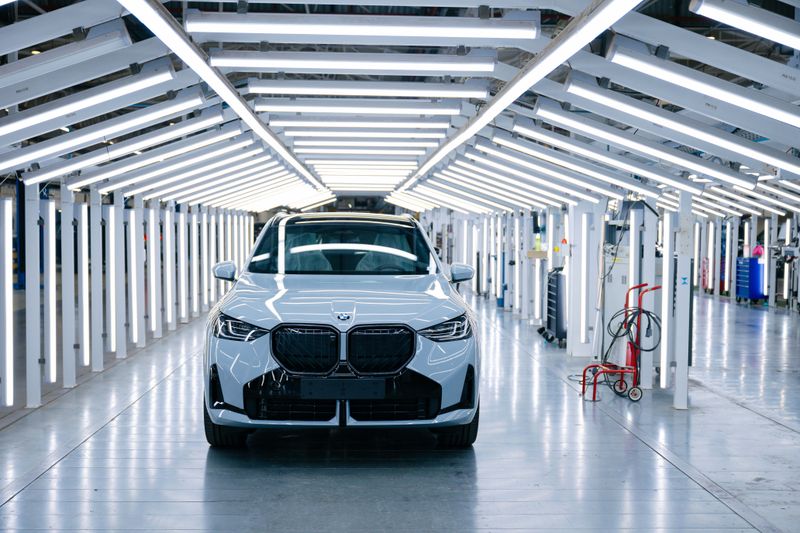
With an installed capacity of 77 000 units annually, the plant has a daily output of approximately 110 units with 3 shifts operating 5 days a week. Right now (February 2025), new X3 stock is all but accounted for, with BMW facing the best problem in the world – demand outstripping supply. The 20d and the plug-in hybrid are assembled locally, with the latter built exclusively in SA for both local consumption and export, while the flagship M50 is sourced from the BMW Group plant in Spartanburg, in the United States.
What’s on offer?
There are 5 derivatives in the local G45-series X3 lineup, with 2 trim levels and 3 engine options. The model is available in standard/base trim, but we suspect that most customers will opt for the sportier and perennially popular M Sport derivatives – we see no reason why that trend should change in 2025!
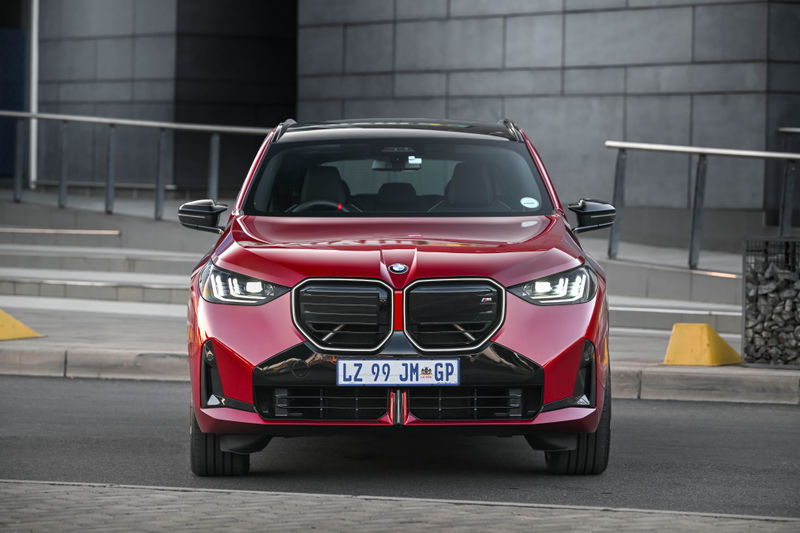
As far as the engine range is concerned, the range comprises a 2.0-litre 4-cylinder turbodiesel engine (20d), a 3.0-litre inline-6 turbopetrol engine (M50), as well as a 2.0-litre 4-cylinder turbopetrol plug-in hybrid (30e) power unit. Every X3 variant features all-wheel drive and an automatic transmission.
The 20d (145 kW/400 Nm), which combines good efficiency and punchy performance, seems the most sensible option, but the M50 caters to those who want serious pace from their executive SUV. Previously, this was badged as the M40 and it features the iconic B58 motor that produces 280 kW and 580 Nm.
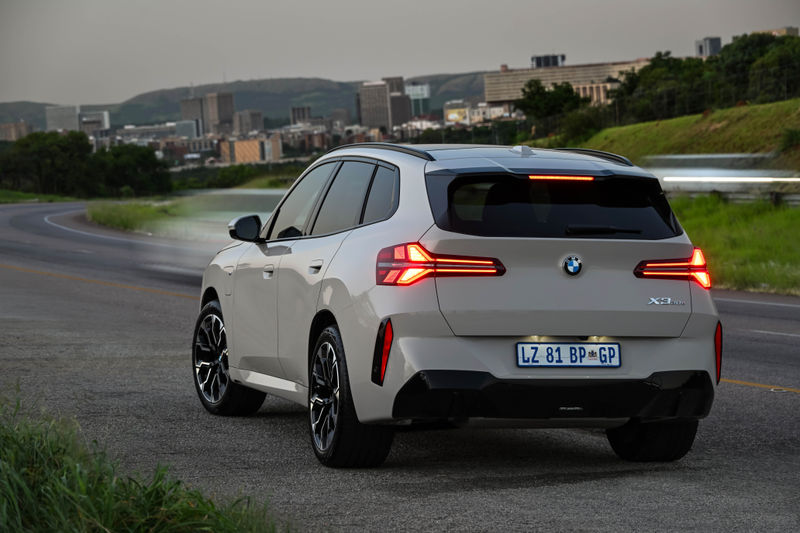
With a claimed 0-100 kph of just 4.6 seconds, it’ll be the quickest X3 until BMW’s M division decides to churn out a fully-fledged M Competition model. Right now, that model is yet to be officially confirmed.
For those who want something different, the plug-in hybrid 30e makes an interesting case for itself. Combining a 2.0-litre 4-cylinder turbopetrol engine with an electric powertrain in a plug-in hybrid configuration has resulted in combined outputs of 220 kW and 450 Nm, with a claimed consumption figure of just 1.1 L/100 km. Naturally, this figure is a little far-fetched, but BMW did say that this applies to when the battery is fully charged – you can expect 7.9 L/100 km once the battery’s charge is depleted.
What is it like to drive?
We anticipate that the turbodiesel-powered 20d xDrive M Sport will be the most popular G45-series X3 variant and when the “ride and drive” section of the launch began, we made a beeline for that derivative.
The adoption of 48V mild-hybrid tech benefits efficiency, yes, but also the driving experience. When you accelerate hard, a small “e-boost” icon lights up to let you know that electric assistance is helping out.
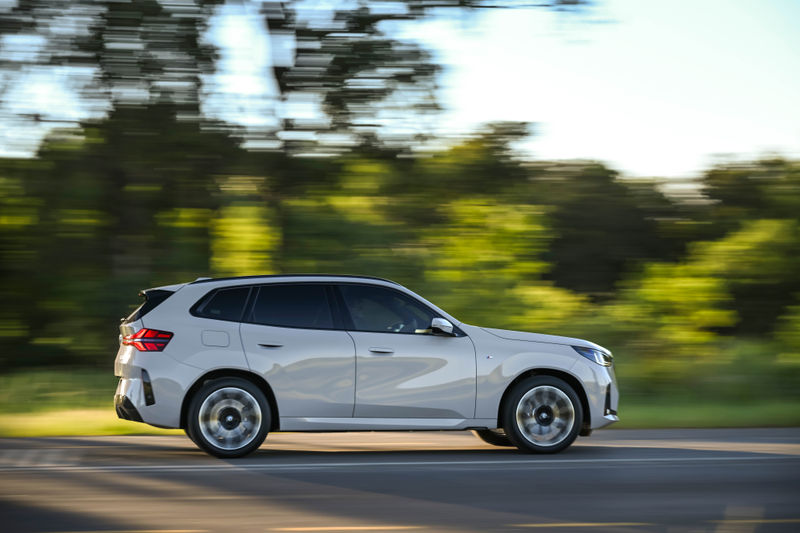
With 145 kW and 400 Nm on tap, the 20d never struggles for motivation, while its 8-speed automatic transmission shifts effortlessly and smoothly. The BMW’s steering wheel is adorned with ‘shift paddles, but we never felt the need to utilise them – the ‘box is finely calibrated with the engine’s characteristics.
After the 1st leg of our route, which combined driving on open and urban roads, our test unit indicated a consumption of 7.2 L/100 km – a figure that will only improve the more time you spend on the highway.
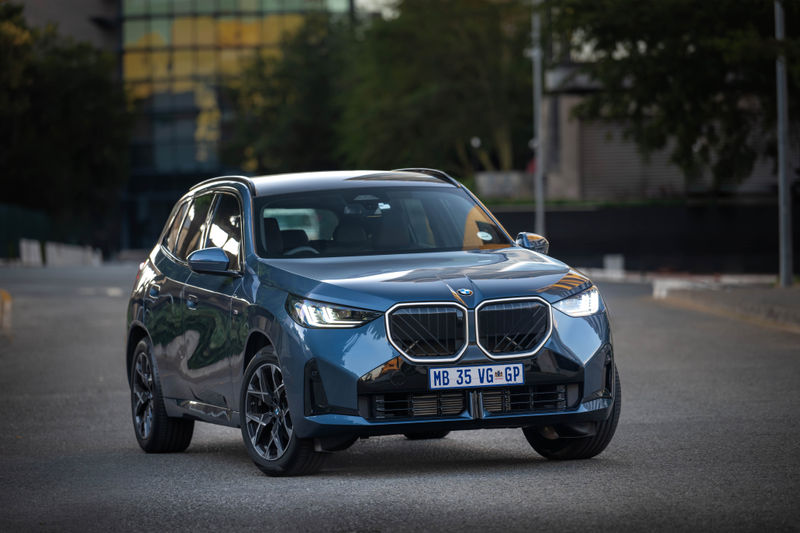
Our test unit was an M Sport, therefore it was fitted with larger alloy wheels (wrapped in low-profile tyres) and a sports suspension, so we weren’t surprised the ride quality was on the firm side of pliant.
But considering the G45-series X3’s target market, a sportier on-road demeanour is quite acceptable, and it was balanced out by admirable road/wind noise suppression, which added to the refinement.
The X3 remains such a well-balanced proposition; it’s a comfortable family car, but when required to corner briskly, it feels agile with excellent body control, helped by the accurate, well-weighted steering.
How much does the G45 BMW X3 cost in South Africa?
BMW SA has not increased the prices of the X3 range since they were announced in September 2024. The BMW X3 is sold with a 2-year/unlimited km warranty and a 5-year/100 000 km maintenance plan.
| X3 20d xDrive | R1 136 417 |
| X3 20d xDrive M Sport | R1 186 417 |
| X3 30e xDrive | R1 260 000 |
| X3 30e xDrive M Sport | R1 310 000 |
| X3 M50 xDrive | R1 545 447 |
Summary
At the time of writing, we had only driven the 20d, with drives of the plug-in hybrid and M50 derivatives scheduled for the next day. Suffice it to say, this new-gen BMW X3 picks up right where the outgoing model left off, by providing a luxurious, well-packaged premium executive SUV that’s engaging to drive.
The engine range is likely to expand in the not-too-distant future, but right now, there’s little to fault the current line-up. For those who want to reduce their fuel bills, the pricing of plug-in hybrid derivatives is impressively close to that of their 20d siblings. While our petrolhead hearts desire the B58-powered M50, common sense says that a 20d (with a few choice options) is likely to be all the X3 you’ll need.
We look forward to conducting a deep-dive analysis of the new-generation X3 in the coming weeks.
Further Reading
All the latest BMW news and reviews
Want to purchase a new or used BMW? Browse vehicles for sale