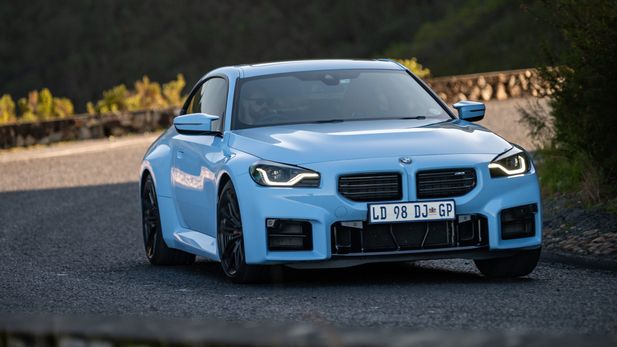
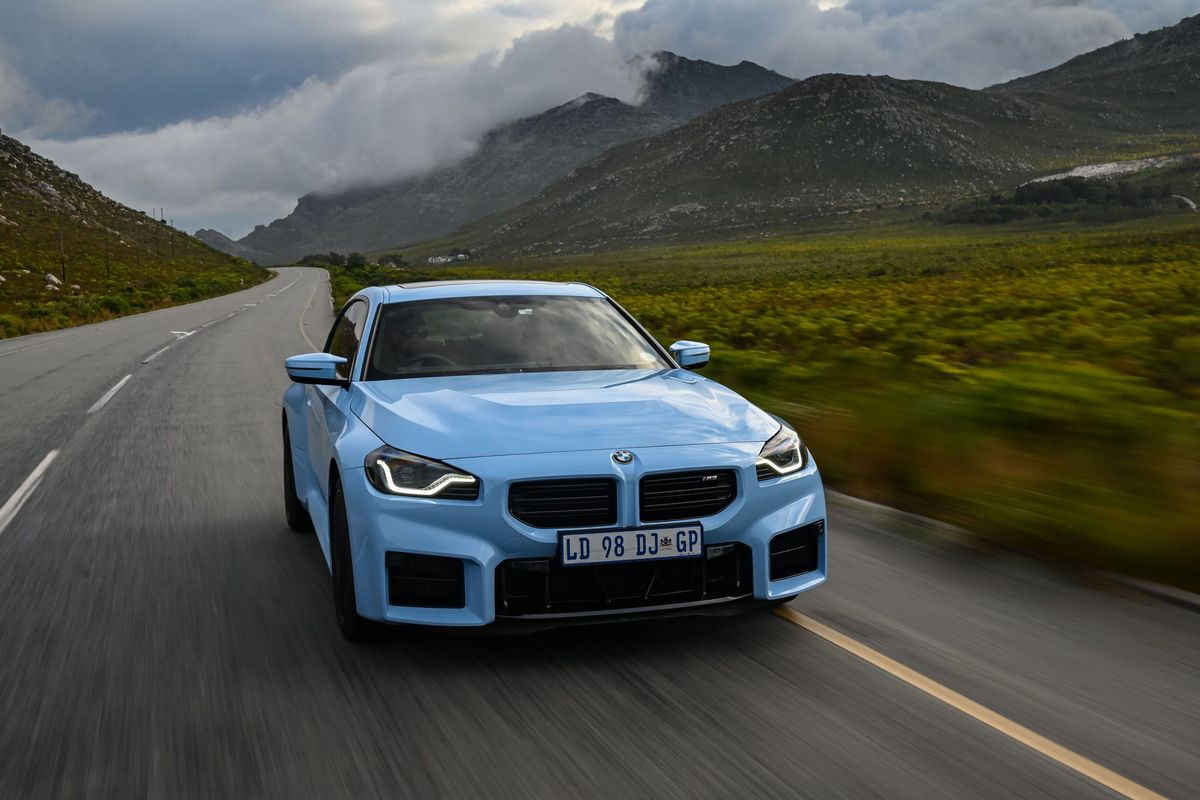
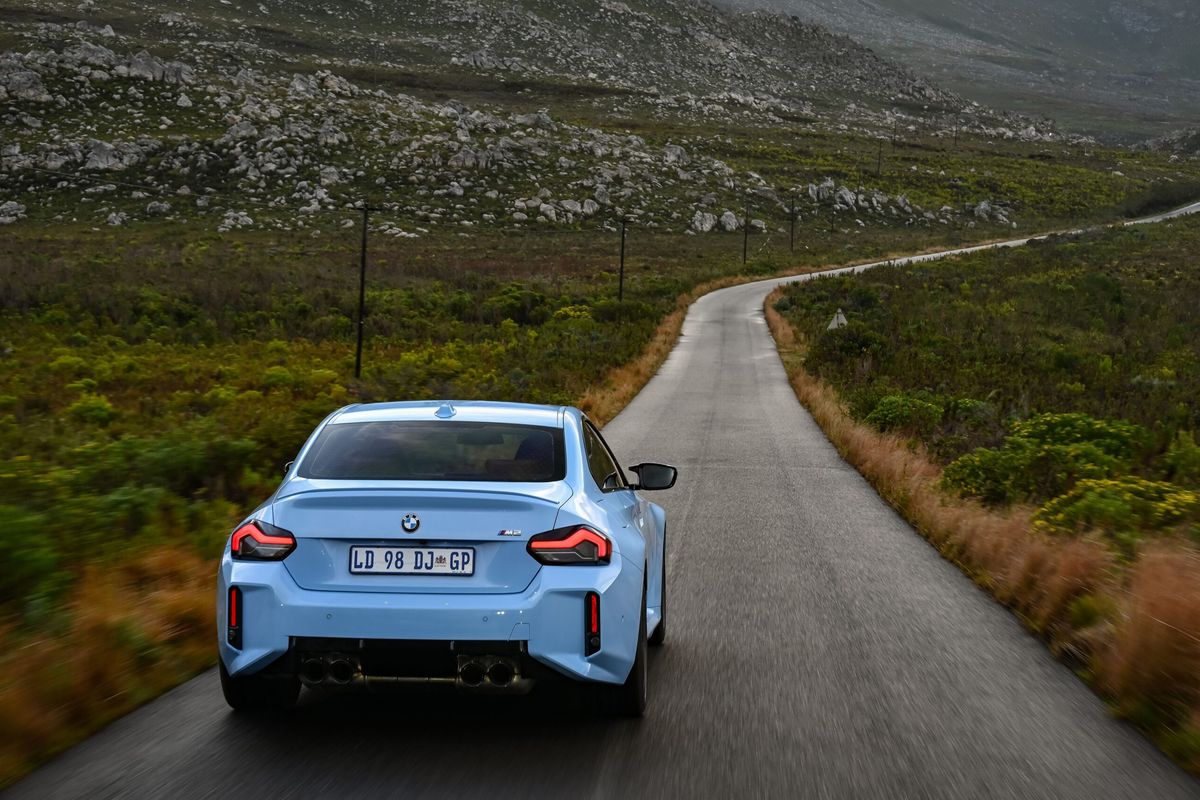
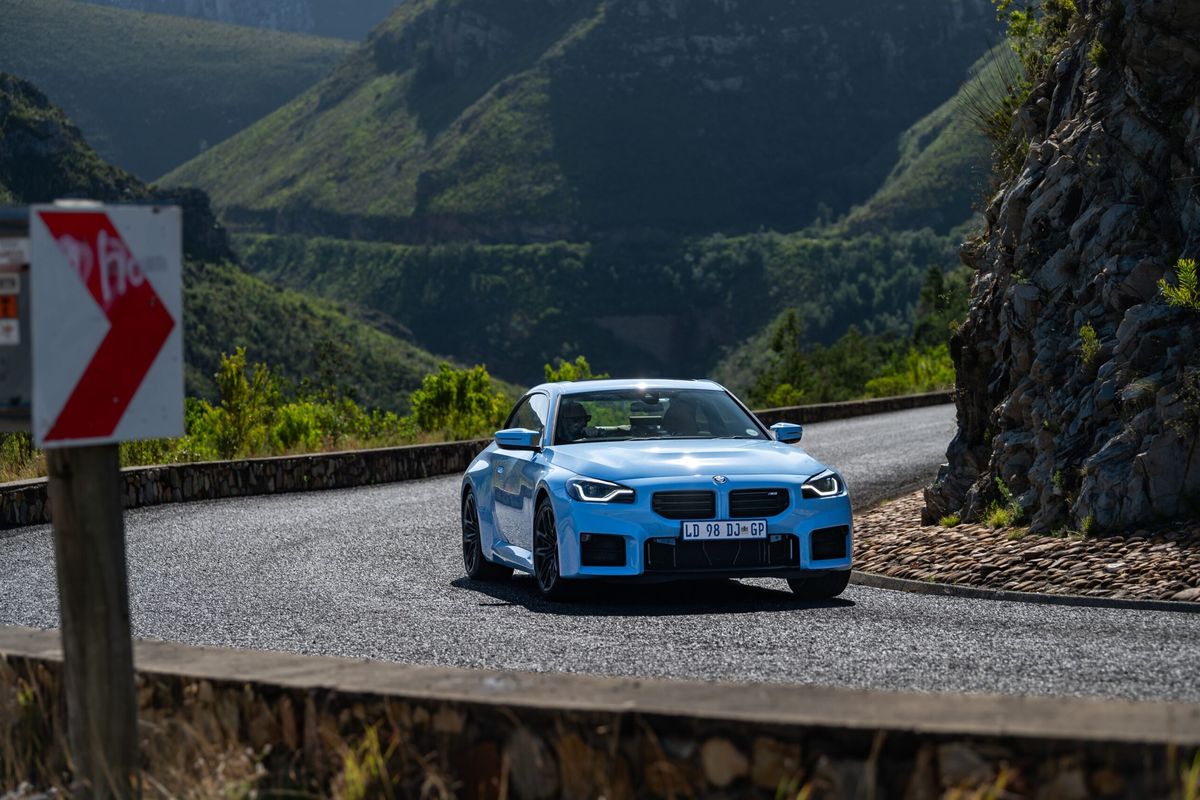
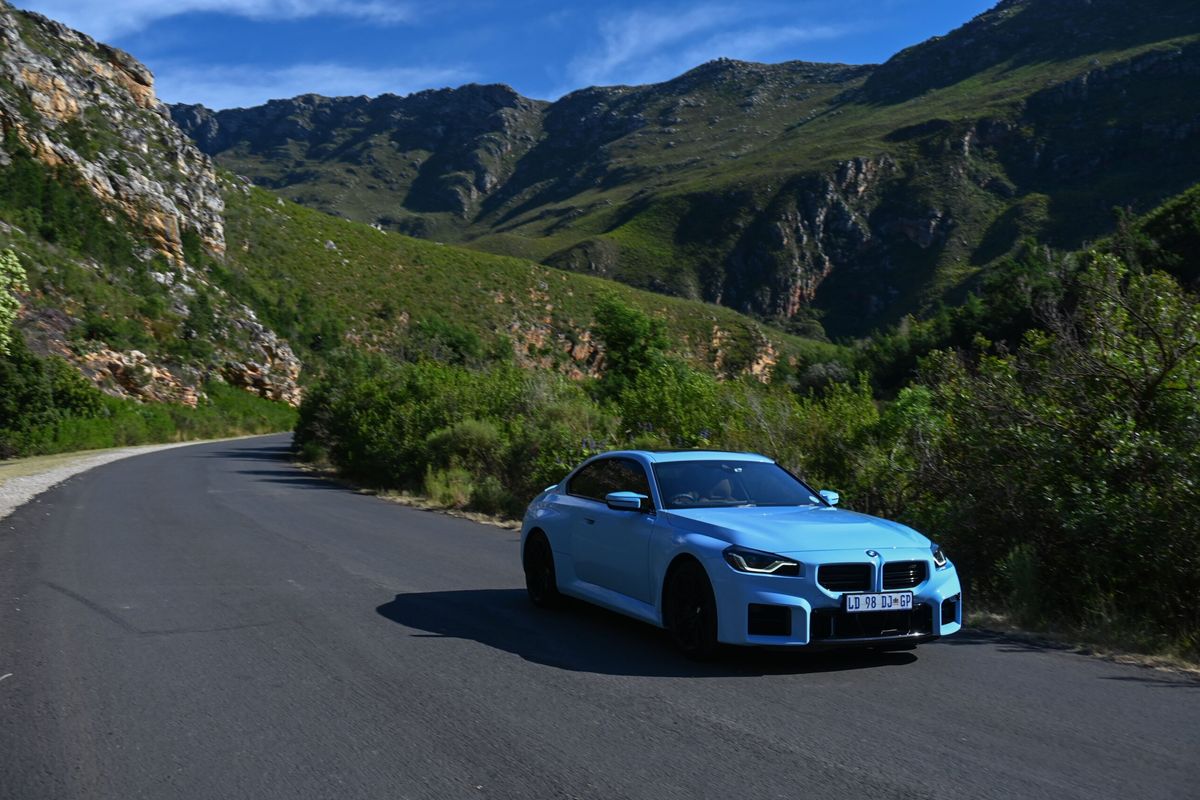
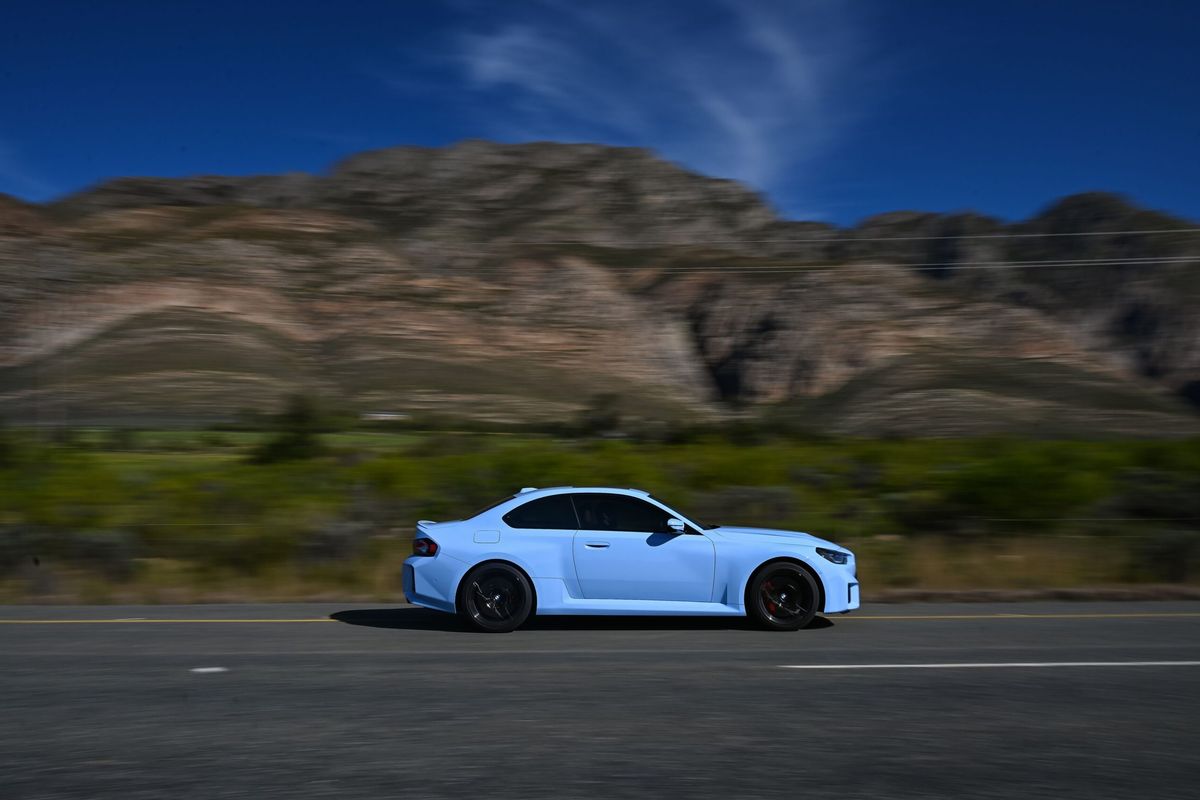
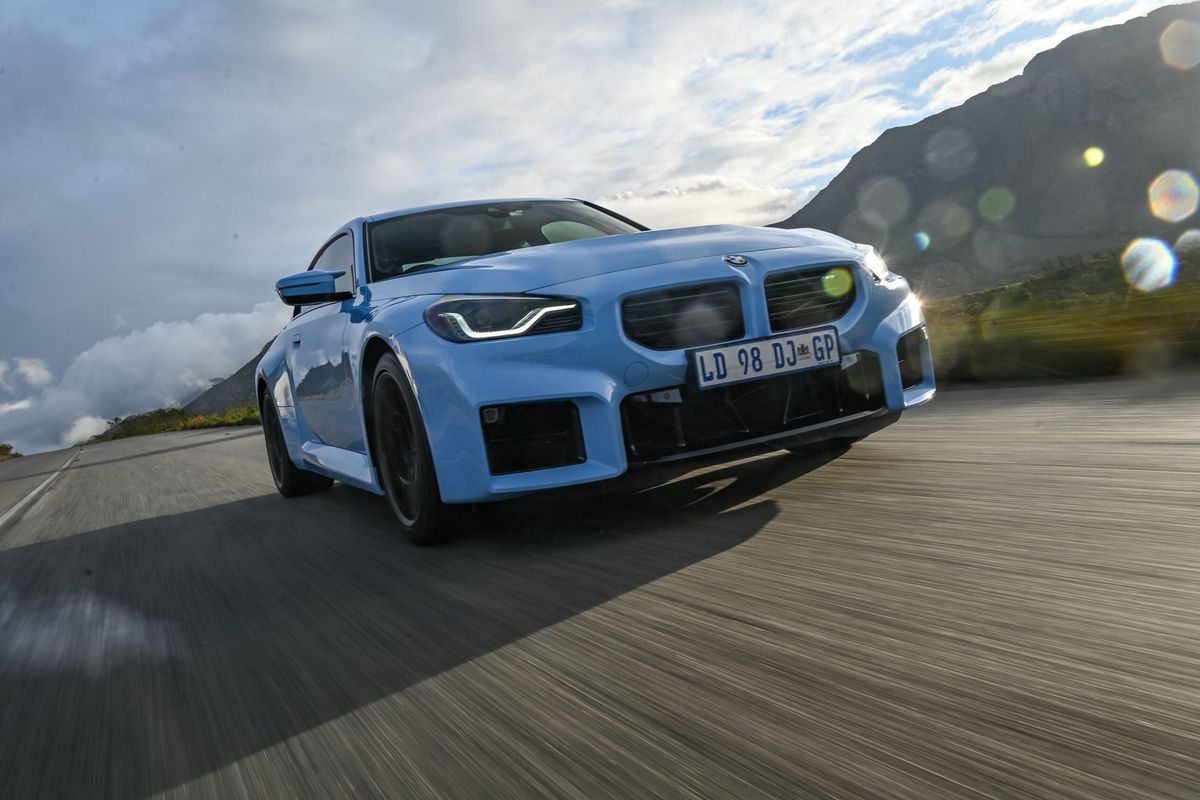
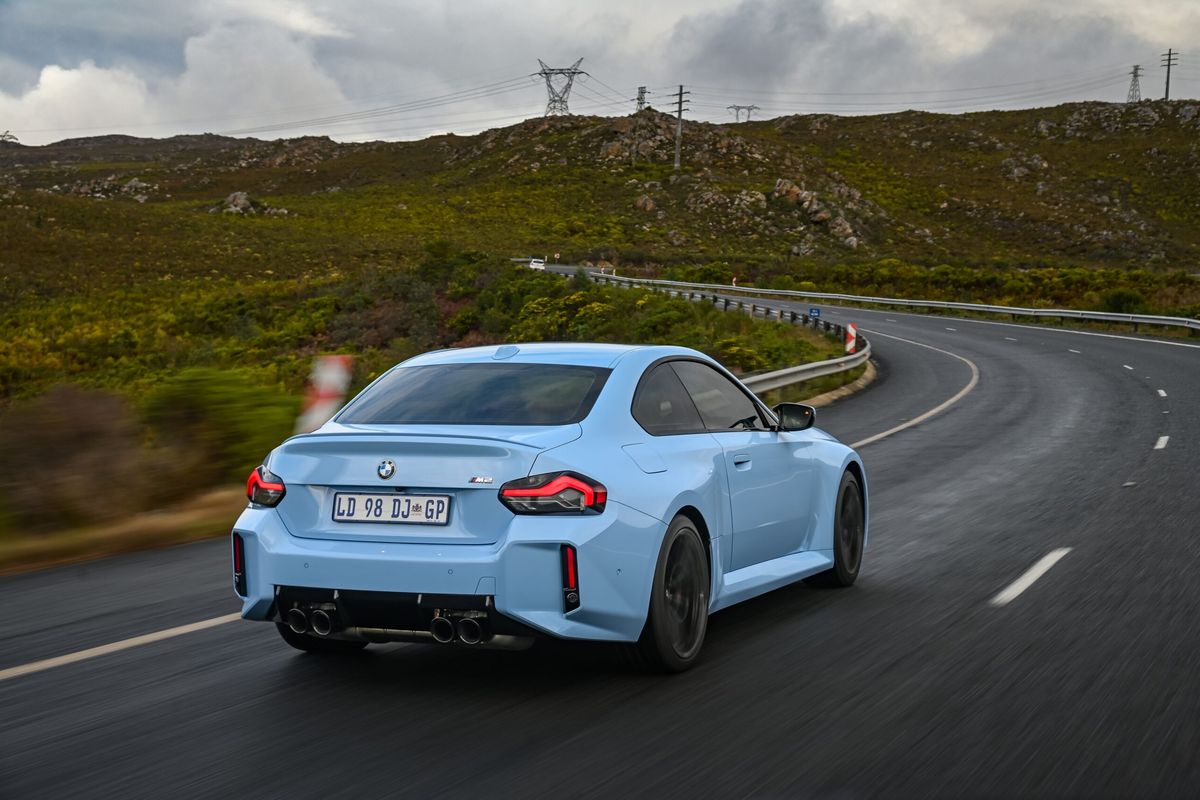
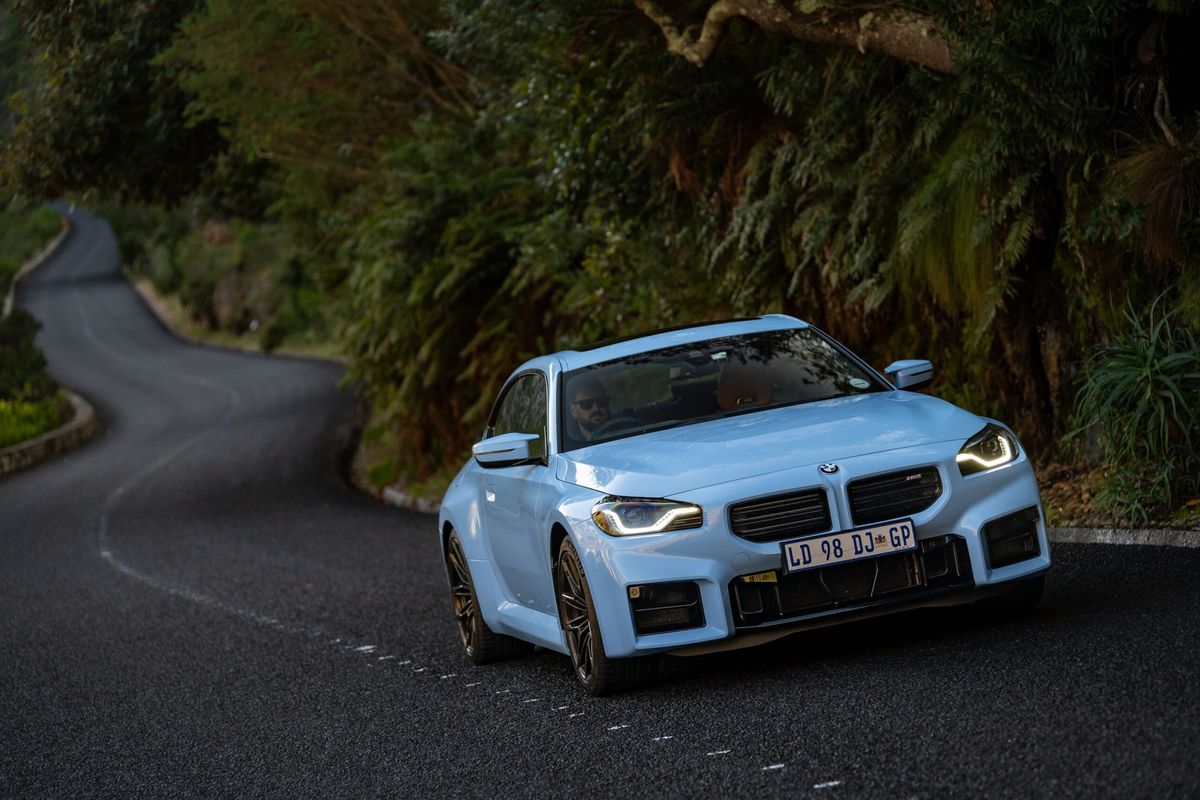
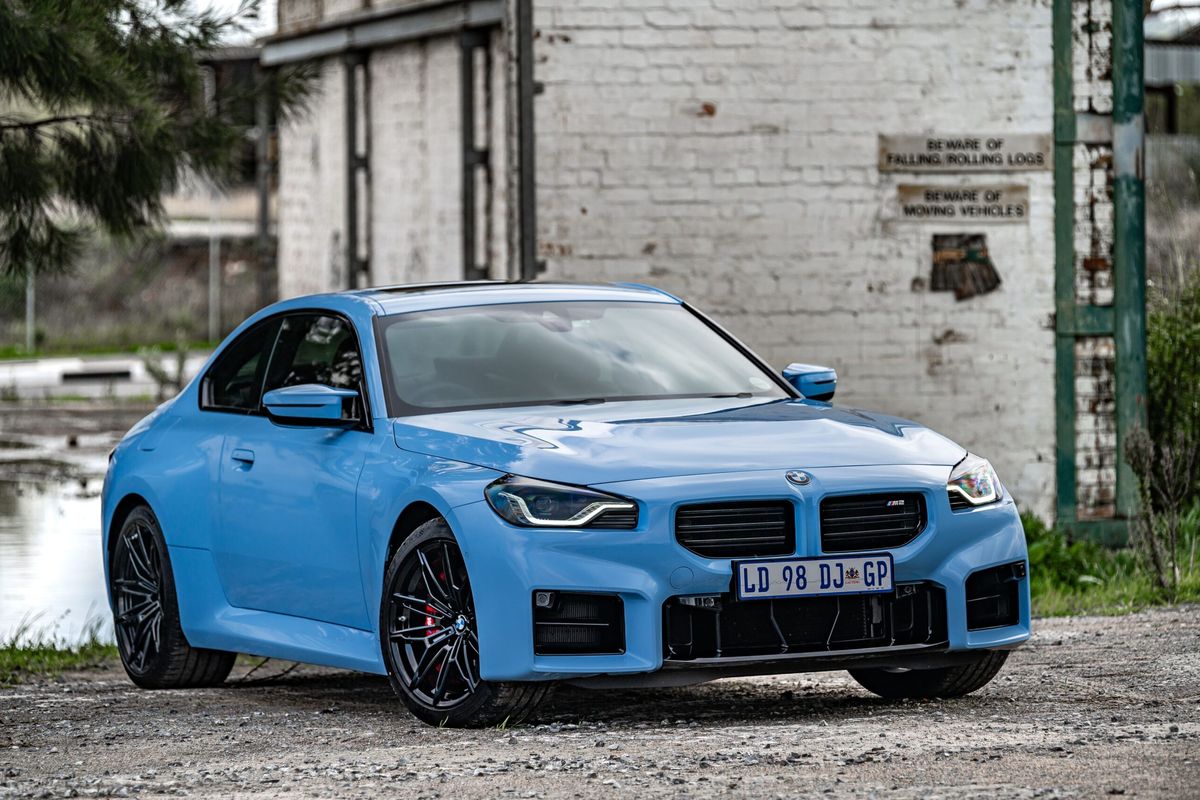
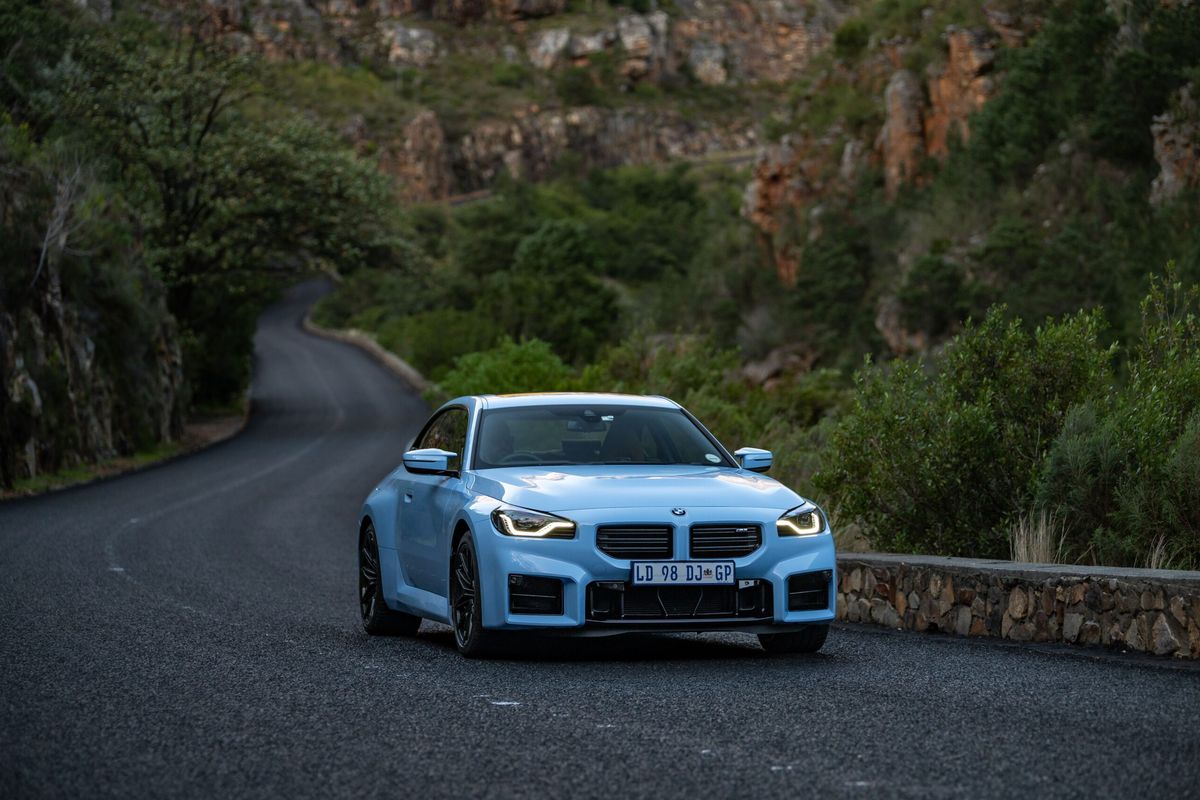
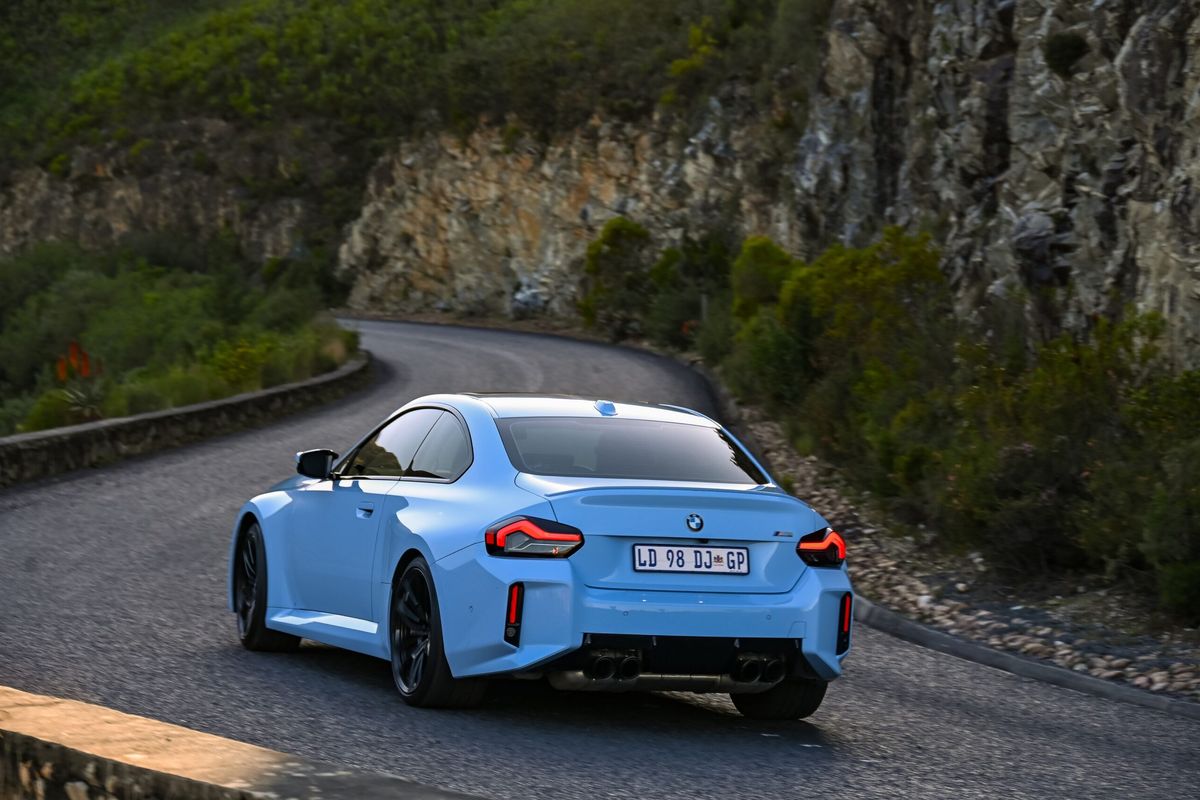
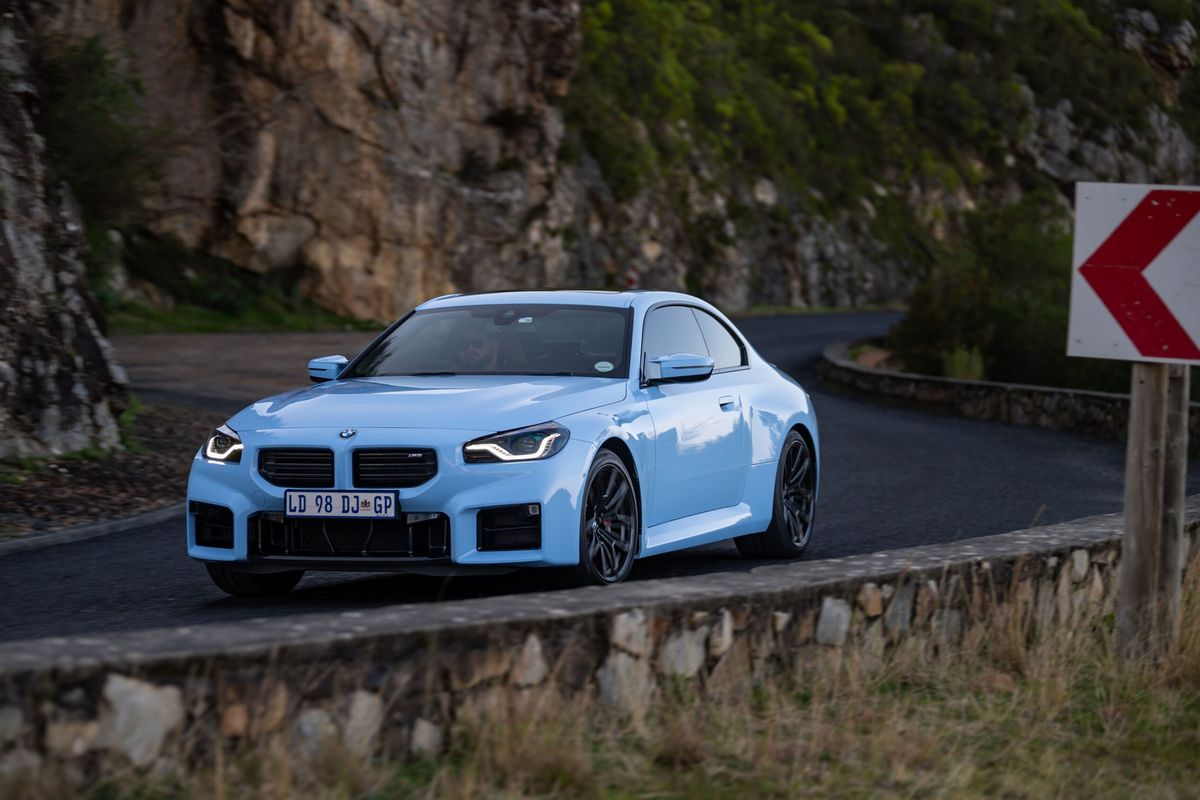
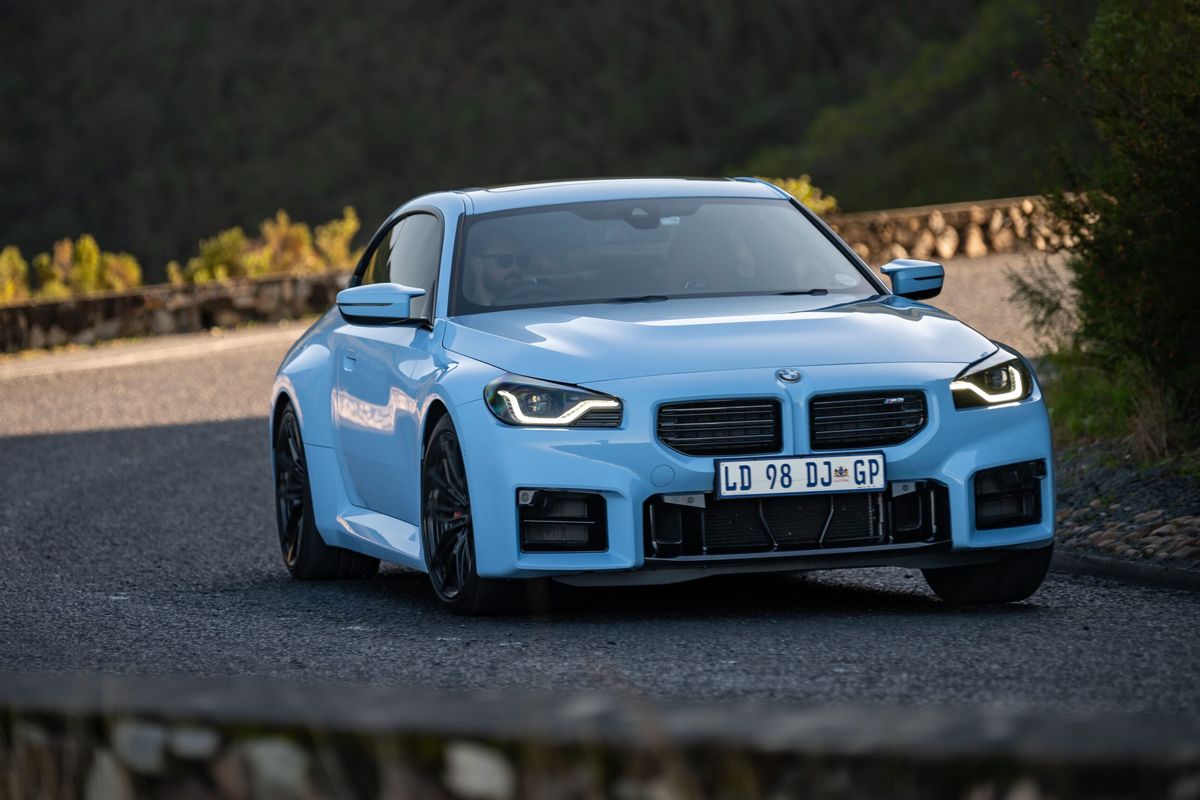
The 1st-gen BMW M2 was an immensely popular M car, but the G87 M2 is a different beast altogether. Will it build on its predecessor’s success, or is it now too derivative? We drove the model through some of the Cape’s stunning mountain passes to find out.
What’s new with the BMW M2
The obvious place to start is the chassis. As with the 2 Series Coupe, the new BMW M2 is underpinned by the 3 Series platform. That means the new version is a much bigger car than the one it replaces.
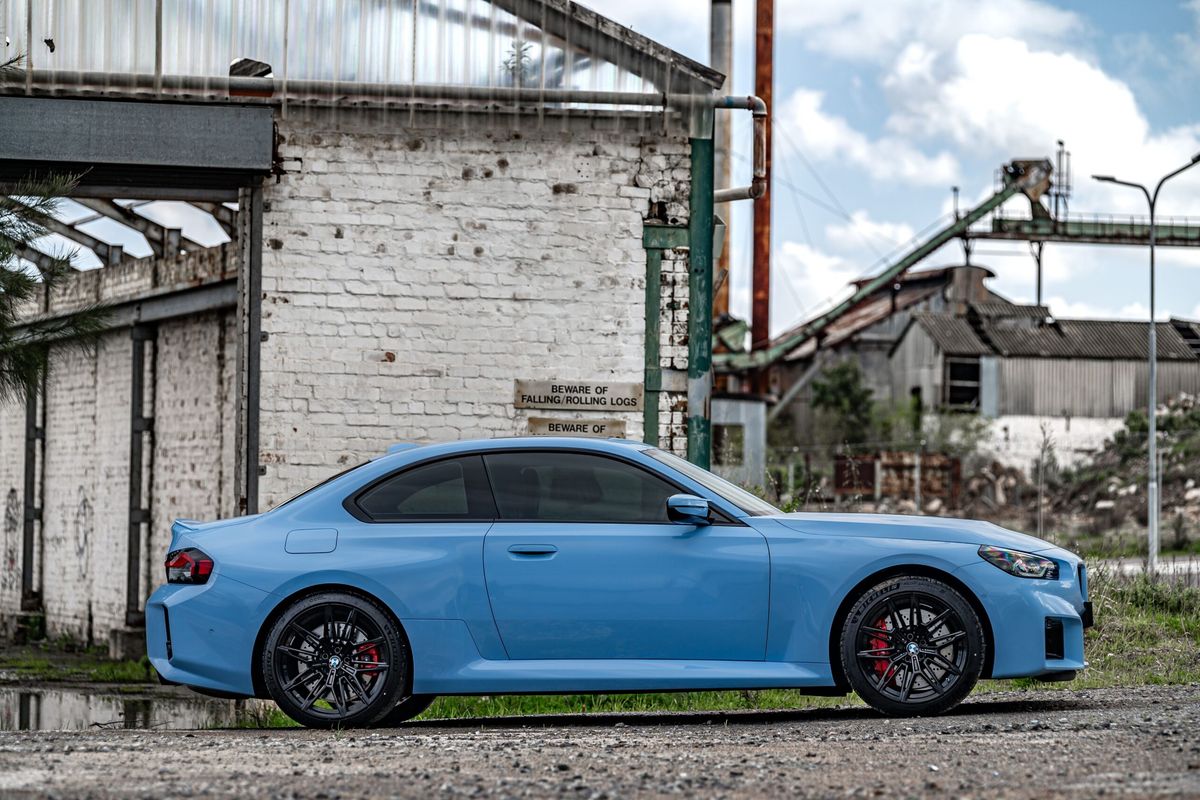
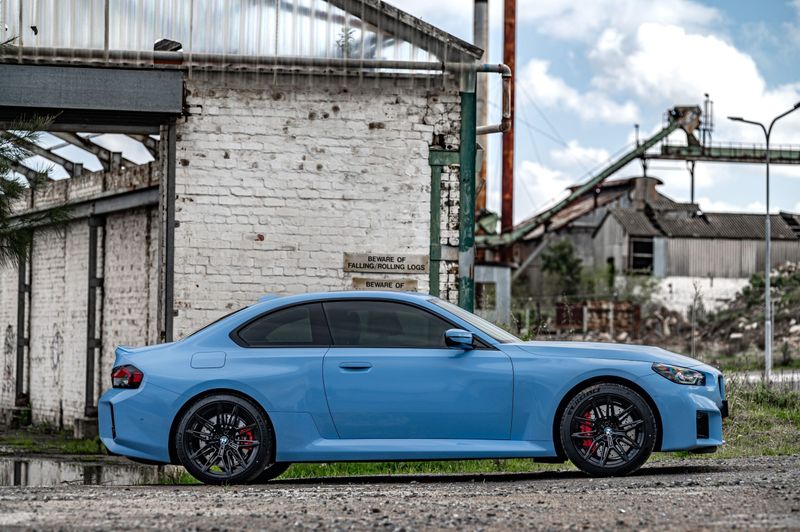
In fact, the G87 M2 is 119 mm longer, 16 mm wider and 11 mm lower than the outgoing M2. The key dimension that gave the original M2 its character was the short wheelbase and, while the new M2 is 54 mm longer than its predecessor, it is still 110 mm shorter than the M4, which means its shorter stature should still give it a distinct on-road demeanour (character, if you will) from those of its bigger M-car siblings. To add some more stability to the new M2, the front track has been widened by 38 mm (to 1 617 mm) and the rear track by 4 mm (to 1 605 mm), which, for the record, matches the M4 Coupe‘s figures.
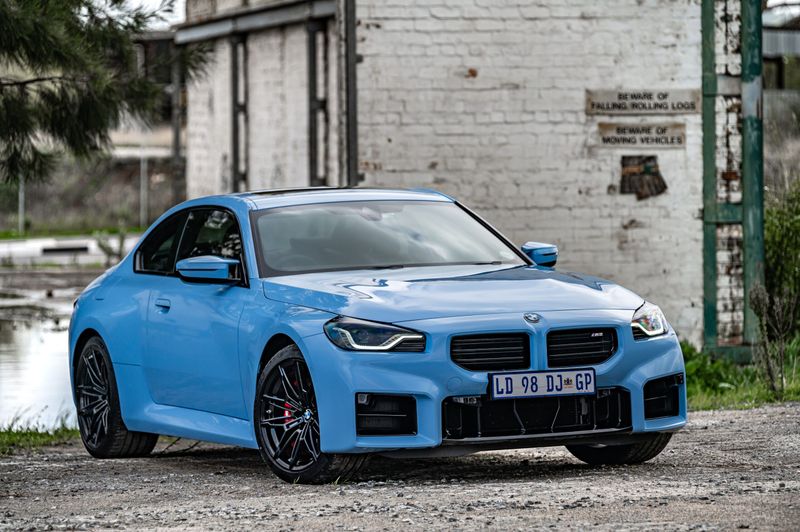
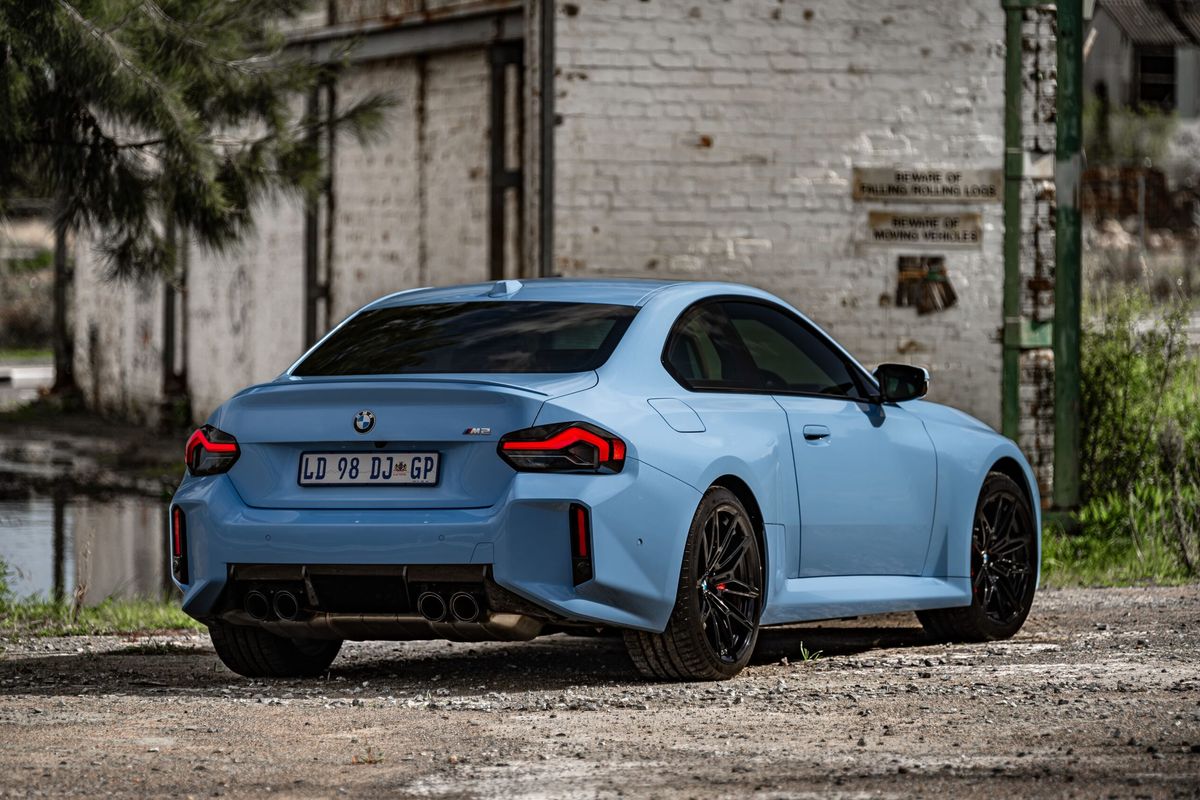
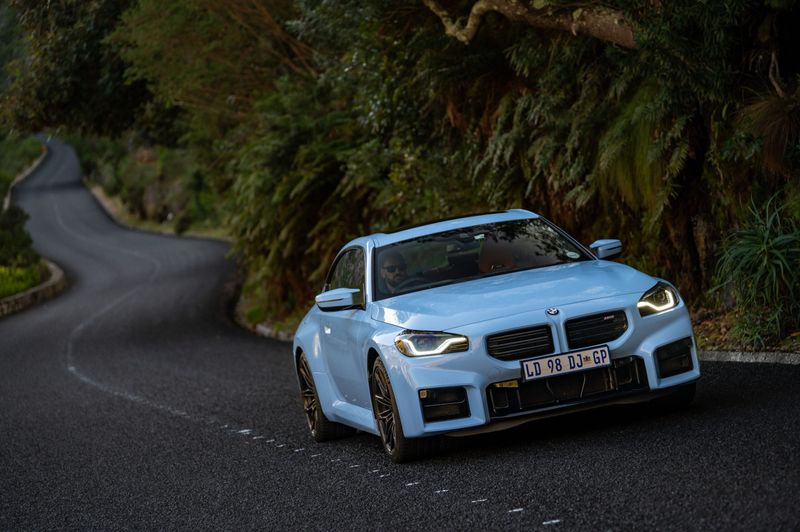
As for the design, the new M2 features a (typically expansive and unsubtle) modern BMW grille – it’s a real love-it-or-hate-it item – while our local models are fitted with a carbon fibre roof as standard. You can have a sunroof fitted (at no extra cost), but that requires a steel roof, which weighs 6 kg more than the carbon one and raises the centre of gravity – we’d pass on that. It also features 19-inch wheels at the front and 20-inches at the rear giving it some of what Formula One enthusiasts would refer to as rake.
The BMW M3/M4’s S58 engine – a twin-turbo 3.0-litre line-6 – sits under the bonnet. It can be paired with an 8-speed automatic or a 6-speed manual ‘box, either of which sends power to the rear wheels only. An Active M-differential, which electronically distributes power at the rear axle depending on the drive mode selected and other factors such as wheels speed, steering angle, traction levels and yaw rate, is fitted, as is a Drift Analyser for measuring how good or rubbish your drifts are in time and angle.
BMW M2 Performance
I wasn’t the biggest fan of BMW’s decision to slot the M3/M4’s powertrain into the later (Competition) versions of the previous edition of the M2; personally, I preferred the single-turbo 3.0-litre inline-6 that powered the original M2. I felt that the (albeit punchier) M3/M4 motor made the M2 a bit too snappy unless it was driven on bone-dry asphalt while wearing brand-new tyres – it was a handful to drive fast and required race-driver reactions to correct moments of oversteer. But, enough of my gripes with the old car… The new M2 has higher outputs still – 338 kW and 550 Nm – and while we were only able to drive the auto at the launch event; the claimed 0-100 kph time of 4.1 sec felt incredibly easy to achieve.
There’s hardly time to breathe as the M2 rips into the tarmac and reels in the horizon. The injection of torque at 2 650 rpm doesn’t kick you in the back and that’s because the peak torque band is broad (it only ends at 5 870 rpm). That allows for incredibly linear acceleration almost throughout the entire rev range. It also means you get very immediate acceleration out of corners when you stab at the throttle.
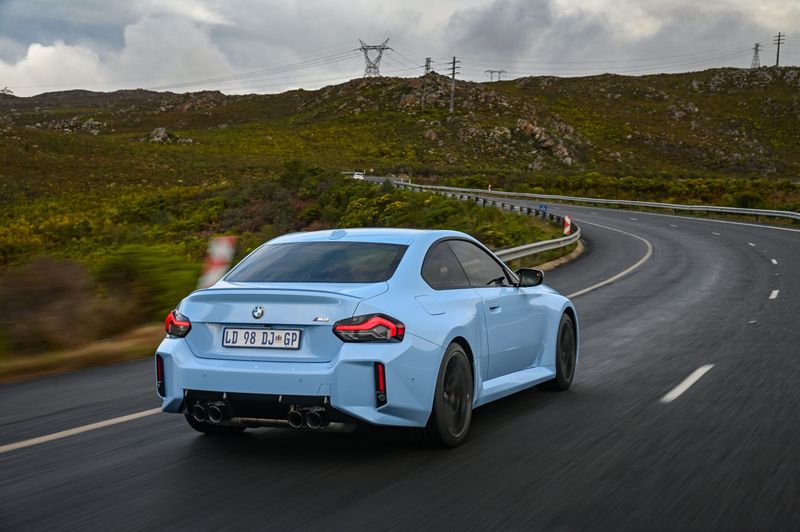
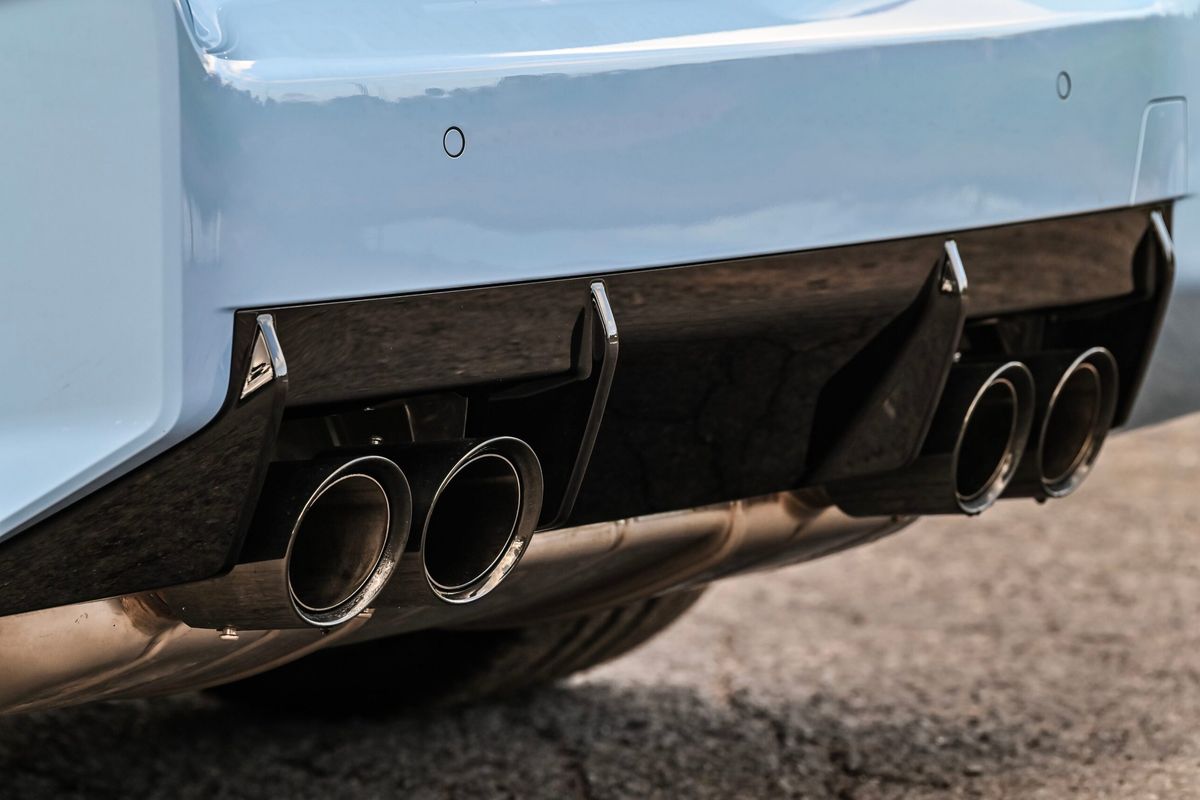
The sound emitted by the pair of dual tailpipes is quite bassy and really resonates in your gut as the motor eagerly spins through its rev range. The pitch heightens as the revs crest about 4 500 rpm, which seems to be when the exhaust flaps open up and the whole aural experience is elevated to another level!
The new M2’s brakes are something special. Granted, a race track would provide a sterner test of the “anchors”, but their bite and stopping power are still immense. When a car’s rate of acceleration is so considerable, stopping power is paramount and the 6-pot callipers (paired with 380 mm discs up front and single-piston 370 mm discs at the back) deliver. You can have them with either a blue or red finish.
Does its driving experience befit an M2?
It’s hard to answer that question definitively after just one day behind the ‘wheel of the G87 M2, but we’ll be testing the newcomer in a few weeks’ time (when we get it for a full evaluation). Watch this space!
In the meantime, I can say that this new-generation M2 feels more planted at the rear and certainly seems less prone to bouts of snap oversteer. The front end tucks in faster than you think possible, thanks in part to the very fast steering setup, which is better than ever on this model. The ‘wheel’s weighting feels superb and even with the electric assistance, you get some of that dearly-missed feedback through the rim when you’re fully concentrating on extracting performance out of the M2.
Having said that, thanks to its longer wheelbase and wider tracks, the G87 M2 has arguably lost some of the previous-gen M2’s character. Whereas the first M2 kept drivers on their proverbial toes at the car’s handling limits, its successor is more like an M3 or M4 than it’s ever been, with the difference being that it feels slightly more nimble. You can shift direction quicker and get on top of the M2 easier than in the M3/M4, which, dare I say, is more fun! More time is needed to get down to the real nitty-gritty though.
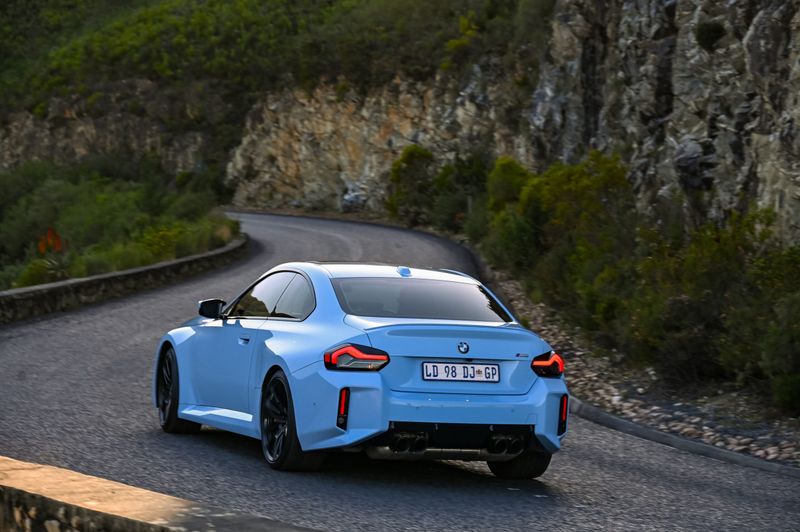
In terms of ride quality, the new model and its predecessor are quite different too. The new model’s adaptive M suspension is stiffly sprung, but very compliant on a bumpy road – and its more forgiving ride makes the G87 M2 much easier to use day-to-day. There is quite a bit of road roar from the big Michelins at speed, but that’s an acceptable tradeoff for the tenacious grip and stability they provide at speed.
What’s the interior like?
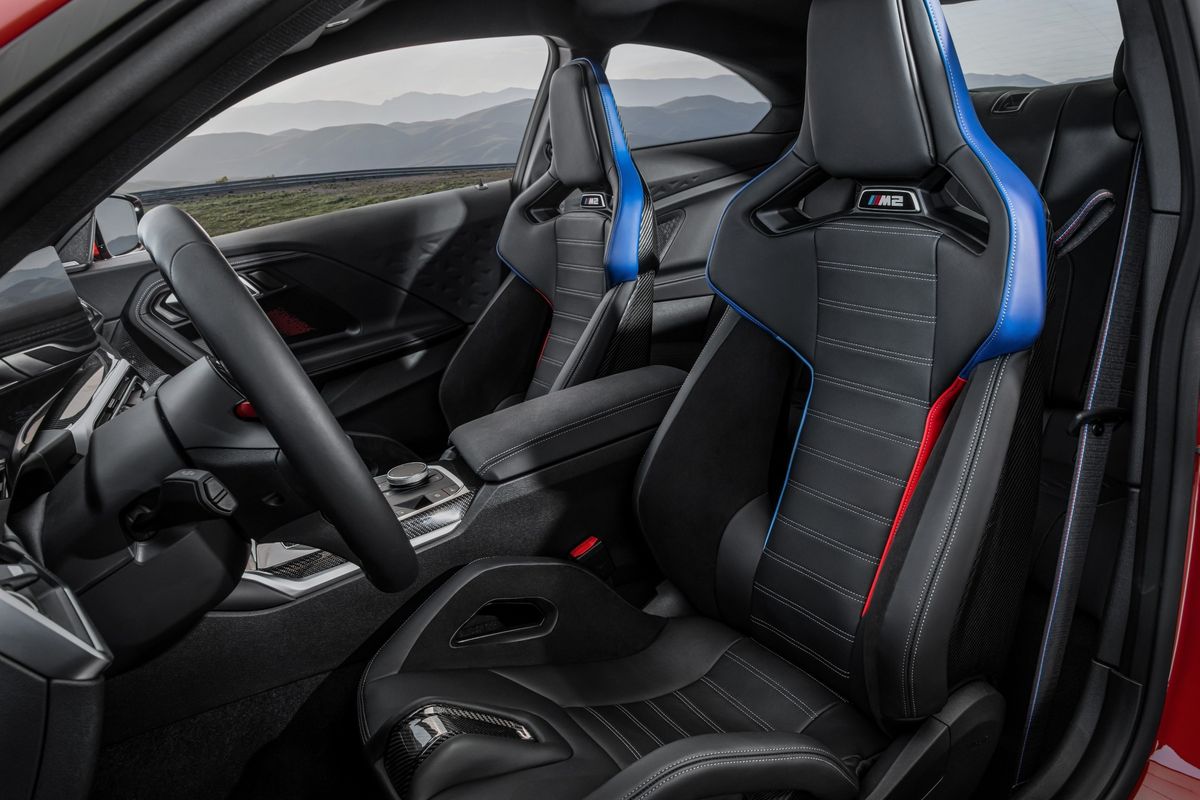
The example that we drove was specified with the optional M Carbon bucket seats and, when you sit in them, you feel plugged into the Bavarian machine in a firm-yet-secure manner. They probably won’t be ideal for undertaking really long drives, but I was pleasantly surprised – even after 2 and a half hours at the G87 M2’s ‘wheel I didn’t start fidgeting in the lightweight carbon seats. They certainly are not the easiest to get in and out of, so expect to make a less-than-dignified exit (from them) when you step out.
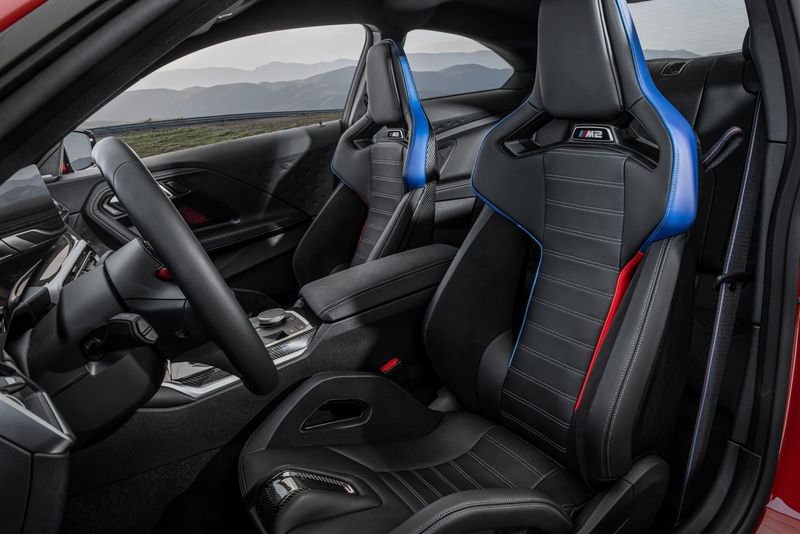
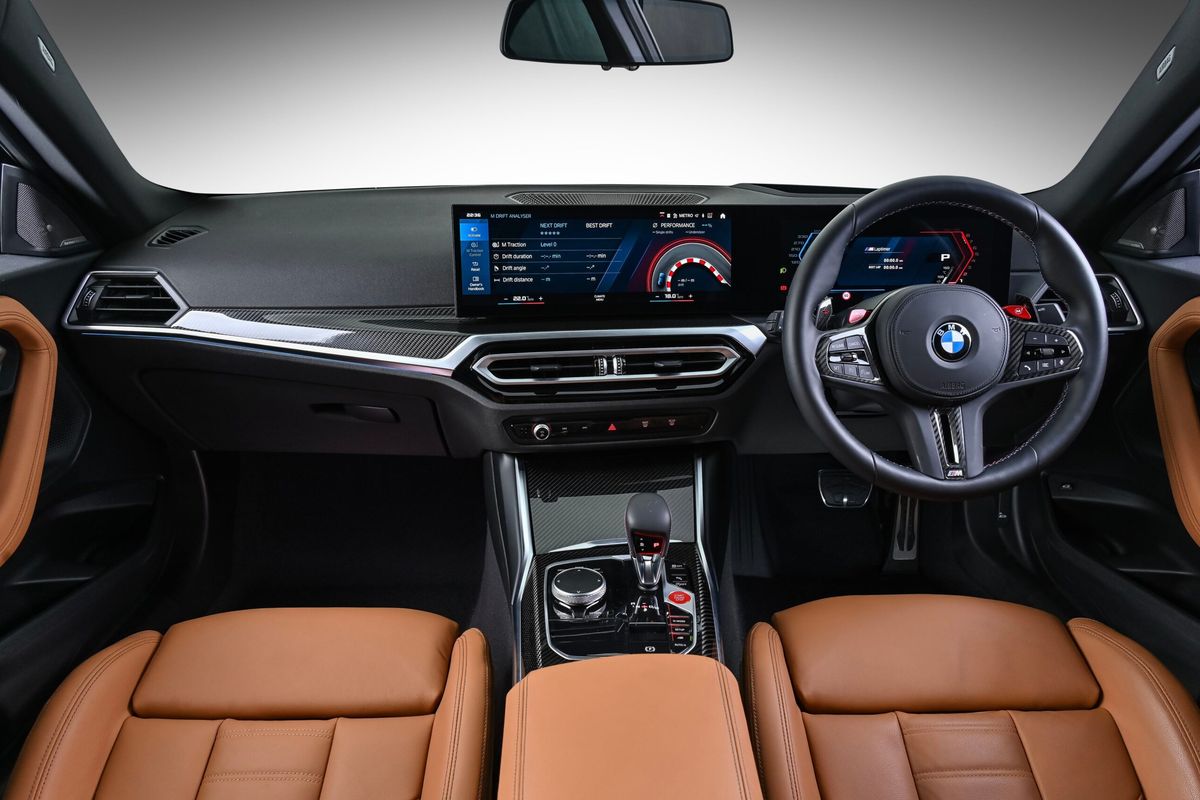
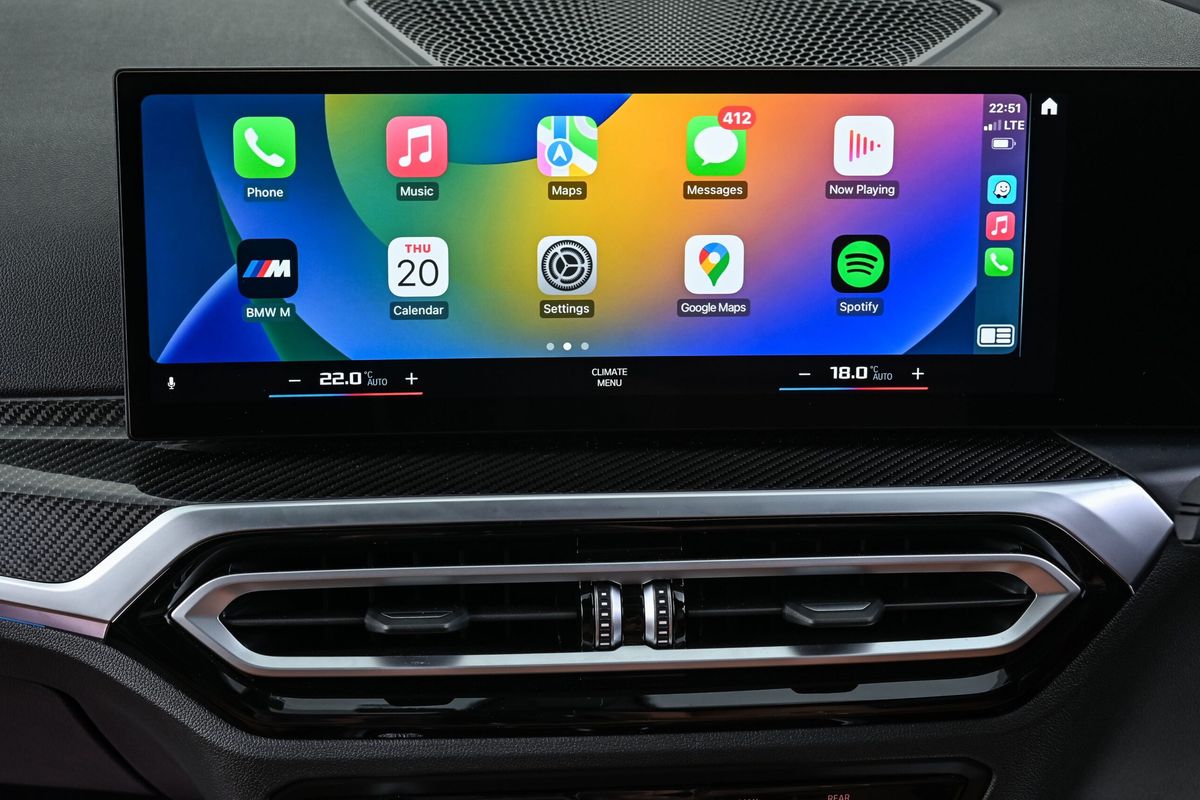
The instrument cluster and digital displays will be very familiar to owners of modern BMWs; nothing stands out as particularly unique to the M2 aside from the inserts in the headrests of the seats. The iDrive 8 operating system (as in the facelifted 3 Series) is very fast, rich with functionality and highly customisable – just spend some time familiarising yourself with common settings before heading out.
Wireless charging, as well as wireless Apple Carplay and Android Auto, are standard and look fantastic when spread across the massive curved centre screen.
BMW M2 price and after-sales
The 2023 BMW M2 is sold with a 2-year unlimited km warranty and a 5-year/100 000 km maintenance plan.
- BMW M2 2023 – R1 503 975
Summary
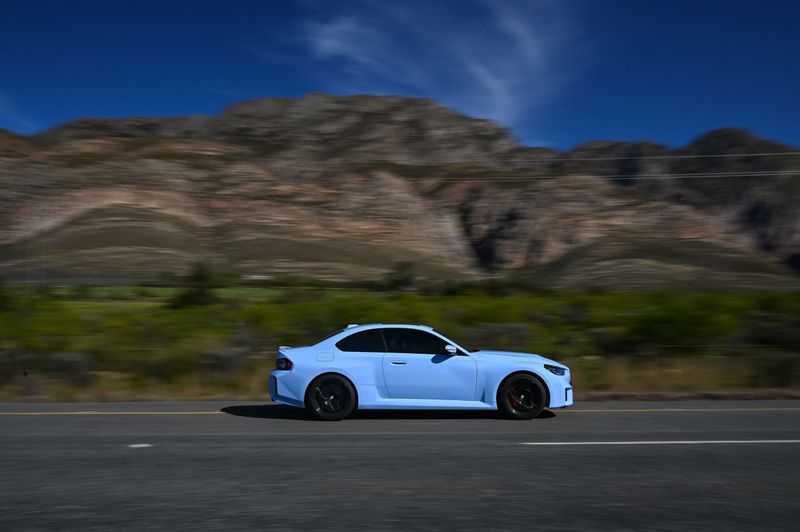
The new BMW M2 strikes a purposeful pose as the entry-level model in an ever-expanding BMW M car lineup. In a relatively short passage of time, the M2 has achieved much success, so much so that it has become the brand’s most popular M car. The G87 M2 has a difficult role: it can’t step on the toes of the M3 and M4, but because it shares a parts bin with those models, it is more similar to them than before.
The 2nd-gen model feels more grown up and, when at the very limit, less spiteful than its predecessor. While it may have lost some of the visceral tail-happiness that a powerful short-wheelbase rear-wheel-drive sportscar can deliver, it still manages to produce a thrilling driving experience that consistently makes you come back for more. It has so much more to offer than you think; after just one drive, I’ve hardly scratched the surface of what it can do, and that’s the sign of an enthralling sportscar, right?
Ashley Oldfield

Ashley has been riding or driving some sort of motorised vehicle since his 4th birthday when he got a Yamaha PW50. Equipped with years of racing experience, Ashley took up journalism and became a writer for some of South Africa’s best motoring magazines and online publications. He is SA’s first (and only) GT Academy winner having raced professionally overseas. He now serves as the Content Manager at Cars.co.za, putting his wealth of racing and driving experience to good use.