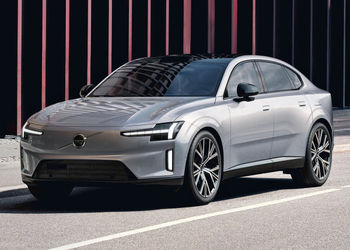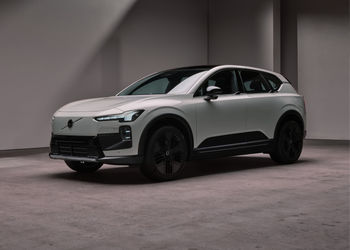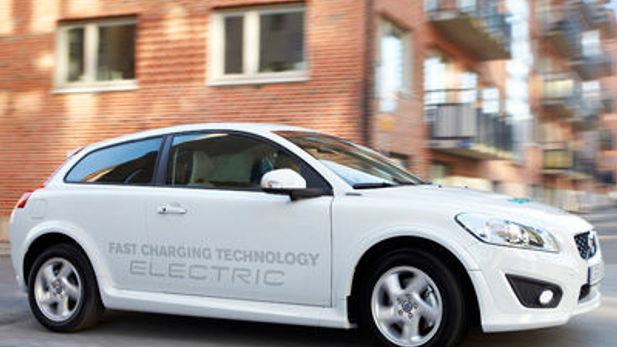
As Volvo continues to develop cars of the future, the unique technology solutions involved can be integrated throughout the electrification range. The strategic partnership between Volvo Car Group and Siemens was formed in 2011 and has resulted in the development of electrified cars that can also be charged faster and feature a more powerful motor.
“Adding the innovative fast charging solution will radically improve the time and mileage for the daily usage of the car. This will drastically improve the cost of ownership since the customer will now be able to drive many low cost kilometres per day. A quick 10-minute plug-in adds power for another 20km of driving,” said Lennart Stegland, vice president, electric propulsion systems, Volvo Car Group.
The new Siemens motor has a peak power output of 89kW and a torque of 250Nm with an acceleration of 0-70km/h in 5.9 seconds. Siemens is the main supplier of electric propulsion power train components for the forthcoming Scalable Product Architecture (SPA) platform, which enables sophisticated electrification at all levels – from different kinds of hybrids to pure electric drive, without intruding on interior or load space.
World-First innovation for Volvo Car Group
The new 22 kW fast-charger is the world’s first on-board charger that operates on a three-phase supply and is small enough to be fitted in an electric car. It uses a three-phase outlet, and a charge takes 1.5 hours, while an ordinary single-phase 230 V household outlet takes 8-10 hours, depending on the available current.
“We’re proud to have developed this unique solution. By offering more usable hours a day, we’ve taken an important step towards making electric cars more viable as a commercial proposition, in both the private and public sectors,” Lennart Stegland says.
Volvo Car Group in South Africa does not yet offer any of the Electric, Hybrid or Flexi-fuel models due to insufficient infrastructure, however, the brand does offer the most advanced and viable solutions for customers who want keep their carbon footprint to a minimum with the diesel engines that emit as little as 94g/km of CO2.